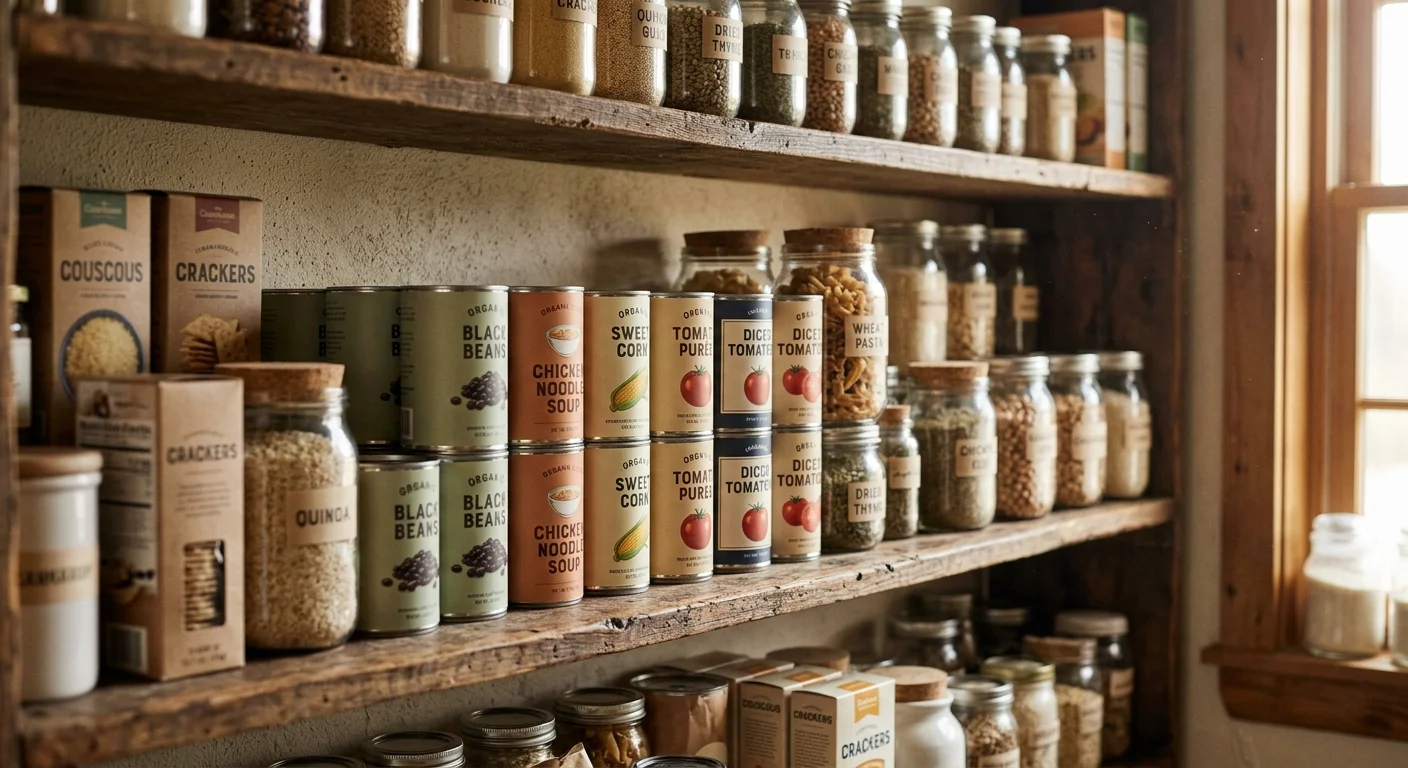
Building a bulletproof pantry does not require spending a fortune, but it does demand a strategic approach to food inflation and store sales cycles.
With canned fruit and vegetable prices jumping 5.0% year-over-year according to recent Bureau of Labor Statistics data, standard grocery bills are eating into hard-earned savings faster than ever.
You can beat grocery stores at their own game by identifying which canned goods worth stockpiling offer the highest nutritional density, longest shelf life, and deepest discount margins.
Stocking up on canned goods at peak sales windows protects your family’s budget while ensuring your kitchen remains fully operational through supply disruptions or financial pinches.
Tip #1: Canned Tomatoes (Whole Peeled, Crushed, and Paste)
Canned tomatoes represent the single most versatile foundation in home cooking, forming the core of homemade pasta sauces, chilis, curries, and braises. From a food safety standpoint, tomatoes fall into the high-acid food category.
According to USDA shelf-life guidelines, high-acid canned foods maintain their peak quality for 12 to 18 months when stored in a cool, dry location.
Because you use them across dozens of recipes year-round, running out forces you to buy them at full retail price, which can easily reach $2.50 to $3.00 for a premium 28-ounce can.
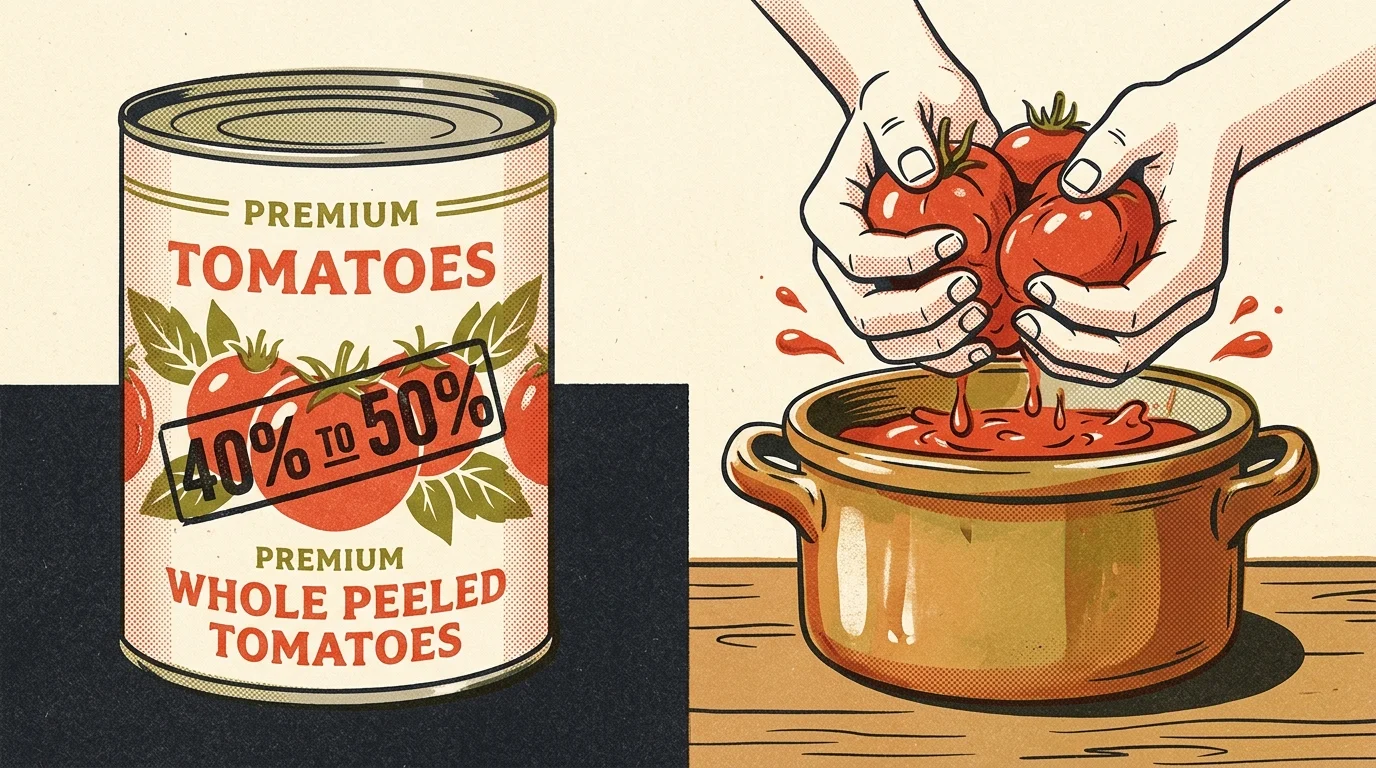
Smart shoppers wait for fall harvest sales or winter Italian-themed store promotions when major brands drop prices by 40% to 50%. A crucial industry secret involves choosing whole peeled tomatoes over diced or crushed varieties whenever possible.
Food processors add calcium chloride to diced tomatoes to help them retain their shape during cooking; this chemical additive prevents them from breaking down smoothly into sauces. Whole peeled tomatoes use higher-grade fruit without extra firming agents, giving you superior culinary quality.
You can easily crush whole tomatoes by hand or blend them yourself, securing better flavor at a fraction of the cost.
When you spot whole peeled tomatoes or tomato paste on sale for under a dollar per can, buy them by the case. Storing a six-month supply insulates your meal budget against unpredictable price spikes at the supermarket while elevating the taste of your weeknight dinners.
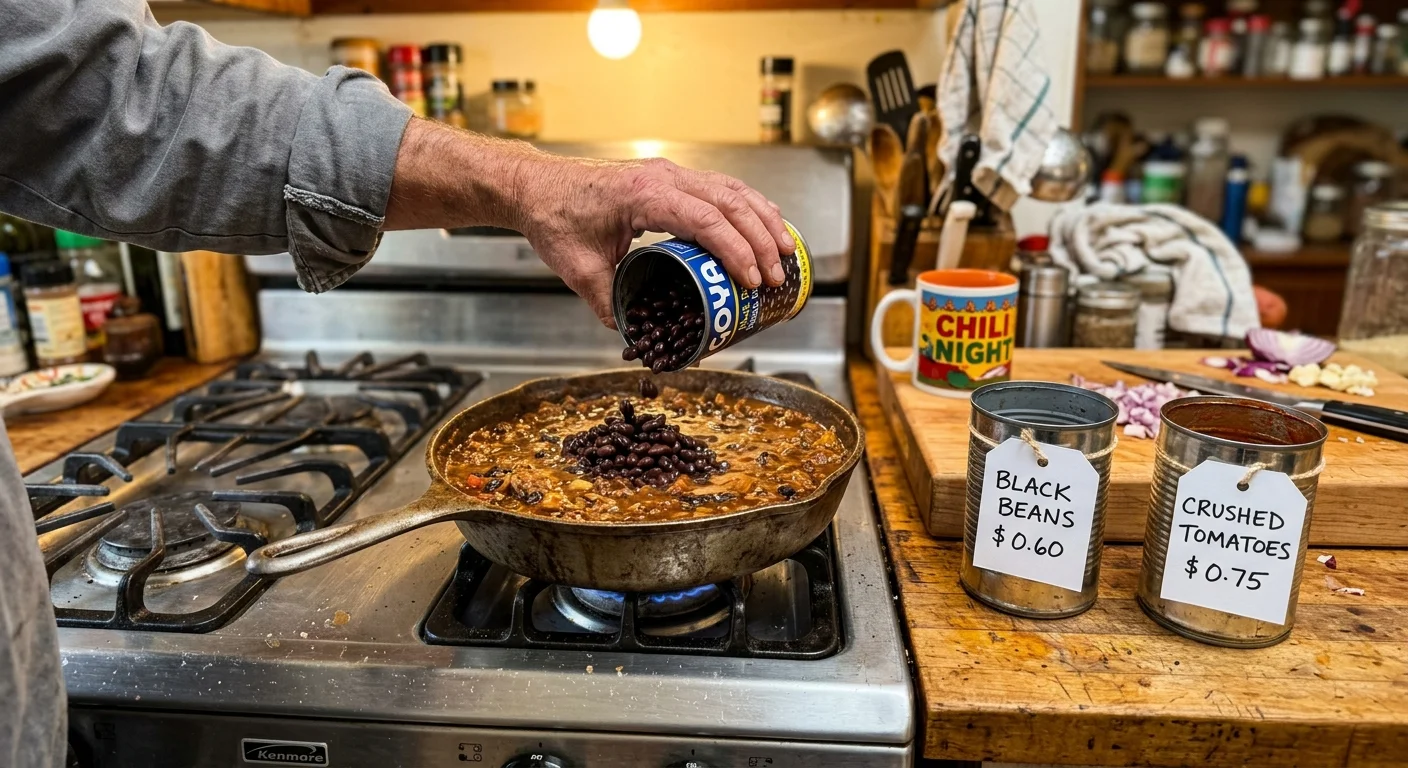
Tip #2: Canned Beans (Black, Kidney, Chickpeas, and Pinto)
Canned beans are a low-acid food powerhouse that every budget-conscious household should keep in high supply. The USDA Food Safety and Inspection Service confirms that low-acid canned goods, including beans, corn, and meats, maintain peak quality for 2 to 5 years under proper storage conditions.
More importantly, the USDA confirms that commercially canned foods with intact seals remain safe to consume indefinitely, regardless of the printed “Best By” date. Those dates reflect manufacturer estimates of peak flavor rather than a safety deadline.
While dried beans cost slightly less per ounce, canned beans save you hours of soaking and boiling, turning a time-consuming chore into an instant heat-and-serve meal base. Canned chickpeas, black beans, and pinto beans easily replace expensive beef or chicken in soups, tacos, and salads.
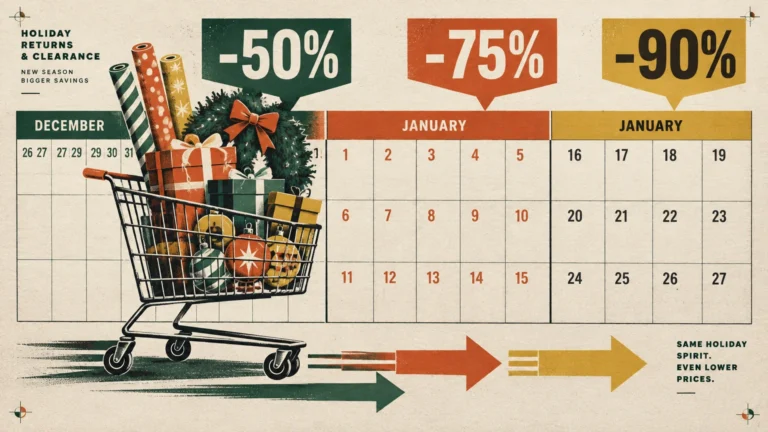
During holiday sales, regional grocery stores routinely offer canned beans for $0.60 to $0.75 per can—roughly half their standard shelf price. Stocking up on canned goods like beans during these promotional windows allows you to build a massive, shelf-stable protein reservoir for pennies on the dollar.
To maximize your savings, keep an eye out for case-lot sales during Hispanic Heritage Month or New Year health promotions. Buying 24-can cases of black beans or kidney beans locks in baseline food costs for years, completely shielding your wallet from broader grocery inflation trends.
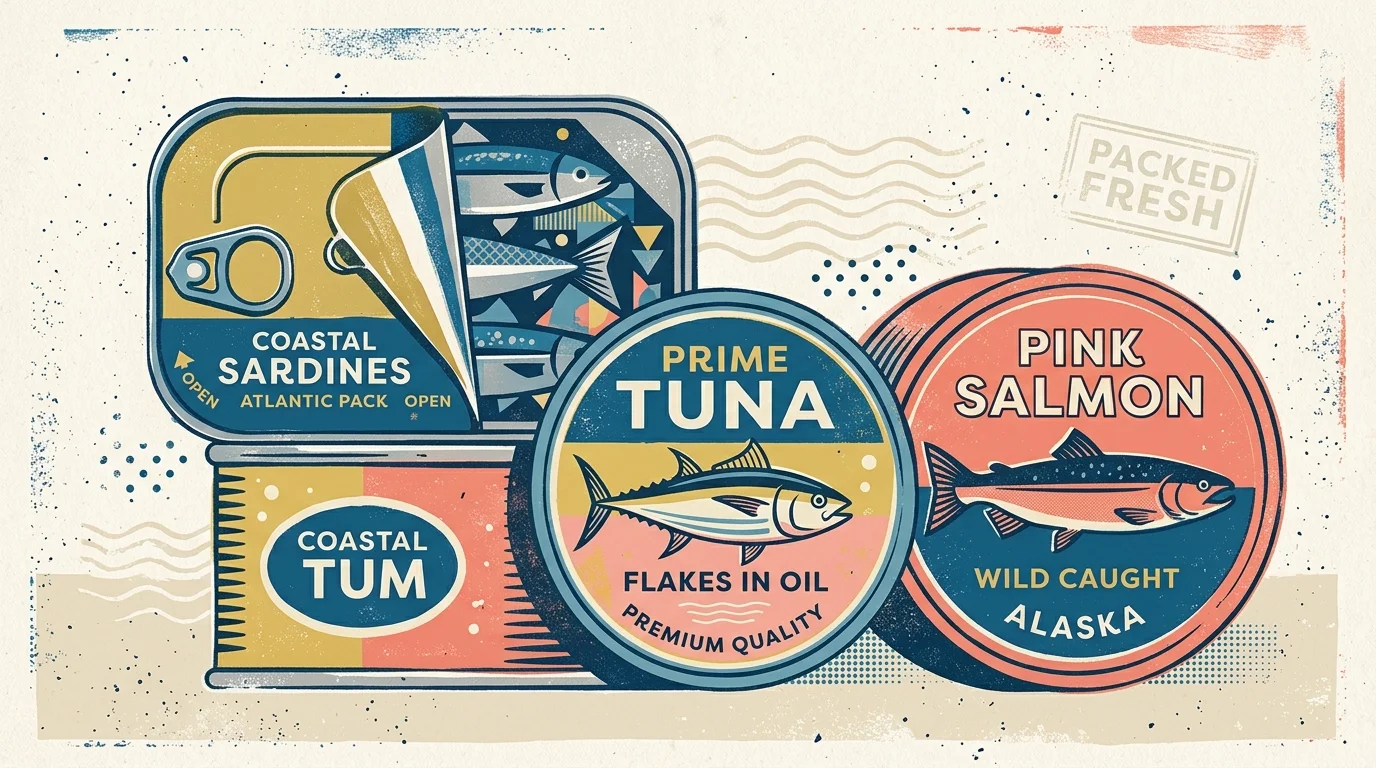
Tip #3: Canned Fish and Seafood (Tuna, Salmon, and Sardines)
Animal protein remains one of the most expensive items on any grocery receipt, making shelf-stable seafood a prime candidate for bulk purchasing. Canned tuna, wild salmon, and sardines deliver dense nutrition, essential omega-3 fatty acids, and high protein without requiring refrigeration.
Because fish falls under the low-acid food category, it retains its optimal quality and flavor profile for 2 to 5 years on your pantry shelf.
Supermarkets frequently run aggressive sales on canned seafood during the Lenten season between February and April, as well as during late-summer back-to-school promotional cycles.
During these windows, standard chunk light tuna often drops from $1.80 down to $0.85 per can, while wild canned salmon can see markdowns of up to 40%.
Savvy shoppers recognize that canned seafood offers a double benefit: it replaces expensive fresh fish at dinner while providing quick, zero-prep lunches for work or school.
Pay close attention to packaging details when buying seafood. Canned sardines packed in olive oil or spring water retain their texture far better over time than those packed in cheap soybean oil.
When you find wild-caught salmon or chunk light tuna at deep discounts, load your cart confidently knowing these best canned foods to stock up on will remain delicious and safe for years.
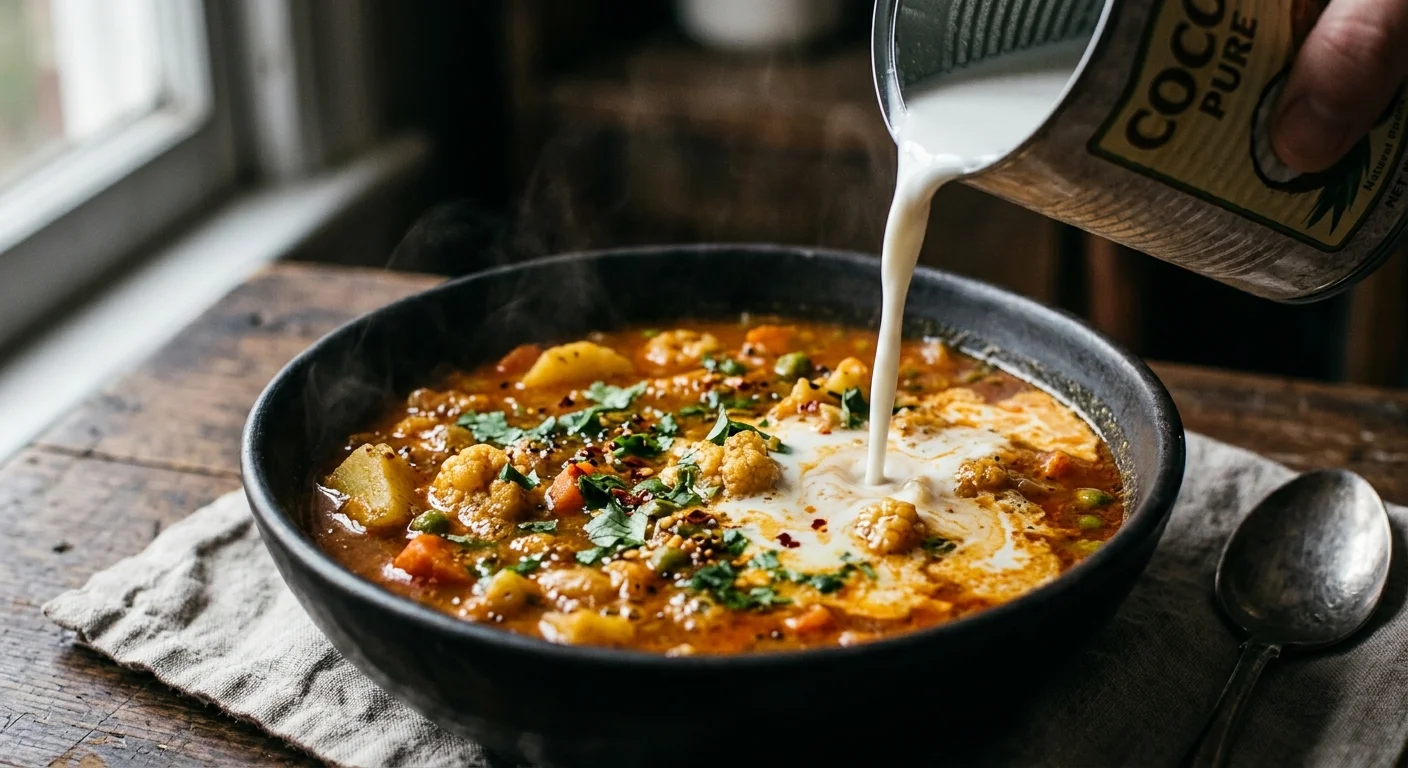
Tip #4: Canned Coconut Milk and Coconut Cream
If you enjoy cooking Asian curries, creamy soups, or dairy-free desserts, canned coconut milk belongs on your short list of pantry staples on sale. Full-fat canned coconut milk provides rich texture and stable fats that do not curdle under high cooking temperatures.
However, full retail prices for quality coconut milk can easily top $3.50 per can in standard grocery aisles, making it an expensive impulse buy.
You can beat these high markdowns by monitoring price drops in international aisles or ethnic grocery markets, where sales frequently cut costs to $1.25 or $1.50 per can. Because coconut milk is a low-acid canned product, unopened cans maintain high quality for 2 to 5 years.
Over prolonged storage, the coconut cream naturally separates from the liquid water inside the can, but a quick shake or gentle heating restores its smooth consistency instantly.
Never buy coconut milk from the health food section without checking international aisle prices first, as retailers routinely mark up identical canned goods in natural food sections.
Buying full cases during Asian American Heritage Month sales or end-of-year holiday promotions guarantees you keep rich, restaurant-quality ingredients in your kitchen without overspending.
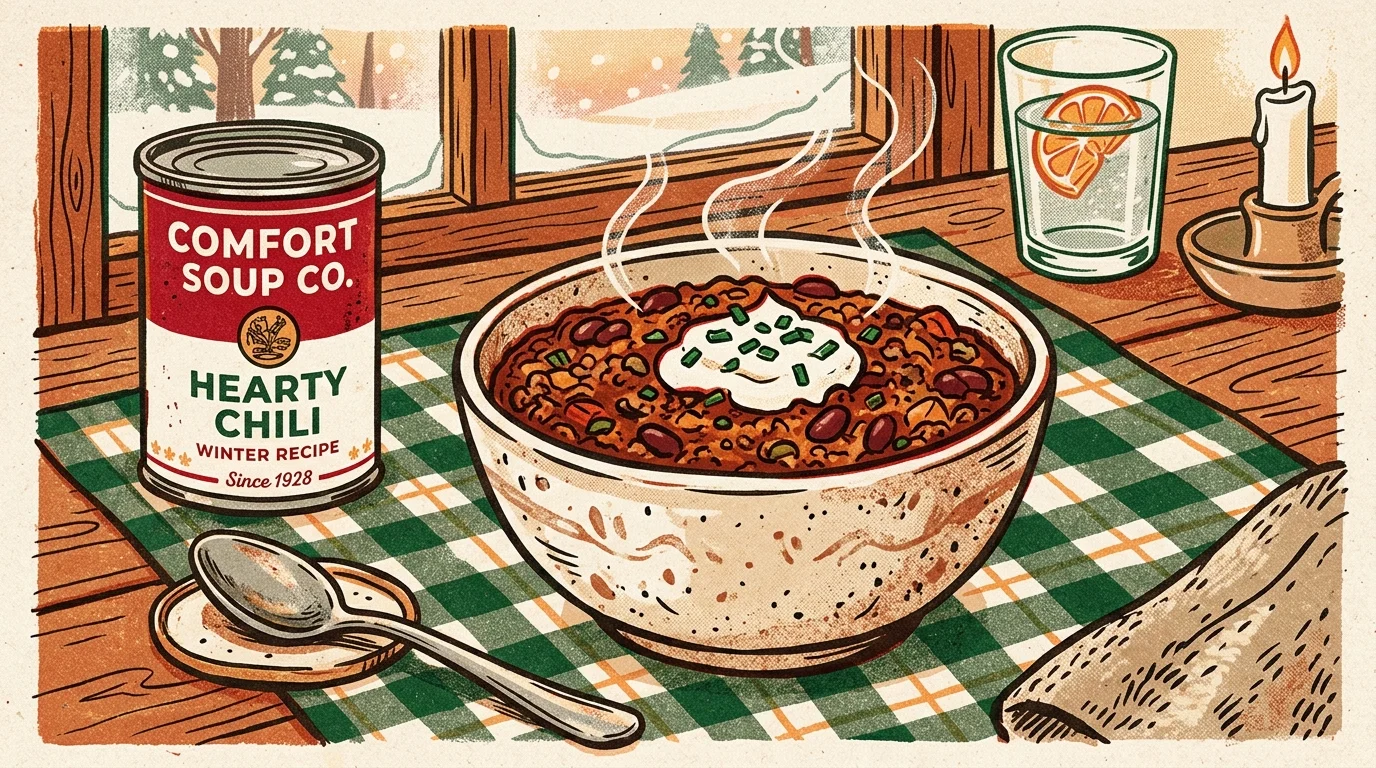
Tip #5: Canned Chili and Hearty Soups
Prepared meals in a can offer unbeatable convenience during hectic workweeks or emergency situations when cooking from scratch is not an option. Premium canned chilis, chunky vegetable beef soups, and chicken noodle soups provide complete meals in minutes.
Because these items are processed as low-acid canned foods, they comfortably retain their taste and nutritional value for 2 to 5 years in your pantry.
Supermarkets frequently use canned soup as a loss leader during the cold winter months from October through January. Retailers cut prices dramatically on brand-name soups to entice shoppers into stores, hoping they will purchase high-margin bakery or deli items at full price.
You can exploit this marketing trick by purchasing full cases of soup at loss-leader prices while completely bypassing the high-markup perimeter items.
With general grocery prices rising 2.7% year-over-year according to the Bureau of Labor Statistics, purchasing a multi-month supply of hearty soups creates an immediate hedge against future inflation.
A stock of quick, satisfying meals prevents costly takeout orders on nights when you feel too tired to cook.
Tip #6: Canned Corn, Green Beans, and Sweet Peas
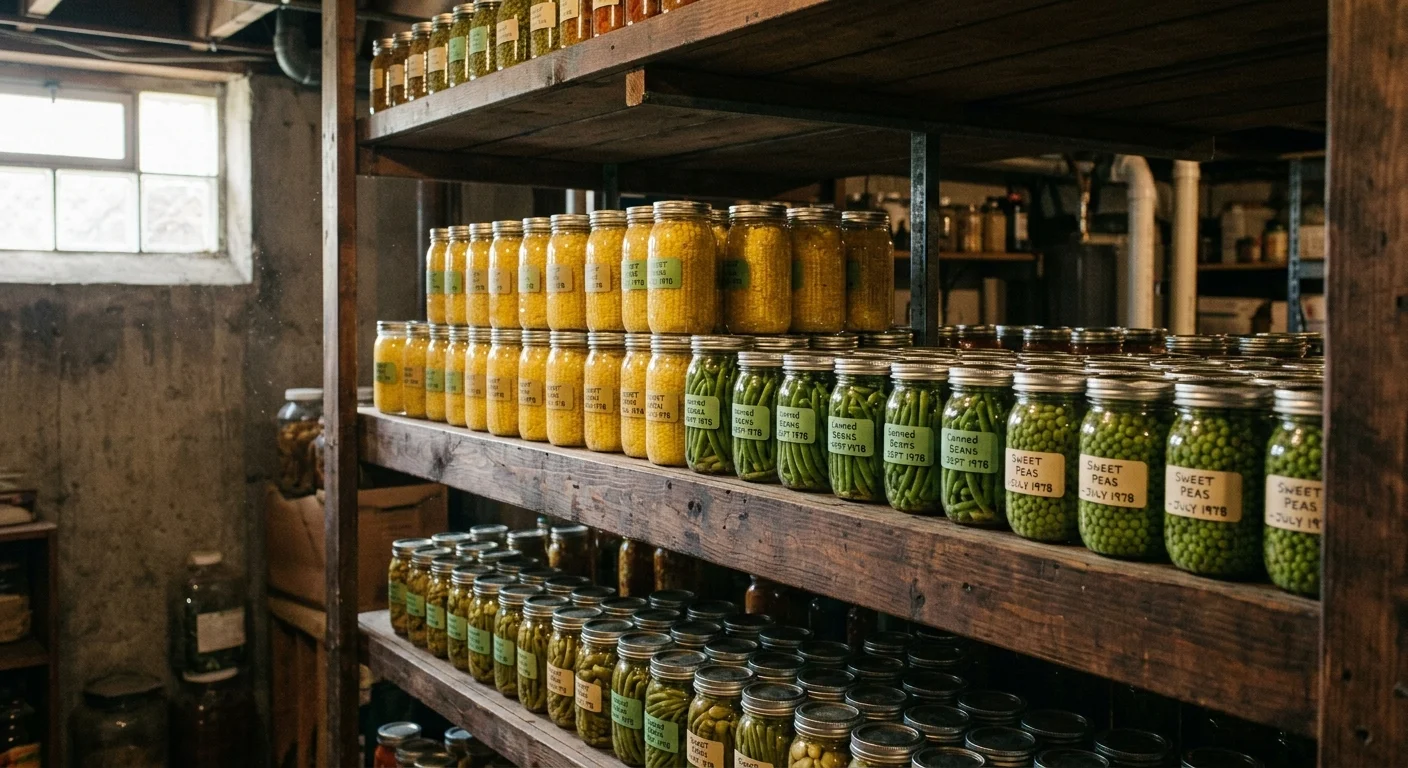
Canned vegetables often receive an unfair reputation regarding nutritional value, but modern food processing has eliminated old quality drawbacks. Commercial canners seal vegetables within hours of harvesting, locking in vitamins and minerals at their peak.
Furthermore, a common historical concern involved lead exposure, but the U.S. Food and Drug Administration issued a final rule in 1995 banning lead solder in all domestic and imported food cans. Modern canned vegetables are entirely safe, clean, and nutritious.
Canned corn, green beans, and sweet peas are low-acid foods that last 2 to 5 years on the shelf. While fresh produce prices swing wildly based on seasonality and freight costs, canned vegetables offer total price stability.
Supermarket chains run massive case-lot sales every autumn, allowing consumers to purchase 12-can or 24-can flats for as little as $0.50 to $0.65 per unit.
Understanding canned food shopping tips allows you to plan your vegetable supply around these seasonal harvest sales. Buying a year’s supply of sweet corn and green beans in September keeps your dinner plates colorful and healthy without stretching your weekly food allowance.
Tip #7: Canned Pure Pumpkin Puree
Pure canned pumpkin—not spiced pumpkin pie mix—is one of the most underrated pantry staples available. It serves as a fiber-dense addition to oatmeal, smooth winter soups, chili, and healthy baked goods.
Pumpkin puree also serves as an exceptional natural digestive supplement for dogs and cats, saving pet owners expensive trips to the specialty pet store.
Pumpkin experiences extreme price volatility due to seasonal demand. Supermarkets stock deep inventory during October and November, but prices double or triple during spring and summer when stock thins out.
Following Thanksgiving, grocery retailers routinely slash remaining pumpkin inventory by 50% to 70% to clear shelf space for winter merchandise.
Because canned pumpkin is a moderate-to-high acid food product, it maintains prime quality for 12 to 18 months. Purchasing six to twelve cans during late November clearance sales covers your baking, cooking, and pet care needs for an entire year at pennies on the dollar.
Tip #8: Canned Poultry and Meats (Chicken Breast, Roast Beef, and Pork)
Canned meats like chunk white chicken breast, tender roast beef, and pork sausage represent the ultimate high-value emergency protein foundation. Fresh chicken breast and beef prices fluctuate unpredictably due to feed costs and supply chain bottlenecks, but canned meats lock in predictable costs.
As low-acid foods, canned poultry and meats maintain peak quality for 2 to 5 years when stored away from direct heat.
Grocery stores run major promotions on canned meats during late spring and early summer to target camping enthusiasts and outdoor tailgaters.
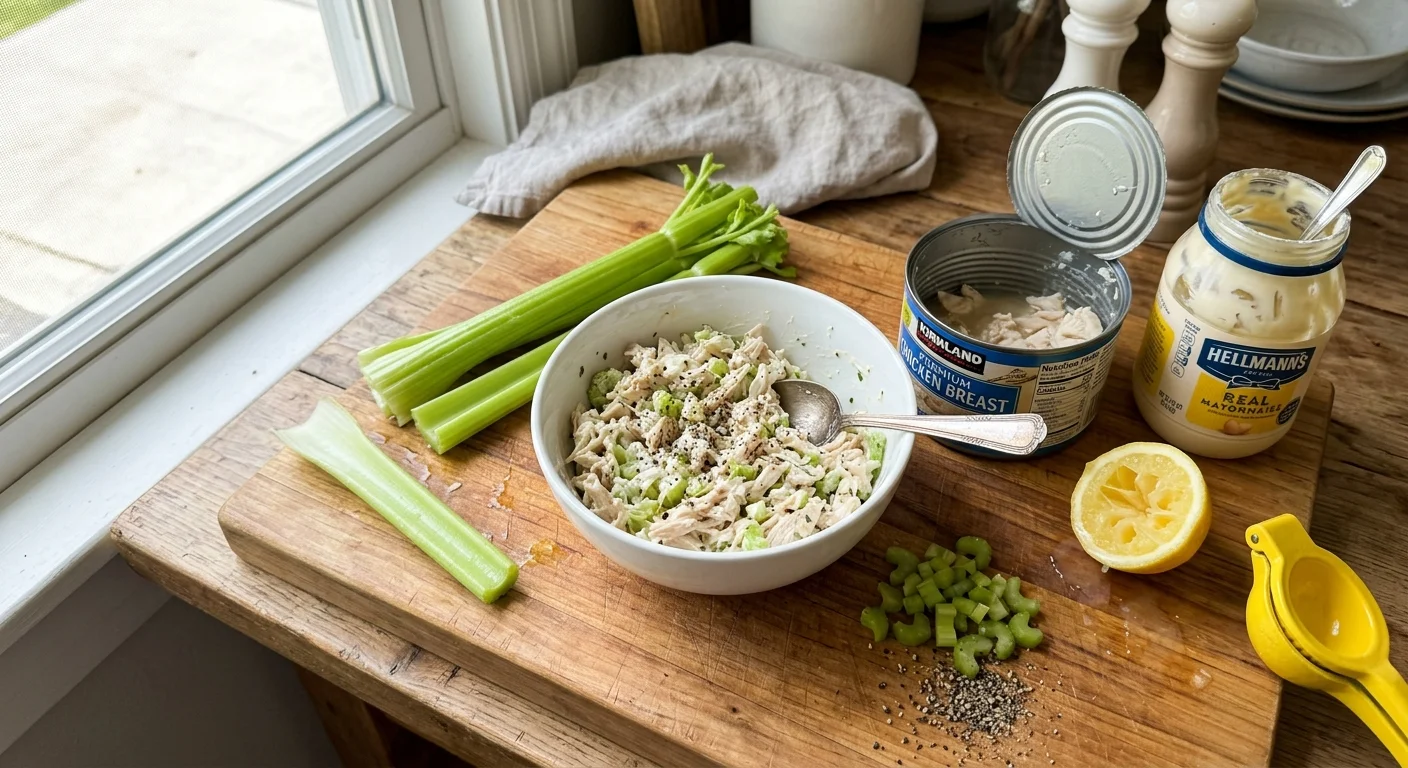
Buying canned chicken breast on sale yields cooked, shredded chicken that is ready to drop into chicken salad, enchiladas, casseroles, or tacos without any raw meat prep or clean-up.
When assessing price per ounce, canned meats on sale often rival or beat fresh meat prices once you factor in the lack of water loss, bone weight, or cooking shrinkage.
Storing a mix of canned chicken and beef ensures your family maintains access to solid protein during power outages or tight financial weeks.
The Bottom Line: What This Means for Your Wallet
Building an intentional pantry is not about hoarding food out of fear; it is a clear-headed financial strategy designed to beat food inflation and maximize household efficiency.
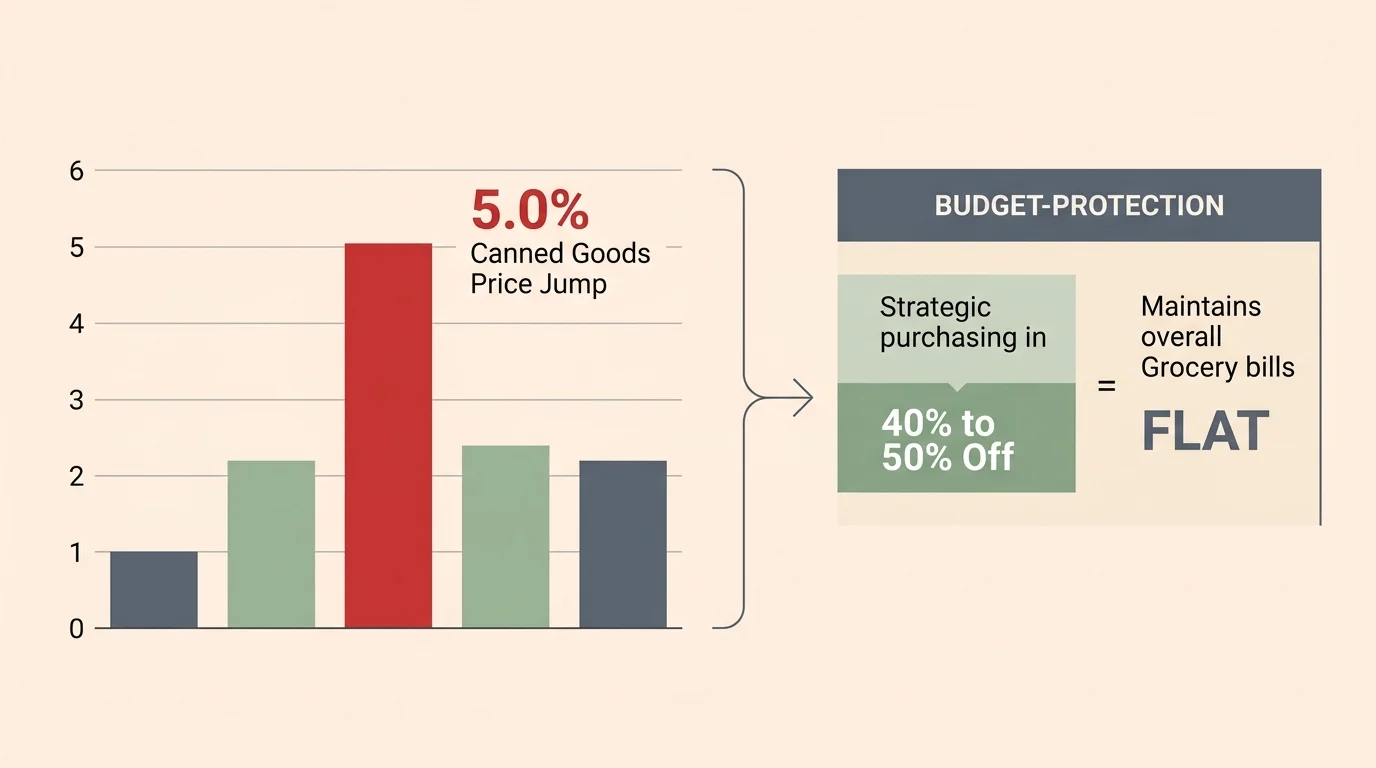
With canned fruit and vegetable prices rising 5.0% year-over-year, leaving your grocery purchasing to weekly impulse buying guarantees you pay top dollar for basic necessities.
By learning store sales cycles and identifying canned goods worth stockpiling, you transform your pantry into a personal home supermarket that supplies your kitchen at rock-bottom prices.
Understanding food safety rules gives you a decisive advantage over average shoppers. Recognizing that USDA guidelines confirm low-acid canned goods stay high-quality for 2 to 5 years—and safe indefinitely when seals remain intact—empowers you to buy in bulk without fear of waste.
Printed “Best By” dates reflect peak flavor quality rather than expiration, meaning proper storage in a cool, dry place preserves your investment for years.
Start small by tracking sale cycles at your local grocery stores. Pick two or three staples from this list during their next deep-discount promotion, buy them by the case, and rotate your stock naturally as you cook.
Over a single year, this disciplined approach keeps hundreds of dollars in your bank account while providing unmatched security for your household budget.
For consumer protection information, visit the Federal Trade Commission (FTC) and the Consumer Financial Protection Bureau (CFPB). For product safety and reviews, consult Consumer Reports.
Frequently Asked Questions
How long can you safely store canned goods past their printed date?
According to the USDA Food Safety and Inspection Service, commercially canned foods with intact seals remain safe to eat indefinitely. Printed dates like “Best By” or “Best Before” indicate manufacturer estimates of peak quality, not food safety limits.
Low-acid foods like canned beans, meats, and vegetables maintain top quality for 2 to 5 years, while high-acid foods like canned tomatoes and fruits maintain peak quality for 12 to 18 months when stored in a cool, dark place.
Is it safe to consume food from a dented or bulging can?
You should never eat food from a bulging, swollen, rusty, or severely dented can. Swollen or bulging cans indicate gas buildup from bacterial contamination, such as botulism, which can be fatal.
Small, superficial dents on the side of a can that do not affect the seams are generally safe, but deep dents that pinch the seam or penetrate the outer metal shell compromise the seal and require discarding.
How do you organize a large stockpile of canned goods to avoid waste?
The most effective strategy is the First In, First Out (FIFO) method. When you return home from a sale, place newer cans behind the older cans on your pantry shelves.
This simple rotation system ensures you consume older inventory first while maintaining optimal flavor across your entire stockpile. Labelling shelves by category also prevents accidental double-purchasing of items you already have in stock.
Are canned vegetables less healthy than fresh vegetables?
Canned vegetables are remarkably healthy and often rival or exceed the nutritional value of fresh produce sold in supermarkets. Canners process vegetables within hours of harvesting, which locks in vitamins, minerals, and antioxidants at peak freshness.
In contrast, fresh produce often spends days or weeks in transit and storage, losing nutrients along the way. To control sodium intake, select low-sodium canned options or rinse canned vegetables under cold water before cooking.
Disclaimer: This article is for informational purposes only and does not constitute financial advice. The content reflects the author’s opinion and research at the time of writing.
Always do your own research before making financial decisions.