
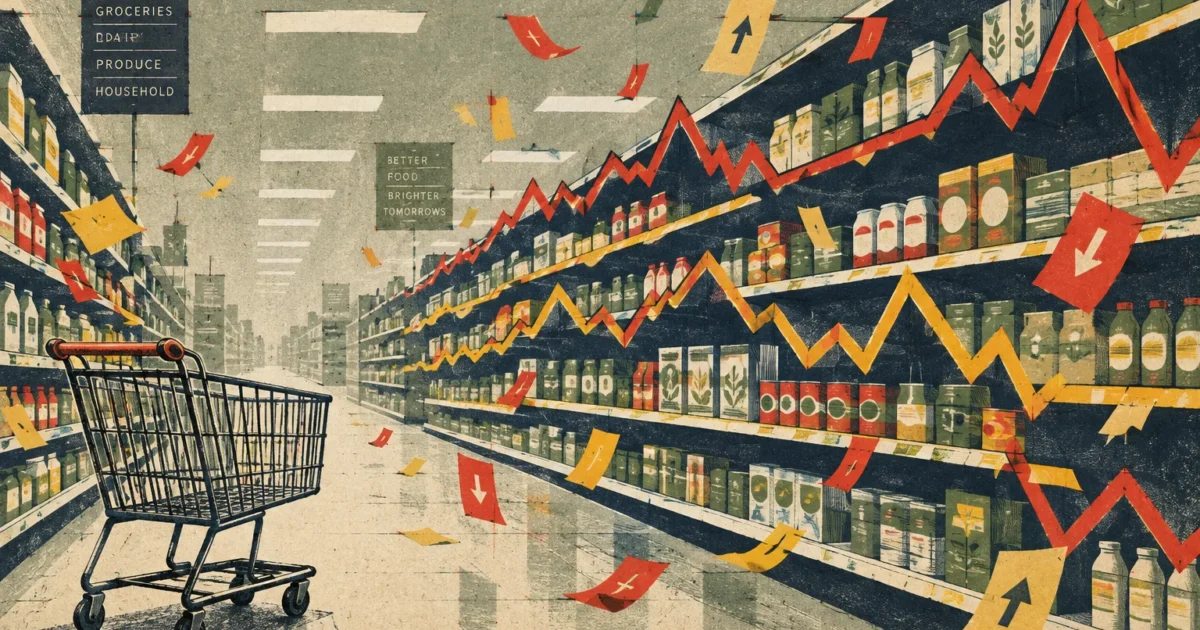
Walking through grocery aisles feels different today because sticker shock hits your cart before you reach the register. Retailers constantly adjust prices behind the scenes to protect their margins against shifting wholesale costs.
Grocery store price changes no longer happen just once a month on quiet evenings. Automated systems and supply shocks trigger rapid swings across specific retail price volatility sections every single week.
You can beat the system once you master these grocery pricing patterns. Learn where prices change most so you can time your trips and keep cash in your pocket.
Tip #1: The Fresh Meat and Poultry Counter
The meat department exhibits some of the sharpest retail price swings in the entire building. Grocers react immediately to volatile livestock supply chains, feed grain costs, and regional processing shifts.
Prolonged droughts forced ranchers to contract the domestic cattle herd to its smallest size in decades. Because supplies dwindled, retail ground beef recently surged to record highs between $6.30 and $7.15 per pound.
Boneless chicken breasts and pork loins jump between premium list prices and steep loss-leader discounts. Retailers slash poultry prices every few weeks to get your foot inside the front door.
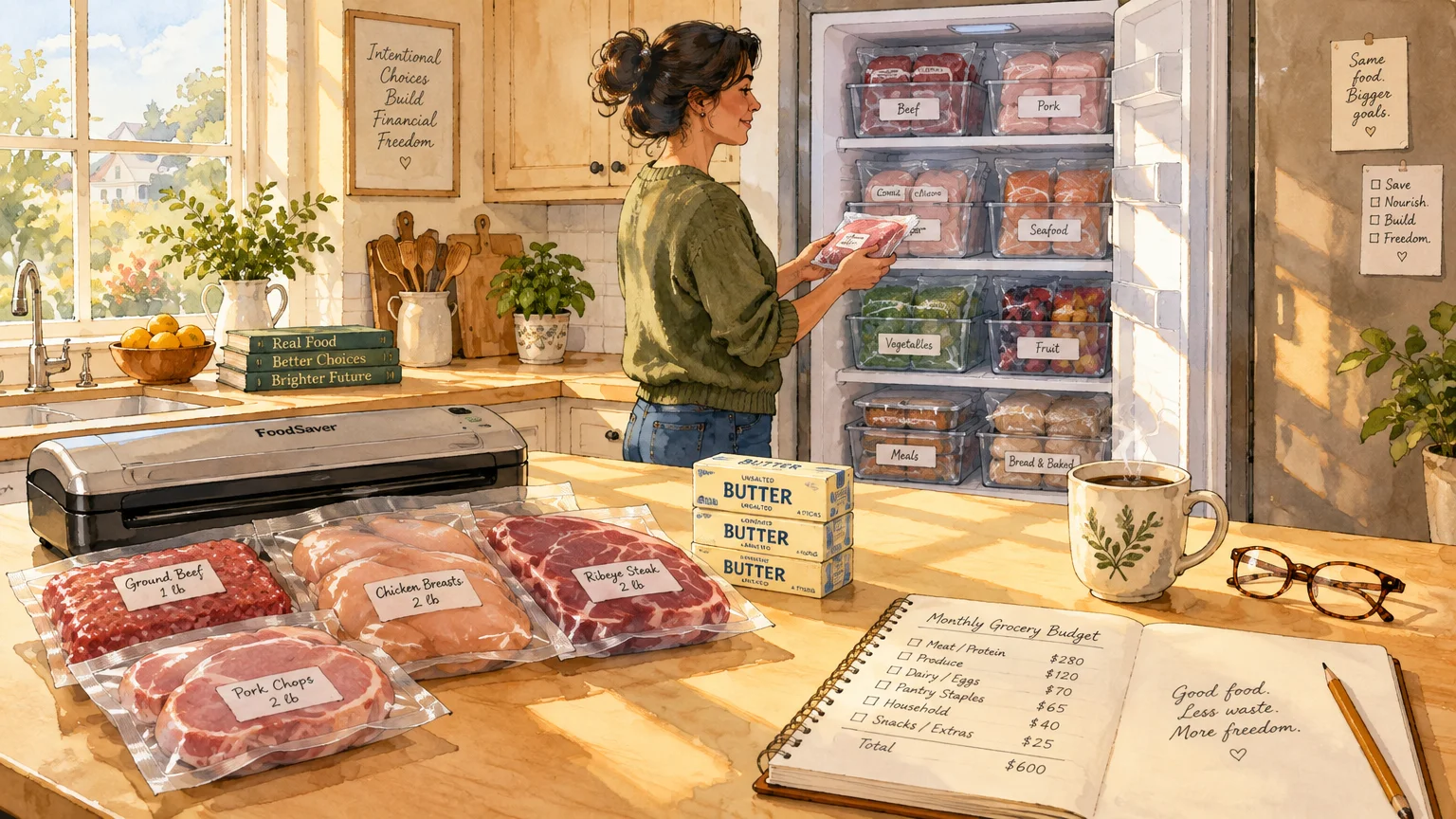
You can defeat these store sections with price fluctuations by watching wholesale cycles closely. Buy extra primal cuts or family packs when promotional sales peak, then portion and freeze them immediately.
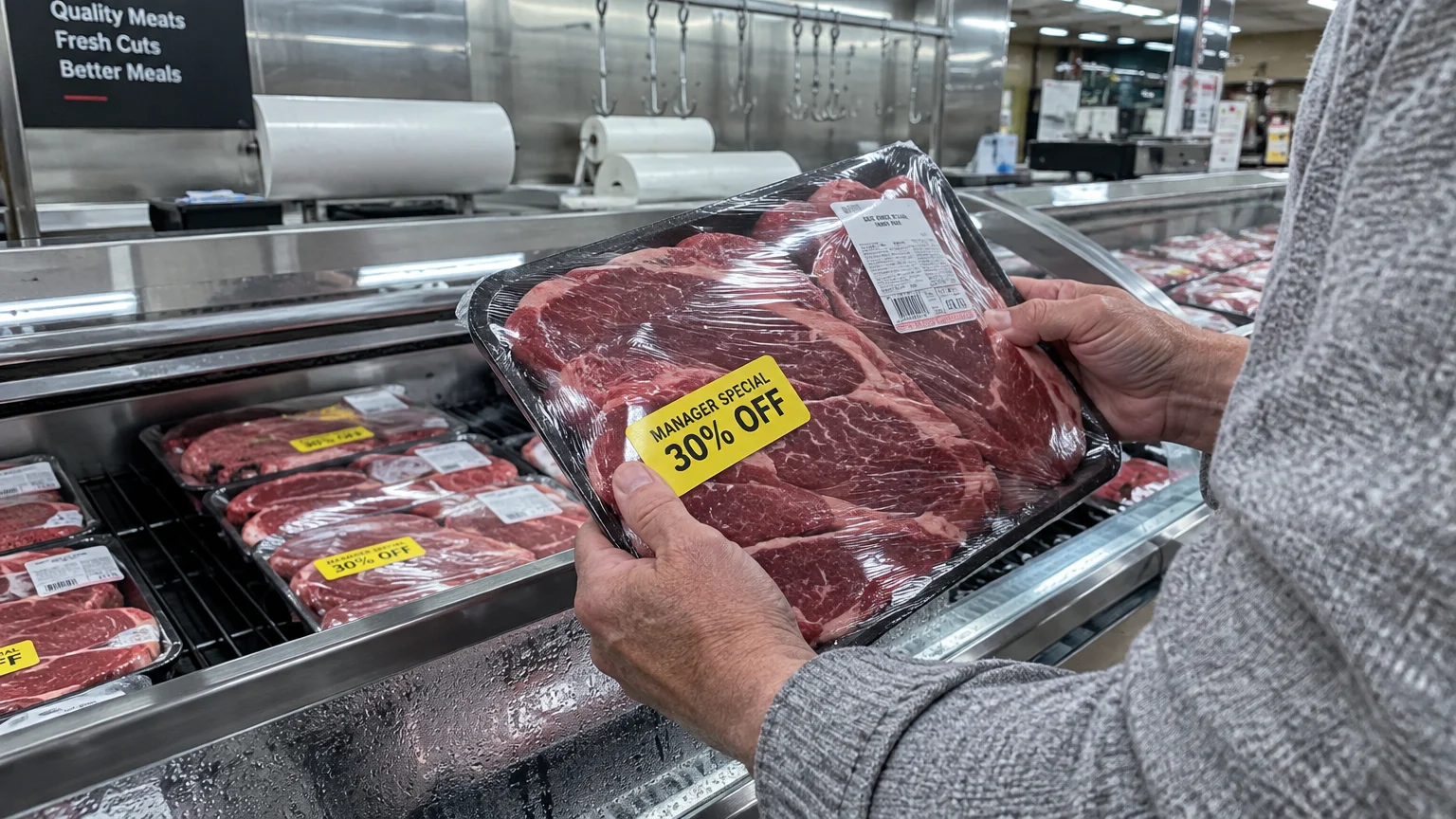
Ask the butcher counter manager when they stamp yellow clearance stickers on expiring packages. Scoring these markdowns can instantly save you 30% to 50% on tonight’s dinner.
Meat managers must balance inventory before cut steaks turn brown under fluorescent showcase lighting. Their urgency to move perishable inventory creates massive discount opportunities for vigilant shoppers.
Investing in an inexpensive vacuum sealer helps you maximize these meat sales. Vacuum-sealed beef and poultry stay fresh in your deep freezer for up to two years without freezer burn.
Tip #2: The Dairy and Egg Case
Few kitchen staples experience price whiplash as violently as the dairy and egg refrigerator case. Disease outbreaks and national milk marketing orders cause retail prices to shift without warning.
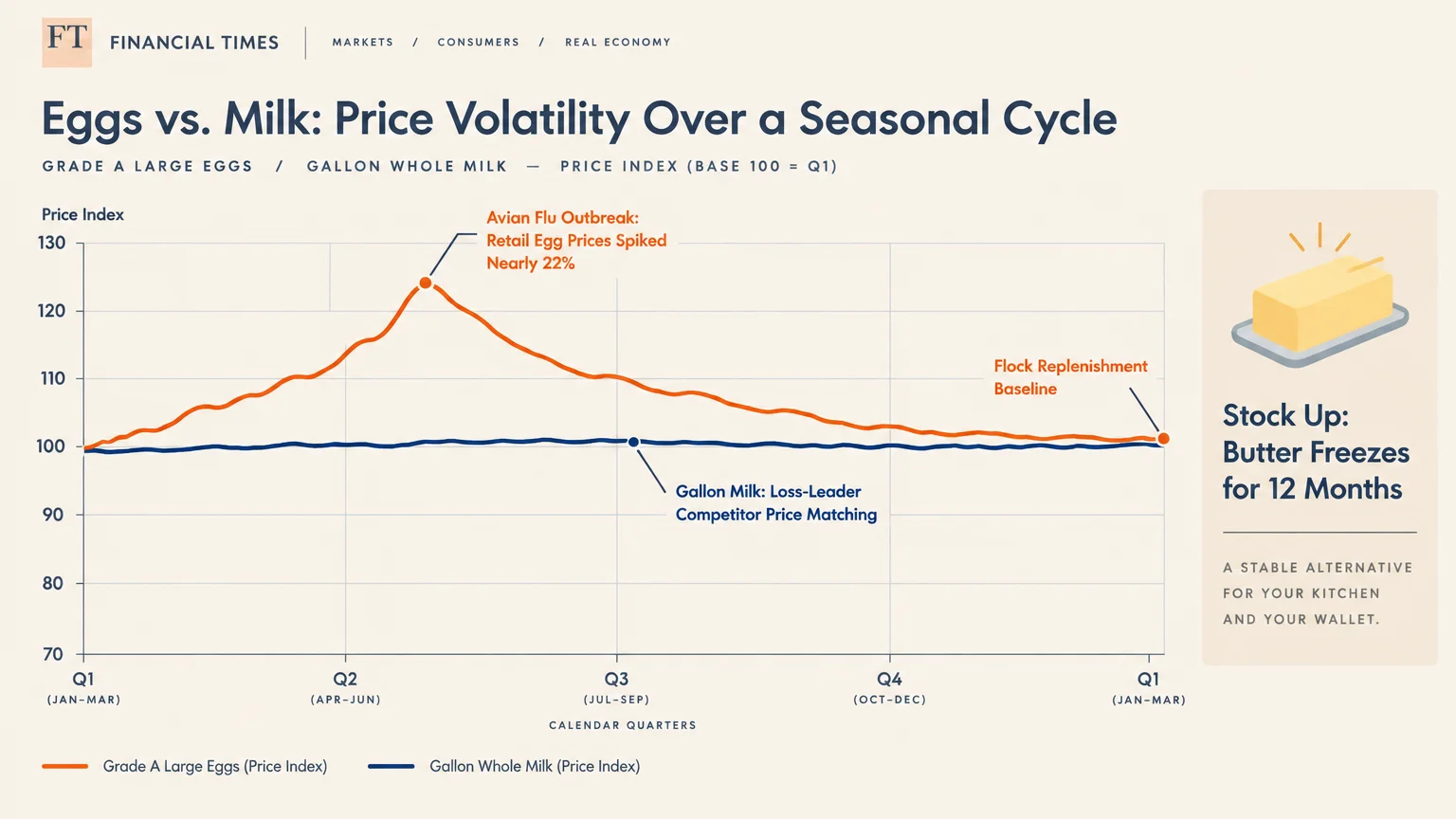
Recurring outbreaks of Highly Pathogenic Avian Influenza periodically decimate commercial egg-laying flocks. Bureau of Labor Statistics data revealed retail egg prices spiked nearly 22% year-over-year following sudden flock culls.
Once commercial farmers replenish their laying flocks, egg prices fall just as rapidly back to baseline levels. These dramatic boom-and-bust cycles make eggs one of the most volatile items in the store.
Meanwhile, butter prices swing based on seasonal holiday baking demand and commercial milk fat supplies. Fluid milk prices also experience constant adjustments as grocers fight local competitors for market share.
Supermarkets aggressively discount gallon milk jugs to match nearby big-box stores. Because milk is an essential staple, stores accept thin margins to keep you from shopping elsewhere.
You can track local carton prices and stock up on butter when it dips during off-peak seasons. Salted and unsalted butter freezes perfectly for up to twelve months without losing flavor.
Check expiration dates on organic dairy products as well. Organic milk undergoes ultra-high temperature processing, giving it a much longer shelf life than conventional varieties.
Tip #3: The Fresh Produce Department
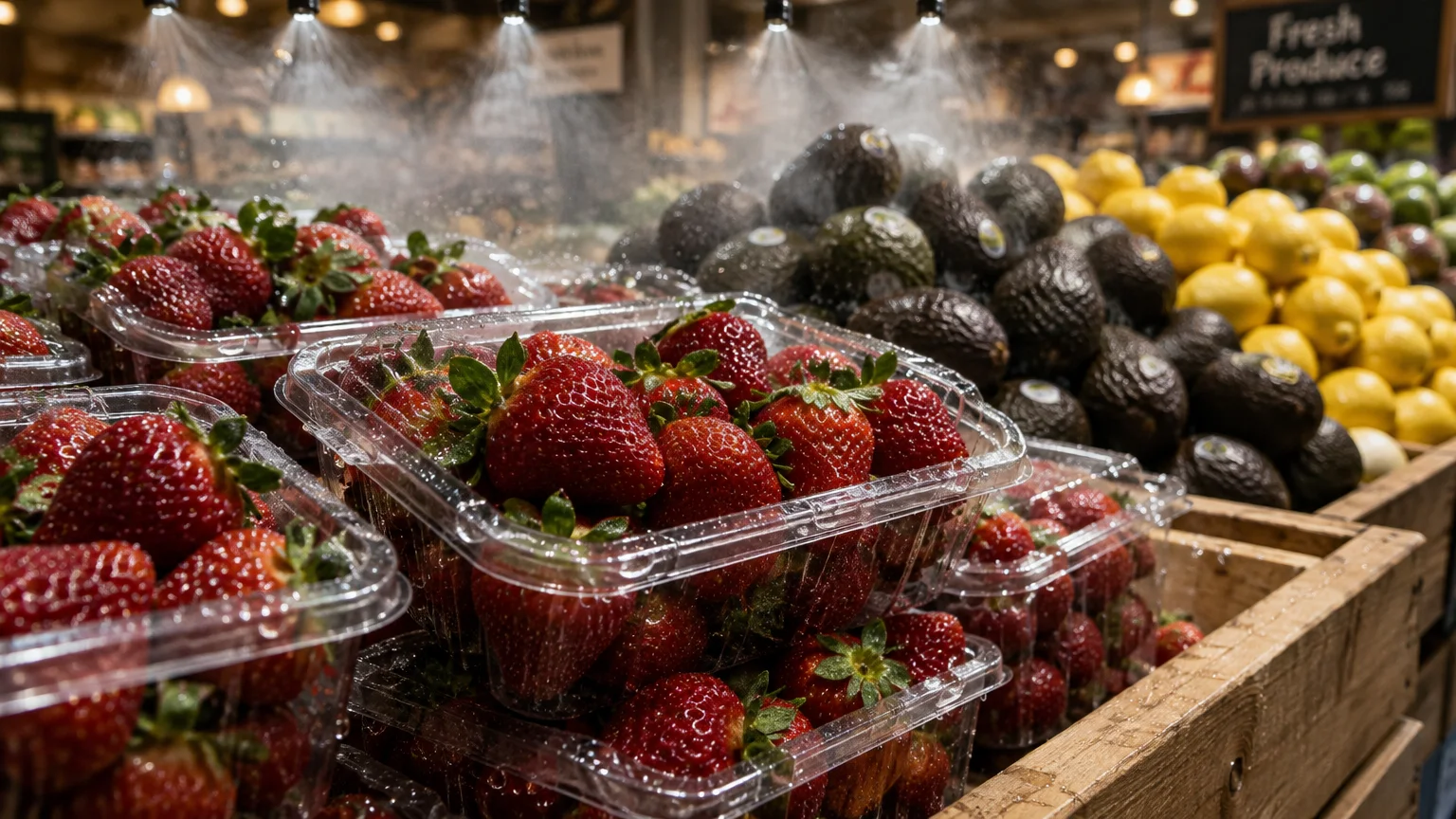
Fresh produce sits at the mercy of unpredictable weather, diesel fuel surcharges, and extreme spoilage risks. A sudden frost in California or Mexico can double strawberry prices within forty-eight hours.
Supermarket produce managers recalculate prices constantly based on harvest yields and freight rates. When berries or avocados flood the market, retail prices collapse to move inventory before rot sets in.
Conversely, winter freezes or freight disruptions trigger immediate price spikes at retail checkouts. Store managers must offset transportation expenses before delicate fruits spoil under store misting systems.
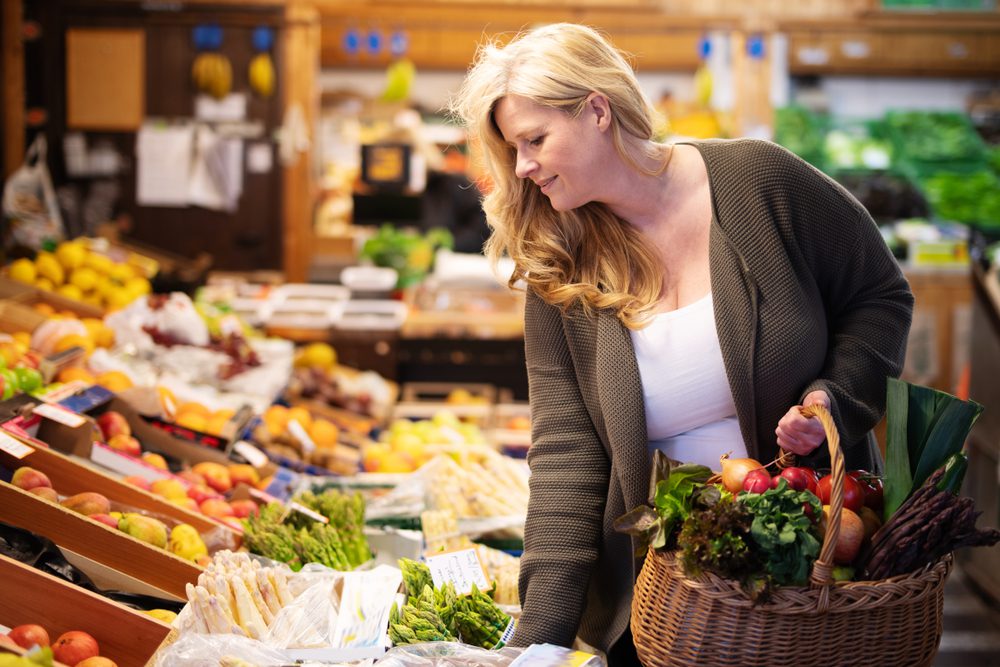
You can navigate grocery pricing patterns here by aligning your meals strictly with regional harvest calendars. Buying out-of-season asparagus in December always costs double what you pay during peak spring harvesting.
Always inspect discount produce racks tucked into quiet corners of the department. Grocers regularly bundle bruised apples, spotted bananas, and ripe peppers into dollar bags for quick sale.
You can turn ripe discount bananas into baked bread or freeze them for morning smoothies. Bell peppers can be chopped and frozen for skillet meals without losing taste.
Pay close attention to unit pricing on packaged greens versus loose heads of lettuce. Pre-washed salad kits fluctuate dramatically depending on regional processing output and supplier promotions.
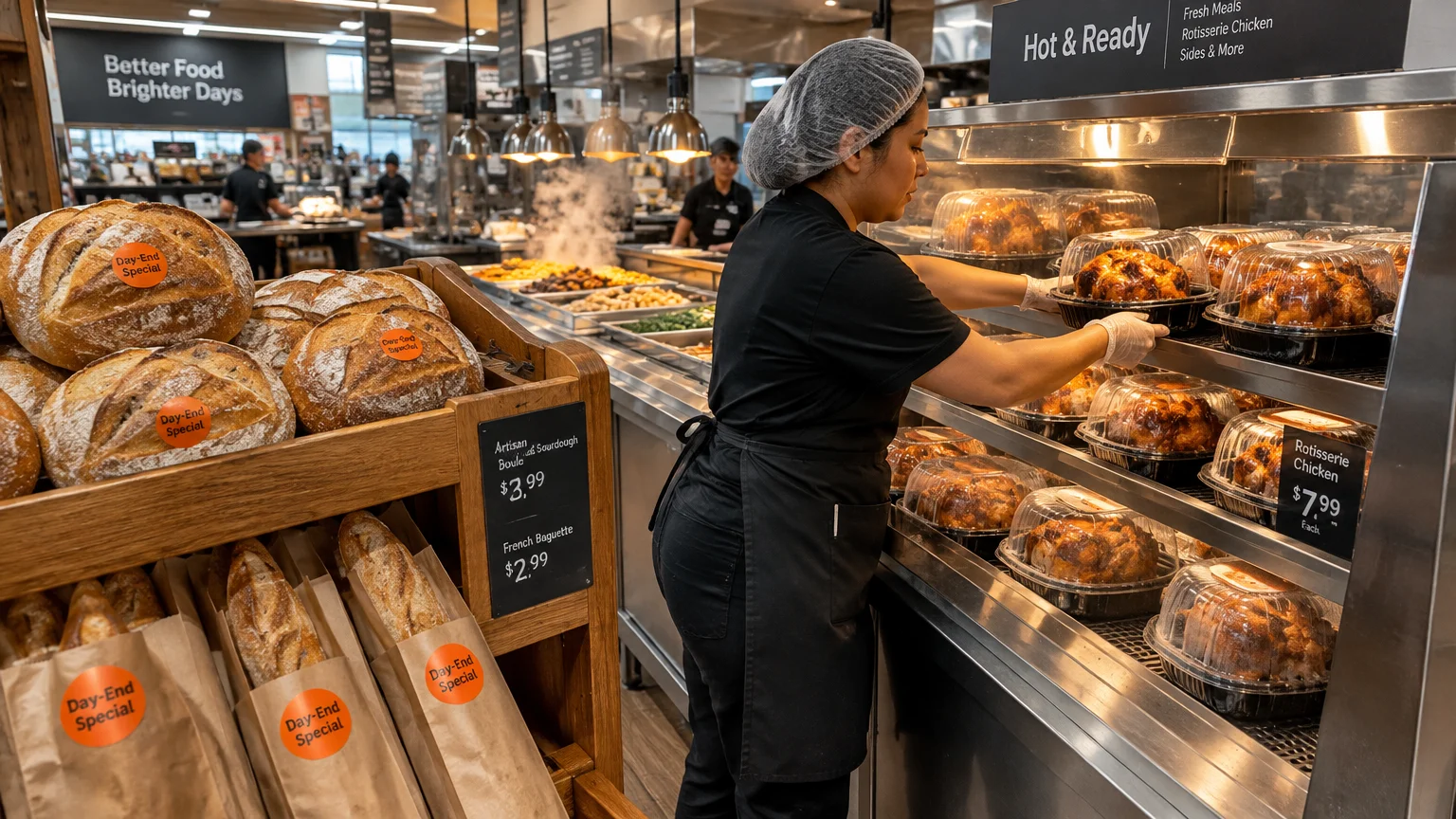
Tip #4: The In-Store Bakery and Prepared Foods Deli
Prepared foods and bakery goods carry some of the highest profit markups in the supermarket. Because these items spoil rapidly, stores adjust prices on daily schedules to avoid total inventory loss.
Most commercial supermarkets use tiered Manager’s Special markdowns ranging between 30% and 50% off original stickers. Staff routinely evaluate artisan breads, rotisserie chickens, and packaged deli salads within twenty-four hours of expiration.
Stores reprice these items on strict daily timetables. Workers typically slap red or yellow discount stickers on products early in the morning before 9:00 AM or after 6:00 PM.
Timing your shopping trips around these scheduled daily markdowns saves you substantial money on convenient meals. A gourmet roasted chicken marked down 40% delivers a healthy dinner for less than fast food.
Eat these items promptly or transfer bakery goods straight into your home freezer. Artisan sourdough loaves and fresh bagels retain their crusty texture when sliced and toasted from frozen.
Deli sandwich meats and gourmet cheeses also see regular price adjustments based on block turnover. Watch for discount bins containing odd-weight cheese ends cut from premium deli wheels.
These cheese scrap packages offer identical gourmet quality at a steep discount. They melt beautifully into homemade pasta sauces, casseroles, or weekend omelets.
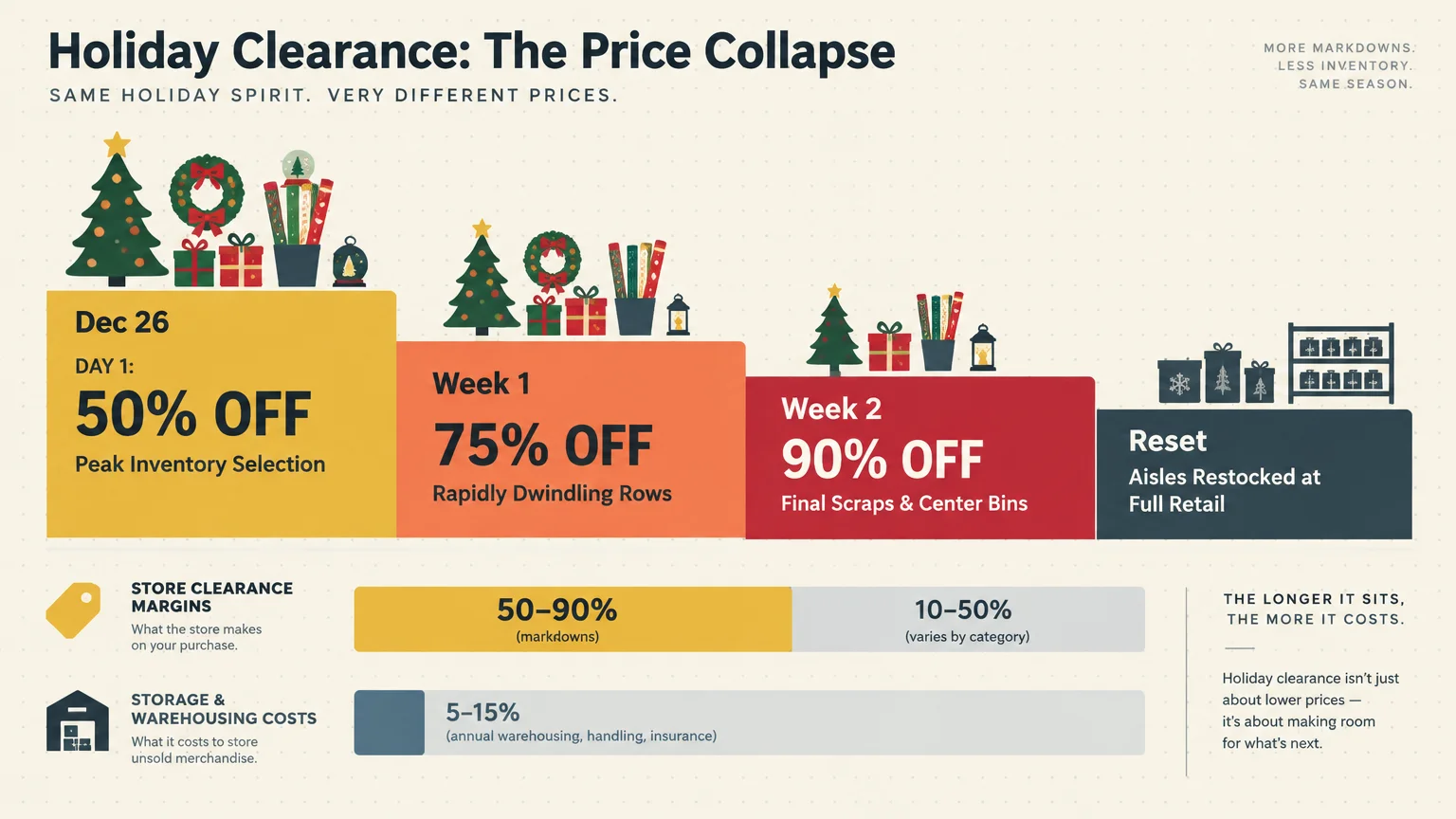
Tip #5: The Seasonal and Holiday Clearance Aisle
Retailers cannot afford dead inventory sitting in seasonal aisles once holidays pass. The moment an event ends, automated clearance algorithms trigger aggressive retail price volatility sections across these aisles.
Standard industry practice institutes steep 50% price cuts the morning after major holidays. If you shop on November 1 or December 26, you will find massive discounts instantly applied.
Prices continue dropping according to calculated retail formulas. Stores increase discounts to 70% within seven to ten days, bottoming out at 90% clearance after two weeks.
Grocers must clear shelf space rapidly to make room for incoming seasonal inventory. They gladly sacrifice profit margins on holiday candy, wrapping paper, and themed cookware just to regain valuable floor space.
You should exploit this predictable timeline to buy household essentials in bulk. Seasonal paper towels, holiday baking spices, and storage bins cost pennies on the dollar during late-stage clearance waves.
Look beyond holiday themes when browsing these deeply discounted clearance shelves. Standard everyday items like dish soap, storage containers, and kitchen utensils often hide in seasonal packaging.
Purchasing a year’s supply of discounted foil or baking pans during January clearance saves dozens of dollars. Simply stash them in a closet until you need them.
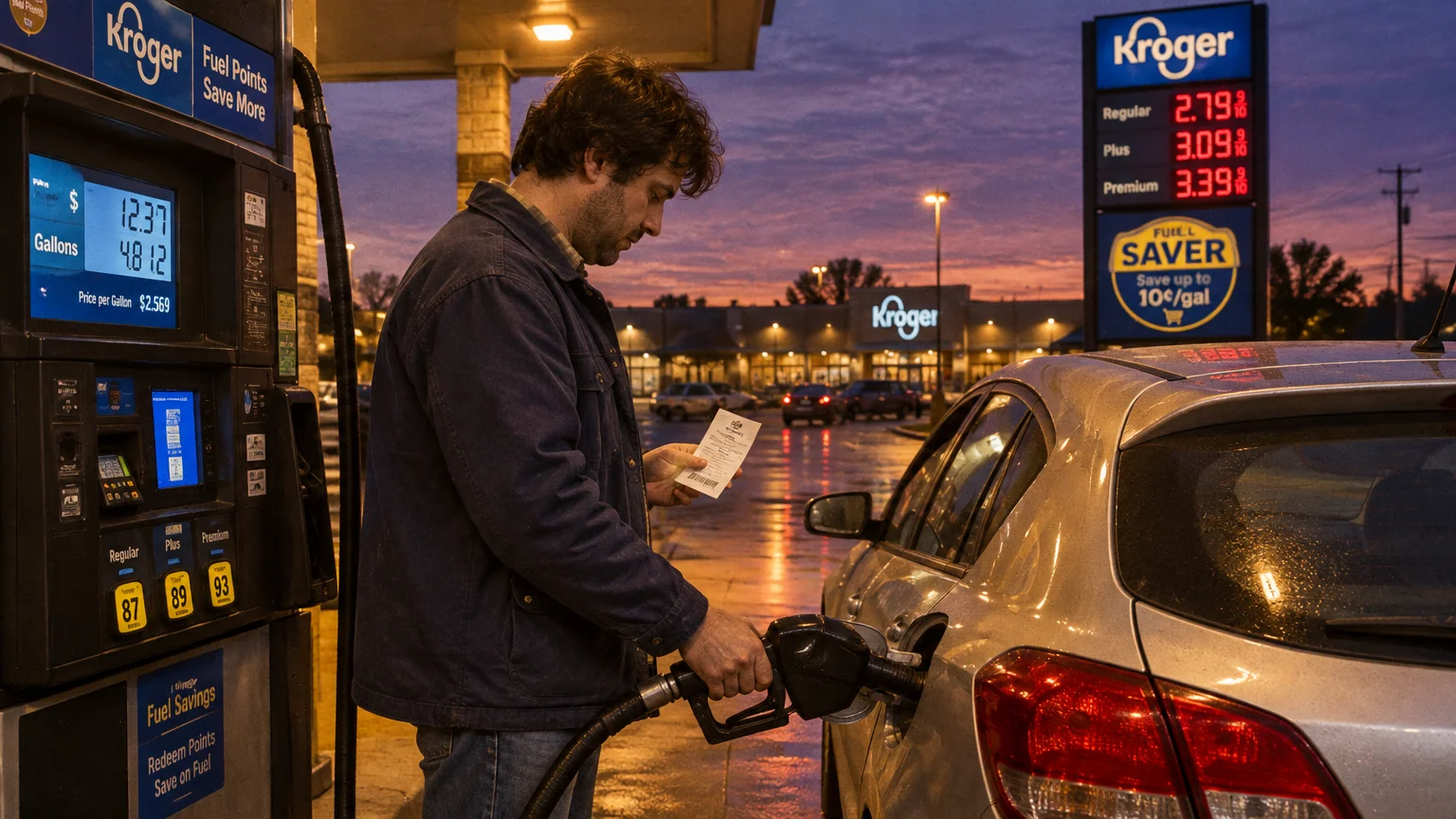
Tip #6: Store-Affiliated Fuel Stations
Hypermarket fuel pumps at warehouse clubs and grocery chains alter prices faster than any grocery aisle. Many store-affiliated stations update pump prices daily or even multiple times throughout a single afternoon.
Wholesale rack prices and global oil futures dictate these relentless price swings. Because warehouse clubs like Costco and Sam’s Club keep margins razor-thin, wholesale shifts demand rapid retail repricing.
Club stations regularly price their fuel 10 to 30 cents below standard corner stations. When wholesale crude markets tumble, these hypermarkets lower pump prices first to drive customer loyalty.
You can maximize your savings by coordinating fuel stops with supermarket loyalty point cycles. Major chains like Kroger allow shoppers to redeem grocery points for up to one dollar off per gallon.
Download the store app to check live pump prices before you leave home. Filling your tank on early Tuesday mornings often captures lower prices before weekend travel demand drives rates up.
Pairing fuel rewards with double-point grocery promotions creates compounding savings. Buying regular household gift cards during store promotions can unlock maximum fuel discounts on your next fill-up.
Always scan your loyalty card or barcode before pumping fuel to secure member discounts. Over a single year, these pump savings easily add hundreds of dollars back into your budget.
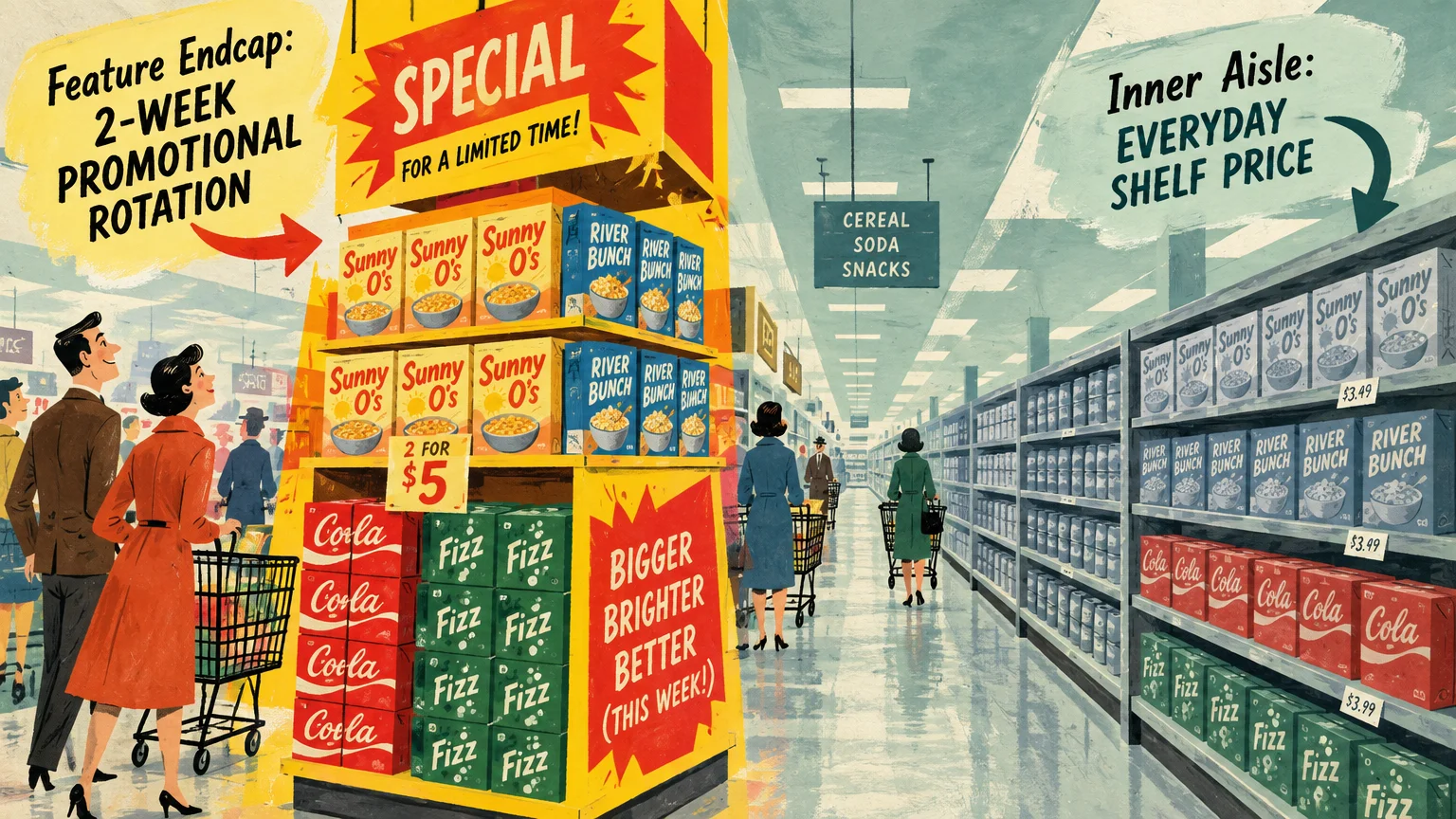
Tip #7: Center-Store Endcaps and Feature Displays
Prominent endcaps at the front and back of grocery aisles rotate on relentless promotional schedules. These displays represent the primary battleground for weekly grocery store price changes across major retail brands.
Supermarket chains like Kroger, Albertsons, and Publix operate on strict seven-day promotional turns. Base prices and promotional discounts on endcaps reset every Wednesday or Thursday morning nationwide.
Snack foods, sodas, and breakfast cereals swing wildly between manufacturer-funded discounts and full list price. A box of cereal might cost $2.99 this week and snap back to $5.99 next week.
Food manufacturers pay slotting fees to secure these prime endcap positions. When the promotional contract ends at midnight, automated register systems restore higher shelf prices immediately.
Never purchase center-aisle packaged foods when displayed at standard shelf prices. Wait for them to rotate onto featured endcaps or download digital coupons to trigger manufacturer discounts.
Watch out for deceptive endcap displays that feature regular-priced goods alongside sale items. Grocers frequently place full-priced chips next to discounted dips to trick hurried shoppers.
Always cross-reference the shelf tag price against the printed weekly circular. Verifying the discount before putting the item into your cart prevents unexpected register surprises.
Tip #8: The Fresh Seafood Counter
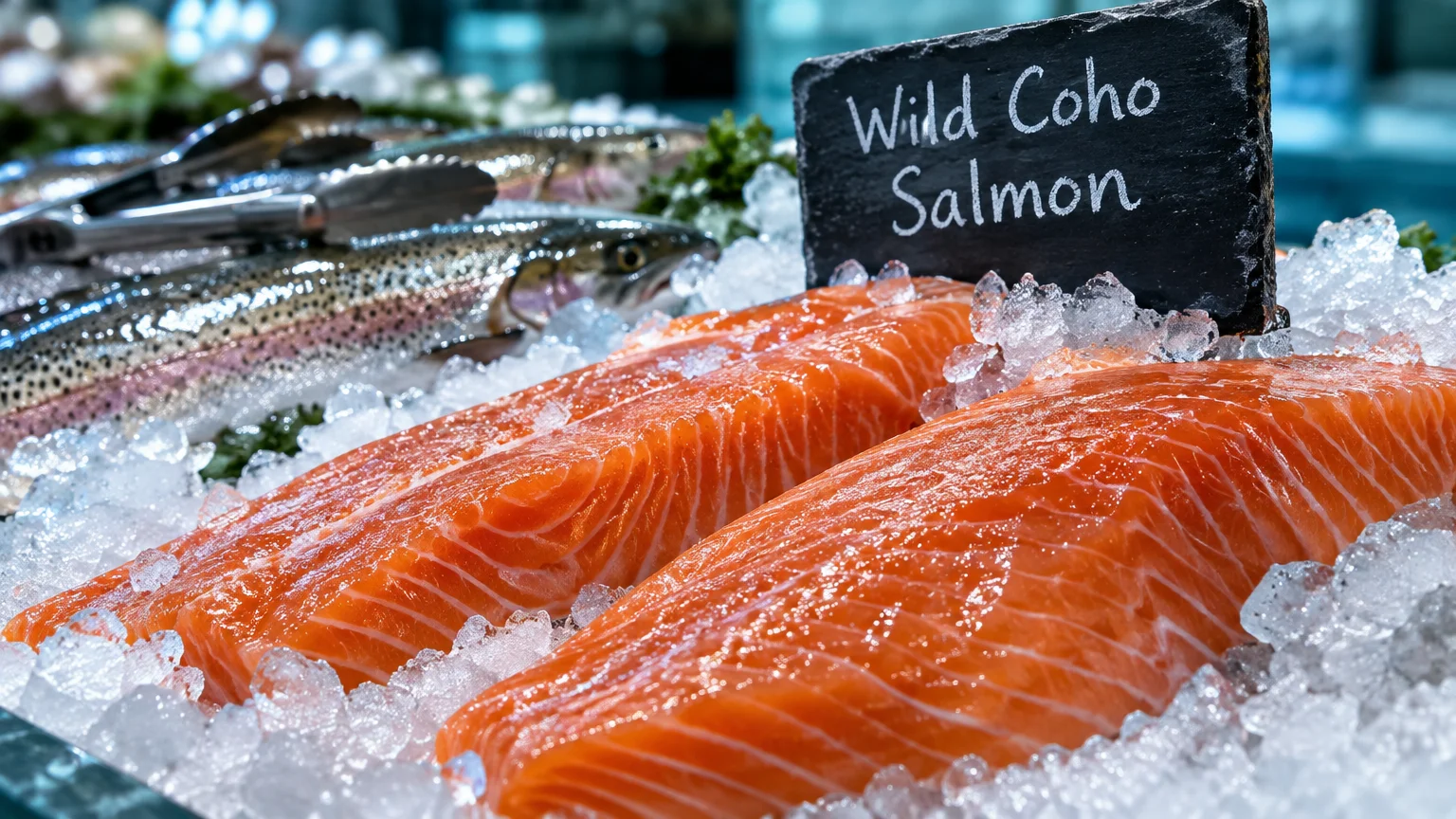
Fresh seafood counters face unique logistical hurdles that generate extreme retail price fluctuations. Because fresh fish spoils in days, dockside auction pricing directly dictates retail counter tags.
Catch limits, weather conditions at sea, and marine diesel prices cause wild week-to-week wholesale pricing shifts. A bad storm in the Gulf can send fresh shrimp prices soaring by the weekend.
Counter managers reprice fresh fillets aggressively to ensure display beds empty before fish loses quality. When high-priced fish nears its display limit, prices drop fast to clear the case.
You can outsmart these pricing shifts by buying flash-frozen fillets instead of thawed counter fish. Frozen fish locks in peak freshness at sea and maintains stable pricing across seasonal supply dips.
If you prefer fresh cuts, chat with counter staff about delivery schedules. They will gladly point out the day fresh catches arrive or share which cuts receive markdowns later that day.
Much of the seafood displayed on crushed ice was previously frozen anyway. Buying the still-frozen bags in the freezer door saves money and prevents premature spoilage at home.
Look for species substitutions when recipe prices spike. Mild white fish like tilapia or cod can easily replace expensive halibut without sacrificing taste or nutritional value.
Tip #9: General Merchandise Aisles with Digital Shelf Labels
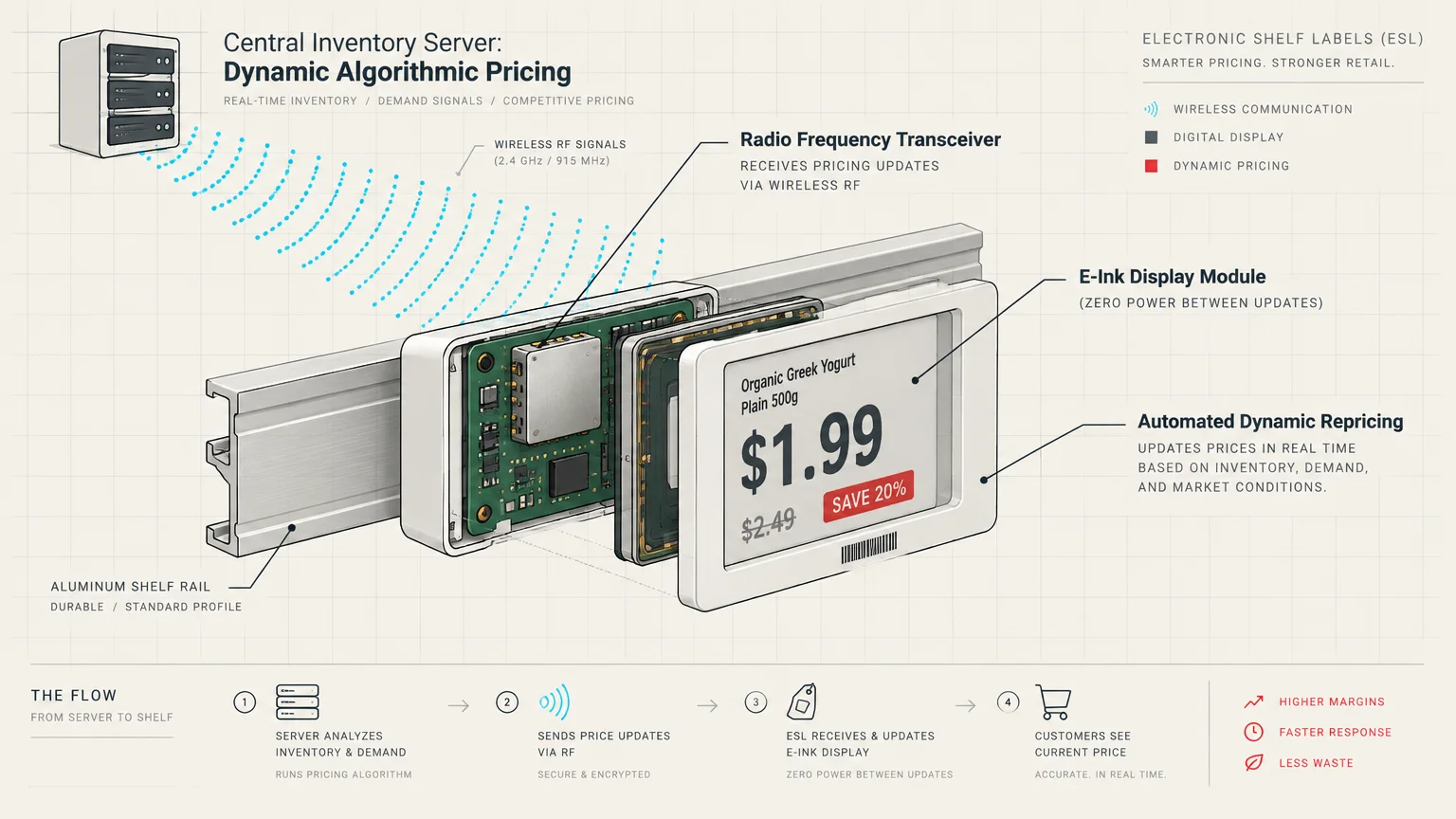
Retail automation is transforming how frequently supermarkets change prices on dry goods and household supplies. Traditional paper tags required workers to scan and replace individual labels by hand over several days.
Walmart is aggressively expanding electronic shelf labels to 2,300 stores by 2026. This technology allows central computers to update shelf pricing across 120,000 items in just minutes.
Digital tags enable supermarkets to adjust prices continuously in response to competitor promotions, supplier increases, and consumer demand. This marks an era where prices change most rapidly without human intervention.
Regulatory watchdogs have expressed serious concern over dynamic pricing tools. The Federal Trade Commission issued warnings that altering prices based on individual shopper data without transparent disclosure constitutes deceptive practice.
State lawmakers in New Jersey and Maryland have even introduced strict moratoria on surveillance-style data pricing models. These measures protect shoppers from personalized markups driven by algorithmic tracking.
Protect your wallet by keeping track of everyday prices on your smartphone. Scanning barcodes with retailer apps helps you confirm whether a digital shelf price represents a genuine discount.
Take photos of shelf tags if you notice frequent price discrepancies at the cash register. Cashiers must honor posted shelf prices if digital systems update improperly before checkout.
The Bottom Line: What This Means for Your Wallet
Retailers design pricing strategies to capture maximum profits from unfocused shoppers. When you understand grocery pricing patterns, you regain complete control over your household shopping budget.
Protect your hard-earned money by tracking weekly circular releases every Wednesday and Thursday morning. Timing your trips around manager markdowns in perishables eliminates food inflation pressures on your wallet.
Freeze bulk meats during promotional valleys and stock up on holiday clearance items after major celebrations. A strategic shopper never pays full retail price for items caught in volatile pricing cycles.
Staying disciplined and paying attention to unit prices keeps grocery bills manageable. Arm yourself with this pricing knowledge every time you step into the supermarket aisles.
Frequently Asked Questions
Are grocery store prices changing faster now than in previous years?
Yes, grocery prices change faster today due to digital shelf tags and volatile supply chains. Retailers update thousands of shelf tags in minutes rather than spending days manually swapping paper labels.
Which day of the week offers the lowest prices on groceries?
Wednesday and Thursday mornings offer the best pricing because weekly sales circulars launch then. Shopping early on these days lets you access newly discounted items before promotional inventory runs out.
Can supermarkets change prices while I am actively walking the aisles?
While digital shelf labels allow instant changes, most grocery chains limit updates to overnight hours or fixed daily windows. Consumer protection laws require stores to honor displayed shelf tags at checkout registers.
How can I protect my family budget against retail price volatility?
Build your weekly dinner menu around discounted loss leaders advertised in weekly promotional flyers. Stockpile shelf-stable items when prices hit cyclical lows, and store surplus meats inside your deep freezer.
For consumer protection information, visit the Federal Trade Commission (FTC) and the Consumer Financial Protection Bureau (CFPB). For product safety and reviews, consult Consumer Reports.
Disclaimer: This article is for informational purposes only and does not constitute financial advice. The content reflects the author’s opinion and research at the time of writing. Always do your own research before making financial decisions.



Leave a Reply