
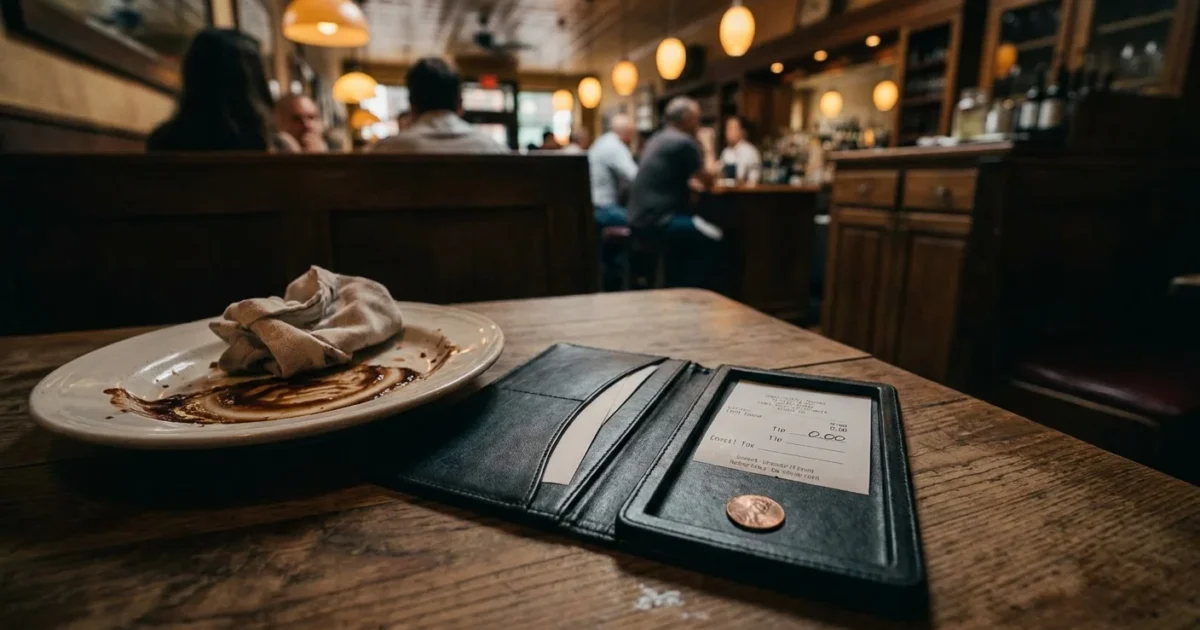
Your server relies on gratuities to pay rent, buy groceries, and survive in an industry notorious for sub-minimum wages. Yet diners routinely sabotage this income through thoughtless behaviors masked as harmless quirks or misguided generosity. Waitstaff consistently report that specific tipping mistakes cause genuine financial distress and deep frustration on the restaurant floor. You might think leaving a handful of loose change or withholding a tip to protest bad food sends a strong message, but these actions only highlight poor dining etiquette tips. Grasping the real impact of your actions ensures you never accidentally disrespect the people handling your food. Here are the worst rude tipping habits you need to drop immediately.
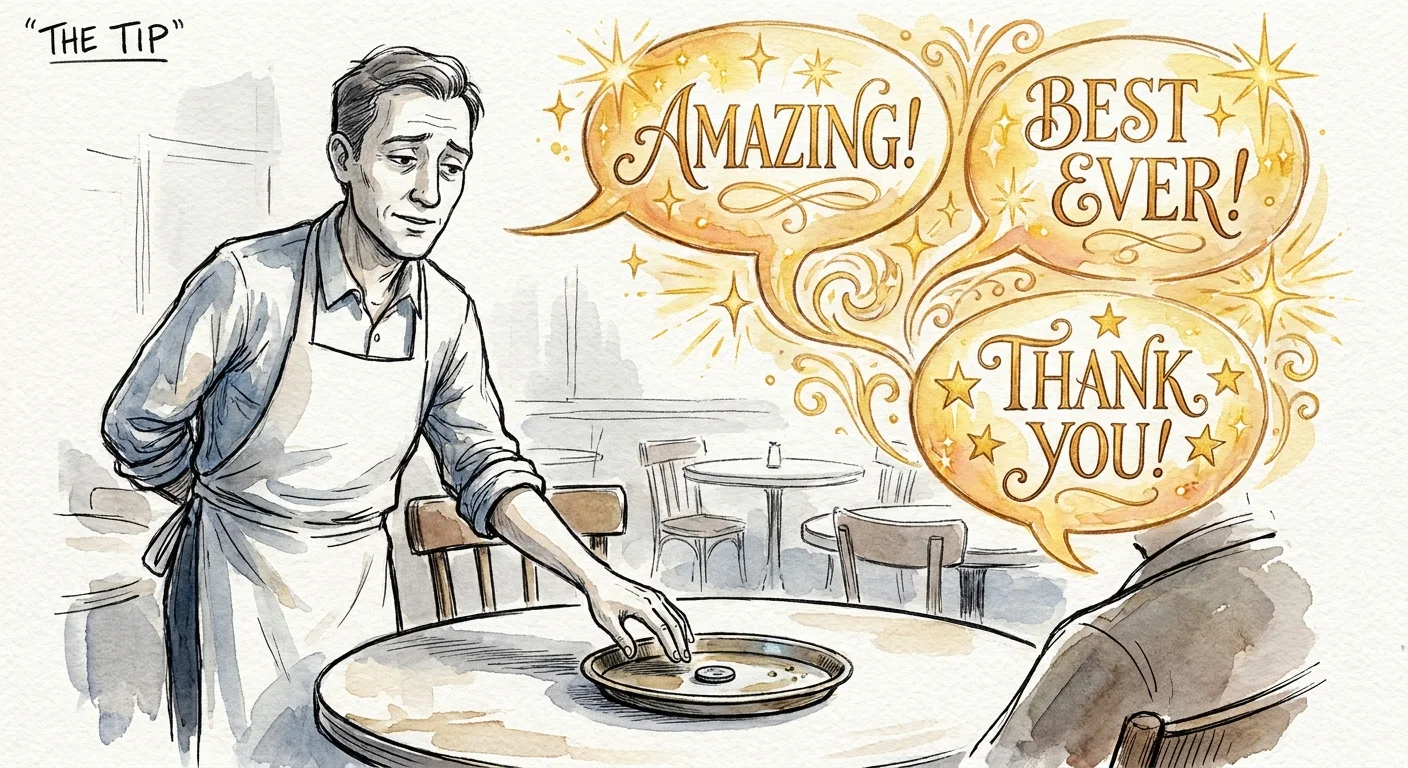
Tip #1: Leaving the “Verbal Tip” Instead of Cash
Praise is a wonderful thing to receive, but verbal compliments do not pay the electric bill; your server cannot hand a glowing review to their landlord. Many diners enthusiastically shake their server’s hand, look them dead in the eye, and declare that they provided the best service they have ever experienced. Then, they leave a meager ten percent gratuity on the table. Waitstaff refer to this frustrating phenomenon as the verbal tip, and it ranks incredibly high on the list of common tipping mistakes.
From the perspective of a restaurant worker, an abundance of praise paired with a poor financial reward feels incredibly patronizing. Servers operate in an industry where the federal tipped minimum wage remains stalled at just $2.13 an hour in many states. Their livelihood depends entirely on the financial compensation tied to their service; they are not performing for applause. When you deliver glowing reviews but fail to back those words up with appropriate compensation, you communicate that you do not value their actual labor or understand their financial reality.
If you genuinely receive outstanding service, the most respectful way to show your appreciation is through the final bill. Feel free to leave a positive review on social media or speak directly to the manager to praise the employee, as these actions can help them secure better shifts and future promotions. However, always ensure your financial gratuity matches your verbal enthusiasm.
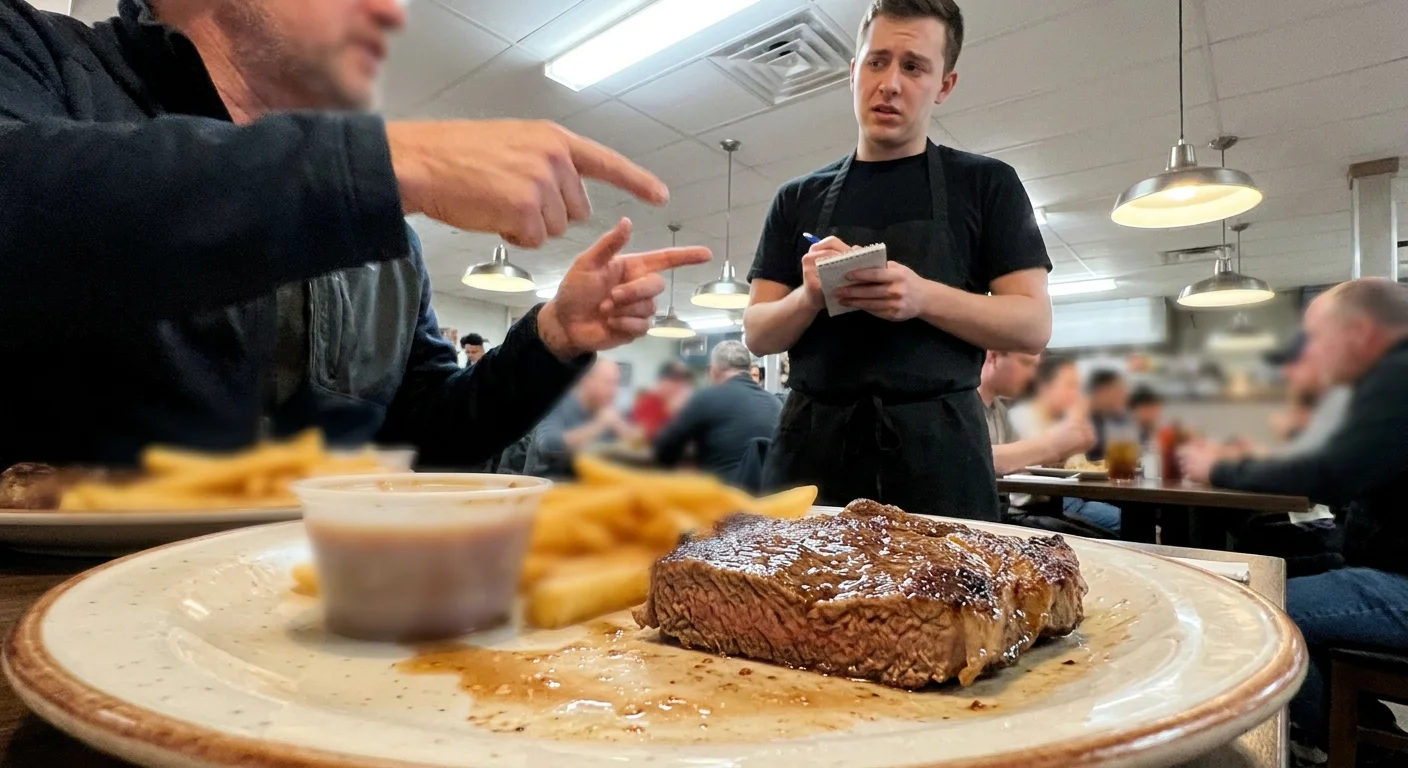
Tip #2: Penalizing Servers for Kitchen Mistakes
Server tipping complaints frequently center on diners who aggressively dock gratuities because the kitchen overcooked a steak or the bar ran out of a specific wine. Diners often conflate the entire restaurant experience with the individual performance of the person dropping off the plates. This fundamentally misunderstands the division of labor inside a commercial dining establishment.
Your server operates as a messenger and a coordinator, not the executive chef. They do not control the inventory of the walk-in cooler, they do not manage the grill temperatures, and they certainly cannot magically speed up a kitchen that is severely understaffed on a busy Friday night. Punishing their tip for back-of-house errors unfairly targets the lowest-paid worker in the building for circumstances entirely beyond their control.
When the food falls short of your expectations, communicate the issue politely so the server has the opportunity to fix it or remove the item from your bill. Address persistent food quality issues with the management team. Always calculate your tip based on the attentiveness, accuracy, and effort of the server directly assisting you.
Tip #3: Tipping on the Post-Discount Total
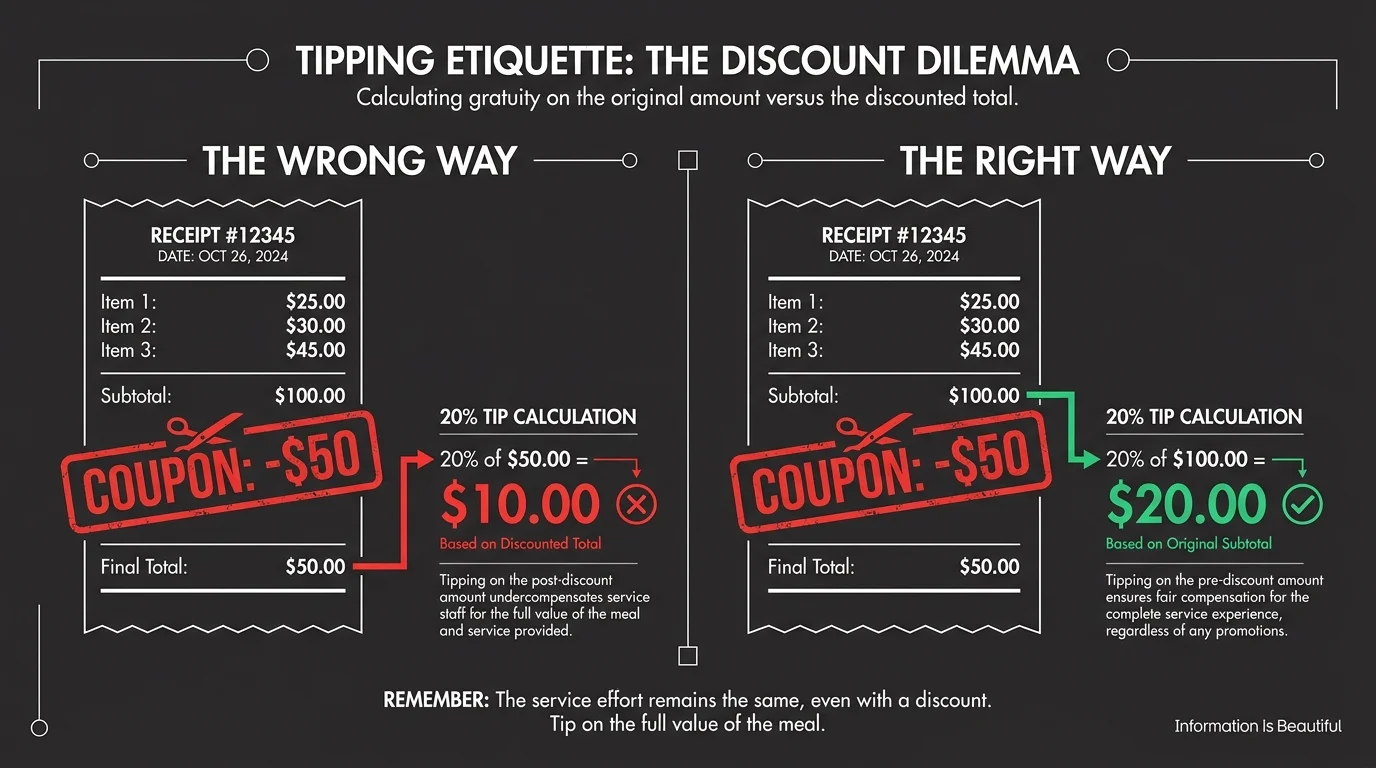
Using a two-for-one coupon or redeeming a loyalty reward certificate is a brilliant way to manage your budget and enjoy a night out for less. However, calculating your server’s tip based on that artificially reduced final number is a massive restaurant etiquette violation. The workload required to serve you does not decrease simply because you possess a promotional voucher.
Consider the physical reality of the service provided. The server still brought you the exact same number of plates, refilled the exact same number of heavy water glasses, and spent the exact same amount of time managing your table. Slashing their tip because the restaurant’s corporate office decided to run a promotion actively penalizes the worker for a marketing strategy they did not create.
Always look at the original subtotal before any discounts, comps, or coupons are applied to the receipt. Calculate your twenty percent based on the true monetary value of the food and beverages you consumed. Securing a discount on your meal is your reward for being a savvy consumer; it should never come at the expense of your server’s standard wages.
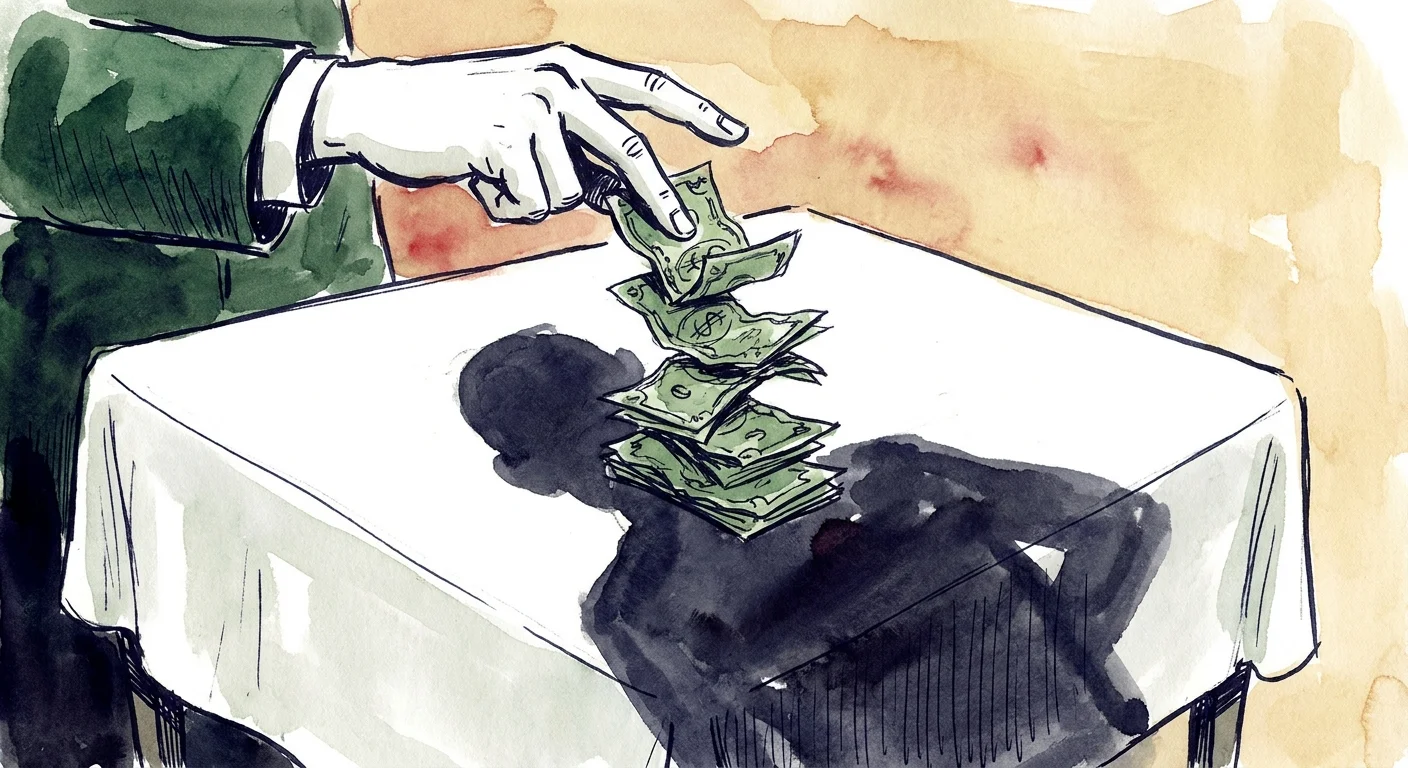
Tip #4: The Demeaning Cash Display
Placing a visible stack of dollar bills on the table at the beginning of the meal and removing one every time the server makes a minor error is an exceptionally degrading tactic. Some diners mistakenly view this as a clever motivational tool designed to ensure perfect service. In reality, it establishes a hostile, adversarial dynamic from the moment you sit down.
This behavior treats an adult professional like a child playing a punitive game. It creates immense psychological stress for the server, who must now navigate your table knowing that a dropped napkin or a slight delay at the bar will result in a public financial penalty. Instead of motivating the staff, this tactic breeds deep resentment and guarantees you will receive bare-minimum, tightly strictly transactional service.
Treat your server with the basic dignity you would expect in your own workplace. Keep your wallet or cash out of sight until the check arrives. Evaluate the service fairly at the end of the meal and tip accordingly, without relying on theatrical power trips.
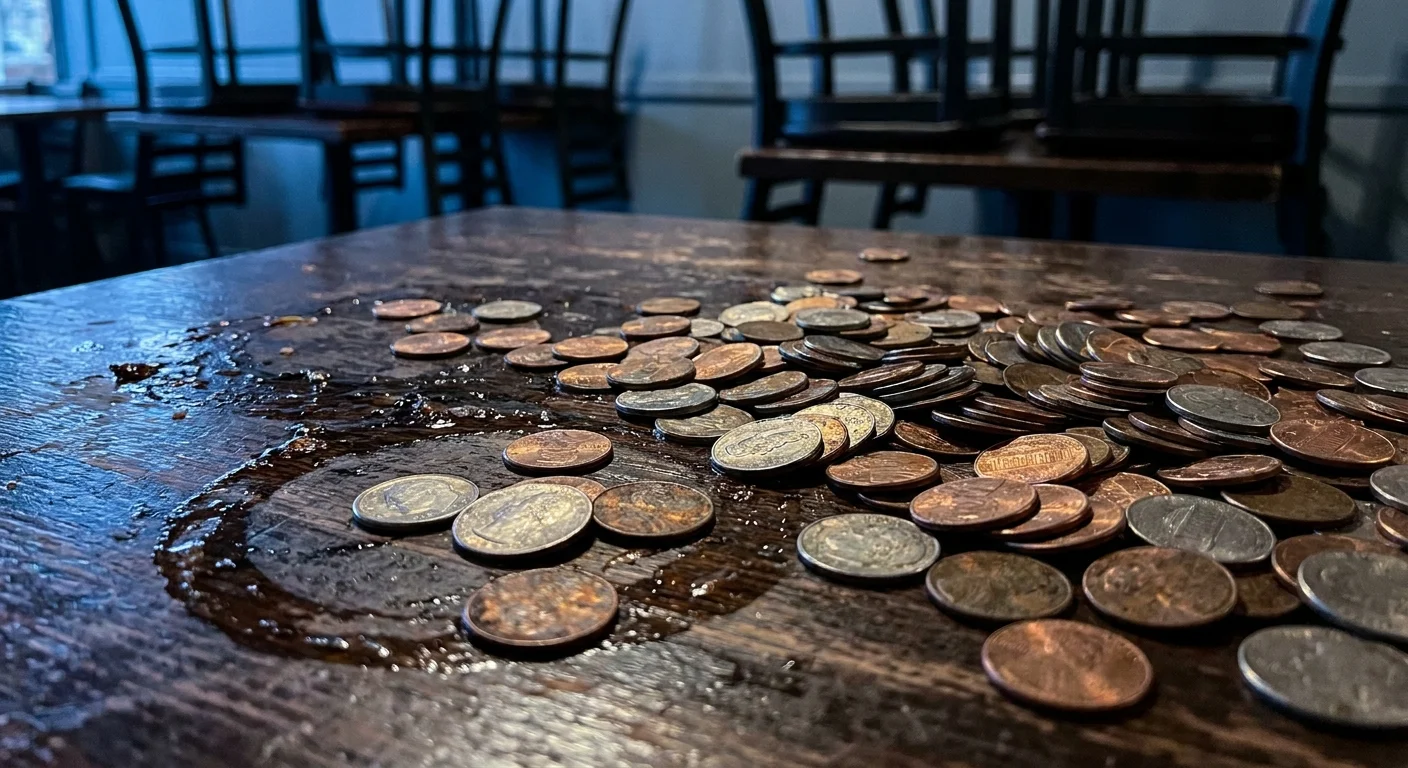
Tip #5: Leaving a Mountain of Loose Change
Emptying the depths of your pockets or your purse to construct a tip out of dimes, nickels, and pennies feels like a deliberate insult. Even if the sheer volume of coins technically adds up to an appropriate percentage of the bill, leaving a scattered pile of shrapnel is one of the most universally despised rude tipping habits.
Servers do not have the time or the physical pocket space to lug around heavy handfuls of loose metal during a frantic dinner rush. Coins frequently fall off trays, roll under booths, and add completely unnecessary weight to their aprons. Furthermore, to actually use that money to pay their bills, the server must eventually take the time to roll the coins or feed them into a machine that often takes a percentage as a processing fee.
If you plan to pay your gratuity in cash, you must use paper bills. Save your loose change for parking meters, piggy banks, or automated self-checkout kiosks that can process coins instantly. Leaving a single quarter alongside your bills to round up is acceptable; leaving an entire dollar’s worth of pennies is infuriating.
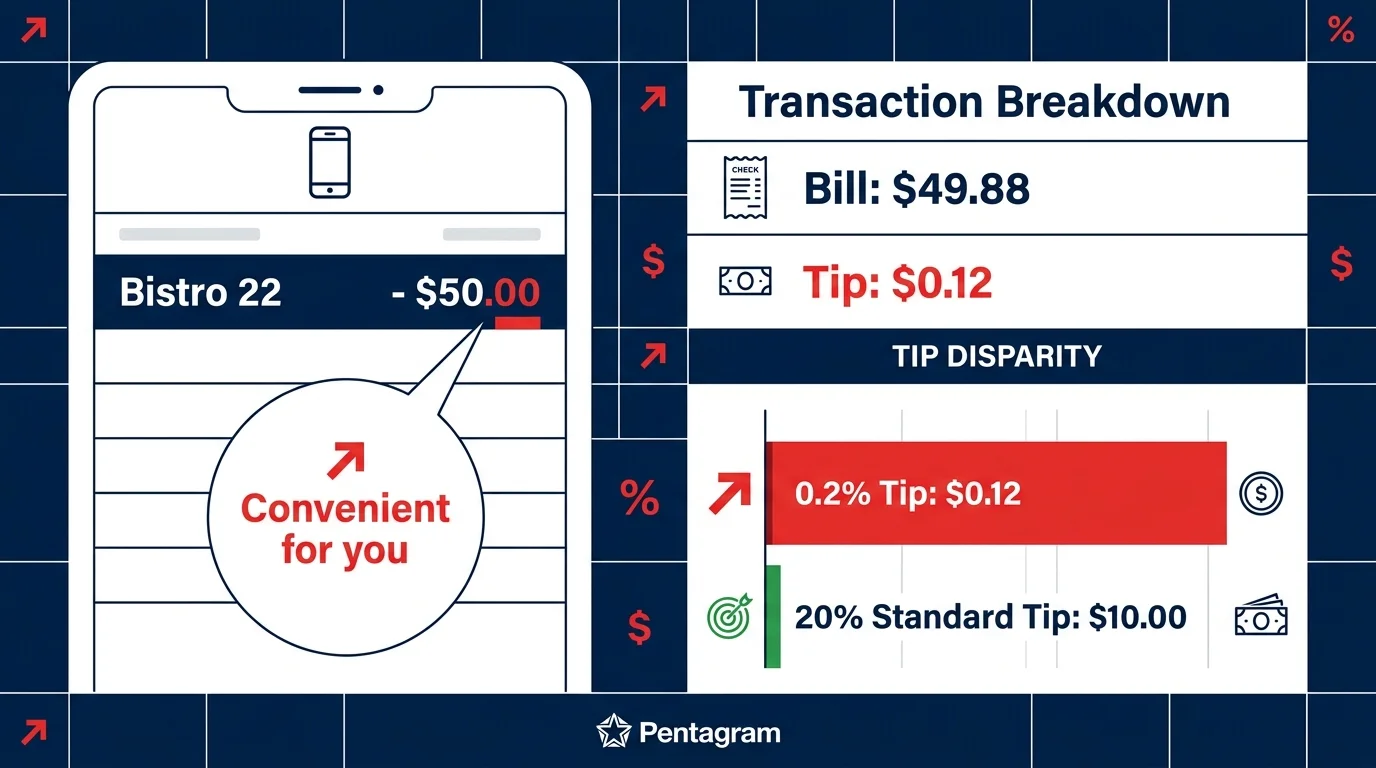
Tip #6: Rounding Up for Bank Statement Convenience
Many financially diligent diners prefer their bank statements to look clean and orderly, resulting in the habit of rounding up a restaurant bill to the nearest whole dollar. Leaving an arbitrary eighty-five cents on a $49.15 check just so your credit card app shows an even fifty dollars is a terrible practice that almost always results in a severe under-tip.
Your personal accounting preferences have absolutely no bearing on the fair market value of the service provided. While the aesthetic appeal of a perfectly round number might satisfy your desire for neatness, it effectively steals compensation from the person who spent the last hour attending to your needs. A tip of less than one dollar on a fifty-dollar tab is insulting and financially damaging to the worker.
If you absolutely must have a round number on your credit card statement, calculate the correct twenty percent tip first, and then round up to the next highest dollar from there. This ensures the server receives fair compensation while still satisfying your desire for accounting symmetry.
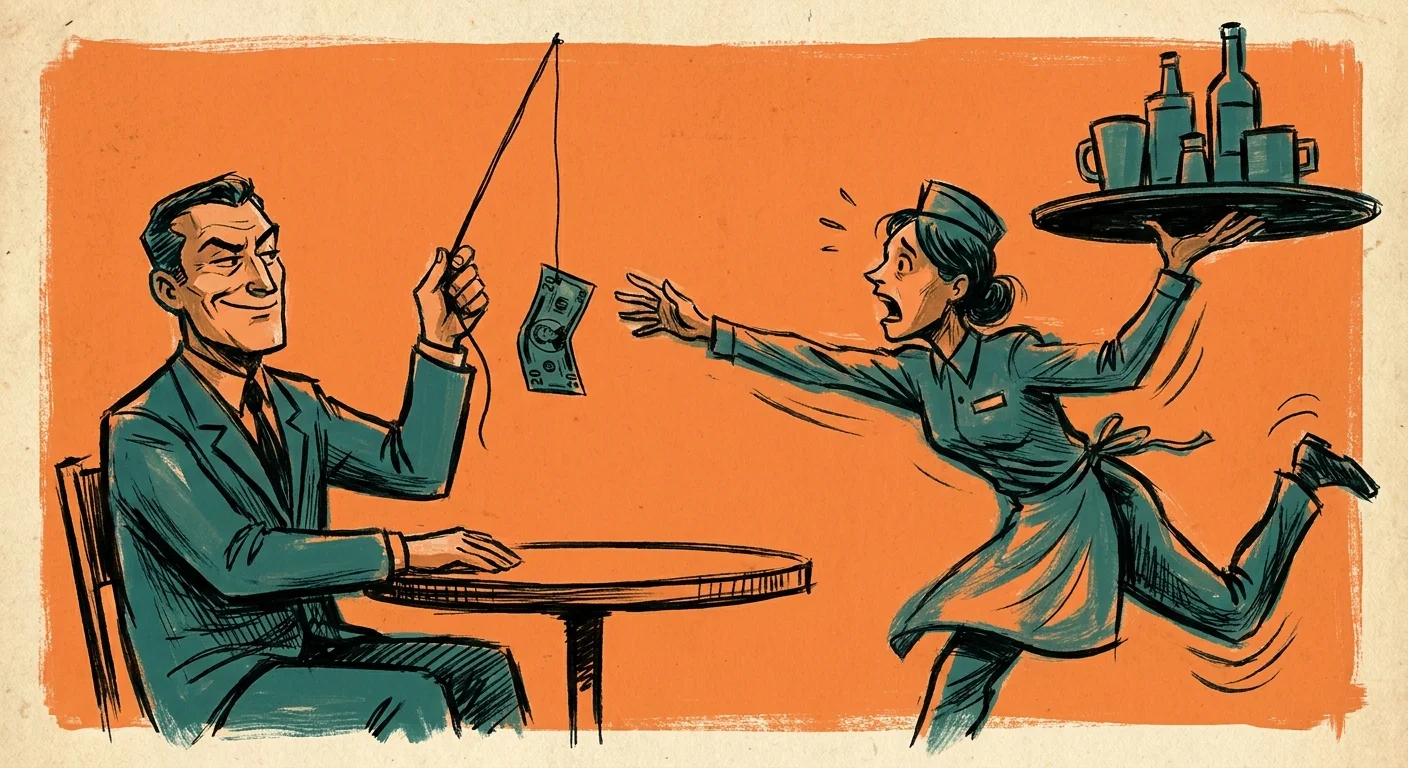
Tip #7: Holding the Tip Hostage for Freebies
Dishing out promises of a massive tip if the server sneaks you an extra pour of top-shelf liquor or comps a dessert puts the worker in an incredibly compromising position. Suggesting a quid-pro-quo arrangement where you exchange a heavy gratuity for unauthorized freebies is essentially asking the server to steal from their employer on your behalf.
Restaurant managers monitor inventory and voided items strictly. When you pressure a server to bend the rules for your benefit, you force them to risk a write-up or immediate termination to secure their tip. If they refuse your unethical request to protect their job, they know you will likely penalize them by leaving a terrible gratuity anyway.
Never place your server in a situation where they have to choose between keeping their job and getting paid for their labor. Excellent service deserves fair financial compensation without illegal ultimatums attached. Pay for the food and drinks you consume, and tip based on the quality of the hospitality.
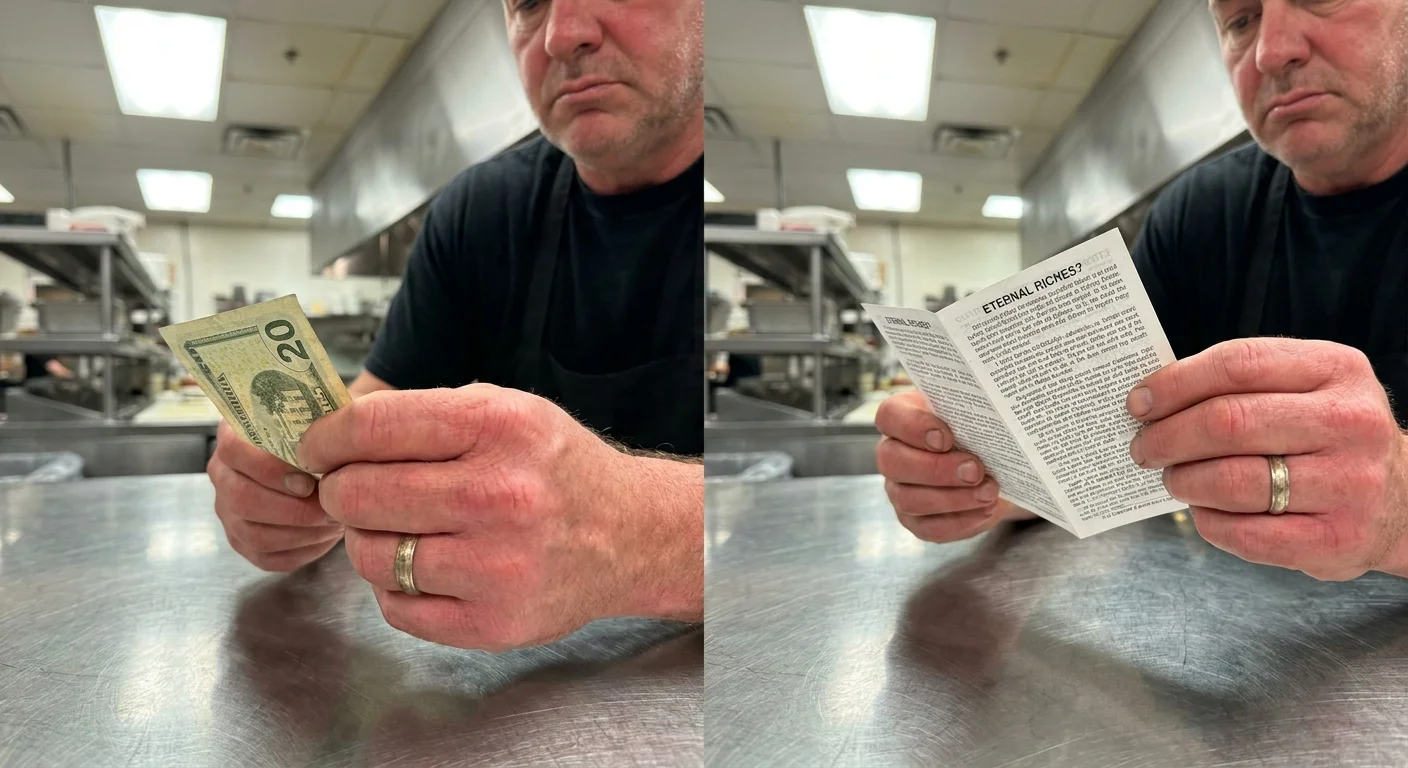
Tip #8: Leaving Fake Money or Propaganda
Leaving a folded piece of paper that perfectly mimics a ten or twenty-dollar bill, only to reveal a religious tract, a political statement, or a business advertisement when opened, is perhaps the most universally detested tipping habit in existence. This practice is cruel, deceptive, and completely ineffective at spreading whatever message the diner intends to share.
When a server sees a folded bill on the table, they experience a brief moment of relief, believing their hard work has paid off. Discovering that the “money” is actually a flyer for a local church or a pitch for a multi-level marketing scheme replaces that relief with immediate anger. It demonstrates a profound lack of respect for the server’s time and financial needs.
If you feel compelled to leave literature or a business card for your server, you must accompany it with an actual, appropriate cash tip. Your personal or ideological messaging must remain entirely separate from the basic financial transaction required to compensate the worker.
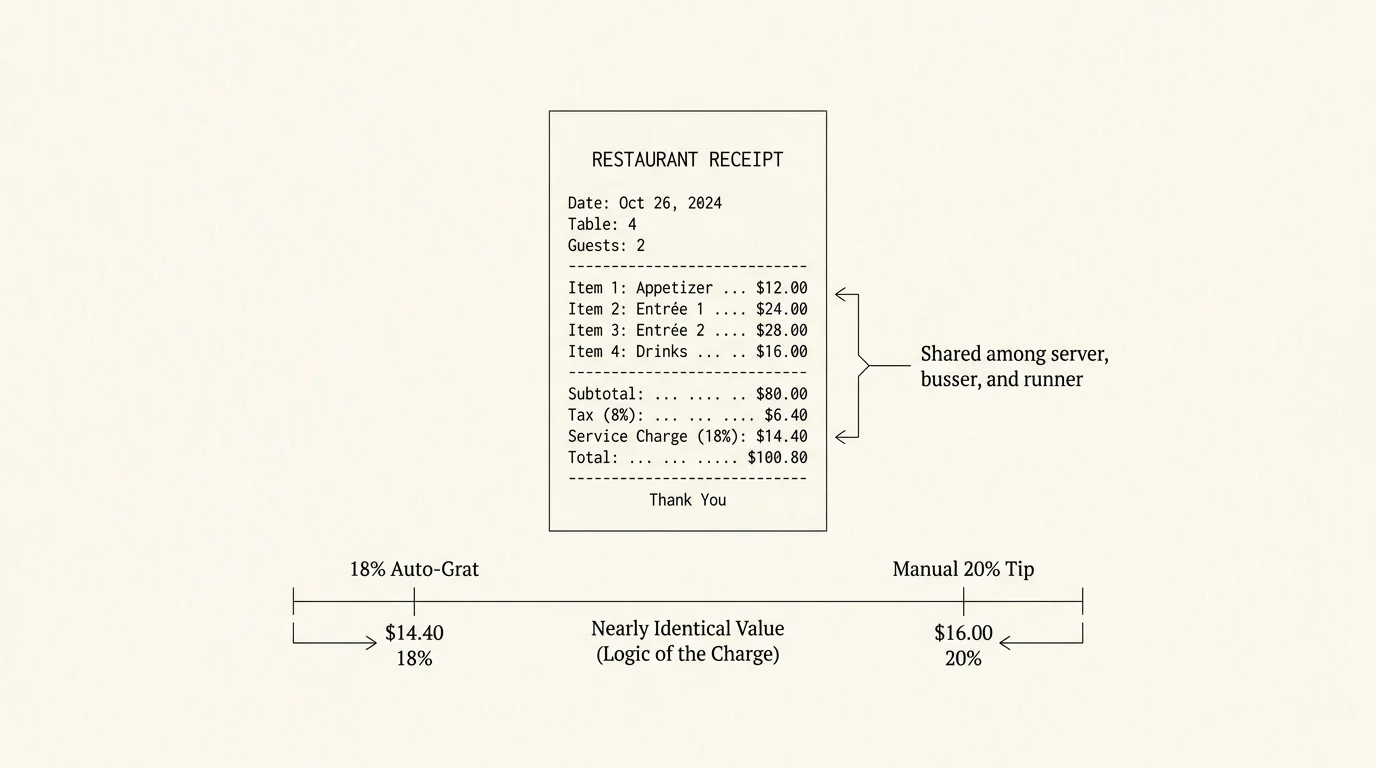
Tip #9: Protesting the Automatic Gratuity
Throwing a tantrum over an automatic gratuity applied to a party of six or more reveals a fundamental misunderstanding of restaurant economics. Large groups require immense coordination, slow down table turnover rates, and often monopolize a significant portion of a server’s assigned section for hours at a time. The auto-gratuity exists specifically to protect servers from losing money on massive time investments.
When diners angrily demand the manager remove the automatic eighteen or twenty percent charge so they can “leave what they feel is fair,” it is almost always a tactic to leave significantly less than the standard rate. Arguing about this policy at the table humiliates the server and creates unnecessary friction at the end of what was likely a highly demanding meal.
Always review the menu or call ahead to verify large-party policies before you dine out. If you cannot afford the automatic gratuity required to host a large gathering, you need to choose a different venue or opt for a counter-service establishment. If the service was genuinely spectacular, adding a few extra dollars in cash on top of the auto-gratuity is highly encouraged.
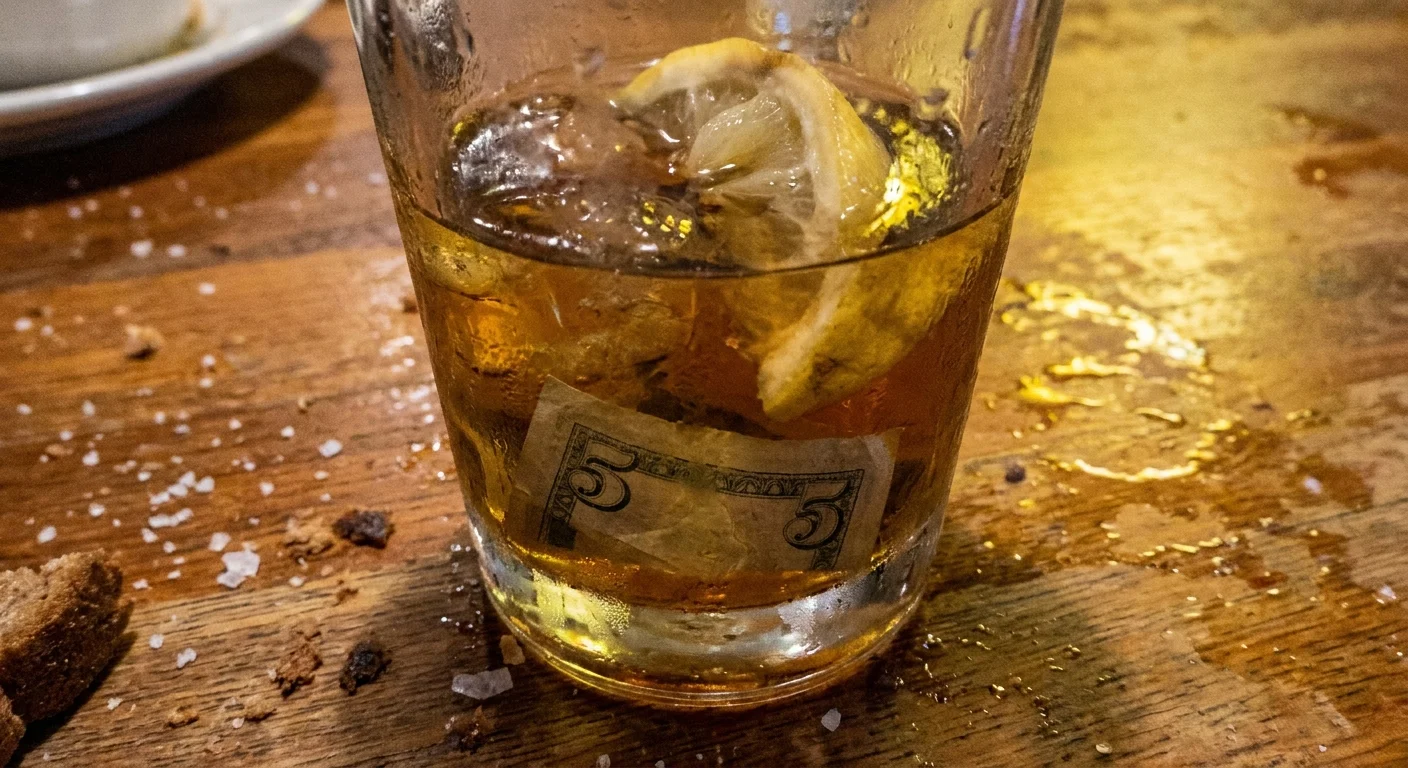
Tip #10: Hiding the Tip in a Disgusting Mess
Shoving wet dollar bills into a half-empty glass of soda, burying your cash under a pile of food-stained napkins, or leaving money soaking in spilled sauces is completely disrespectful. While some diners think they are securing the money from potential thieves by hiding it beneath a dirty plate, this practice forces the server to dig through your leftover refuse just to collect their wages.
Handling discarded food and soiled linens is already the least glamorous part of a restaurant worker’s shift. Forcing them to fish their hard-earned money out of a puddle of melted ice and spilled ketchup adds an unnecessary layer of humiliation to the transaction. It signals a complete lack of basic respect for the person serving you and leaves their cash physically damaged.
Leave your cash or credit card slip clearly visible on the table, preferably tucked inside the provided check presenter. Keep the immediate area around the payment completely free of leftover food, used tissues, and liquid spills to ensure a clean, respectful handoff.
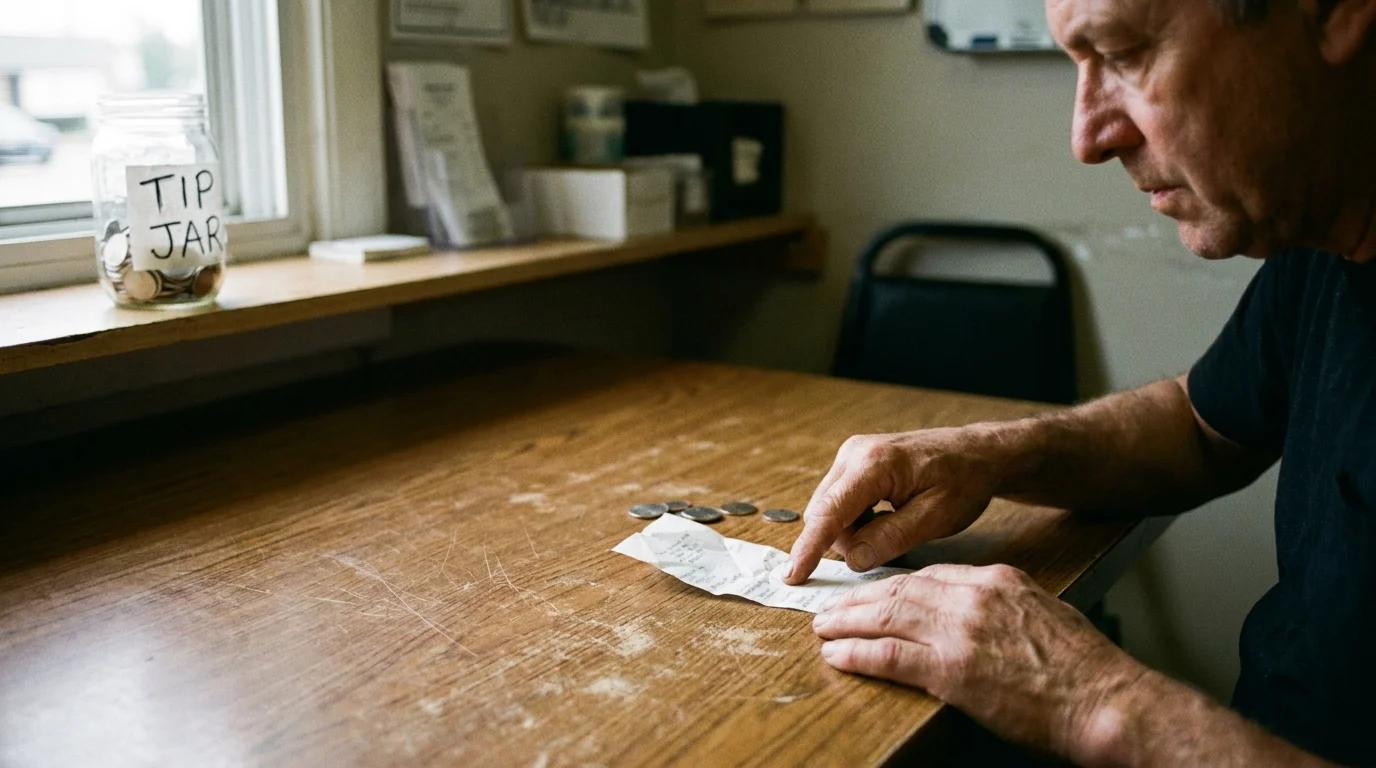
Tip #11: Ignoring the Tip Pool Dynamics
Many diners operate under the false assumption that the money left on the table goes directly and exclusively into the pocket of the individual who took their order. In reality, the vast majority of modern restaurants utilize complex tip-sharing pools. A mandatory percentage of your server’s total sales is automatically deducted and distributed among the bussers, bartenders, food runners, and host staff at the end of the night.
When you intentionally stiff your server, you are not just penalizing one individual; you are actively taking money out of the pockets of the entire support staff. Furthermore, because servers are required to “tip out” based on their total sales rather than their collected tips, leaving nothing means the server actually pays money out of their own pocket for the privilege of waiting on your table.
Recognizing this interconnected financial ecosystem is crucial for anyone who wants to dine out responsibly. When you leave a twenty percent tip, you are funding the wages of an entire team of workers who collaborated behind the scenes to deliver your meal. Tipping appropriately ensures the entire system continues to function fairly.
The Bottom Line: What This Means for Your Wallet
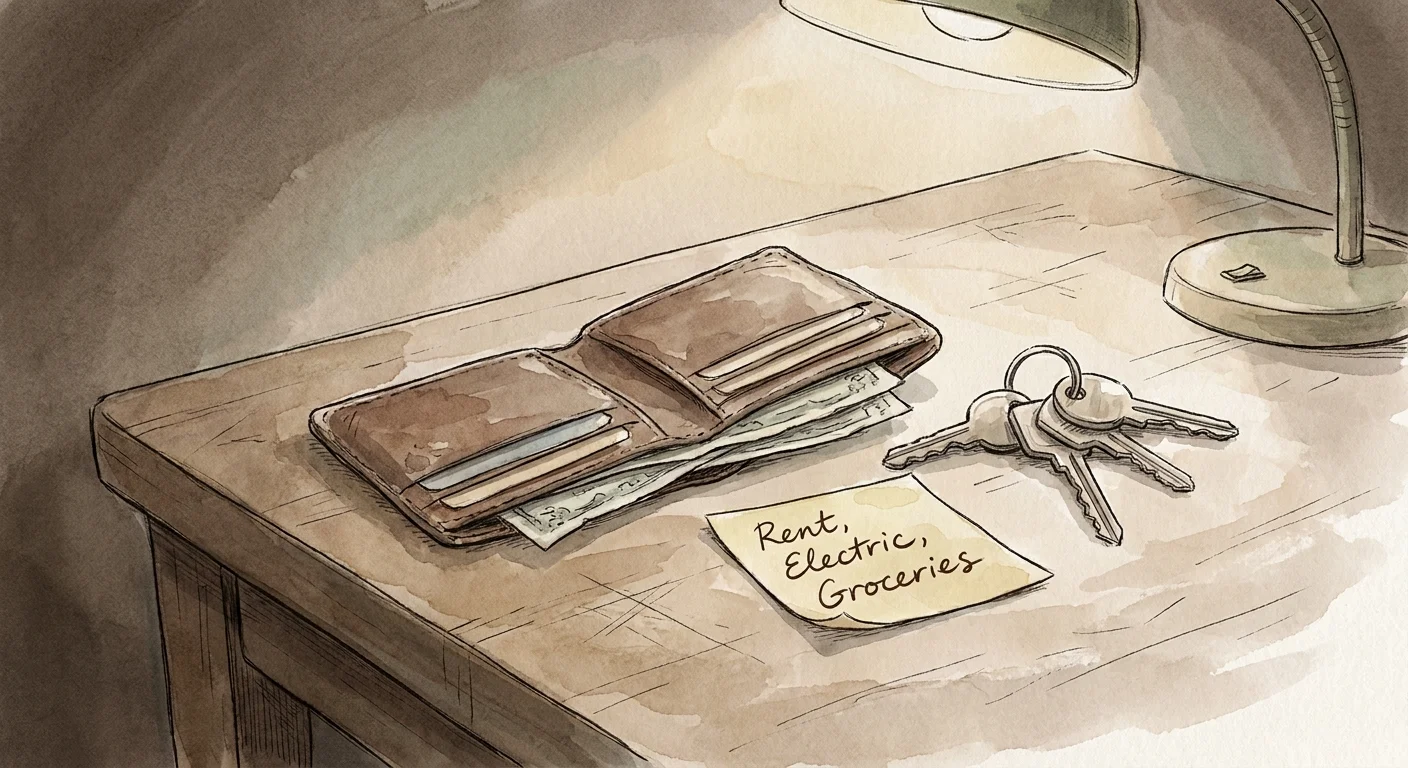
True frugality requires smart, strategic money management; it never requires acting cheaply at the direct expense of working-class people. If your budget is incredibly tight, exploiting the labor of a server who relies on tips to survive is not a valid money-saving hack. Dining at a full-service restaurant is a luxury experience, and the cost of the gratuity must be factored into your budget before you ever look at the menu.
Eliminating these rude tipping habits protects you from committing severe dining faux pas and ensures you maintain excellent relationships with local establishments. When you treat hospitality workers with financial respect, you cultivate an environment where excellent service thrives. Budget for the tip, calculate your percentages correctly, and leave the table knowing you handled your finances responsibly and ethically.
Frequently Asked Questions
Do I still need to tip if the service was genuinely terrible?
Yes, but you can adjust the percentage based on the specific circumstances. If the server was blatantly rude or completely neglected your table, dropping the tip to ten percent communicates your dissatisfaction without forcing the worker to pay out of pocket to cover the tip pool requirements. Always separate the server’s actual performance from unavoidable delays caused by an understaffed kitchen.
Is standard tipping still twenty percent?
Yes, twenty percent remains the standard benchmark for good service in American sit-down restaurants. Due to inflation and the rising cost of living—which aggressively impacts tipped workers earning stagnant sub-minimum wages—many diners now consider twenty percent the baseline, scaling up to twenty-five percent for truly exceptional or highly personalized service.
Should I tip differently at counter-service restaurants?
Tipping etiquette differs significantly at counter-service or fast-casual establishments where you order at a register and pick up your own food. Because these workers typically earn a standard minimum wage rather than the lower tipped minimum wage, leaving ten to fifteen percent—or simply dropping a few dollars in the jar—is entirely acceptable and appreciated for the convenience provided.
For consumer protection information, visit the Federal Trade Commission (FTC) and the Consumer Financial Protection Bureau (CFPB). For product safety and reviews, consult Consumer Reports.
Disclaimer: This article is for informational purposes only and does not constitute financial advice. The content reflects the author’s opinion and research at the time of writing. Always do your own research before making financial decisions.


Leave a Reply