

Americans are slashing their household budgets by pooling resources on expensive, rarely used items hiding in their garages. Instead of throwing cash at hardware stores, savvy homeowners are building micro-economies on their streets to bypass retail markups entirely. This quiet shift towards community saving keeps hundreds of dollars in your bank account each year. You do not need to buy every piece of equipment for a weekend project or an annual deep clean. By organizing shared products with the people living next door, you leverage collective purchasing power and practice smart frugal living. Stop fully funding items you use once a season; tap into your local neighborhood network and permanently lower your cost of living.
Tip #1: Heavy-Duty Lawn Care Equipment
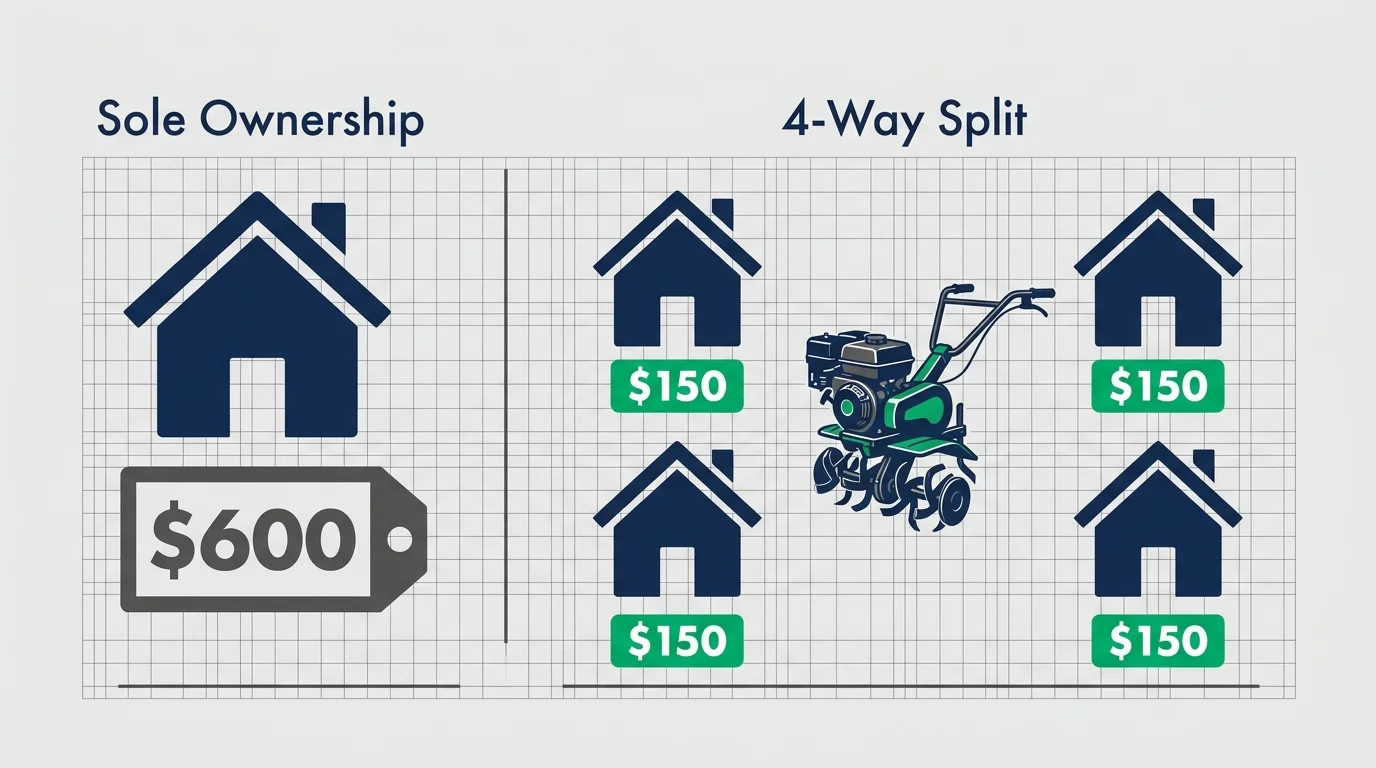
The myth of the American dream dictates that every single household must own an identical set of landscaping equipment. This redundancy acts as a massive financial drain on your budget. Consider the gas-powered lawn aerator or a heavy-duty rototiller. You use these highly specific tools precisely once a year during the spring, yet they command price tags upwards of $600. Storing them eats up valuable garage space, and leaving them idle causes carburetor seals to dry out and degrade.
Frugal neighborhoods solve this problem by establishing a hyper-local micro-economy. Instead of four adjacent houses buying four separate tillers—or repeatedly bleeding cash at the local big-box rental desk for $80 a weekend—they split the purchase of a single commercial-grade unit. A four-way split on a premium machine drops your individual investment to just $150. You gain access to top-tier hardware for less than the cost of a cheap, battery-powered alternative.
To execute this strategy without friction, establish a straightforward ownership model. One designated neighbor physically houses the equipment in their shed, while the contributing partners pay their stake via digital payment apps. When spark plugs need replacing or oil requires changing, you divide the minor maintenance costs equally. You execute professional-grade landscaping projects on your own schedule while keeping hundreds of dollars in your bank account.
Tip #2: Professional Carpet Cleaners
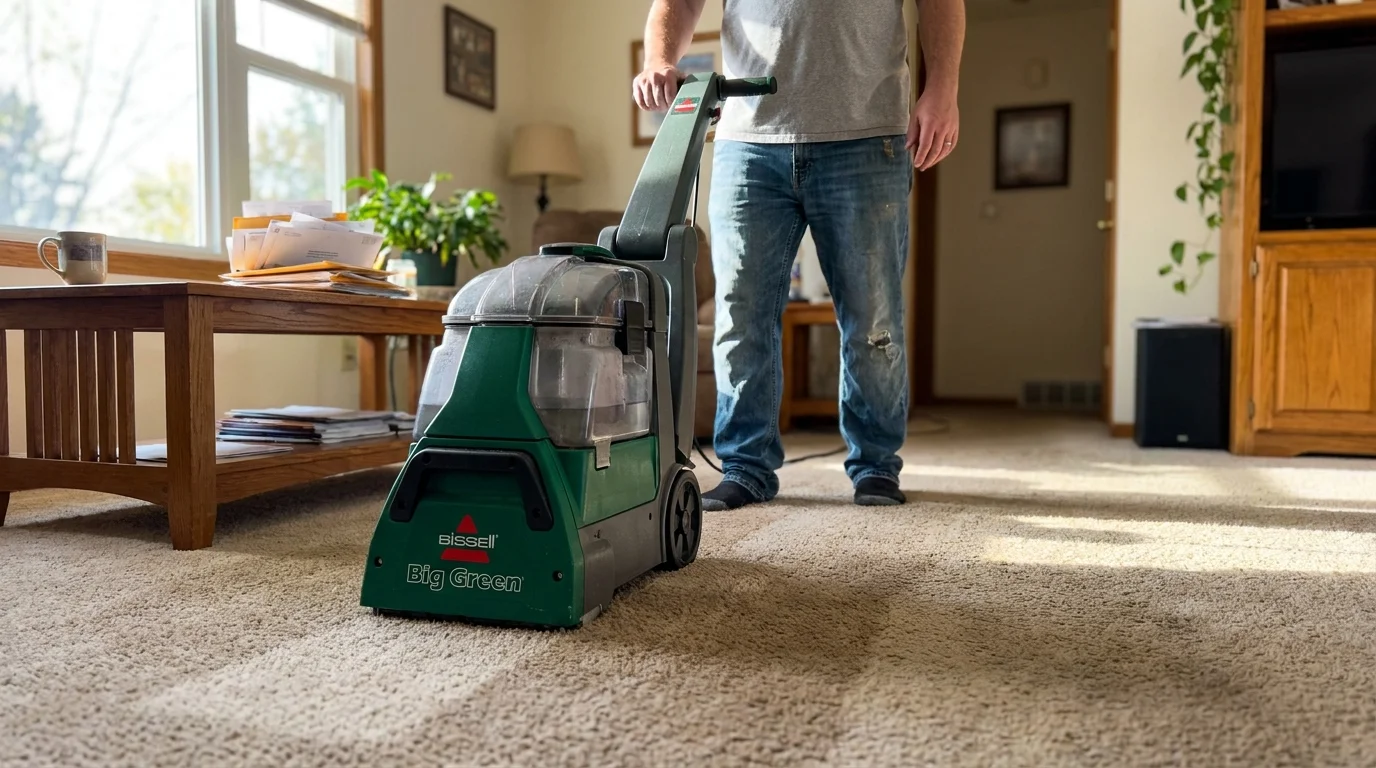
Stop hiring professional carpet cleaning services that charge $200 per room, and stop renting heavily abused machines from the local grocery store. Premium household carpet extractors like the Bissell Big Green or the Rug Doctor Pro cost around $450 to purchase outright. They deliver phenomenal results, but they represent a steep upfront cost for a single family.
Because you only deep clean your carpets every six to twelve months, a personal machine spends the vast majority of the year gathering dust in a basement closet. Smart budgeters recognize this inefficiency and split the purchase with two or three trusted neighbors. A three-way split drops your initial capital investment to a highly manageable $150.
Sharing an extractor completely eliminates the frantic 24-hour rental return window. You gain immediate access to a superior machine whenever a pet has an accident or a guest spills wine. Buy the concentrated cleaning solution in one-gallon commercial jugs online, split the fluid among the owners, and watch your floor maintenance costs plummet. This approach defines the essence of community saving.
Tip #3: High-Powered Pressure Washers
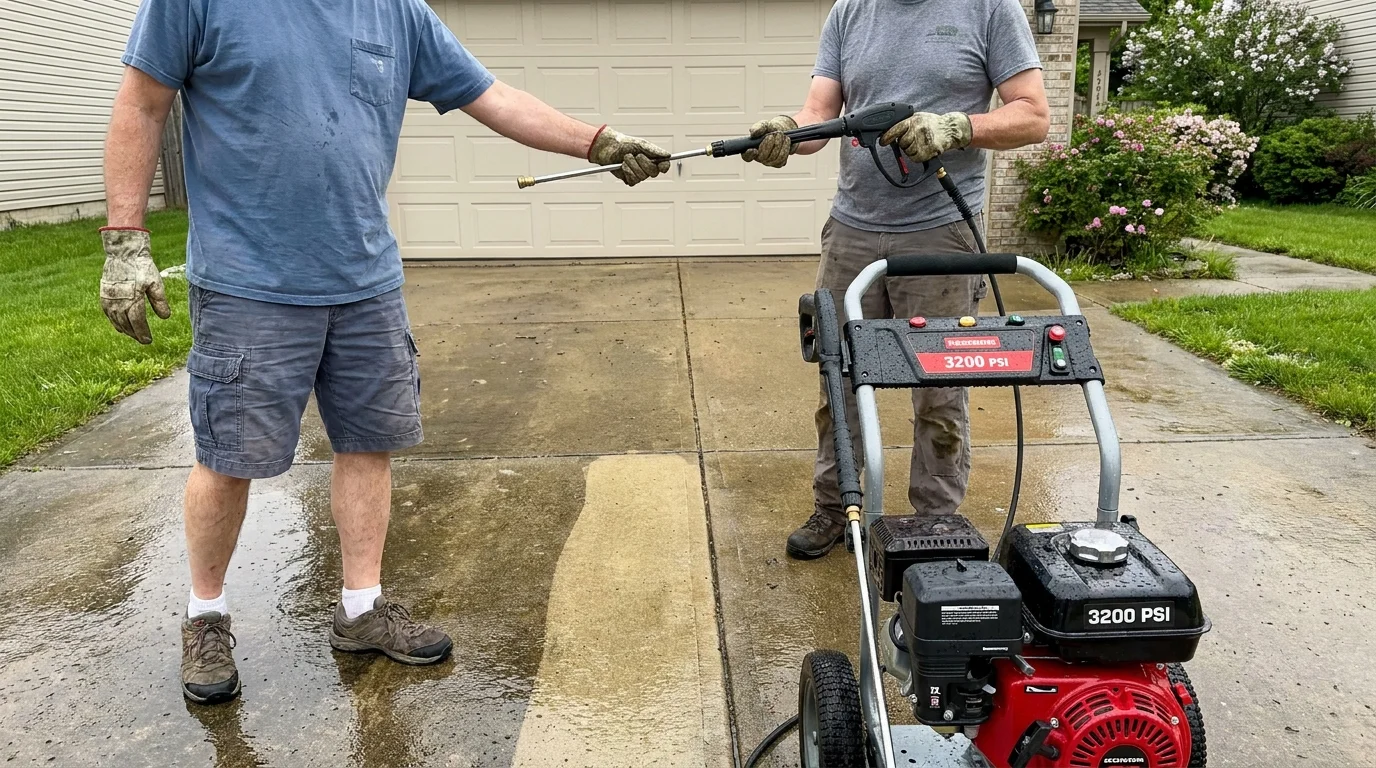
A massive 3200 PSI gas pressure washer is a springtime necessity for cleaning siding, concrete driveways, and wooden decks. However, owning one exclusively makes terrible financial sense for the average suburbanite. At $400 a pop, plus the ongoing costs of winterizing fluids, regular oil changes, and dedicated storage space, the math simply does not favor sole ownership.
Neighborhoods with a strong grasp on frugal living are setting up shared power washer agreements. Four houses chip in $100 each for a premium, reliable model featuring a Honda engine. They assign dedicated weekends for each household during the busy spring cleaning rush to avoid scheduling conflicts.
The secret to maintaining harmony with shared gas equipment requires a strict replenishment policy. If you drain the tank during your weekend, you fill it to the brim with premium, ethanol-free gas before passing it over the fence. This collaborative setup prevents everyone on the block from buying cheap, underpowered electric washers that inevitably burn out after two seasons.
Tip #4: Extension Ladders and Scaffolding
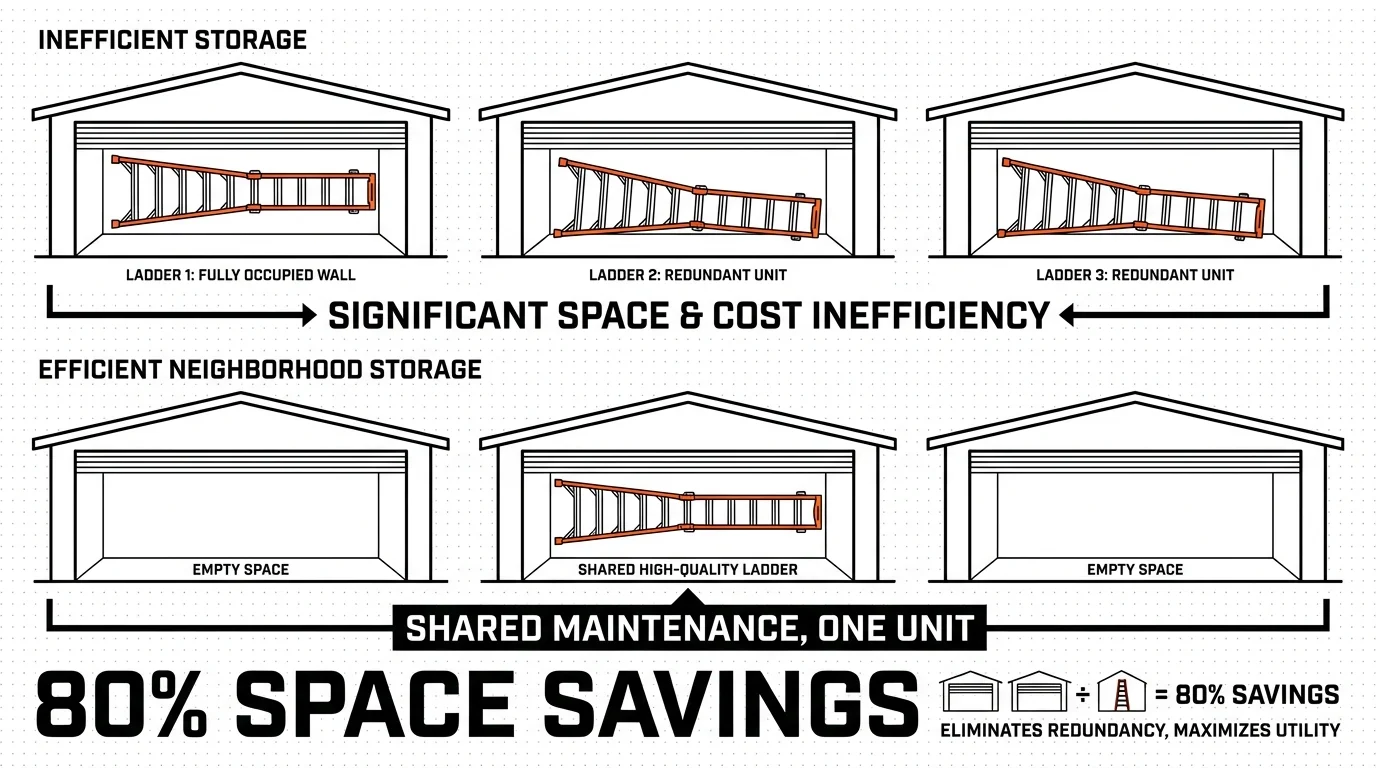
Paying $250 for a 24-foot aluminum extension ladder to clean your gutters twice a year is a classic budgeting error. Worse still is the absurd amount of wall space a ladder commands inside your garage. Because ladders are practically indestructible and require zero mechanical maintenance, they stand out as the ultimate shared neighborhood asset.
Rather than navigating the dangerous logistics of strapping a rented ladder to the roof of a compact sedan, neighbors are pooling funds for a top-tier, Type IA fiberglass extension ladder. One massive ladder easily services half a dozen homes on the same street. You get the heavy-duty stability required for safe roof access without absorbing the total retail cost.
Coordinate storage with the neighbor who possesses a large outdoor shed or an easily accessible side yard. You can secure the ladder to a fence post with a combination padlock and simply text the code to the contributing members. You instantly regain your garage wall space and keep $200 in your pocket for actual home improvement materials.
Tip #5: Specialized Utility Trailers
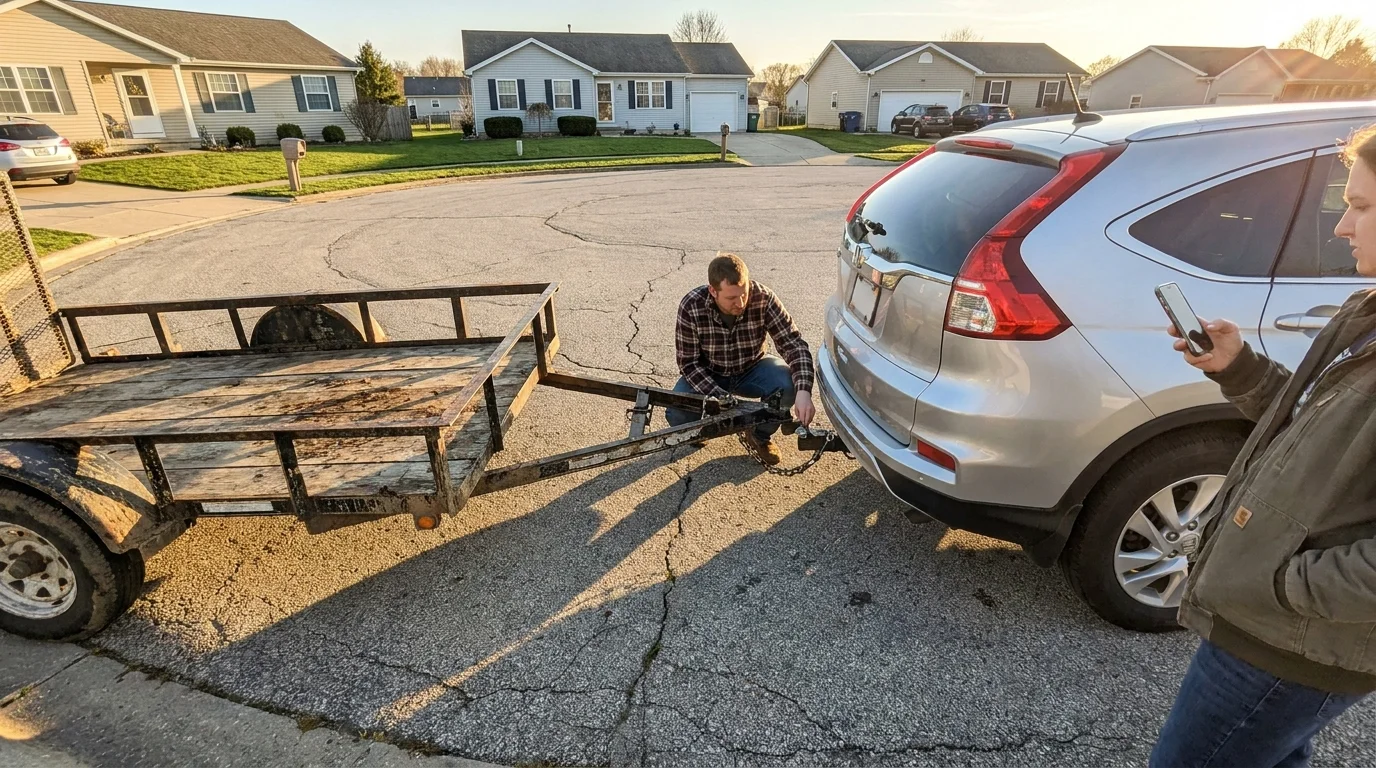
Hauling landscaping mulch, moving bulky furniture, and taking renovation debris to the local dump usually requires an expensive U-Haul rental or exorbitant delivery fees. A standard 5×8 utility trailer runs about $1,200. That is a steep price for a single household but an absolute bargain when divided among a trusted cul-de-sac.
Savvy homeowners form small purchasing syndicates to buy utility trailers. A four-way split costs $300 per person. That equals the cost of just three delivery fees from a commercial landscaping company. You immediately bypass the logistical nightmare of strict reservation times and hidden per-mile charges.
The designated titleholder registers the trailer and insures it, while the syndicate splits the annual tag renewal fee. Keep a shared digital calendar on your phone to book the trailer for weekend projects. This localized strategy dramatically expands your DIY capabilities without forcing anyone to purchase an expensive, gas-guzzling pickup truck.
Tip #6: Bulk Club Grocery Hauls
Buying in bulk mathematically saves money, but the warehouse club model actively forces you to overbuy perishable items. A fifty-pound bag of baking flour or a massive block of premium cheddar cheese will inevitably spoil before a single family can consume it. This built-in food waste destroys your anticipated savings.
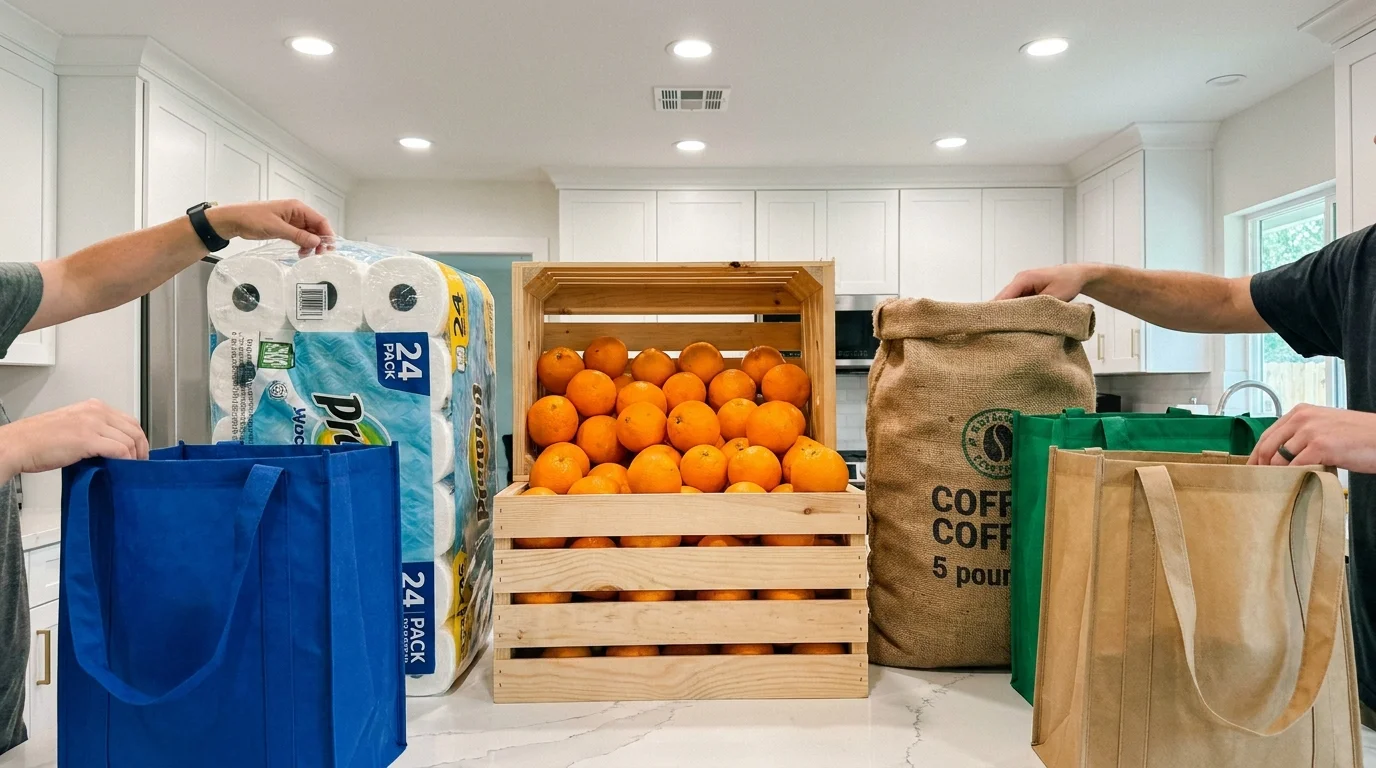
The most effective workaround happens right in your driveway. Frugal Americans apply the shared products strategy directly to their weekly grocery runs. Two or three families agree on bulk staples ahead of time. One person navigates the chaos of the warehouse club, makes the massive purchase, and brings the haul back to the neighborhood for immediate division.
By splitting these massive units, you secure the rock-bottom unit price reserved for commercial buyers without sacrificing your limited pantry space. Invest in a high-quality vacuum sealer to make this process seamless. You can divide and conquer the meat department with surgical precision, vacuum-sealing individual steaks for long-term freezer storage. You bypass the neighborhood grocery store markup entirely.

Tip #7: High-End Specialty Power Tools
Remodeling a master bathroom requires a specialized wet tile saw to cut through dense porcelain. Framing out a new basement requires a heavy-duty compound miter saw. These tools routinely cost over $350 each. Once the specific renovation project concludes, these expensive tools transform into heavy, useless paperweights that clutter your workbench.
Neighbors engaged in DIY home improvement bypass this trap by quietly building decentralized tool libraries on their street. Instead of everyone buying mid-tier equipment they rarely use, individuals purchase one premium, specialized tool and trade access. You buy the wet saw; your neighbor secures the rotary hammer drill; the homeowner across the street invests in a framing nailer.
This hyper-local barter system grants you immediate access to thousands of dollars worth of professional equipment without spending a dime beyond your initial purchase. The key to making this work involves establishing strict ground rules regarding tool consumables. If you borrow the wet saw for a weekend, you replace the diamond blade when it wears out. This professional courtesy ensures the equipment remains in top condition.
Tip #8: Premium Camping Gear and Coolers
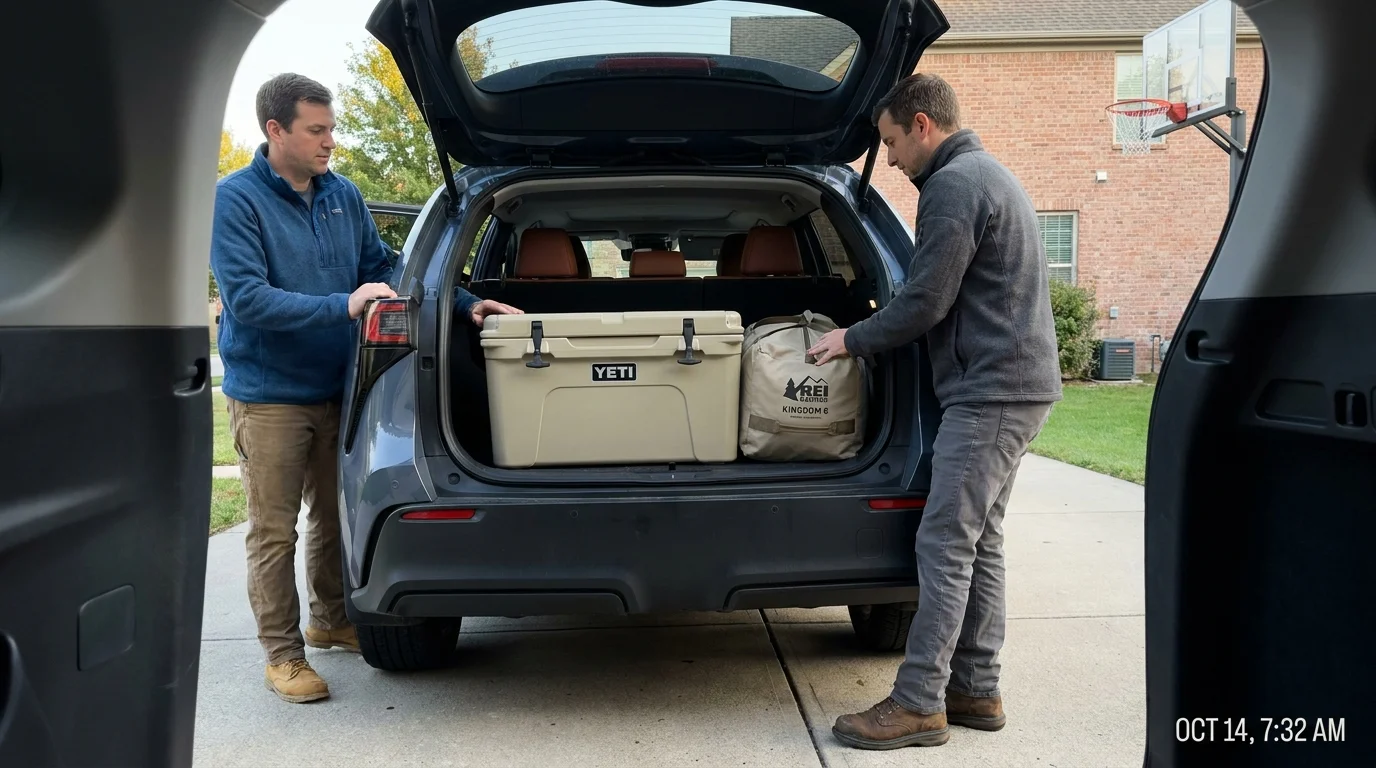
The outdoor recreation industry thrives on consumers buying expensive gear they use for exactly one long weekend in July. A premium, rotomolded cooler costs upwards of $350. A weatherproof, eight-person cabin tent easily runs $400. Storing this bulky gear in a hot attic or cramped garage creates unnecessary frustration.
Unless you operate as an avid, year-round outdoorsman, you should never fully fund this equipment. Smart families share their massive camping inventories with neighbors who maintain offsetting vacation schedules. You easily pass heavy-duty sleeping cots, massive coolers, and portable camp stoves back and forth across the property line.
Splitting the steep cost of a high-end cooler means you actually benefit from ice retention that lasts five full days without absorbing the entire luxury bill. You get the premium wilderness experience for a fraction of the price. Before exchanging the gear, wipe down the coolers with a mild bleach solution and thoroughly air-out the tents to prevent mildew.
Tip #9: Commercial Two-Stage Snow Blowers
Severe winter weather forces panicked homeowners into terrible financial decisions. A heavy-duty, two-stage snow blower capable of throwing heavy, wet sleet costs between $800 and $1,500. For geographic regions that only experience three or four major storms a season, that massive capital investment is mathematically unsound.
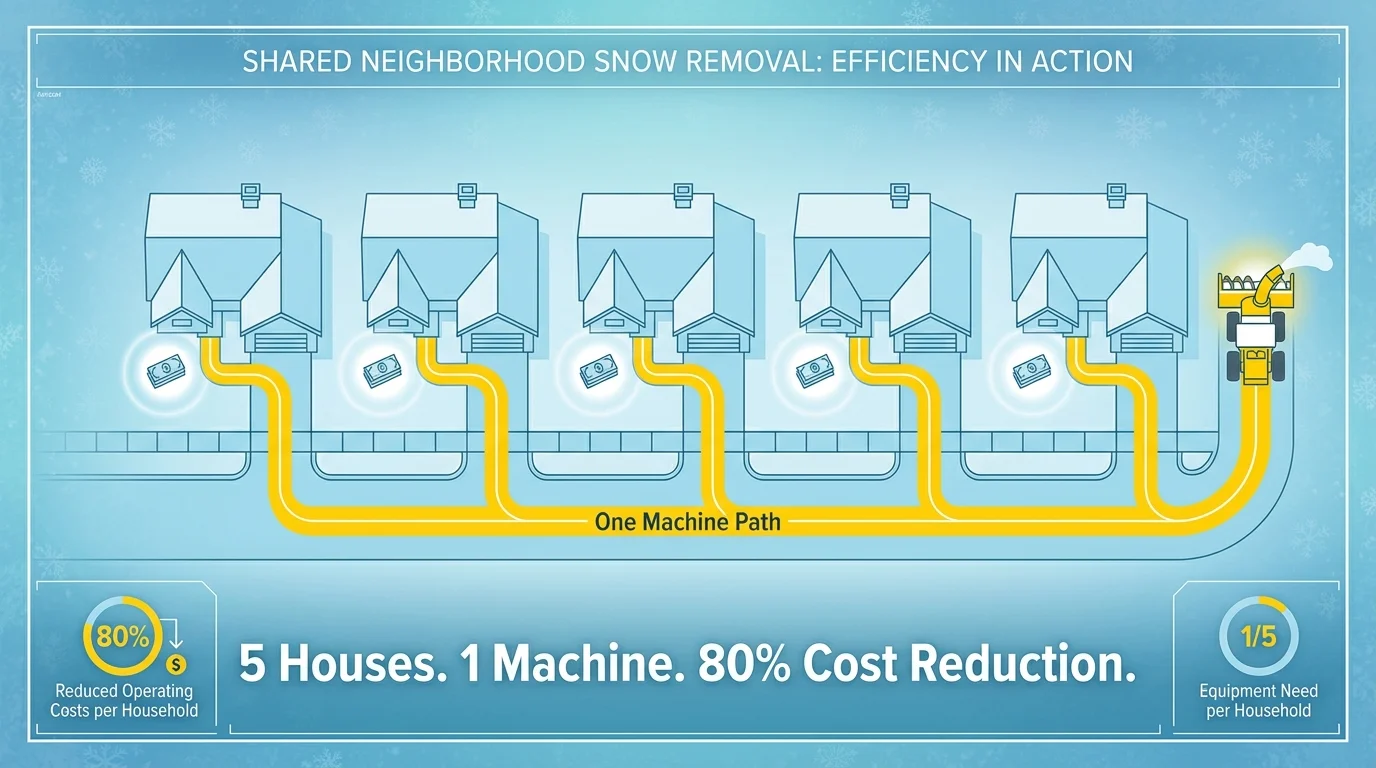
Savvy neighborhoods conquer winter logistics through collective budgeting. A block of three or four houses purchases one commercial-grade snow blower together. Because the properties sit directly adjacent to one another, moving the heavy machine from driveway to driveway takes mere seconds.
Often, these shared arrangements incorporate a highly effective sweat-equity clause. The person who hates manual shoveling the most agrees to operate the machine and clear all four driveways. In exchange, they pay a significantly smaller percentage of the machine’s initial purchase price. Everyone involved permanently avoids paying exorbitant fees to a private plow service.
Tip #10: Portable Inverter Generators
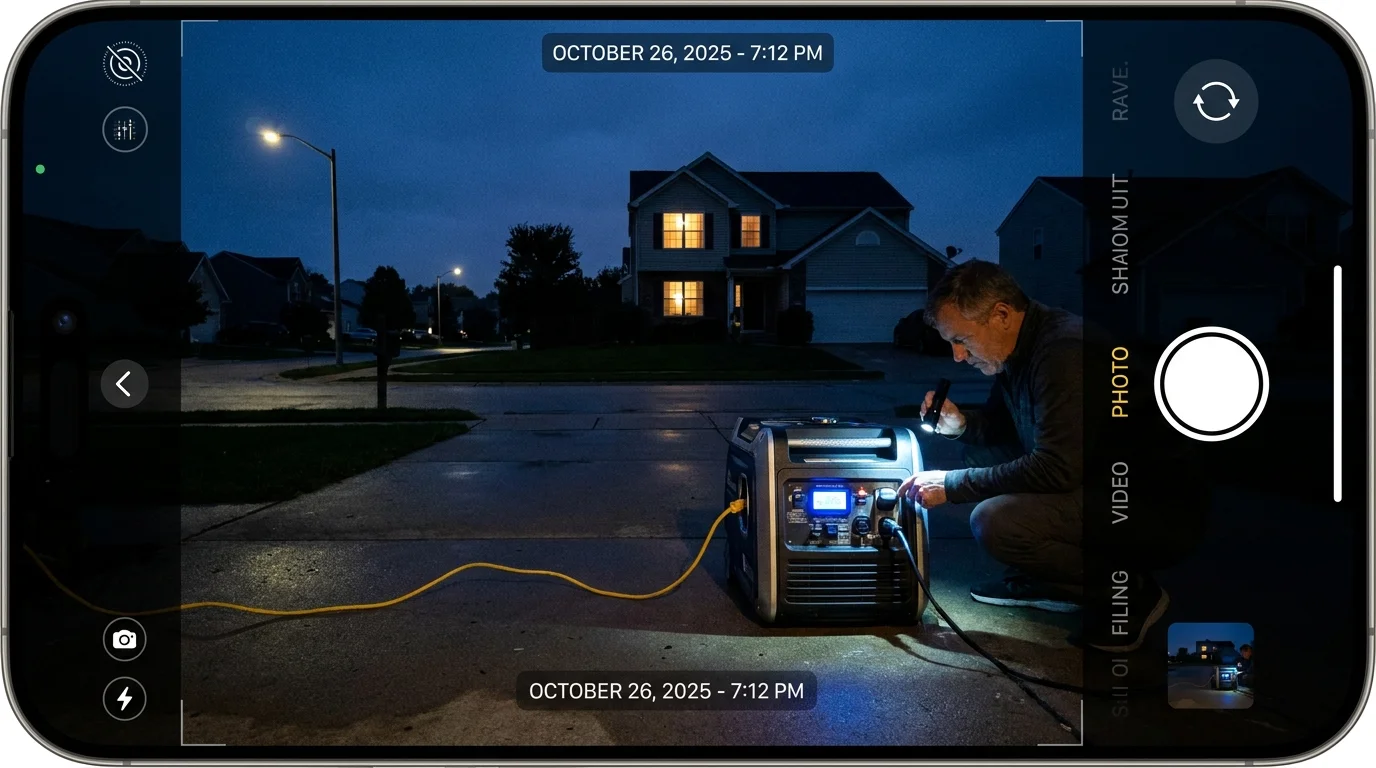
Power outages strike unpredictably. This harsh reality makes a backup generator a highly coveted but fundamentally underutilized asset. A reliable, quiet inverter generator running at 7500 watts costs around $1,000. Sole ownership requires regular test runs, rotating fresh fuel, and constant mechanical vigilance to ensure it actually fires up when the electrical grid goes dark.
Instead of an entire street drowning in the deafening noise of a dozen cheap, inefficient generators, strategic neighbors collaborate. You cannot power five entire houses simultaneously with a single portable unit, but you can intelligently share the resource to keep critical household systems alive during an emergency.
Neighbors rotate the generator every three to four hours during an extended blackout. You run the machine to cool down your refrigerators, charge your essential power banks, and operate the basement sump pump. Once your home stabilizes, you wheel the unit next door so your neighbors can save their expensive groceries. By splitting the steep cost of a premium inverter generator, you secure quiet, reliable emergency power without wrecking your emergency fund.

The Bottom Line: What This Means for Your Wallet
Financial independence requires ruthlessly cutting unnecessary expenses. Operating under the delusion that you must own every single item you occasionally use is a direct path to a depleted savings account. Ego and isolation are incredibly expensive habits to maintain in today’s economy.
By establishing a shared product network with your neighbors, you actively construct a localized micro-economy. You bypass retail markups, avoid the trap of planned obsolescence by affording commercial-grade equipment, and reclaim massive amounts of storage space in your home. Sharing expensive items is not about lacking the funds to buy them; it is about deploying your capital efficiently to maximize your wealth.
Talk to the people living next door. Identify the heavy-duty tools and seasonal items sitting idle in their sheds. Propose a small, mutually beneficial split on the next big hardware purchase. When you leverage the collective purchasing power of your street, you unlock a powerful tier of frugal living that protects your household budget.
Frequently Asked Questions
How do you handle a neighbor breaking a shared product?
Establish clear replacement rules before money ever changes hands. The standard neighborhood protocol dictates that normal wear and tear is split equally among all owners. However, if someone drops a pressure washer or breaks a ladder through sheer negligence, the at-fault party assumes the total cost of the repair or replacement. Draft a simple text message outlining these terms so everyone remains on the exact same page.
What is the most efficient way to split payments for a shared item?
Avoid cash transactions and complex informal IOUs. Use digital payment applications to handle the financial split immediately. One person acts as the primary purchaser to secure the store receipt and warranty information. The other neighbors instantly transfer their exact percentage of the final price, including local taxes, before the item even leaves the hardware store.
Is it awkward to ask a neighbor to share a purchase?
Pitch the idea strictly as a financial optimization strategy rather than a personal favor. Approach a neighbor you already trust and frame the conversation around beating inflation and saving garage space. Simply state that you want to buy a high-end tiller but hate the idea of it sitting unused for 360 days a year. Offer the financial split as a highly practical business arrangement.
How do you handle the shared arrangement if someone moves away?
The easiest exit strategy involves a standard buyout clause. If the neighbor storing the item moves, they can offer to buy out the remaining partners at a depreciated value, or they can surrender the item to the remaining owners for a small cash payout. Determine the expected lifespan of the tool upfront. If a neighbor leaves after five years of using a shared snow blower, the machine has already paid for itself in utility.
For consumer protection information, visit the Federal Trade Commission (FTC) and the Consumer Financial Protection Bureau (CFPB). For product safety and reviews, consult Consumer Reports.
Disclaimer: This article is for informational purposes only and does not constitute financial advice. The content reflects the author’s opinion and research at the time of writing. Always do your own research before making financial decisions.






Leave a Reply