
You can slash your monthly grocery bill by up to thirty percent when you stop falling for retail traps and start shopping with insider strategies. Supermarkets engineer every aisle to drain your wallet, but you hold the power to outsmart their psychological pricing and store layouts. Many older Americans rely on fixed incomes, making every dollar essential for long-term financial stability. By deploying a few unconventional tactics, you can protect your retiree budgeting efforts and keep more cash in the bank. These ten battle-tested shopping hacks will completely transform how you buy food. You will navigate the aisles with absolute confidence, dodge cleverly disguised markups, and master the art of frugal living without sacrificing the quality of your meals.
Trick #1: Exploit the First of the Month Restock Cycles
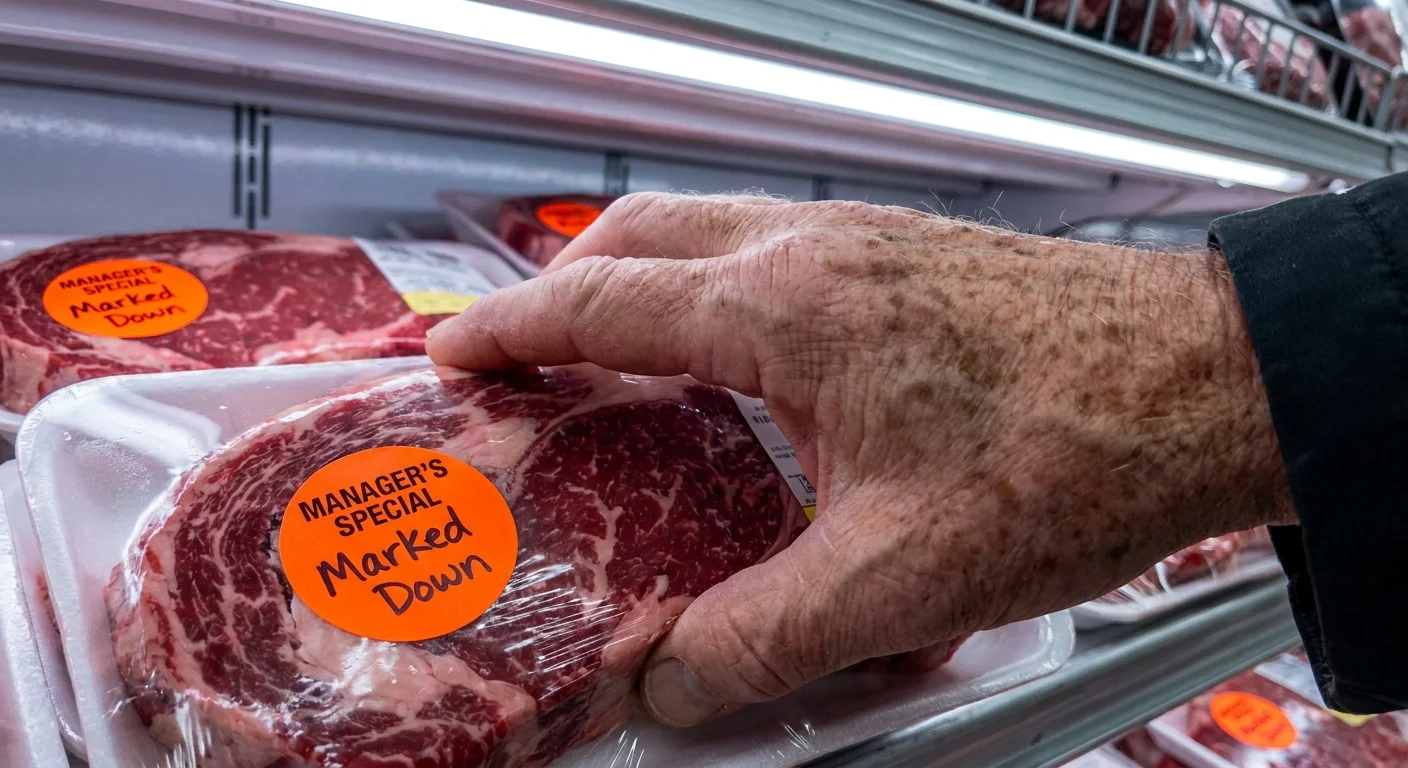
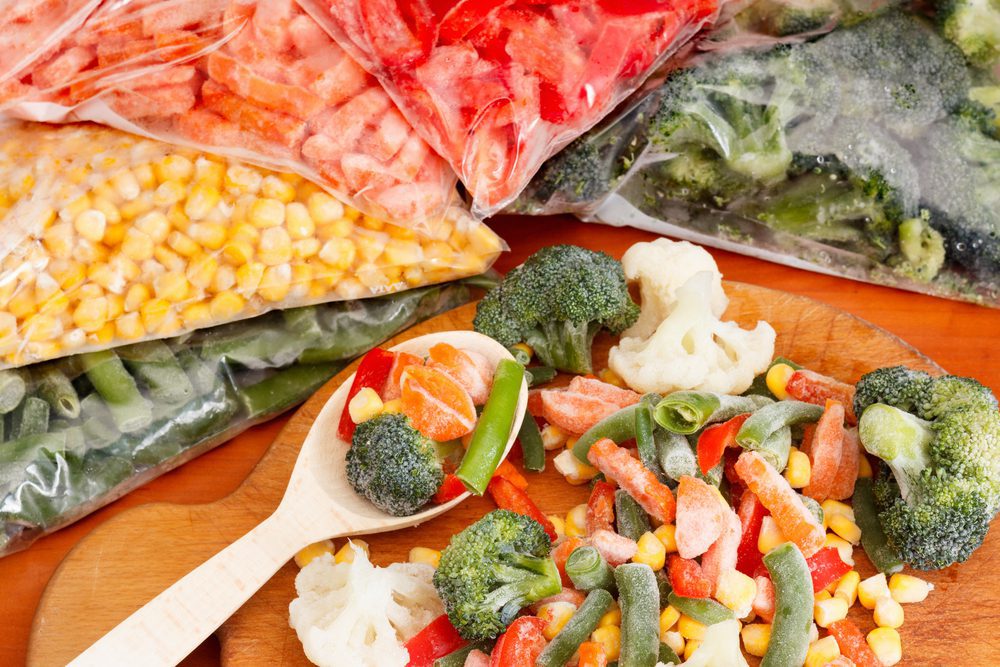
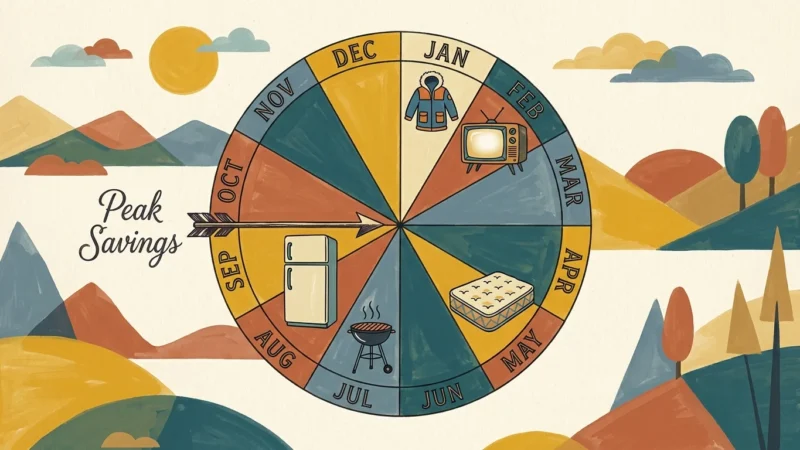
Stores operate on highly predictable inventory schedules tied directly to consumer cash flow. Because many government benefits and pensions arrive on the first of the month, supermarkets flood their floors with premium-priced displays to capture that sudden influx of cash. You can exploit this predictable rhythm by deliberately altering your shopping calendar. Wait until the initial buying frenzy dies down before you grab a cart. By the fifth or sixth day of the month, store managers realize they overstocked perishables like meat, dairy, and produce; they immediately slap bright clearance stickers on these items to clear shelf space. You walk in exactly when the prices plummet and scoop up premium cuts of beef or fresh vegetables for pennies on the dollar. Freeze the excess immediately to lock in the freshness. This simple timing adjustment ensures you capture the deepest discounts without sacrificing food quality. You completely bypass the retail traps designed to empty your wallet when it feels the heaviest. Smart timing fundamentally shifts the advantage away from the corporate grocer and places it right back into your hands.
Trick #2: Decrypt Shelf Tags and Reveal the True Unit Price
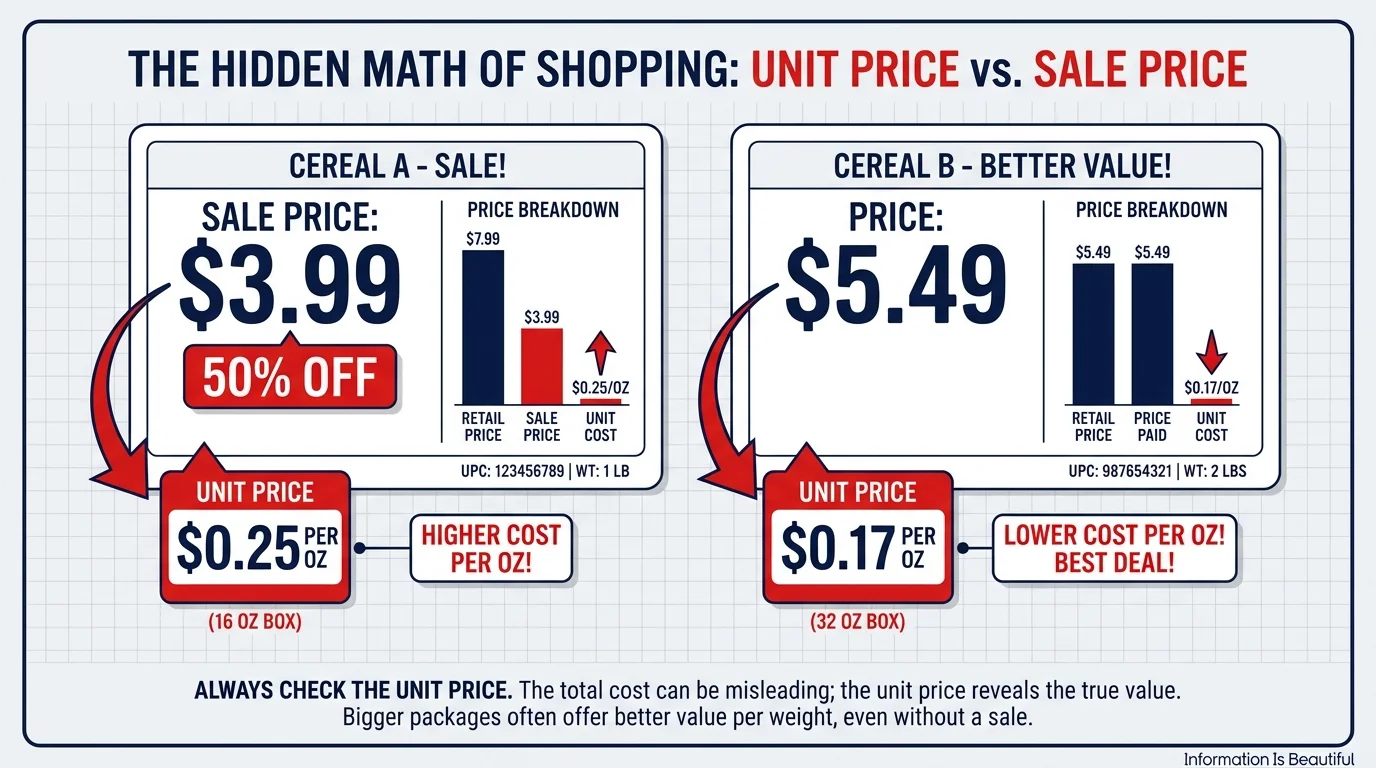
Supermarkets rely on visual trickery to convince you that larger packages always offer a better deal. They want you to grab the massive box of cereal or the gallon jug of mayonnaise without thinking twice. You must ignore the brightly colored promotional signs and zero in on the tiny, unassuming unit price printed in the corner of the shelf tag. This small number reveals the exact cost per ounce or per pound, completely neutralizing their packaging deception. Often, you will discover that buying two smaller jars costs significantly less per ounce than purchasing the bulk container. Manufacturers frequently shrink the contents of family-sized products while keeping the outer box identical—a sneaky tactic known as shrinkflation. By calculating the real cost of every item, you dismantle their pricing illusions and protect your groceries budget. Always bring a small calculator or use your smartphone to verify the math if the shelf tags look suspicious. Cultivating this hyper-vigilant approach protects your fixed income from invisible markups and ensures you never pay a premium simply for a larger cardboard box.
Trick #3: Demand Rain Checks for Out-of-Stock Sale Items
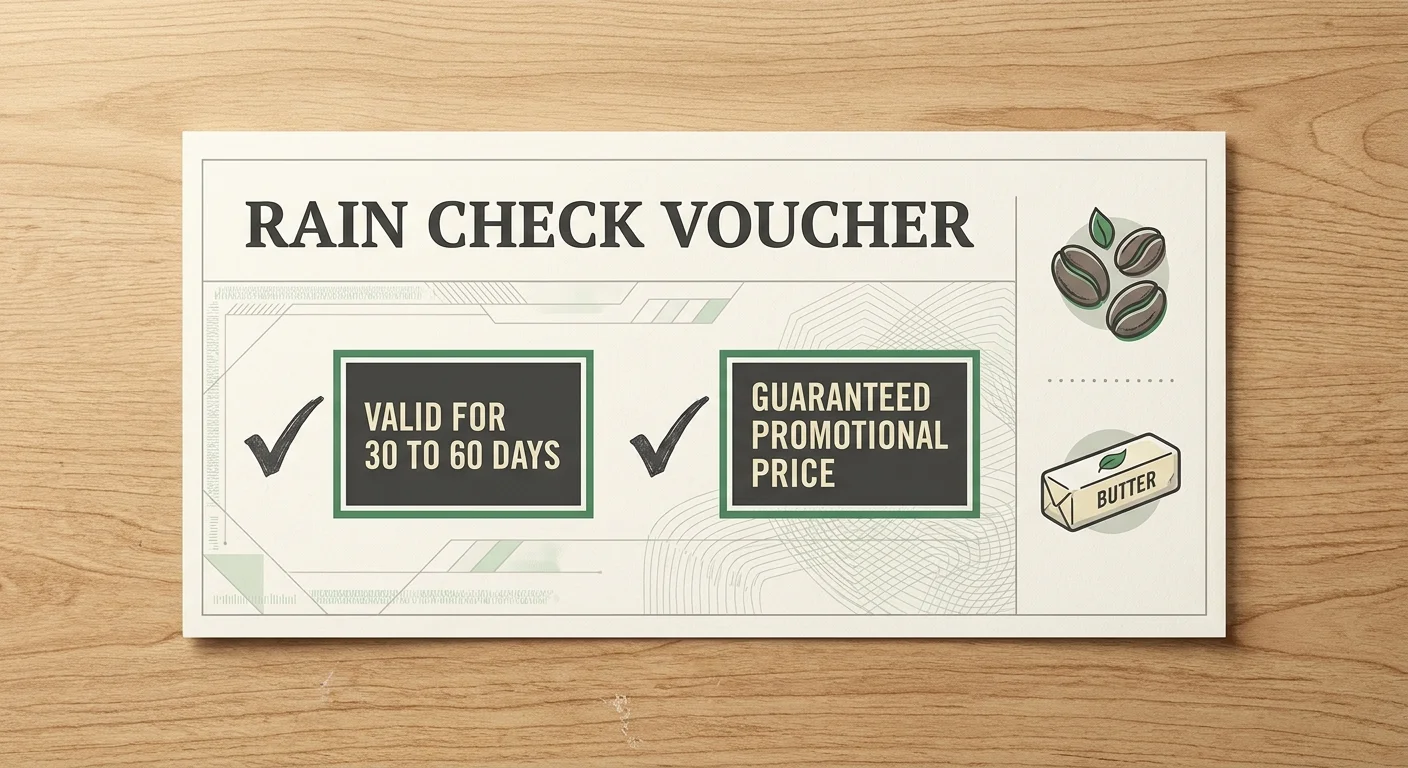
When supermarkets heavily advertise rock-bottom prices on staples like coffee, butter, or paper towels, they often stock just enough inventory to lure you inside. Once those deeply discounted loss leaders disappear from the shelves, management expects you to settle for a more expensive alternative. Never accept this bait-and-switch maneuver. Instead, march straight to the customer service desk and demand a rain check. A rain check acts as a legally binding store voucher that locks in the promotional price for a future visit, typically remaining valid for thirty to sixty days. Most shoppers feel too intimidated or rushed to ask for this simple document. You must treat rain checks as an absolutely essential tool for serious grocery savings. When the store eventually restocks the item, you purchase it at the heavily discounted rate while everyone else pays full price. Keep a dedicated envelope in your purse or wallet specifically for these slips. Tracking and redeeming rain checks forces the supermarket to honor their initial promise, guaranteeing you score the deal on your own schedule.
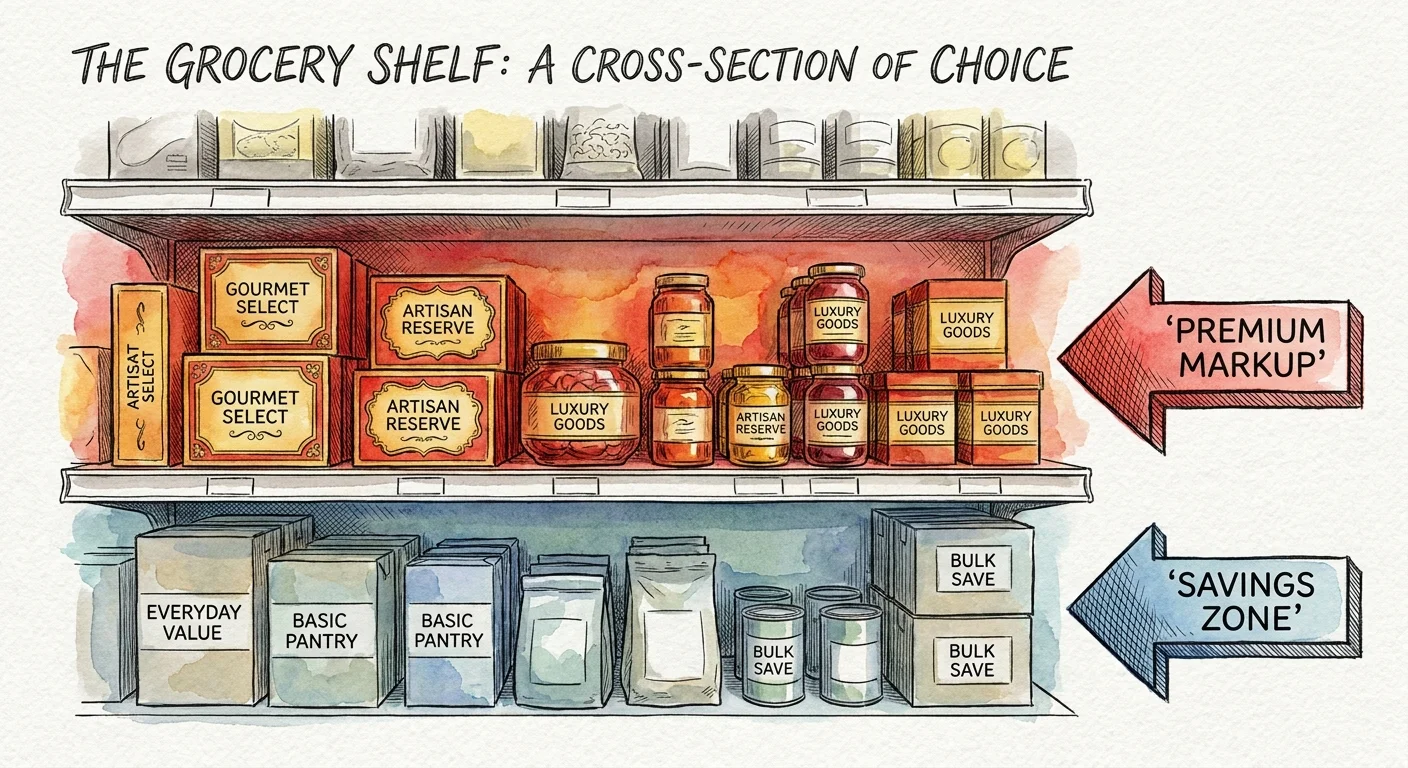
Trick #4: Dodge the Eye-Level Premium Markups
Corporate food conglomerates pay massive slotting fees to guarantee their expensive, highly processed products sit exactly at your eye level. Supermarkets design this visual real estate specifically to catch your attention and trigger impulse purchases. They know most shoppers will blindly grab whatever requires the least physical effort. You can break this expensive habit by simply shifting your gaze. The most significant grocery savings hide on the highest and lowest shelves. Independent brands, regional manufacturers, and generic store-label products occupy these peripheral zones because they refuse to pay the exorbitant placement fees. These alternative items frequently feature identical ingredients, equal nutritional value, and significantly lower price tags. When you shop for canned goods, baking supplies, or dry pasta, force yourself to scan the bottom racks first. You will instantly spot price discrepancies that expose the eye-level markup for the scam it truly is. Bending down or reaching up requires a fraction more effort; however, this simple physical adjustment dramatically reduces your total checkout cost week after week.

Trick #5: Negotiate Directly with the Meat Department
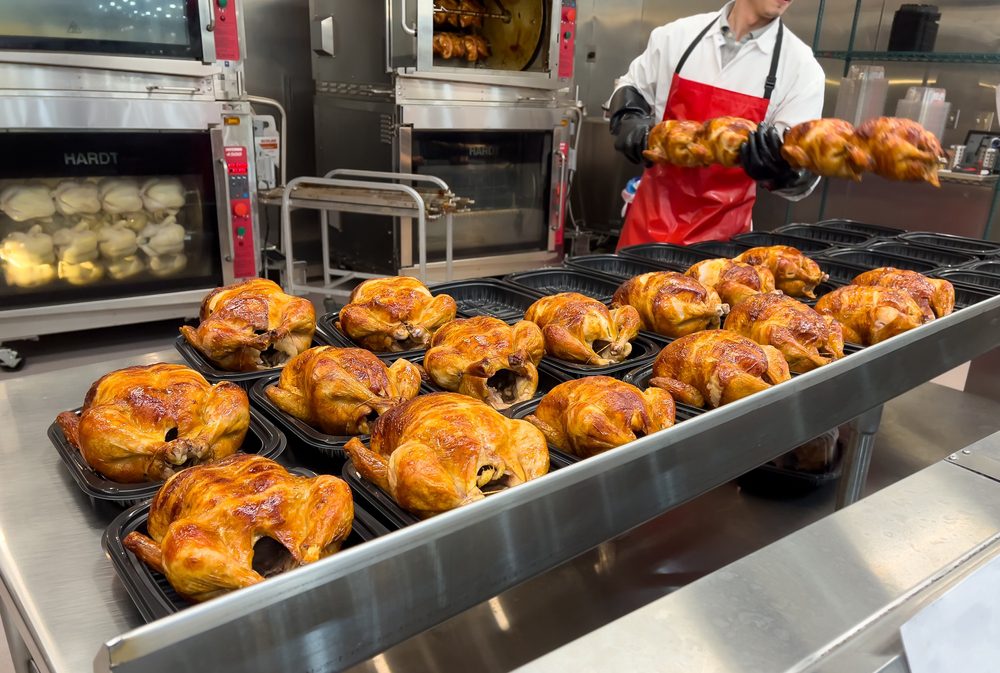
The meat counter represents the most expensive territory in any grocery store, but it also offers the greatest room for bold negotiation. Most shoppers treat the sticker price on chicken, beef, and pork as absolute law. You need to view these printed prices as opening offers. Supermarket butchers possess the authority to adjust prices, split massive family packs, and mark down items nearing their sell-by dates. If you spot a high-quality roast or a package of steaks expiring tomorrow, ring the service bell and politely ask the butcher for a discount. They would much rather sell the meat to you at a thirty percent reduction than throw it in the dumpster at closing time. Furthermore, if a recipe calls for half a pound of ground turkey but the store only sells one-pound bricks, ask the meat department to divide it for you. They will weigh the smaller portion and print a new, cheaper barcode. Building a friendly rapport with your local butcher unlocks a hidden tier of savings and completely changes how you source your protein.
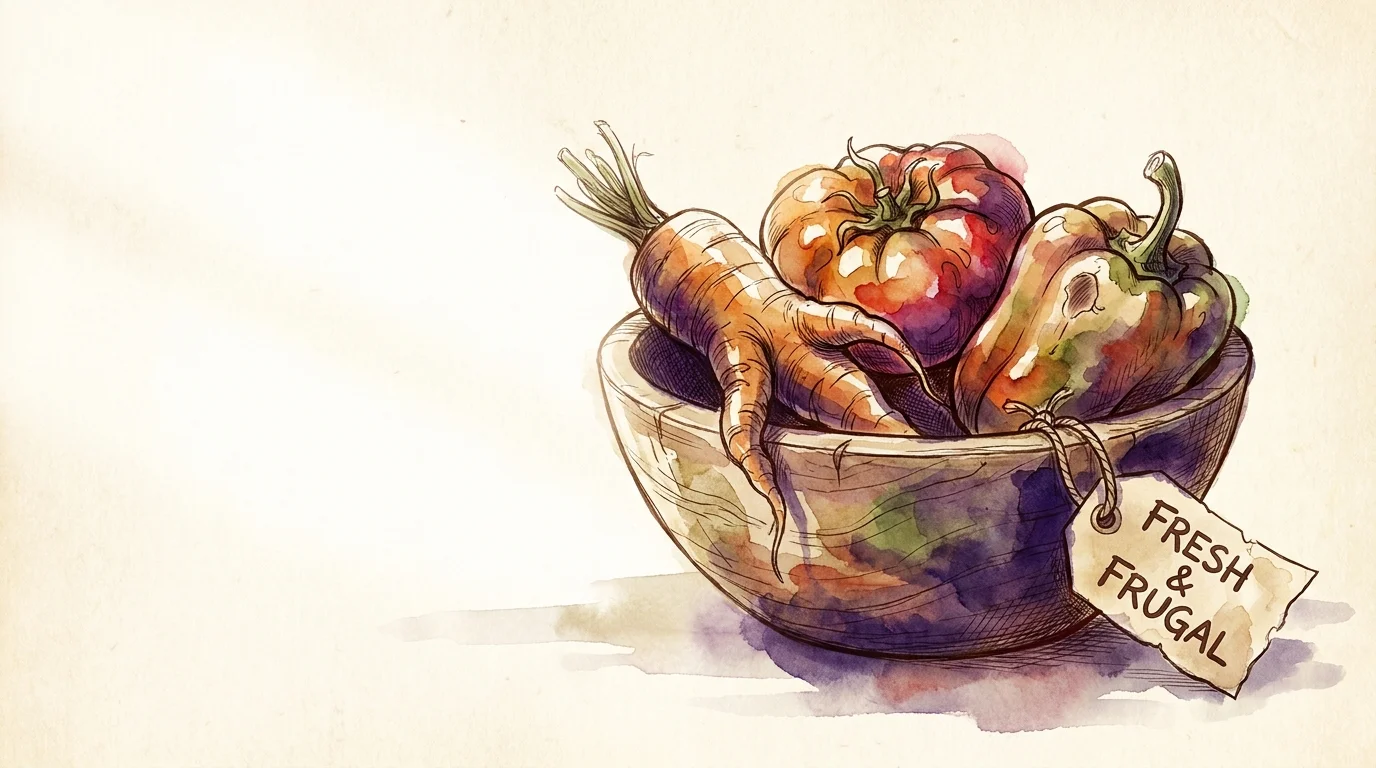
Trick #6: Capitalize on Ugly Produce Discounts
America throws away billions of pounds of perfectly edible food every year simply because it looks slightly asymmetrical. Supermarkets enforce incredibly strict cosmetic standards for their fresh produce, rejecting apples with minor blemishes or oddly curved carrots. However, a growing number of progressive stores now feature dedicated clearance racks for ugly produce that fails to meet these superficial criteria. You must actively hunt down these markdown carts, which managers usually tuck away near the back of the produce section or near the swinging stockroom doors. A bruised tomato or a slightly wilted bell pepper tastes exactly the same when diced into a savory stew, blended into a morning smoothie, or roasted in the oven. You can consistently secure heavy bags of these imperfect fruits and vegetables for mere fractions of their original cost. Buying ugly produce slashes your grocery bill and actively fights food waste. Inspect the items to ensure they remain firm, take them home, and prep them immediately. This strategy delivers premium nutrition without the massive premium price tag.
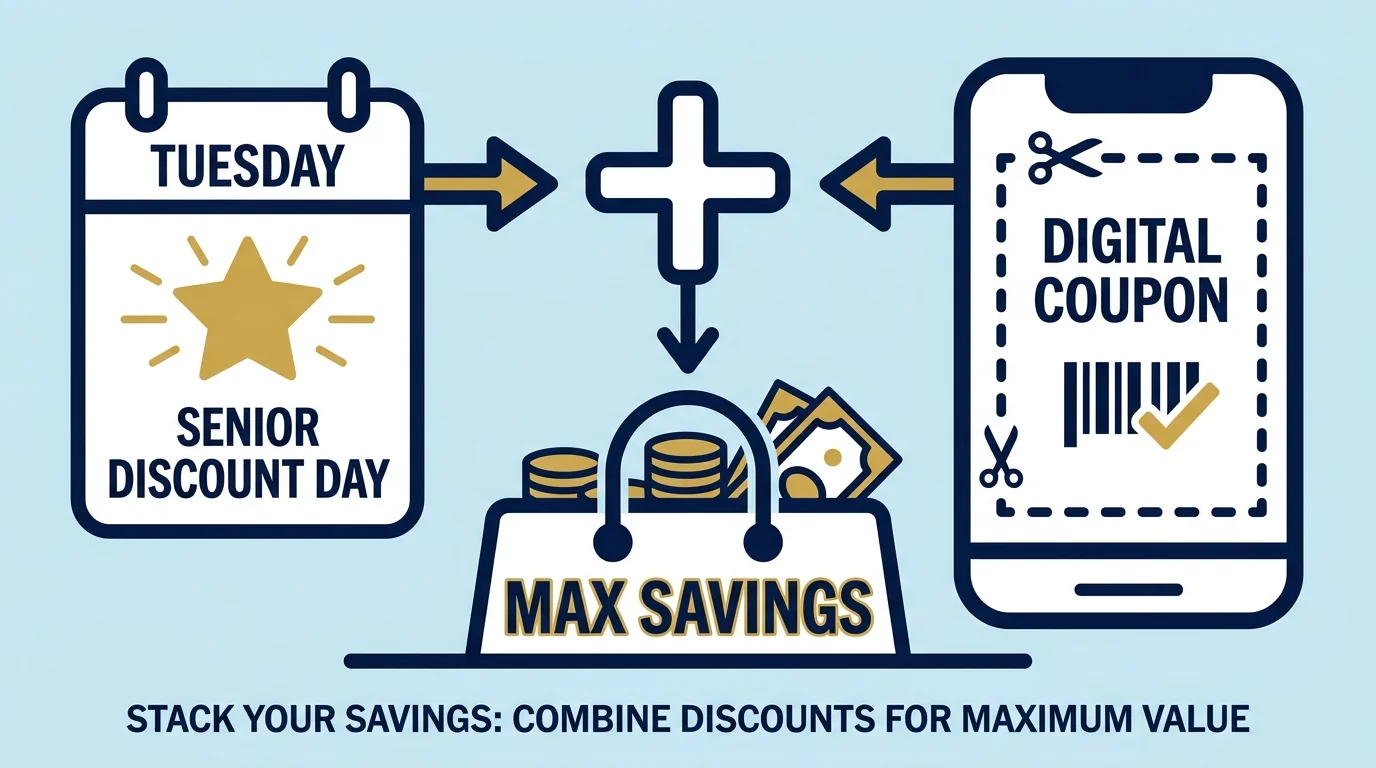
Trick #7: Stack Senior Discount Days with Digital Coupons
Many regional grocery chains dedicate a specific day of the week to honor older shoppers, typically offering a flat ten percent discount across the entire store. Most people flash their identification, take their modest reduction, and walk out feeling victorious. You must push this advantage further by aggressively stacking your senior discount with modern digital promotions. Before you set foot inside the building, download the supermarket’s official smartphone application and digitally clip every manufacturer coupon relevant to your shopping list. Supermarket billing systems generally apply the senior percentage discount to your total after scanning your loyalty card, but before subtracting manufacturer coupons. By combining these two distinct savings mechanisms, you essentially double-dip on the final price. A box of oatmeal already on sale becomes staggeringly cheap when you apply a fifty-cent digital coupon and then shave an additional ten percent off the top. Mastering this layered approach requires a few minutes of digital prep work at home; however, it represents the absolute pinnacle of strategic frugal living.
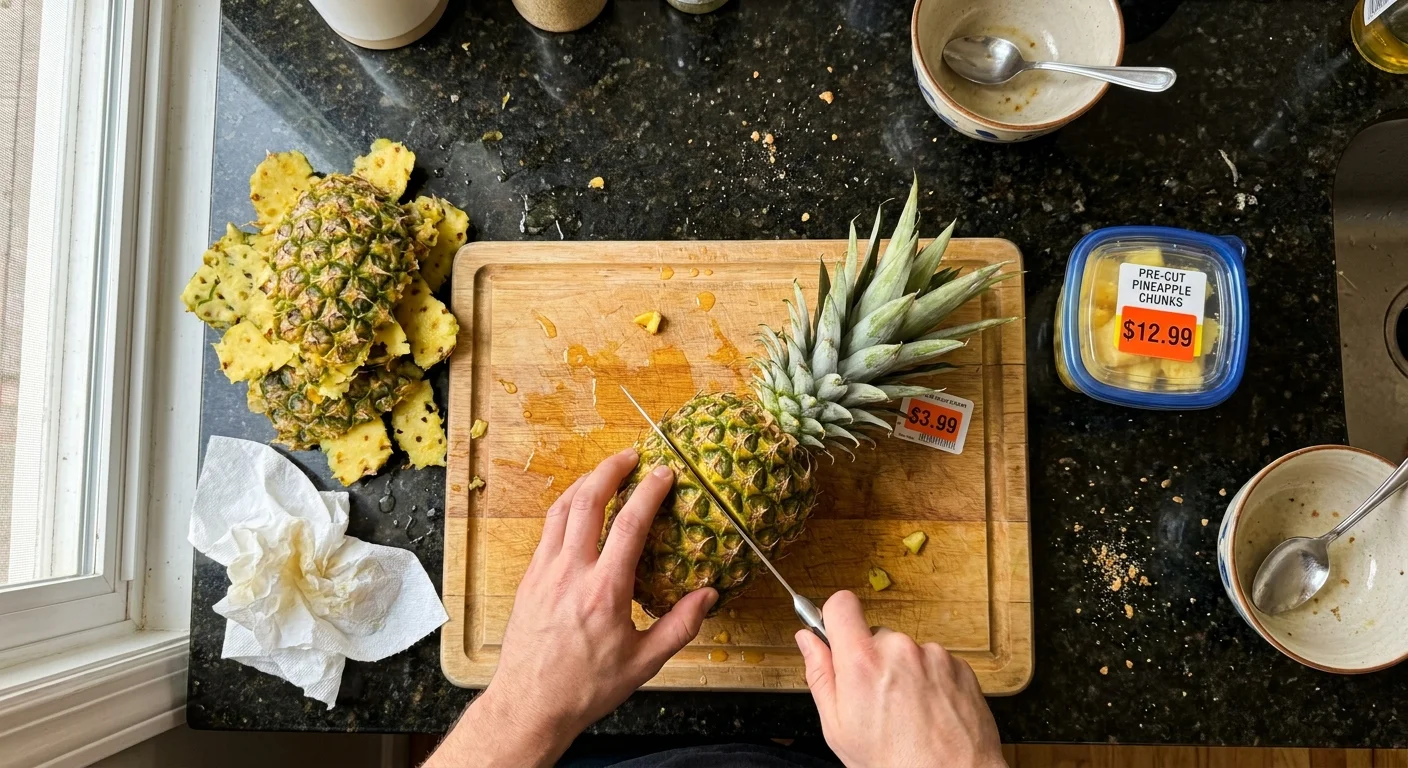
Trick #8: Ditch the Pre-Cut Convenience Foods
Supermarkets ruthlessly exploit your desire for convenience by heavily marketing pre-chopped onions, sliced melon, and bagged salads. They position these pristine plastic containers at the front of the produce section to tempt you when you feel tired or rushed. You must ignore these massive profit traps. Stores routinely mark up pre-cut fruits and vegetables by three hundred percent or more compared to their whole counterparts. You are literally paying a premium hourly wage to an unseen store employee just to wield a knife. Beyond the outrageous cost, pre-cut produce deteriorates much faster and carries a higher risk of bacterial contamination due to the additional factory processing steps. Reclaim your money by purchasing whole, untouched ingredients. Dedicate twenty minutes on a Sunday afternoon to wash, peel, and chop your weekly vegetables yourself. Store them in airtight glass containers in your refrigerator. This straightforward habit not only slashes your spending but also dramatically extends the shelf life and crispness of your food. Stop paying corporate grocers for basic knife skills you already possess.
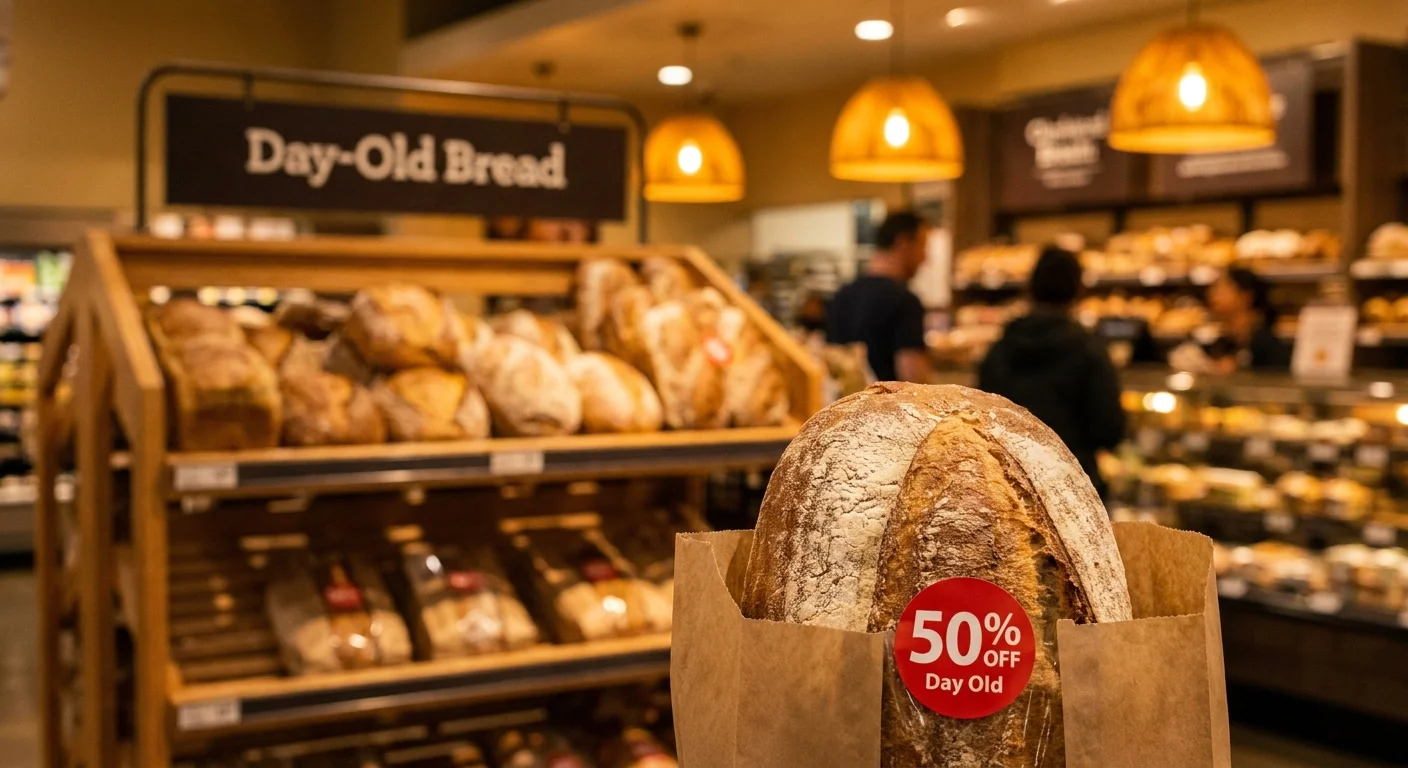
Trick #9: Leverage the Bakery Day-Old Clearance Rack
The unmistakable aroma of fresh bread wafting through the supermarket operates as a carefully calculated psychological trigger designed to make you overspend. The in-house bakery wants you to purchase warm, crusty loaves at full retail price the exact moment they emerge from the oven. You can easily outsmart this sensory tactic by seeking out the day-old clearance rack. Bakery items possess a notoriously short shelf life in the eyes of a retail manager. After just twenty-four hours, bagels, muffins, and artisan breads face abrupt downgrades and managers price them to move immediately. You can routinely find exceptional baked goods marked down by fifty to seventy percent simply because they survived one sunset. The secret to maximizing this trick lies inside your kitchen freezer. Buy the discounted bread, take it home, slice it immediately, and freeze the pieces in heavy-duty bags. When you toast a frozen slice, the intense heat instantly revives the cellular structure, restoring the original texture and flavor. You enjoy premium carbohydrates while paying far less than you would for heavily processed sandwich bread.
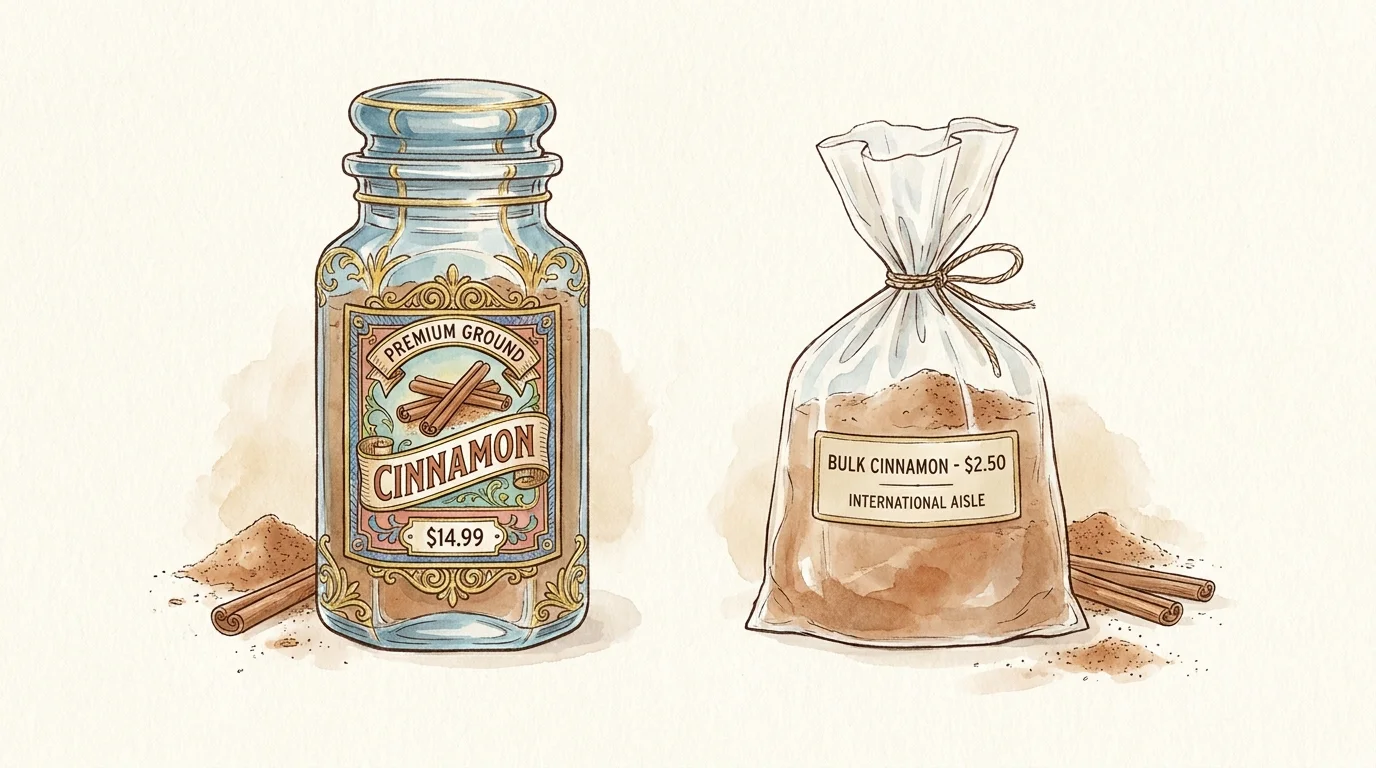
Trick #10: Skip the Name-Brand Spices and Baking Supplies
Brand-name spices and baking extracts command outrageous prices based entirely on fancy glass packaging and decades of relentless marketing. When you buy a tiny jar of basil or a small bottle of vanilla extract from a major national brand, you pay for expensive television advertising campaigns rather than superior flavor. You must permanently abandon the main baking aisle for these essential pantry items. Instead, navigate directly to the international or ethnic food section of your local supermarket. Here, you will find large cellophane bags of oregano, cumin, cinnamon, and garlic powder sold by regional importers. These spices originate from the exact same global suppliers as the famous brands but cost seventy to eighty percent less per ounce. You can simply pour these inexpensive spices into your existing empty jars at home. Additionally, explore the store-brand alternatives for sugar, flour, and baking soda. Federal regulations heavily dictate the composition of these basic ingredients, guaranteeing that the generic store label performs identically to the expensive name brand. Strip away the marketing illusion, and keep the massive savings for yourself.
The Bottom Line: What This Means for Your Wallet
Mastering the grocery store environment transforms a frustrating weekly chore into a highly profitable endeavor. The supermarket industry relies on your complacency and fatigue to drive their profit margins higher. They meticulously engineer their floor plans, shelf tags, and product placements to separate you from your hard-earned money. By adopting an aggressive, informed approach to shopping, you reclaim control over your monthly budget. Implementing these ten tricks ensures you never overpay for basic necessities again. Whether you demand a rain check for a sold-out item, decode the true unit price hidden on a shelf tag, or negotiate directly with the local butcher, every action you take actively defends your financial independence. Over the course of a year, shaving twenty to thirty percent off your grocery bills translates into thousands of dollars saved. That extra cash provides a crucial buffer for your retiree budgeting plans and allows you to enjoy a higher standard of living. Stay vigilant, stick to your list, and treat every trip to the supermarket as a strategic game you intend to win.
Frequently Asked Questions
Do generic store brands really taste exactly the same as name brands?
Yes, in the vast majority of cases, generic and name-brand products originate from the exact same manufacturing facilities. The core ingredients and nutritional profiles remain identical; the only real difference lies in the packaging and the massive corporate marketing budgets. You can comfortably switch to generic baking staples, canned vegetables, and dry grains without noticing any drop in flavor or quality.
Can I use digital coupons if I do not own a smartphone?
Absolutely. If you prefer not to use a smartphone, you can access your supermarket account through a standard desktop or laptop computer. Simply log into the store’s website, link your physical loyalty card, and manually clip the digital coupons. The savings will automatically apply at the register when the cashier scans your card or enters your phone number.
What should I do if a cashier refuses to honor a valid rain check?
Cashiers occasionally misunderstand store policies regarding rain checks and promotional pricing. If you encounter resistance, remain polite but firm, and immediately request to speak with the front-end manager or the customer service director. Managers possess the authority to manually override the register system and honor the rain check, ensuring you receive the discounted price you rightfully secured.
Is buying bulk items at warehouse clubs better than using these supermarket tricks?
Warehouse clubs offer excellent deals on certain non-perishable items, but they require hefty annual membership fees and often force you to buy quantities too massive for a standard one- or two-person senior household. Buying in bulk frequently leads to food waste when perishables spoil before you can consume them. Leveraging supermarket hacks allows you to buy exactly what you need while still capturing bottom-dollar prices.
For consumer protection information, visit the Federal Trade Commission (FTC) and the Consumer Financial Protection Bureau (CFPB). For product safety and reviews, consult Consumer Reports.
Disclaimer: This article is for informational purposes only and does not constitute financial advice. The content reflects the author’s opinion and research at the time of writing. Always do your own research before making financial decisions.




Leave a Reply