
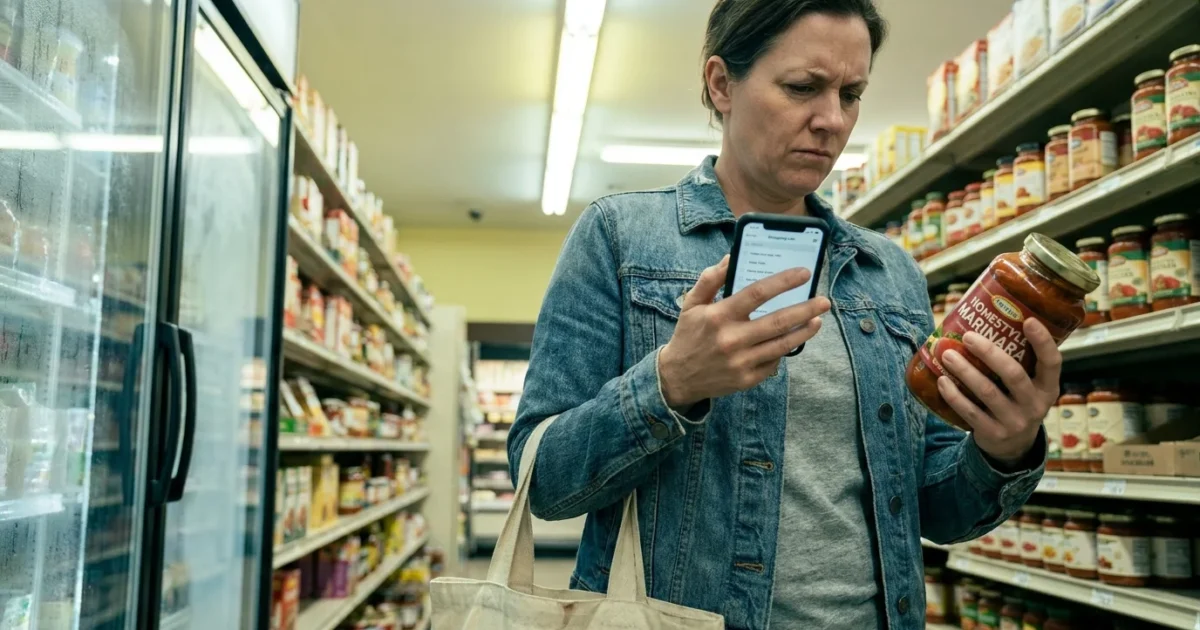
Supermarkets operate on razor-thin margins, so they employ teams of psychologists and data analysts to extract as much cash from your wallet as possible every time you walk through their automatic doors. With grocery inflation straining budgets across the country, blindly tossing items into your cart guarantees you are overpaying. You need to flip the script and shop defensively. By identifying and eliminating the specific shopping habits that trigger impulse buys and disguised markups, you can slash your monthly grocery bill by hundreds of dollars without sacrificing the foods you love. The secret lies in outsmarting the store layout, recognizing deceptive pricing structures, and leaving your emotional attachments to name brands at home.

Tip #1: Shopping Without a Hard Grocery List
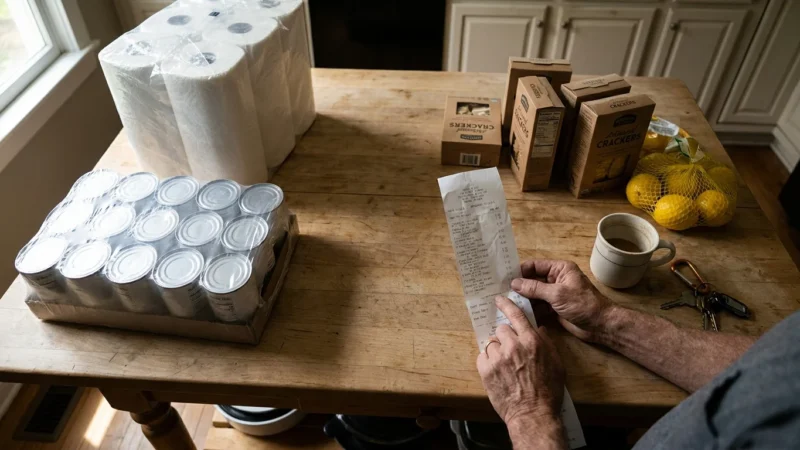
Walking into a supermarket without a physical or digital list leaves you entirely vulnerable to the store’s carefully engineered marketing traps. Retailers design their layouts to maximize your dwell time and expose you to high-margin impulse items like specialty cheeses, seasonal snacks, and endcap promotions. When you shop strictly from memory, you inevitably forget staples and substitute them with expensive alternatives, or worse, you toss in promotions simply because the brightly colored signage suggests a bargain. A rigid list acts as your financial armor against this psychological warfare. To build an effective list, you must audit your pantry, freezer, and refrigerator first. Next, plan your weekly meals exclusively around the ingredients you already own, only adding the missing components to your list. Write down exactly what you need, and physically cross off each item as it lands in your cart. If a product does not appear on your checklist, you do not buy it. Strict adherence to this rule prevents you from grabbing pricey new condiments or artisanal breads that will ultimately rot in your kitchen.
Tip #2: Paying Premium Prices for Pre-Cut Convenience Produce
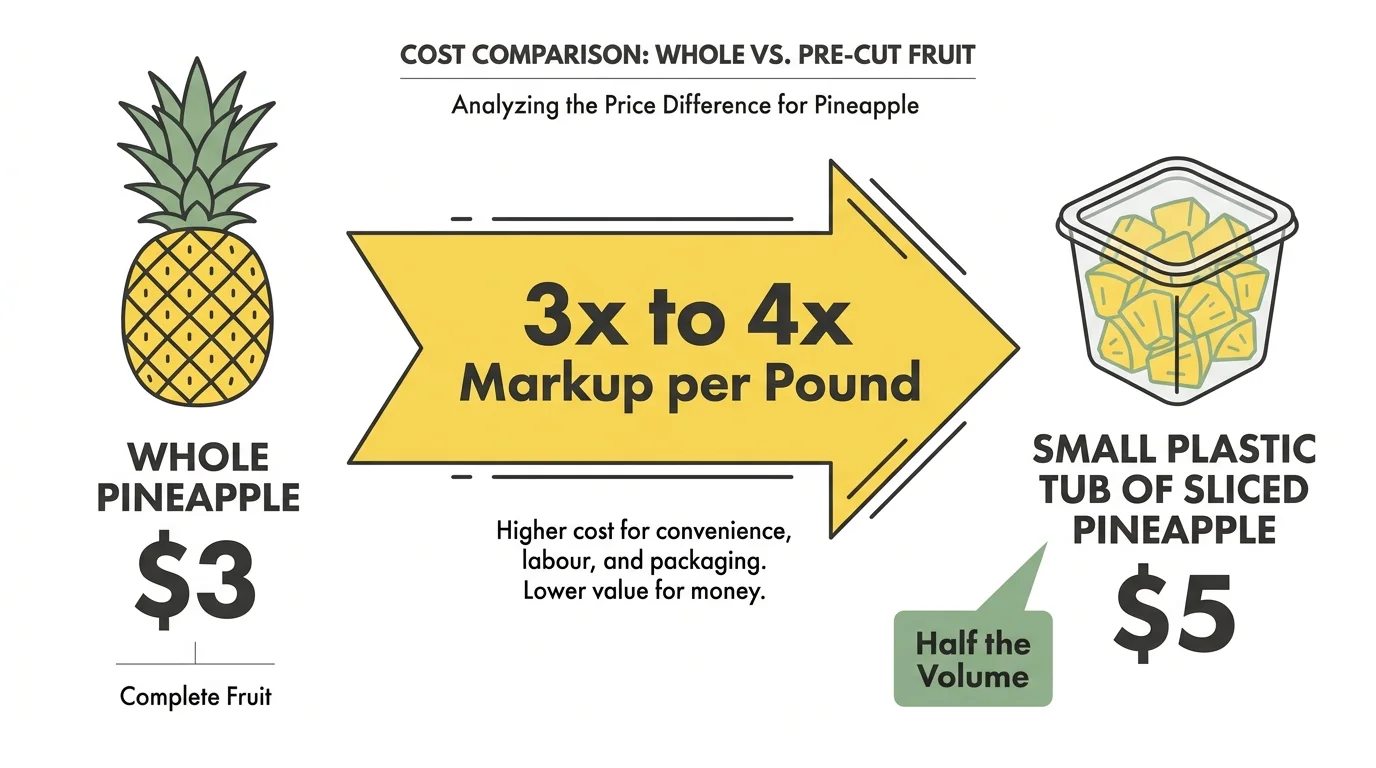
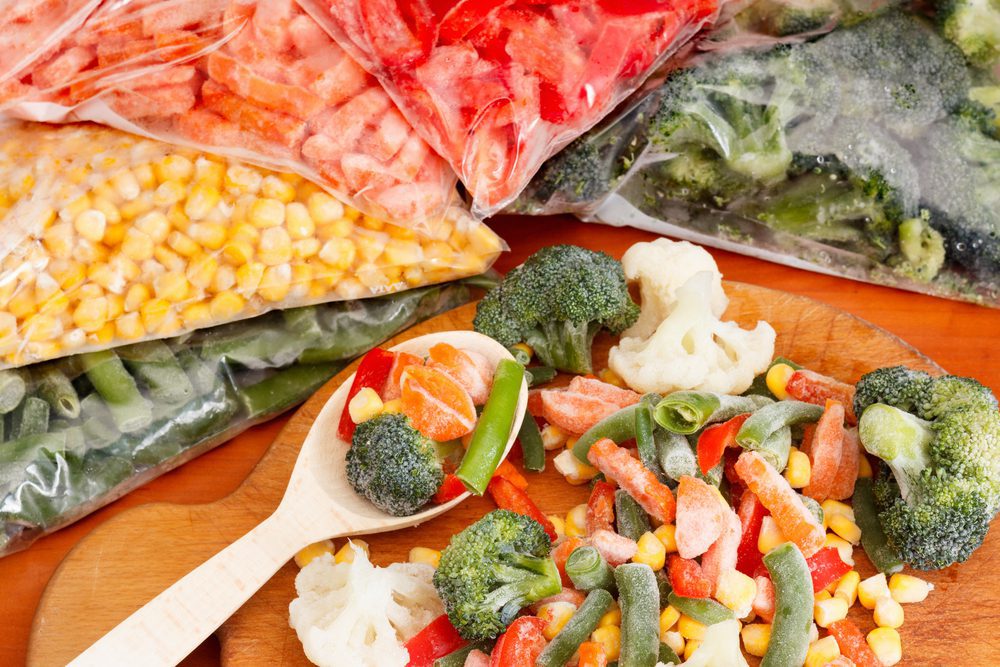
Grocers know you value your time, and they exploit that desire by charging staggering markups on pre-cut fruits and vegetables. When you grab a plastic tub of diced onions, cubed watermelon, or spiralized zucchini, you often pay three to four times the price per pound compared to the whole, unprocessed version of the exact same food. For example, a whole pineapple might cost three dollars, but a small plastic container of sliced pineapple chunks can easily run you five dollars for half the volume. Beyond the immediate financial drain, pre-cut produce oxidizes faster, loses essential nutritional value, and spoils far more quickly than intact fruits and vegetables, drastically increasing your risk of food waste. You also end up paying for unnecessary single-use plastics that clutter your home. To reclaim that wasted cash, invest in a high-quality chef’s knife and spend fifteen extra minutes chopping your own produce on Sunday afternoon. If you absolutely despise dicing vegetables, purchase frozen pre-cut options. Manufacturers flash-freeze these vegetables at peak ripeness, and they cost a fraction of the price of the fresh deli alternatives.
Tip #3: Ignoring the Truth of the Unit Price Tag
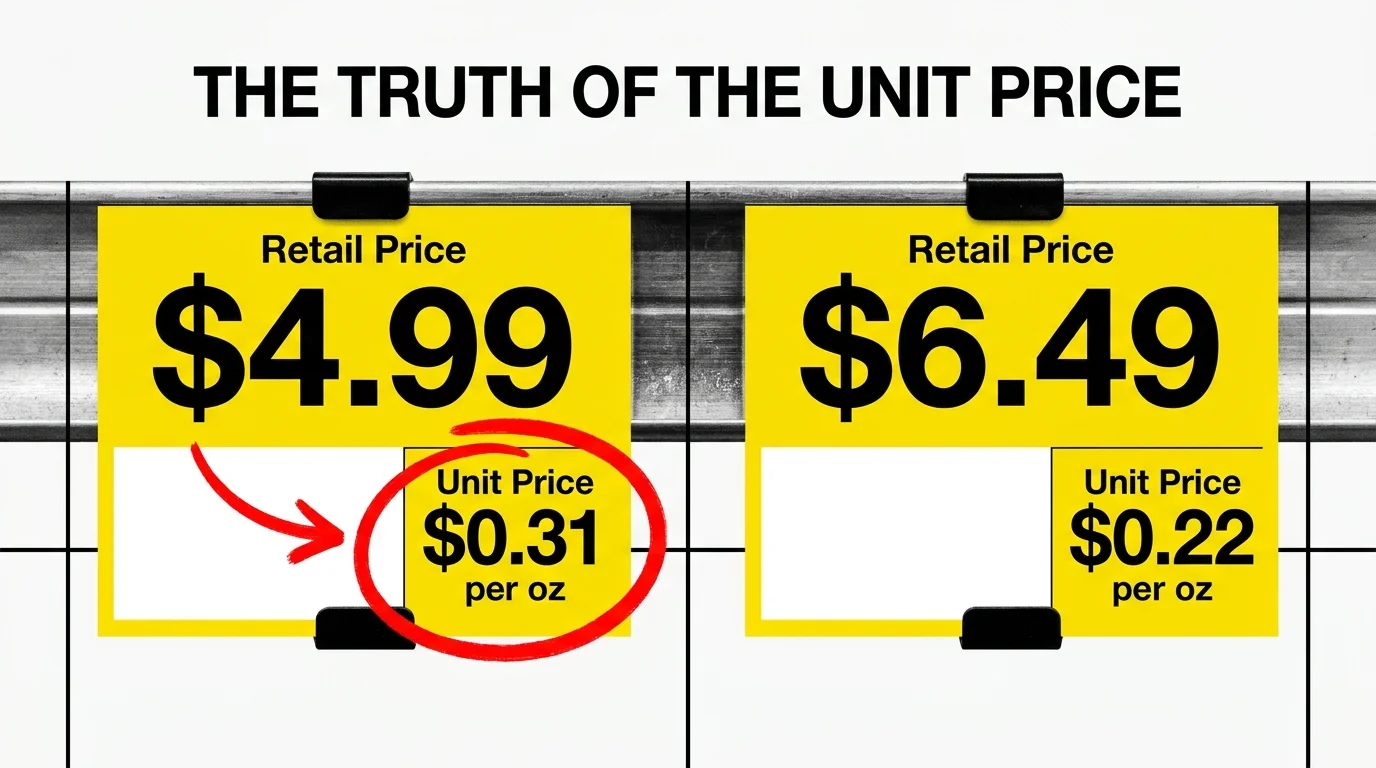
Retailers rely on confusing packaging sizes and deceptive promotional signs to obscure the true cost of the food you buy. A brightly colored tag screaming about a major sale might convince you to buy a specific brand of olive oil, but the only number that actually tells the truth is the unit price. This is the tiny print on the shelf edge showing the cost per ounce, pound, or liter. With manufacturers actively employing shrinkflation to quietly reduce package sizes while maintaining the same retail price, relying on the overall sticker price is a guaranteed way to bleed cash. You must train your eyes to scan the shelf edge for the unit price before making any selection. Often, you will discover that a heavily promoted mid-sized cereal box actually costs significantly more per ounce than the largest family size or even the generic store brand sitting right next to it. When you compare products strictly by their unit price, you strip away the marketing illusions and make mathematically sound decisions based on hard data. Pull out your smartphone calculator if the store fails to provide clear unit pricing.
Tip #4: Browsing Exclusively at Eye Level
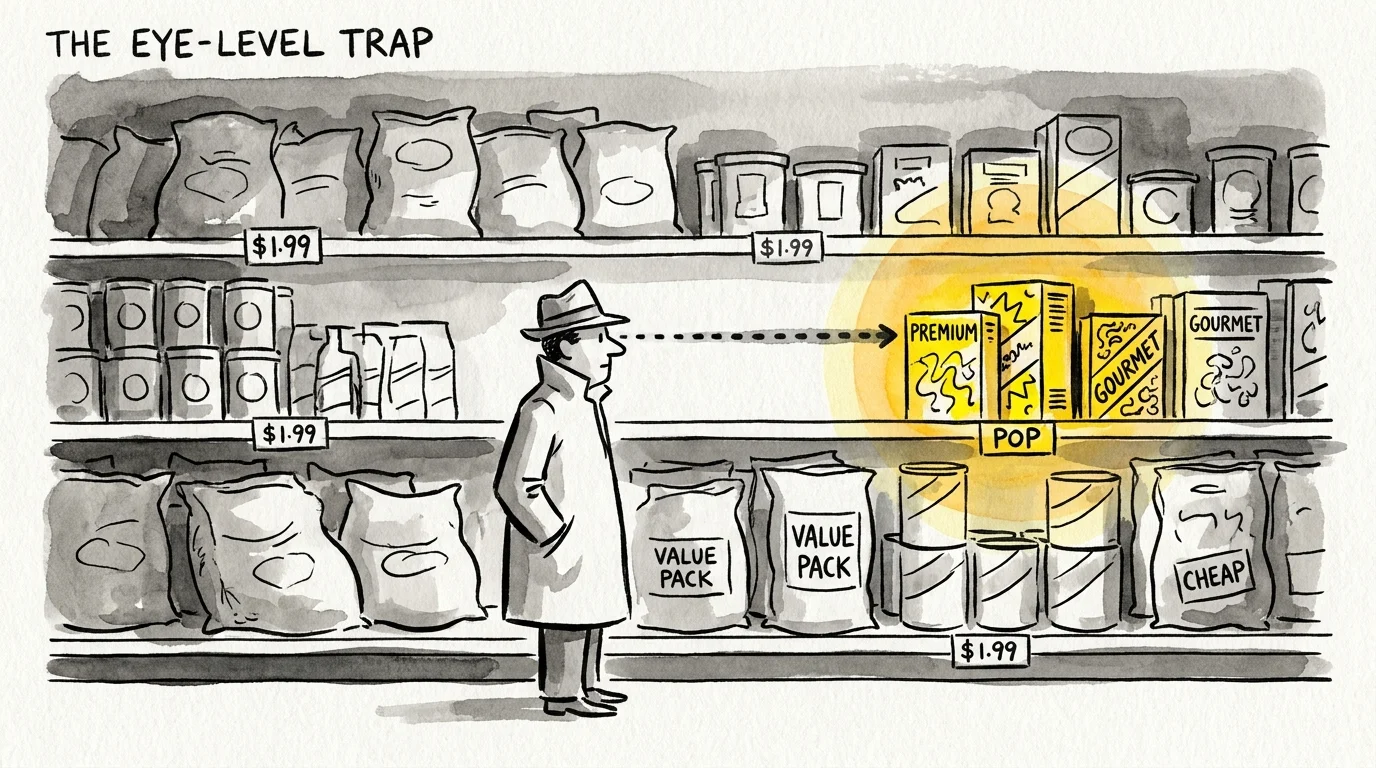
Supermarkets treat their shelving like prime real estate, strategically placing the most expensive and highest-margin products directly in your line of sight. Major food manufacturers pay hefty slotting fees to secure this coveted eye-level placement, fully knowing that hurried shoppers naturally grab what sits directly in front of their faces. If you only browse the middle shelves, you systematically overpay for groceries every single week. To find the genuine bargains, you must physically stretch high and bend low. The bottom shelves typically house bulk items, generic equivalents, and regional brands that offer identical nutritional profiles and flavors for significantly less money. Similarly, the top shelves often feature specialty items or smaller, less-promoted brands that easily beat the leading corporate giants on price. Supermarkets also employ this tactic in the cereal aisle, placing sugary, mascot-driven boxes exactly at a child’s eye level to trigger pestering. Make it a non-negotiable habit to scan the entire vertical column of shelving before you pull an item into your cart. Simply shifting your gaze a few feet up or down bypasses the artificial premium baked into product placement.
Tip #5: Hitting the Aisles on an Empty Stomach
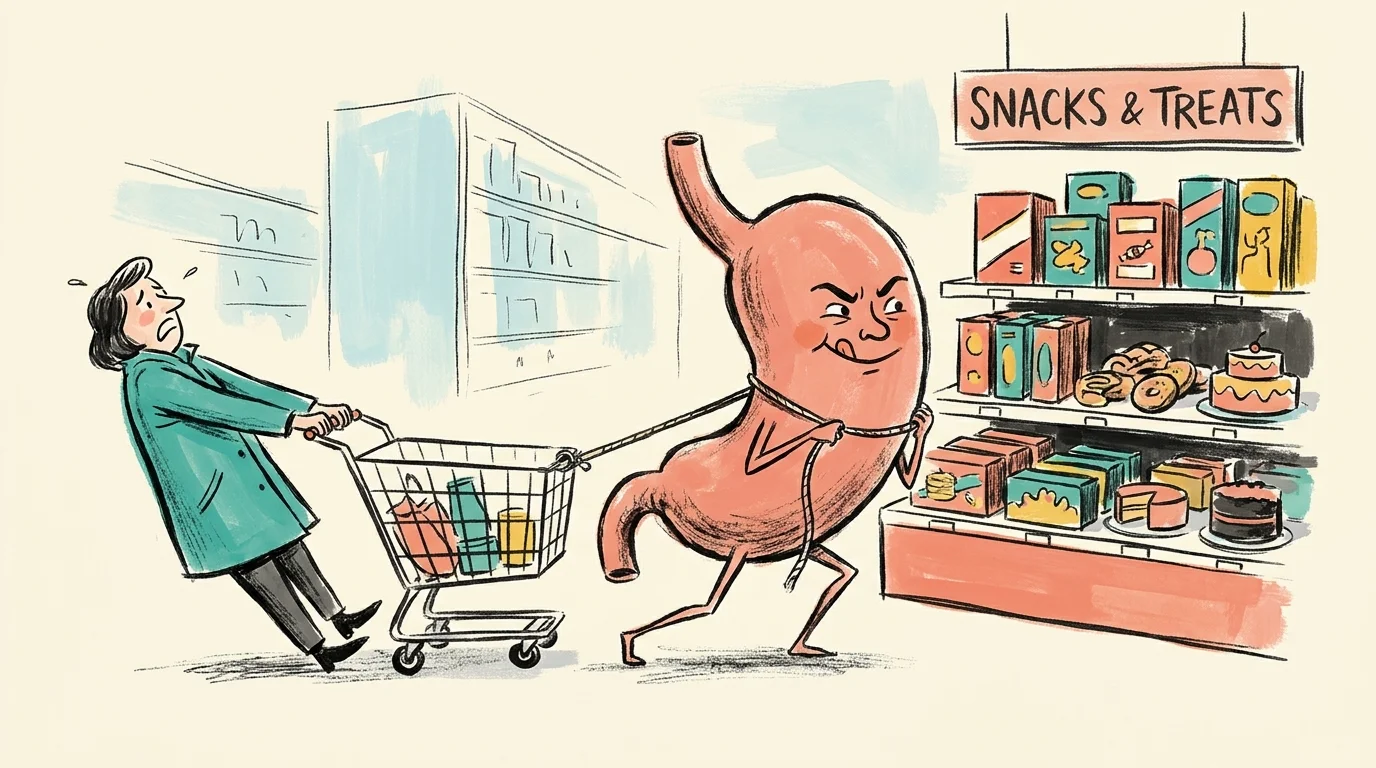
Hunger completely sabotages your financial discipline and overrides your logical budgeting plans. When you enter a grocery store with an empty stomach, your brain releases ghrelin, a powerful hormone that aggressively amplifies your biological cravings for high-calorie, sugary, and salty foods. Under this chemical influence, you suddenly find yourself justifying the purchase of expensive bakery treats, premium frozen pizzas, and overpriced deli snacks that you never intended to buy. Retailers pump the scent of freshly baked bread and roasted chicken through the store precisely to capitalize on this physiological response. Data consistently shows that fasting shoppers spend substantially more money and fill their carts with a higher percentage of processed junk food compared to those who shop after eating a substantial meal. Protect your budget by consuming a filling snack containing protein and healthy fats right before you grab your shopping cart. If you must shop directly after work when your energy crashes, chug a large bottle of water to temporarily simulate fullness. Shopping with a satiated appetite keeps your prefrontal cortex in control, ensuring you make calculated decisions rather than acting on primitive urges.
Tip #6: Falling for Fractional Pricing and Bulk Traps
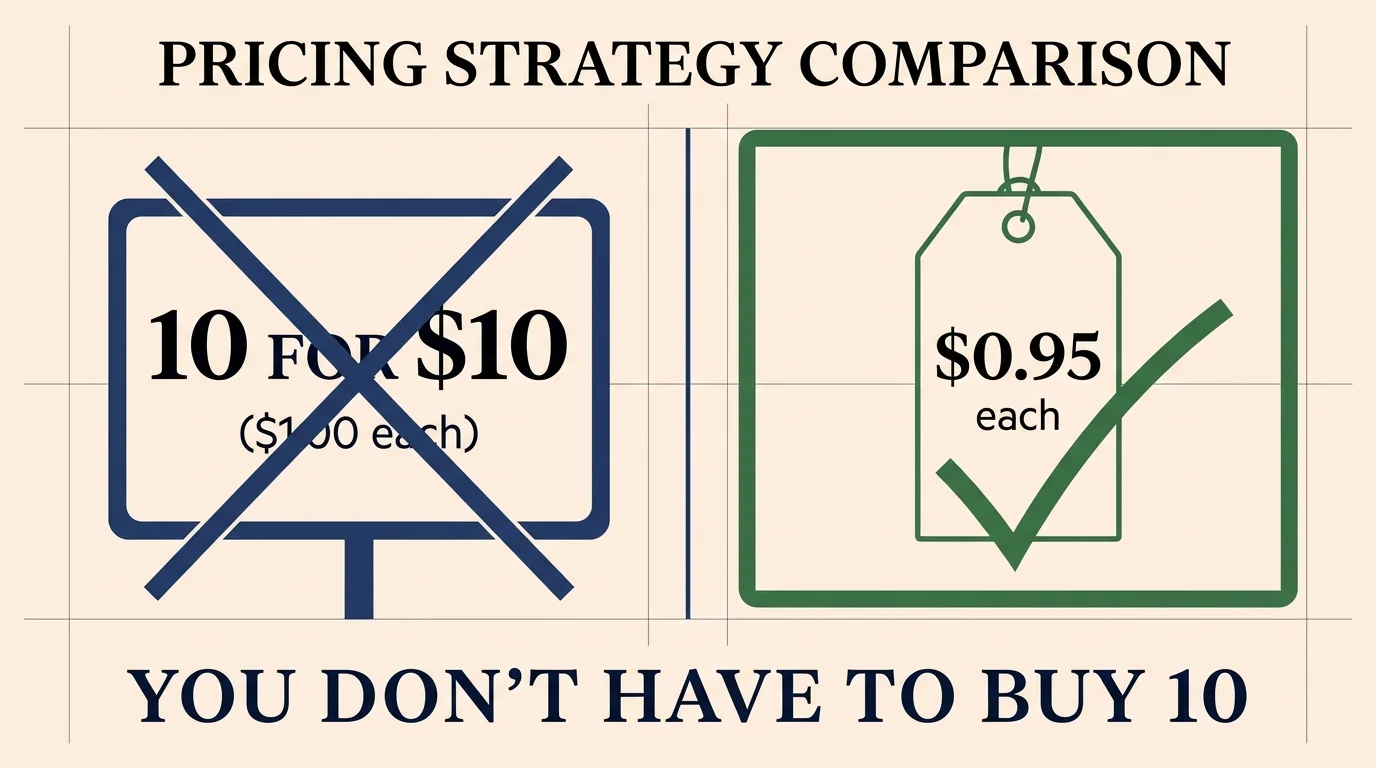
Grocery stores frequently deploy fractional pricing promotions, boldly advertising deals like ten for ten dollars or buy three for five dollars to create a false sense of urgency. This pricing strategy successfully manipulates consumers into purchasing far more units than they actually need, simply because they fear missing out on the perceived bulk discount. In almost every major supermarket chain across the country, you do not actually have to buy the full quantity to secure the discounted rate. Unless the fine print explicitly states that you must buy all ten items, a single can of soup in that massive display will ring up at exactly one dollar. You must break the habit of blindly complying with these exaggerated display numbers. Buy only the exact quantity you need for your upcoming meals. Hoarding eight extra boxes of pasta you never planned to eat ties up your liquid cash flow and crowds your pantry space. Read the digital display on the shelf carefully, grab your single item at the discounted rate, and walk away knowing you beat their psychological pricing game.
Tip #7: Blind Loyalty to National Name Brands
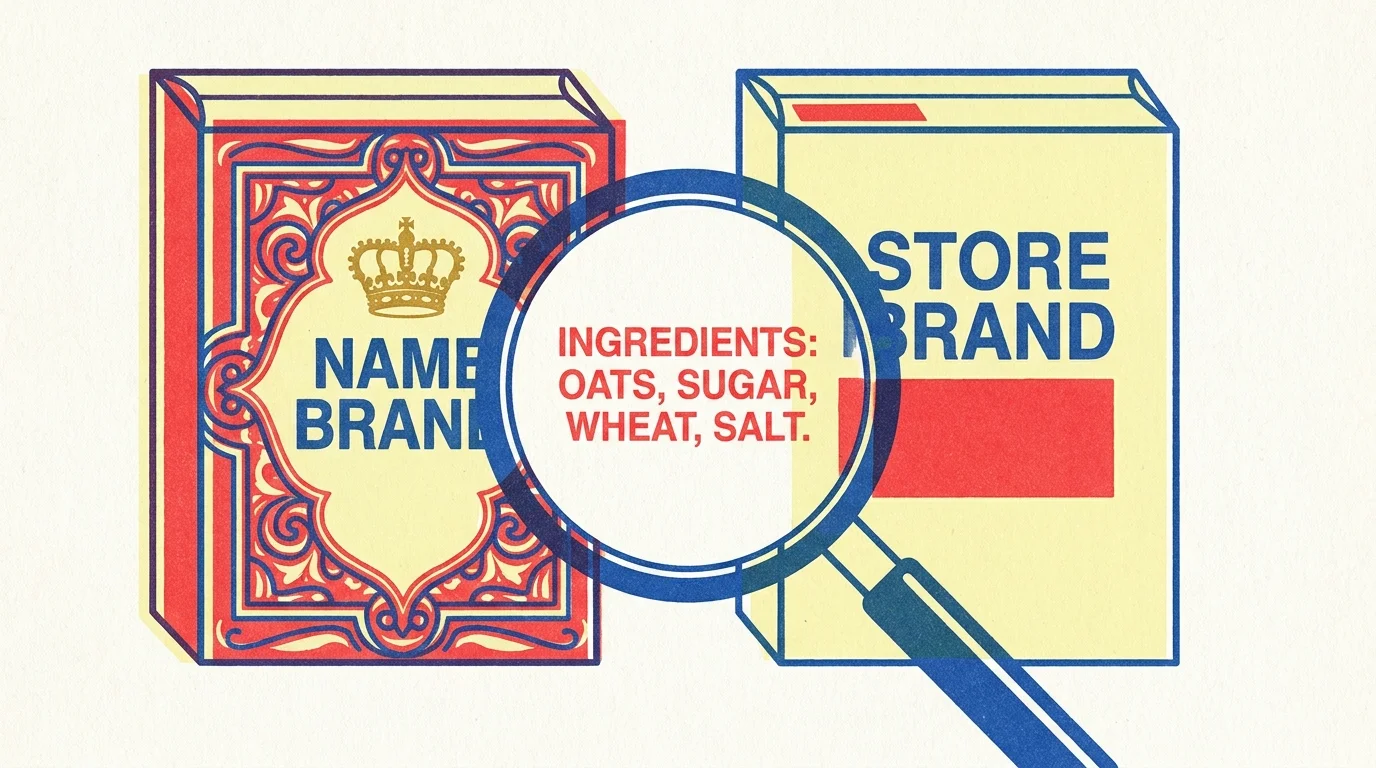
Clinging to heavily advertised national brands represents one of the fastest ways to drain your grocery budget week after week. Decades of expensive television commercials and glossy magazine ads have conditioned you to believe that a recognizable logo guarantees superior taste and quality. In reality, private label store brands are frequently manufactured in the exact same processing plants, using the exact same raw ingredients, as their premium counterparts. The only difference is the colorful cardboard box and the steep markup required to fund the national brand’s marketing department. You must ruthlessly test store brands against your favorite name-brand products. Start by swapping out basic pantry staples like flour, sugar, canned beans, and cooking oils; you will never taste the difference in your home-cooked recipes. Next, experiment with store-brand dairy, breakfast cereals, and frozen vegetables. While you might occasionally find a generic product that falls slightly short of your specific expectations, the vast majority will perform identically to the expensive versions. Shedding your brand loyalty frees up substantial cash for the high-quality proteins and fresh produce that actually impact your health.
Tip #8: Buying Perishables Aspirationally Instead of Realistically
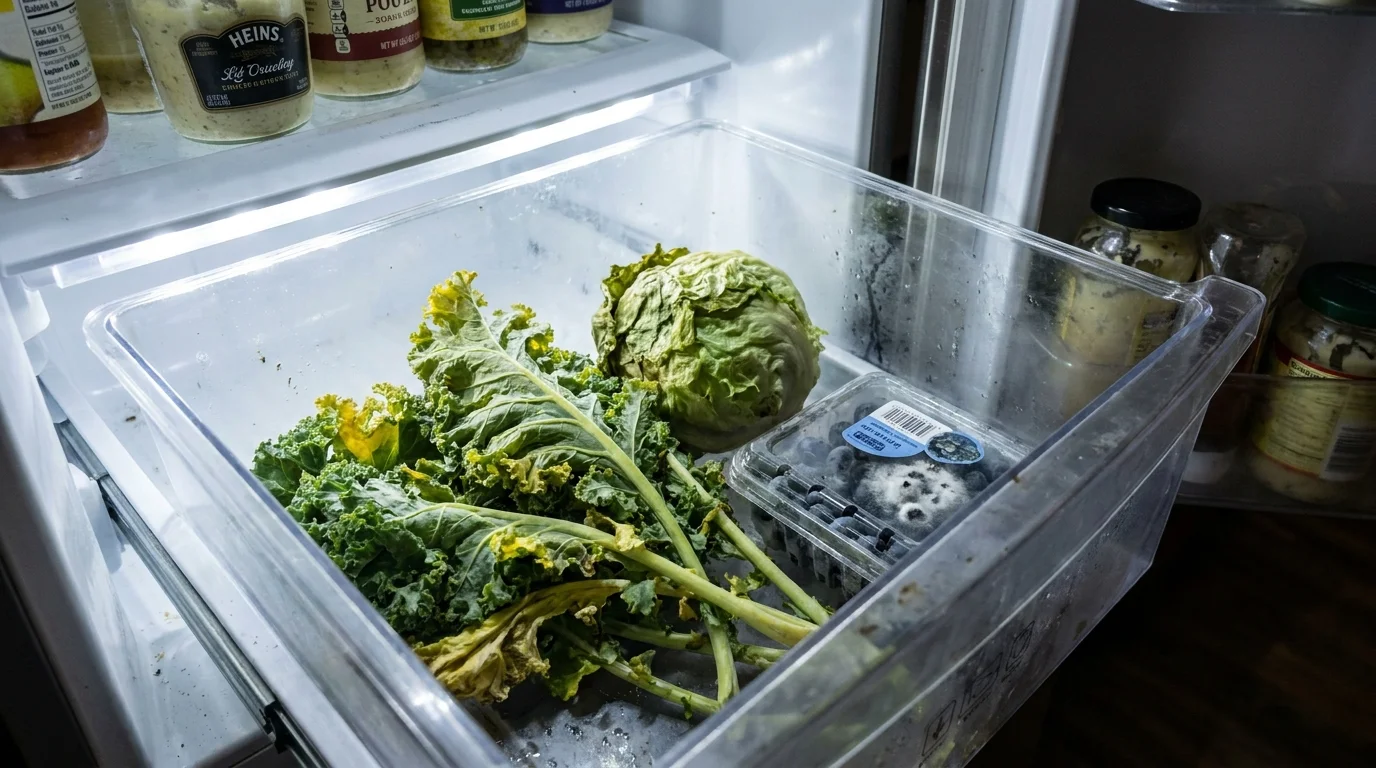
Aspirational shopping occurs when you buy massive quantities of fresh kale, expensive berries, and exotic mushrooms with the noble intention of cooking elaborate, healthy meals every night. When Thursday arrives, exhaustion inevitably sets in, you order takeout, and those expensive perishables quietly dissolve into a slimy puddle in your crisper drawer. Food waste acts as a direct, voluntary tax on your monthly budget; throwing away a rotted bag of spinach is financially identical to throwing a five-dollar bill directly into the trash can. You must align your grocery shopping with your actual lifestyle, not your fantasy self. Be brutally honest about your daily cooking energy and your demanding schedule. If you know you frequently work late, dramatically reduce the amount of fresh produce you buy and substitute it with frozen vegetables that will wait patiently until you actually have time to cook. Plan to consume your highly perishable items like delicate berries and leafy greens within the first two days after your shopping trip, reserving hardier vegetables like carrots, potatoes, and cabbage for later in the week.
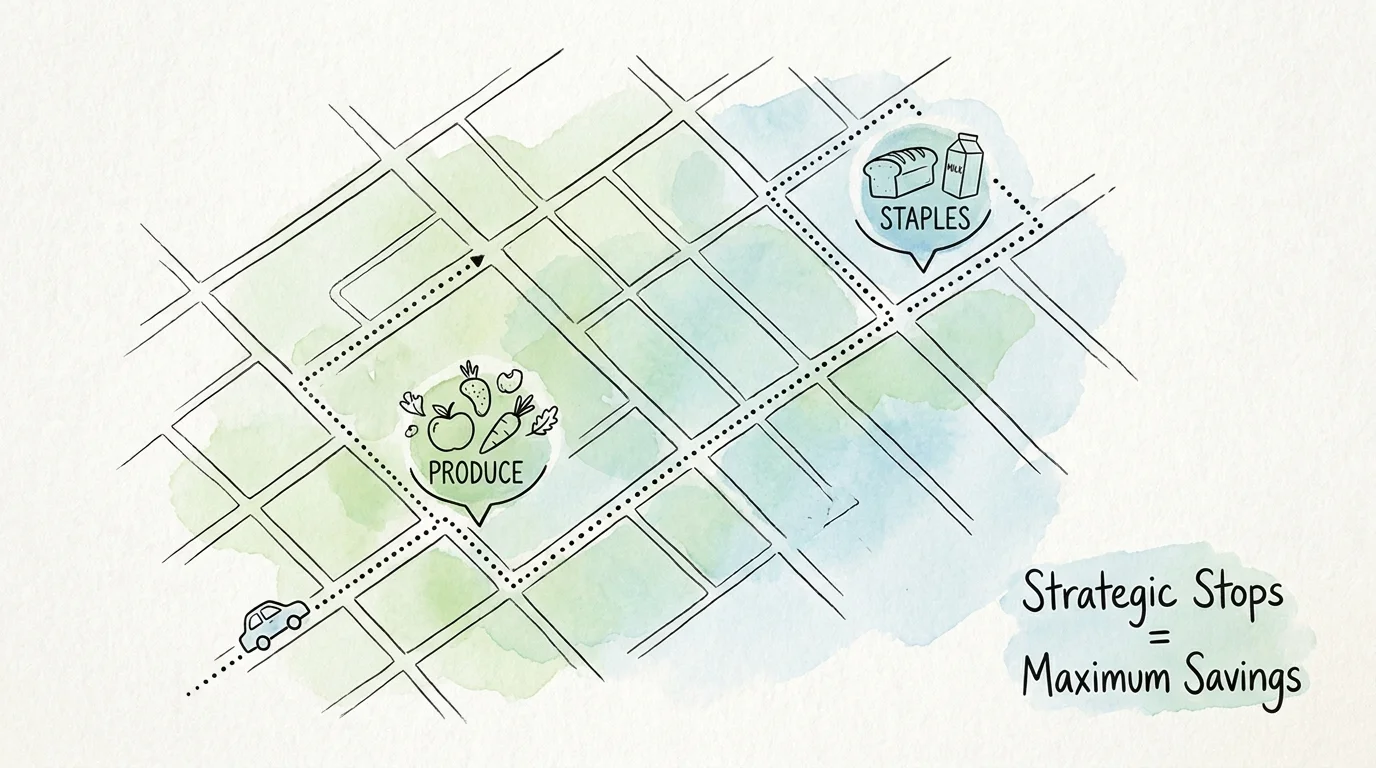
Tip #9: Refusing to Split Your Shopping Trips Between Stores
Prioritizing pure convenience is incredibly expensive when it comes to feeding your household. Sticking exclusively to a single mainstream supermarket because it sits conveniently on your commute home guarantees you will overpay for specific categories of food. Every grocery chain utilizes a distinct pricing matrix to maximize profits; a traditional supermarket might offer fantastic loss-leader deals on chicken breasts but wildly overcharge for spices, nuts, and dairy products. To maximize your grocery savings, you need to adopt a multi-store strategy based on geographical clusters. You might buy your household cleaning supplies and dry goods at a massive big-box retailer, source your daily produce and dairy from a specialized discount grocer, and only visit the traditional supermarket to cherry-pick their weekly meat specials. Yes, this requires slightly more logistical planning and time, but you can streamline the process by hitting two adjacent stores on the same trip. The financial arbitrage gained by purchasing items strictly where they are priced the lowest will easily save you thousands of dollars annually. Your financial loyalty belongs exclusively to your bank account, not a corporate grocery chain.

The Bottom Line: What This Means for Your Wallet
Reining in a bloated grocery budget does not require you to adopt extreme couponing tactics or survive exclusively on rice and beans. It simply requires you to become a highly conscious consumer who actively recognizes the psychological tripwires embedded in every single aisle. Supermarkets count on your distraction, your exhaustion, and your lifelong brand conditioning to pad their profit margins at your expense. When you shop with a rigid list, calculate unit prices meticulously, ignore eye-level temptations, and shed your loyalty to premium labels, you instantly claw back your purchasing power. These nine shopping habits represent behavioral shifts that yield massive financial dividends over time. Take the savings you generate from avoiding pre-cut produce and aspirational perishables and aggressively redirect that cash toward your high-yield savings account or use it to accelerate your debt payoff. Groceries represent one of the few truly flexible line items in your monthly budget. Treat your weekly supermarket run as a tactical operation, and you will secure a decisive victory for your long-term financial health.
Frequently Asked Questions
Are digital coupons and store loyalty apps actually worth the time?
Absolutely. Supermarkets are aggressively shifting their best discounts away from printed paper flyers and exclusively into their proprietary digital apps. By taking five minutes to clip digital coupons while sitting in the parking lot before you enter the store, you can access substantial savings on meat and produce that non-app users simply cannot get. Just remain cautious and do not let a high-value digital coupon convince you to buy an item that was not already on your shopping list.
Does buying in bulk at warehouse clubs always save money?
Bulk buying only saves you money if you consume the product entirely before it expires and if you verify the unit price genuinely beats the local supermarket. While warehouse clubs excel at pricing paper goods, trash bags, and shelf-stable snacks, their massive quantities of fresh produce and dairy often lead to severe food waste for smaller households. You must firmly factor in annual membership costs and the high probability of warehouse impulse buys when assessing your actual savings.
How do loss leaders work, and how can I take advantage of them?
Loss leaders are aggressively discounted items—often staple proteins like ground beef or seasonal produce—that a store sells at or below its actual cost to lure you through the front doors. The retailer fully expects you to buy high-margin items while you wander the aisles to offset their initial loss. You win this corporate game by ruthlessly cherry-picking the loss leaders and strictly refusing to buy anything else during that specific store visit.
Is it cheaper to buy meat straight from the butcher counter or pre-packaged?
Pre-packaged meats resting in the cooler section are almost always cheaper per pound than identical cuts sourced directly from the specialized butcher counter. The service counter bakes the cost of specialized labor and prime display space right into the sticker price. Furthermore, the pre-packaged section frequently features manager specials and deep discount stickers on meats approaching their sell-by date, which you can easily take home and immediately toss into your freezer for long-term storage.
For consumer protection information, visit the Federal Trade Commission (FTC) and the Consumer Financial Protection Bureau (CFPB). For product safety and reviews, consult Consumer Reports.
Disclaimer: This article is for informational purposes only and does not constitute financial advice. The content reflects the author’s opinion and research at the time of writing. Always do your own research before making financial decisions.




Leave a Reply