

Your budget leaks cash every time you toss another obsolete or heavily marketed product into your shopping cart. Savvy shoppers recognize that retail giants rely on your habitual spending to pad their bottom lines—but you hold the power to break that cycle. Over the last year, a massive shift in consumer trends has exposed several everyday items as complete wastes of money. Americans are quietly abandoning these overpriced traps in favor of smarter, lasting alternatives. You can keep more of your hard-earned paycheck by recognizing these spending sinkholes and cutting them out of your life. Drop these ten products from your routine today and watch your monthly savings compound.
Tip #1: Traditional Cable Television Subscriptions
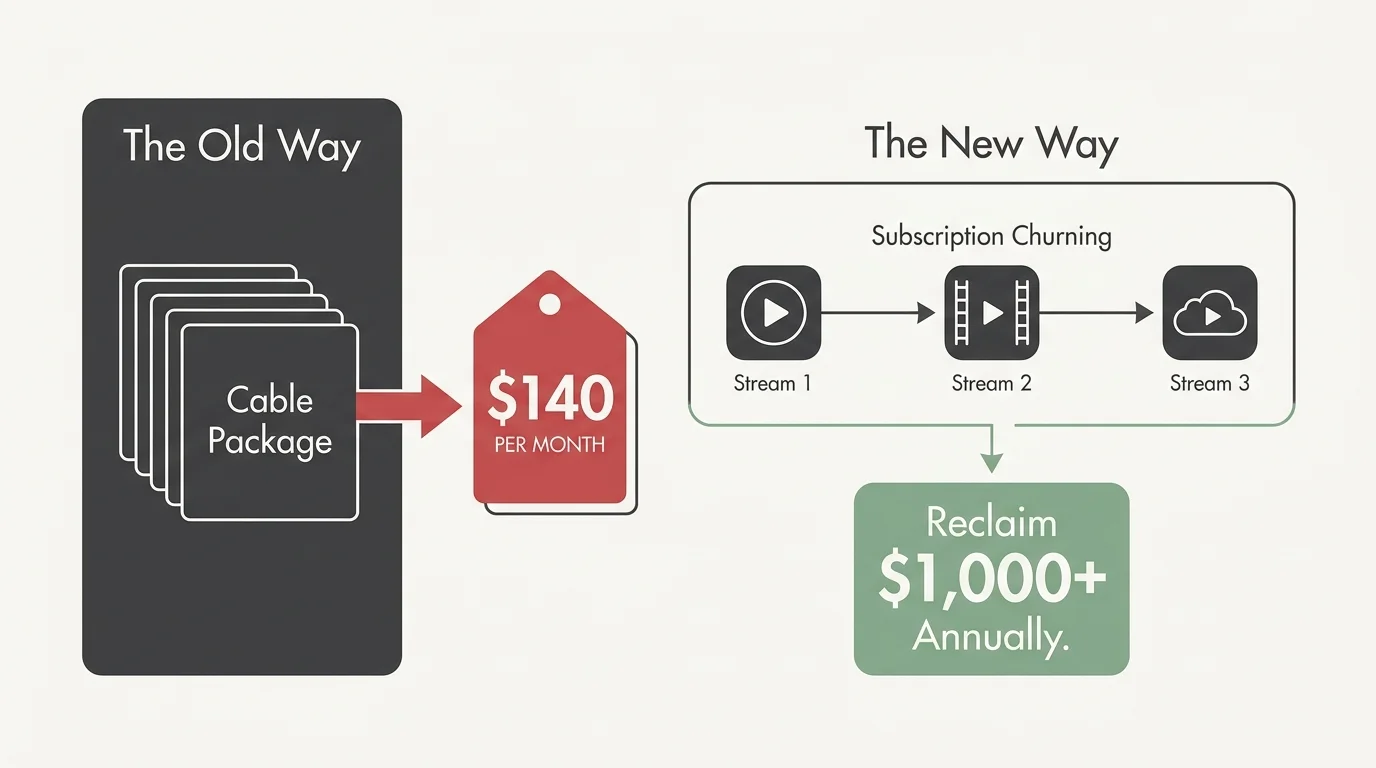
The era of paying for hundreds of channels you never watch is officially over. For decades, cable companies enjoyed a virtual monopoly, allowing them to hike prices year after year while sneaking broadcast and regional sports fees into the fine print. You no longer have to tolerate average monthly bills that exceed 140 dollars just to watch a few favorite shows. Frugal living demands that you only pay for the services you actively consume.
The modern hack to televised entertainment requires a strategy known as subscription churning. Instead of maintaining year-round access to every streaming platform, you activate one service at a time, binge the exclusive content you want, and cancel before the next billing cycle. This proactive approach keeps your media budget lean and entirely under your control. Furthermore, investing in a high-definition digital antenna provides you with free, uncompressed local broadcast channels for sports and news, permanently eliminating the need for a bloated cable package.
Telecommunications companies rely on your apathy to maintain their profit margins. By cutting the cord and adopting a targeted viewing strategy, you can easily reclaim over a thousand dollars annually. The sheer amount of high-quality, free, ad-supported streaming television available today makes a massive monthly cable bill harder to justify than ever before.

Tip #2: Single-Use Bottled Water
Beverage conglomerates execute one of the most successful marketing illusions in history by convincing you to pay a staggering premium for something that flows freely into your home. The bottled water industry relies on slick packaging and unfounded fears regarding tap water to sell you convenience at a markup that often exceeds 2,000 percent. The secret they aggressively hide is that nearly half of all bottled water sold in the United States originates from municipal tap water sources—meaning you are literally paying for the plastic bottle.
You can instantly upgrade your shopping habits by walking past the bottled water aisle. A high-quality stainless steel insulated bottle paired with a robust home water filter requires a minimal upfront investment but pays for itself in less than a month. Not only does this shift eliminate a recurring drain on your grocery budget, but it also protects your family from the microplastics increasingly found in single-use disposable bottles.
Americans are realizing that lugging heavy cases of water from the grocery store is an outdated chore. By trusting a certified home filtration system, you guarantee the purity of your drinking water while keeping more cash in your wallet and unnecessary plastic out of local landfills.
Tip #3: Brand-Name Over-The-Counter Medication
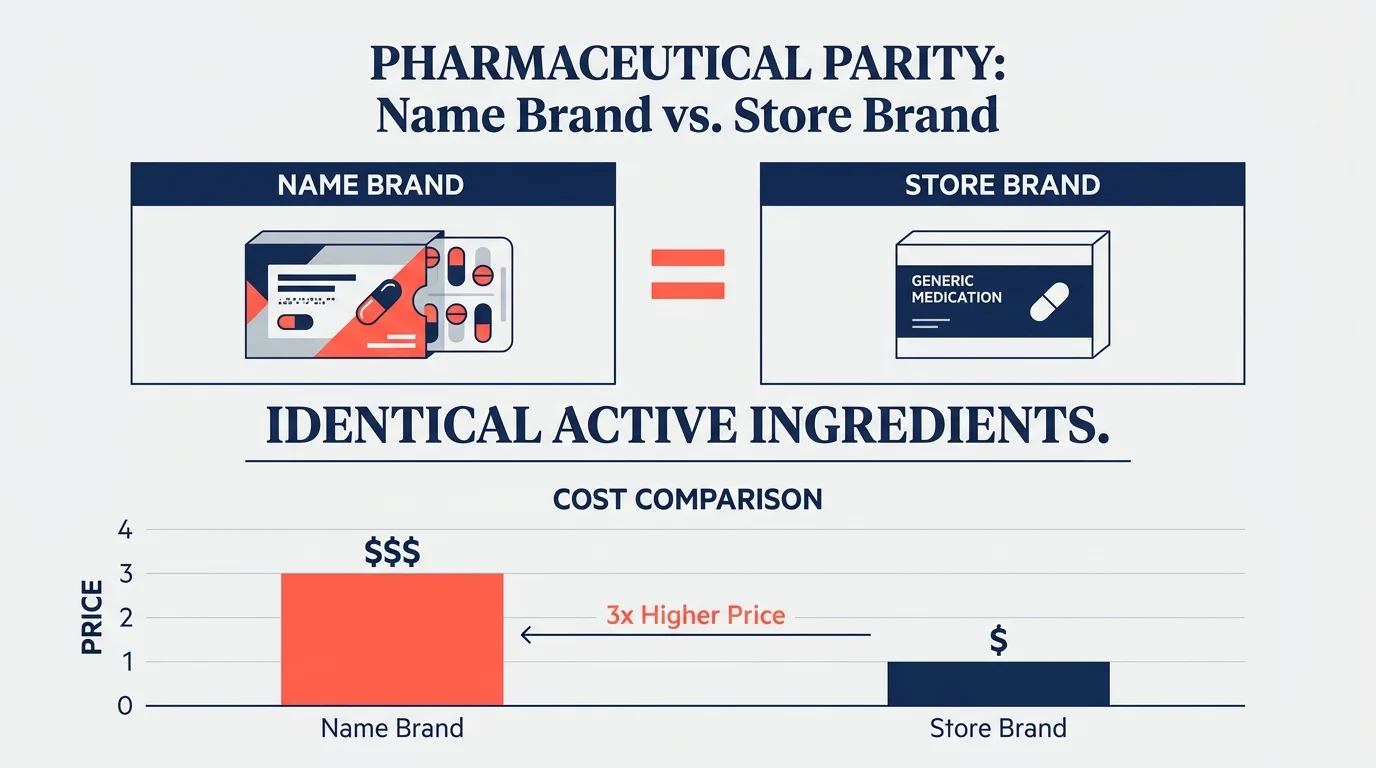
Pharmaceutical companies spend billions on advertising to ensure you reach for their brightly colored boxes when you have a headache or a cold. They bank on your brand loyalty and the psychological comfort of a recognizable logo to justify charging double or triple the price of store-brand equivalents. Understanding how the regulatory system works reveals that this loyalty is entirely misplaced and financially toxic.
The Food and Drug Administration heavily regulates generic and store-brand medications to ensure they possess the exact same active ingredients, dosage, safety profile, and performance characteristics as their name-brand counterparts. A 500-milligram tablet of generic acetaminophen will alleviate your pain just as effectively and rapidly as the premium-priced bottle. The only actual difference lies in the marketing budget and the specific dyes used to color the pill.
Savvy consumers always ignore the front of the medicine box and read the active ingredient list on the back. By switching your entire medicine cabinet to generic alternatives, you secure the exact same medical relief while slashing your pharmacy spending by more than half. Stop subsidizing television commercials and start paying only for the medicine itself.
Tip #4: Fast Fashion Apparel
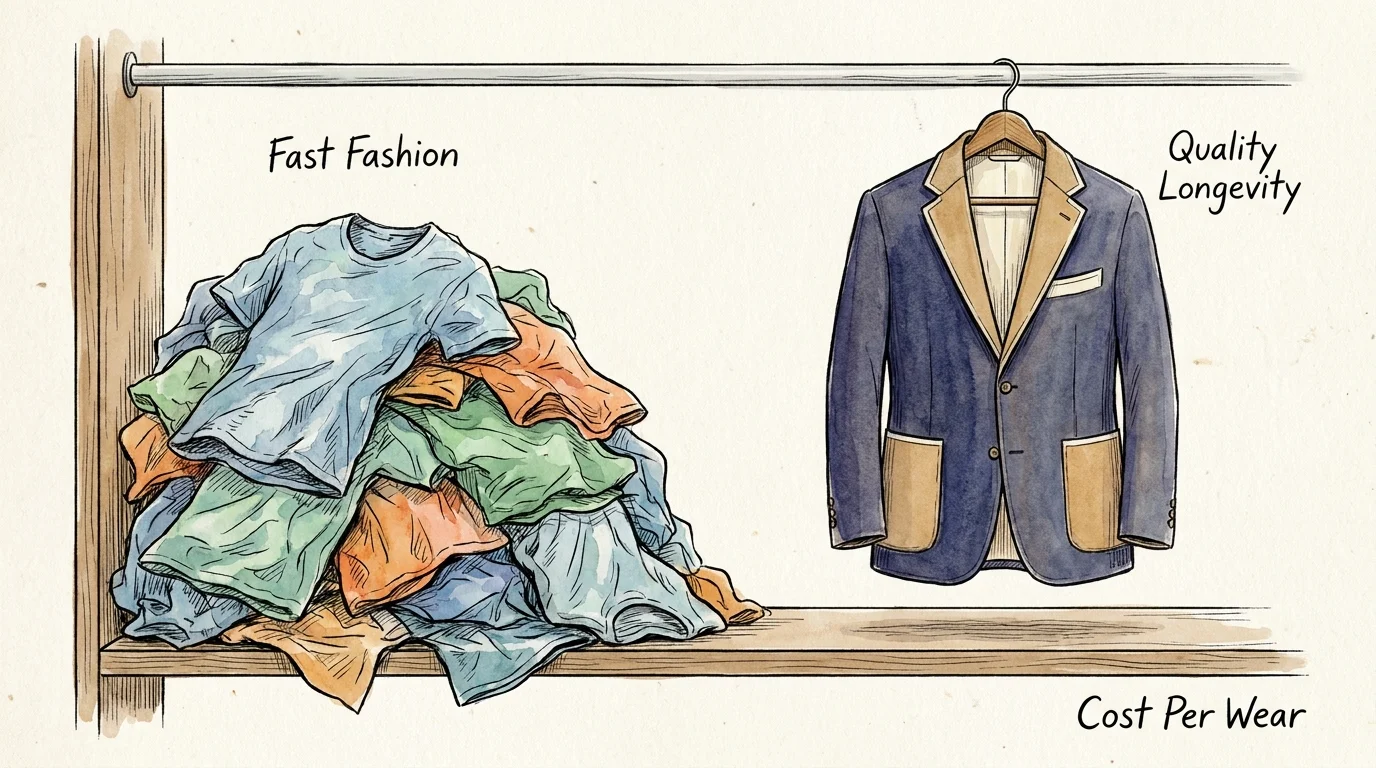
Retailers pioneered the fast fashion model to convince you that clothing is a disposable commodity. They churn out micro-trends using cheap synthetic fabrics, relying on you to continuously update your wardrobe as garments shrink, fade, or tear after just a few wash cycles. This constant cycle of buying and discarding represents a massive, hidden tax on your income.
The financial metric you must adopt is the “cost per wear.” A poorly constructed ten-dollar shirt that falls apart after two uses costs you five dollars every time you put it on. Conversely, a high-quality fifty-dollar shirt that lasts for two hundred wears costs merely twenty-five cents per use. Americans are waking up to this mathematical reality and abandoning ultra-cheap online clothing retailers in favor of durability and timeless style.
You can optimize your clothing budget by building a minimalist capsule wardrobe. Invest in versatile, well-made pieces that seamlessly coordinate with one another. When you do need specific items, explore high-end secondhand markets and thrift stores where you can acquire premium fabrics like wool, linen, and organic cotton for a fraction of their retail price.
Tip #5: Traditional Liquid Fabric Softener
Marketing campaigns have conditioned you to believe that your laundry requires a thick, brightly colored liquid to smell fresh and feel soft. The ugly secret of the cleaning aisle is that traditional fabric softeners and dryer sheets actively damage your clothing and degrade the performance of your household textiles over time.
Fabric softeners operate by coating your clothes in a thin, waxy layer of animal fats or petroleum-based polymers. This hydrophobic residue destroys the moisture-wicking properties of your expensive athletic wear and drastically reduces the absorbency of your bath towels. Furthermore, this coating traps lingering odors and bacteria within the fibers, leading to the infamous “mildew” smell that forces you to throw away perfectly good gym clothes.
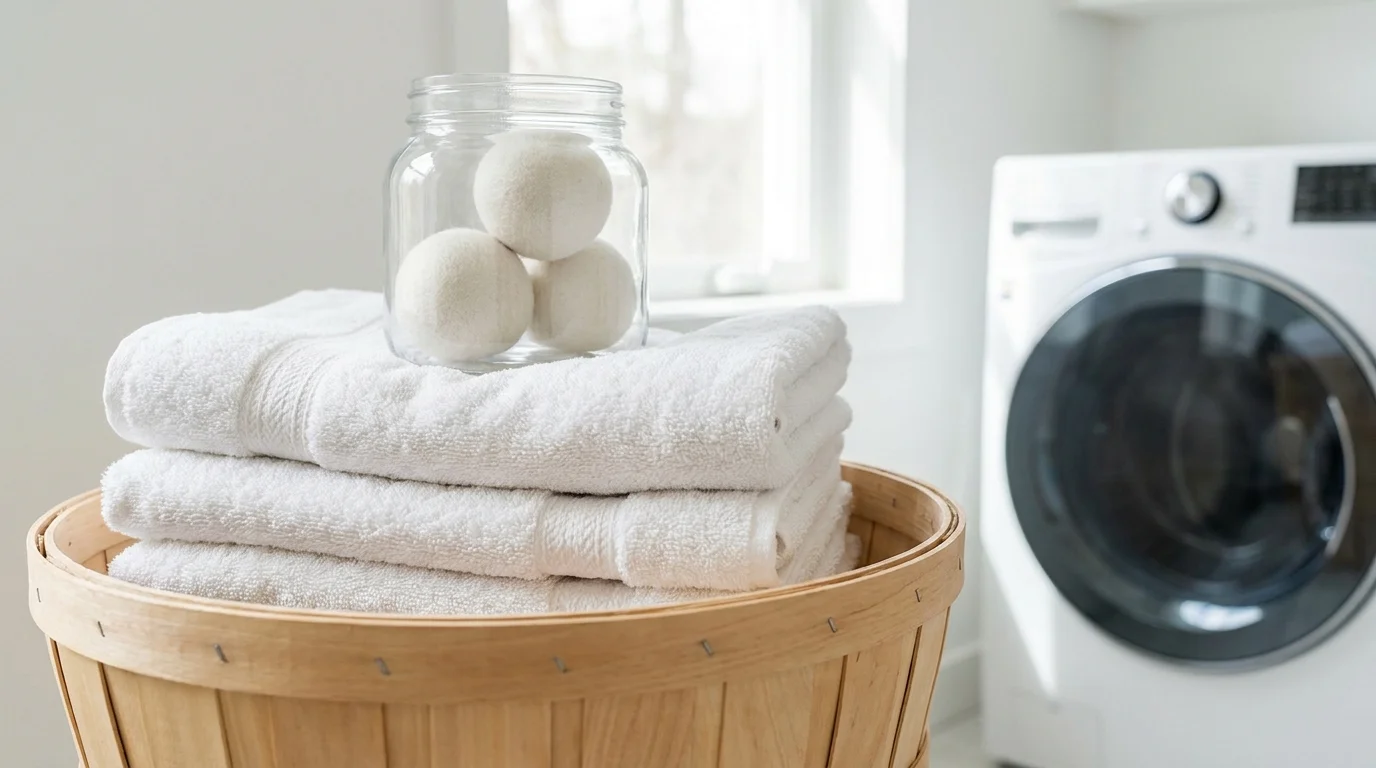
You can achieve infinitely better results by pouring a half-cup of distilled white vinegar into the fabric softener dispenser of your washing machine. The vinegar acts as a natural rinse agent, cutting through detergent buildup and naturally softening the fabric without leaving any residue or smell. Pair this with reusable wool dryer balls to reduce static and drying time, permanently eliminating the need to ever buy a jug of fabric softener again.

Tip #6: Pre-Cut Fruits and Vegetables
Grocery stores rely on your exhaustion to sell you one of the most heavily marked-up items in the entire store. Sliced melon, diced onions, and peeled garlic often carry a price tag three to four times higher than their whole, untouched counterparts. You are paying a premium luxury tax for three minutes of basic knife work.
Beyond the outrageous cost, pre-cut produce represents an inferior product. The moment a knife breaches the skin of a fruit or vegetable, oxidation begins, rapidly degrading its nutritional value, texture, and flavor. Furthermore, processing facilities dramatically increase the surface area exposed to potential bacterial contamination, which explains why pre-cut items are disproportionately linked to food safety recalls.
Reclaim this portion of your budget by investing in a sharp, high-quality chef’s knife and dedicating fifteen minutes on Sunday afternoon to meal prep. Washing and chopping your own vegetables ensures peak freshness, significantly extends their refrigerator shelf life, and keeps your grocery spending grounded in reality.
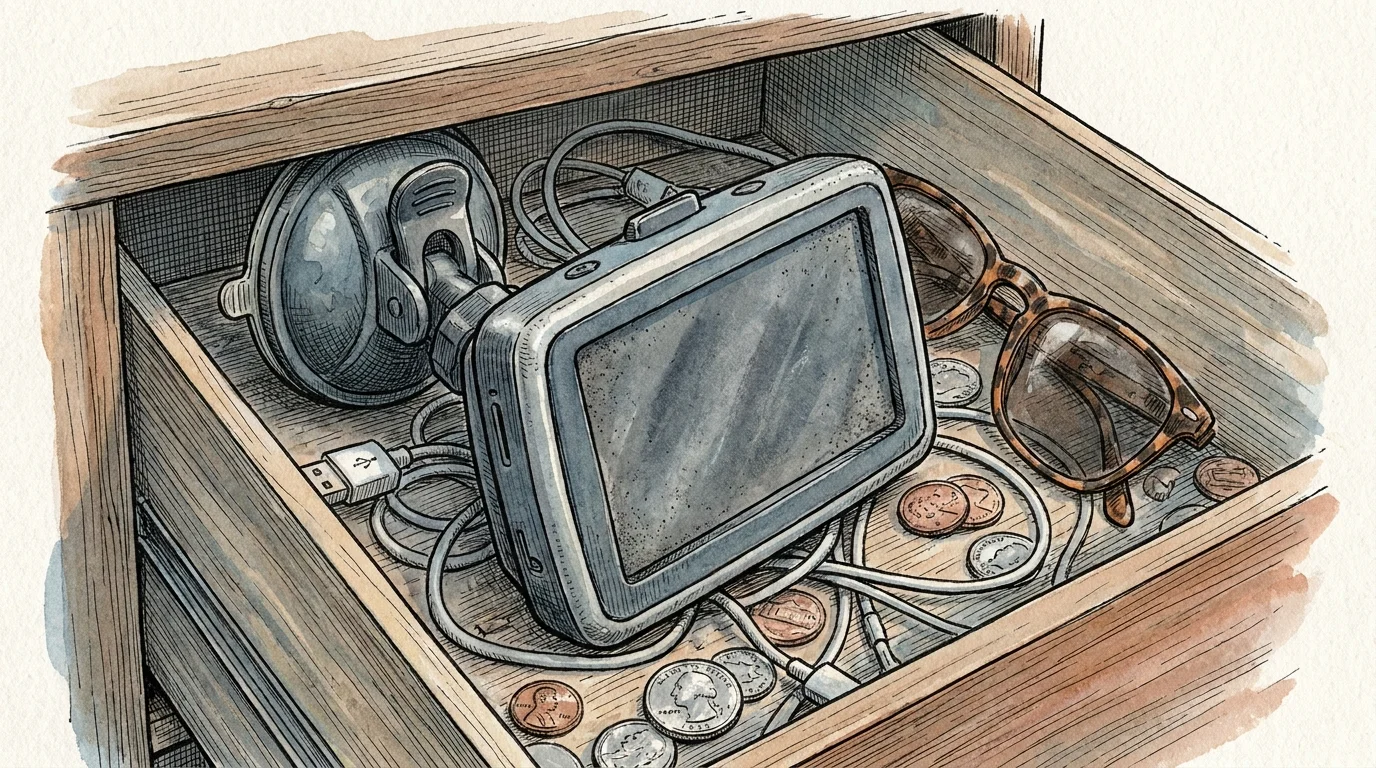
Tip #7: Dedicated GPS Navigation Devices
A decade ago, a dedicated dashboard GPS was a crucial investment for road trips and daily commutes. Today, purchasing a standalone navigation device or paying a monthly fee for your vehicle’s proprietary navigation system is a profound waste of capital. Technology has rendered these expensive gadgets entirely redundant.
The smartphone you already carry contains navigation software that vastly outperforms any dedicated GPS unit on the market. Applications utilize real-time crowdsourced data to alert you to traffic jams, speed traps, and road closures with down-to-the-minute accuracy. Standalone units require tedious manual updates and often charge you for the privilege of downloading the latest maps.
Car dealerships frequently attempt to up-sell you on integrated navigation packages that add thousands of dollars to the purchase price of a vehicle. You must forcefully decline these offers. A simple ten-dollar dashboard mount transforms your phone into a superior, constantly updated navigation hub, entirely free of charge.
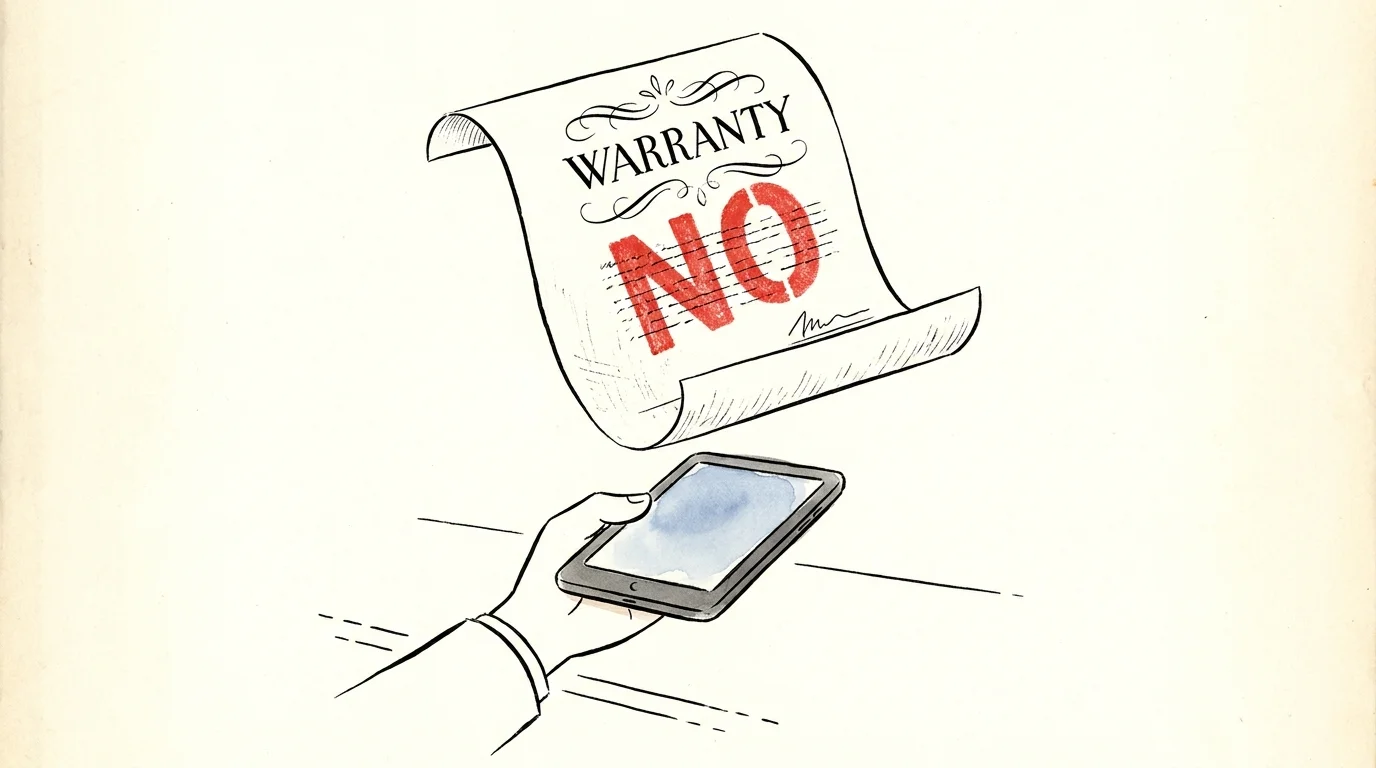
Tip #8: Extended Warranties on Small Electronics
When the cashier passionately pitches you a three-year protection plan on a blender, a television, or a pair of headphones, they are not looking out for your peace of mind. Extended warranties represent pure, unadulterated profit for retailers. Stores push these plans relentlessly because they know the mathematical probability of a device failing specifically during the extended coverage window is incredibly low.
Consumer electronics generally follow a predictable lifespan model known as the bathtub curve. They either fail immediately due to a manufacturing defect—which is entirely covered by the included manufacturer’s warranty and the store’s return policy—or they outlast the expensive extended warranty you purchased. You are essentially gambling against the manufacturer’s engineering team, and the house always wins.
The ultimate hack to device protection requires a strategic look at your wallet. Many premium credit cards automatically extend the manufacturer’s warranty by an additional year at no extra cost when you use the card to make the purchase. Bypass the retail markup entirely and utilize the financial tools you already possess.
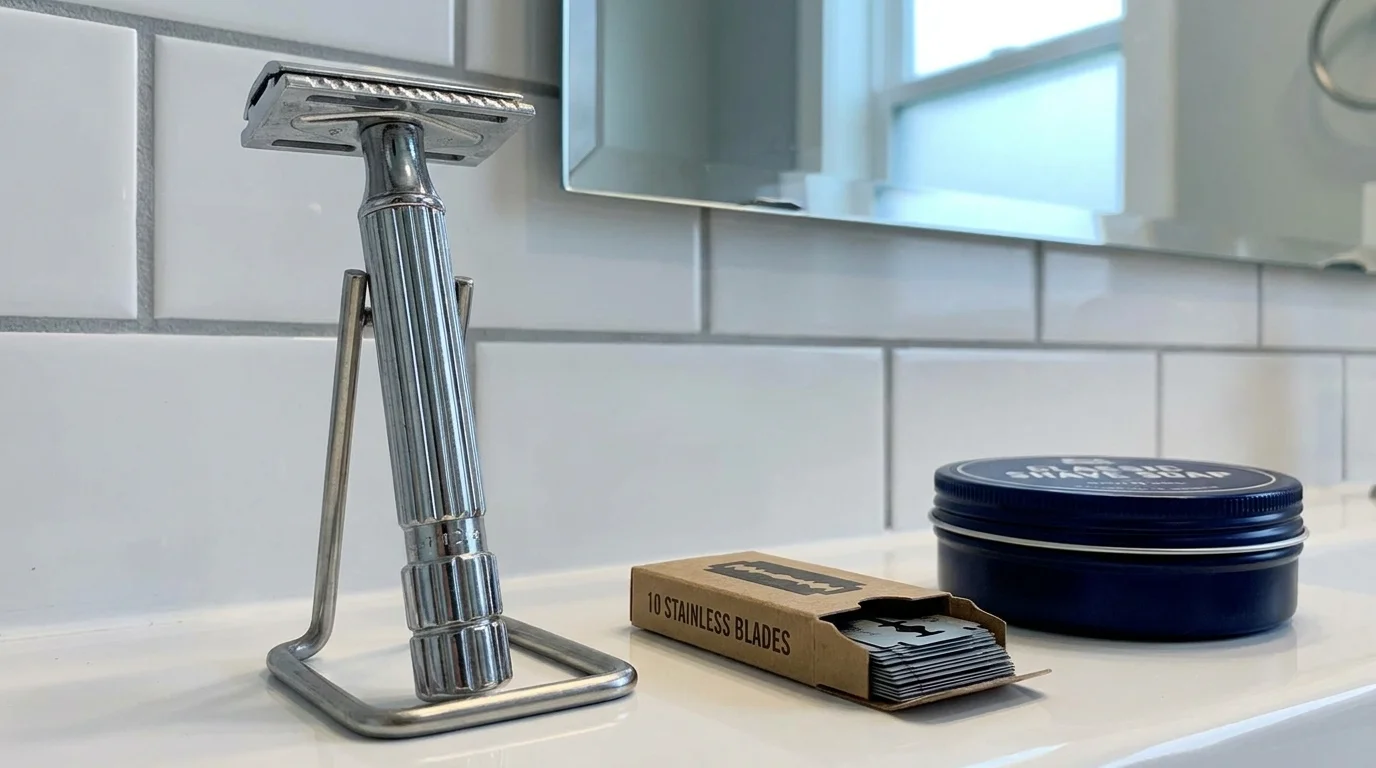
Tip #9: Expensive Shaving Cartridges
The shaving industry operates on a predatory “razor and blades” business model. They practically give away the ergonomic, vibrantly colored handle because they know you will be locked into buying proprietary five-blade replacement cartridges that cost upwards of four dollars each. This creates a relentless, expensive monthly subscription that drains your grooming budget.
Americans are discovering the elegant simplicity of the traditional double-edge safety razor. A heavy, solid metal safety razor handle requires a one-time investment of roughly thirty dollars and will easily last the rest of your life. The true secret lies in the replacement blades; high-quality, platinum-coated steel blades cost mere pennies apiece.
Switching to a safety razor not only saves you hundreds of dollars a year, but it also provides a superior, closer shave. Multi-blade cartridges often pull the hair before cutting it beneath the skin line, causing severe razor burn and ingrown hairs. A single, sharp blade glides smoothly across the skin, offering a frugal and skin-friendly upgrade to your daily routine.
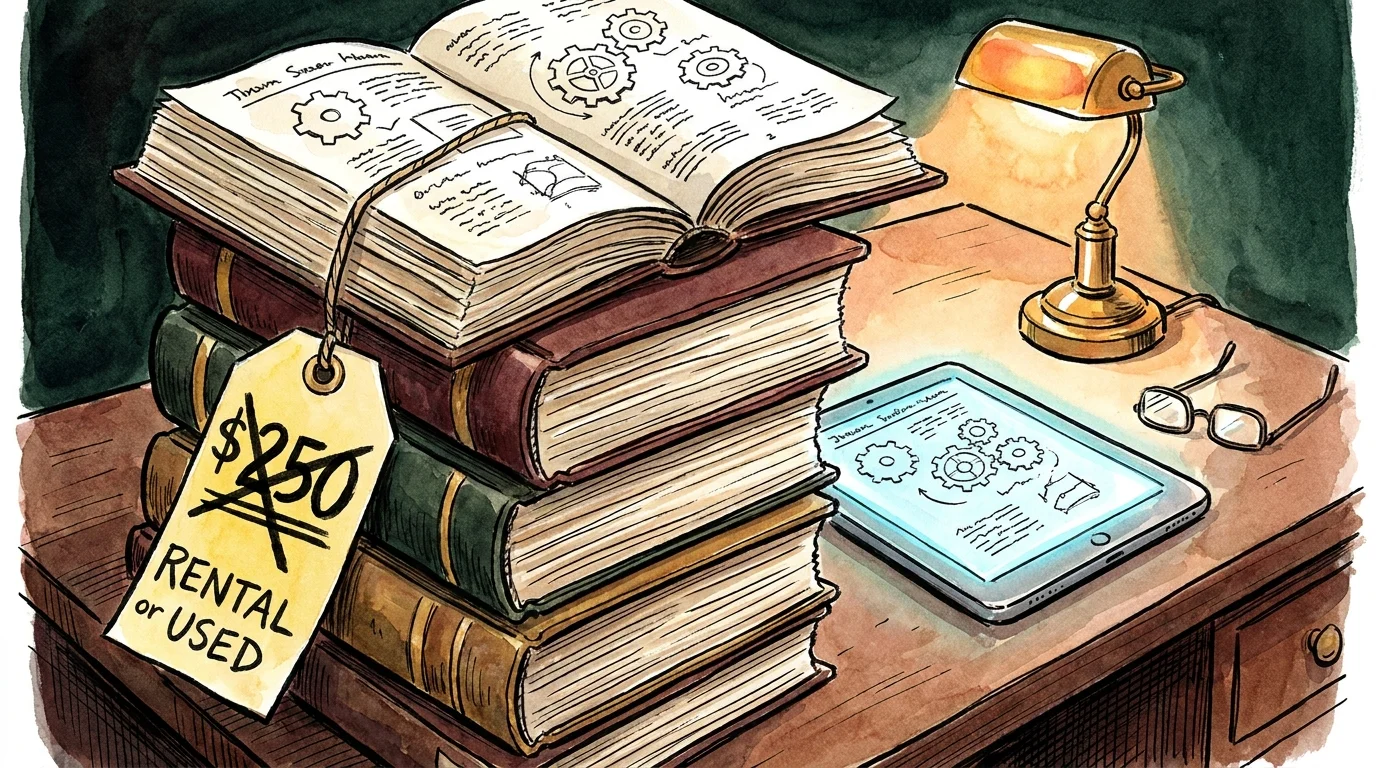
Tip #10: New Academic Textbooks
The collegiate publishing industry has operated a captive market for decades, forcing students and parents to purchase incredibly expensive new editions of textbooks that feature little more than reorganized chapters and updated cover art. Paying three hundred dollars for an introductory biology textbook is an archaic practice that modern students refuse to tolerate.
The digital age has completely democratized educational resources. Savvy students immediately search for older editions of the required text, which usually contain the exact same core information at a ninety percent discount. Furthermore, online rental platforms allow you to borrow digital or physical copies for a single semester, eliminating the hassle of attempting to resell a depreciated book back to the campus bookstore.
Do not allow professors or university bookstores to pressure you into purchasing the newest edition shrink-wrapped with a proprietary access code unless it is absolutely mandatory for online assignments. By aggressively sourcing used books, leveraging library reserves, and utilizing digital rentals, you can protect thousands of dollars over the course of a four-year degree.
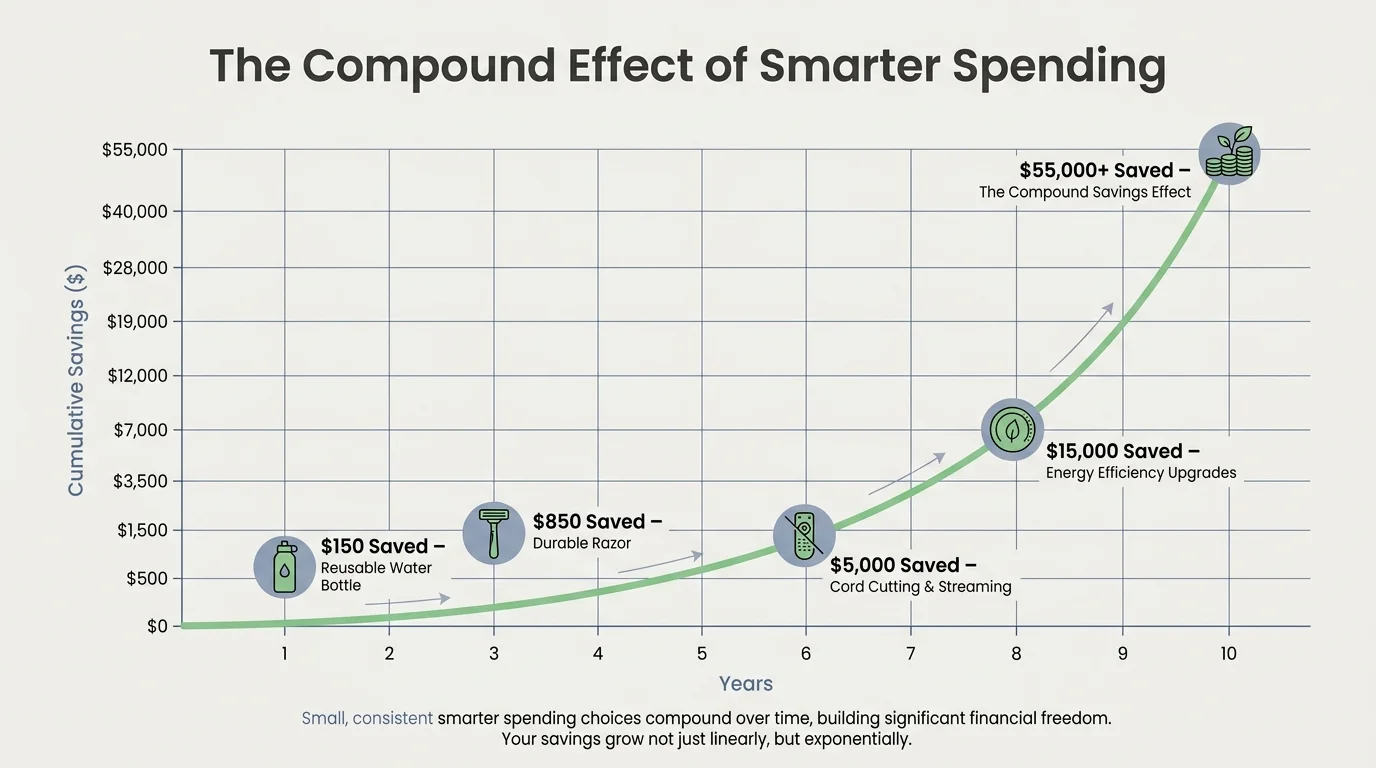
The Bottom Line: What This Means for Your Wallet
Your path to financial stability does not always require securing a higher salary; it frequently begins with plugging the leaks in your current spending. The products detailed above represent billions of dollars in aggressive marketing designed to separate you from your money through convenience, fear, or artificial prestige. As inflation fluctuates and economic pressures mount, optimizing your daily purchases becomes the most immediate and effective way to give yourself a raise.
The shift in national spending behavior proves that consumers are wising up to these retail traps. You take absolute control of your budget when you analyze why you buy certain items and actively seek out durable, cost-effective alternatives. Implement these changes gradually. Start by switching your medication, then tackle your laundry routine, and eventually cut the cord on your expensive media subscriptions. These small, calculated adjustments to your lifestyle will rapidly compound, transforming your passive spending habits into an active engine for wealth building.
For consumer protection information, visit the Federal Trade Commission (FTC) and the Consumer Financial Protection Bureau (CFPB). For product safety and reviews, consult Consumer Reports.
Disclaimer: This article is for informational purposes only and does not constitute financial advice. The content reflects the author’s opinion and research at the time of writing. Always do your own research before making financial decisions.
Frequently Asked Questions
How do I break the habit of buying expensive convenience items?
You break the cycle of convenience buying by introducing friction into your shopping routine. Never enter a grocery store without a strict written list, and never shop when you are hungry or exhausted. If you find yourself consistently buying pre-cut produce or single-use items, restructure your weekly schedule to allow for dedicated meal preparation time. Shifting your mindset from immediate gratification to long-term financial health makes walking past the convenience aisle much easier.
Do generic household and medical products really work as well as name brands?
Yes, generic products are fundamentally identical to name brands in their active performance. Federal regulators ensure that over-the-counter medications contain the exact same active ingredients and dosage requirements regardless of the logo on the box. Similarly, generic household cleaners utilize the same basic chemical surfactants and solvents as premium brands. You are only sacrificing the cost of the marketing campaign, not the efficacy of the product.
What is the fastest way to track my changing spending habits?
The most effective strategy to monitor your progress is utilizing a zero-based budgeting system. Assign every single dollar of your income a specific job before the month begins. Review your bank and credit card statements weekly to identify recurring subscriptions or habitual purchases that bring no tangible value to your life. As you eliminate the ten products mentioned above, manually redirect those saved funds into a high-yield savings account or an investment portfolio so you can actively watch your wealth grow.









Leave a Reply