
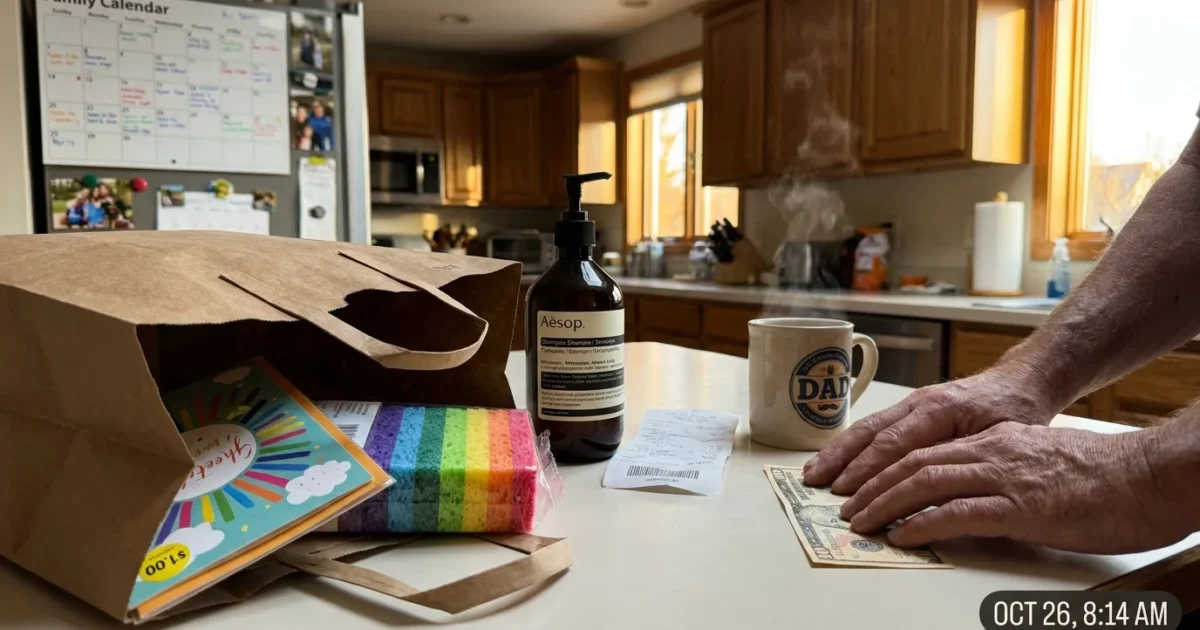
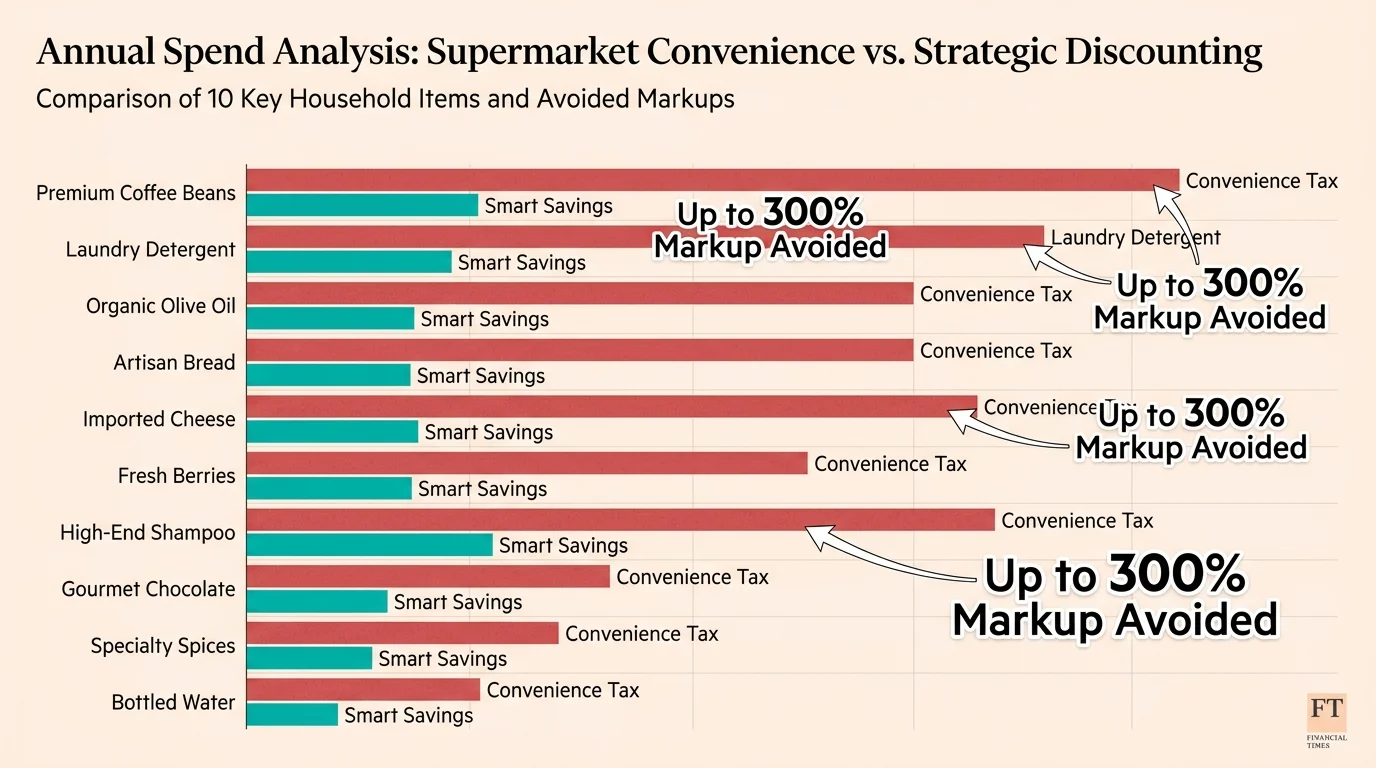
Big-box retailers and specialty grocers rely on massive markups to drain your wallet, but you can fight back by knowing exactly what to buy at discount stores. By shifting just a fraction of your weekly shopping list to bargain retailers, you instantly cut out the middleman premiums baked into everyday necessities. Major supermarkets inflate the prices of basic household goods by up to three hundred percent simply because they know you value convenience over a separate trip. You do not have to fall for this convenience tax; learning the core inventory strengths of closeout stores gives you an immediate financial advantage. Stop overpaying for these essentials when a smarter retail strategy keeps more cash in your bank account right now.

Tip #1: Greeting Cards and Gift Wrapping Supplies
When you walk down the greeting card aisle at a traditional grocery store or pharmacy, you are looking at one of the highest profit margin items in the retail world. Major card companies routinely print prices ranging from six to eight dollars on a single piece of folded cardstock. This pricing structure relies entirely on your guilt and procrastination; you are already at the store, you need a card for a birthday party starting in an hour, and you begrudgingly pay the premium.
If you plan ahead and visit a discount store, you will find high-quality greeting cards for a dollar or less. The paper quality, the printed sentiment, and the shiny foil stamping are virtually identical to the premium brands. This rule applies equally to gift bags, tissue paper, and decorative bows. A large gift bag at a specialty shop can easily cost seven dollars, while discount retailers offer an entire aisle of varied designs for a fraction of that price. You can build a comprehensive gift-wrapping station at home for the cost of a single store-bought birthday card. By buying these items cheaper at discount stores, you immediately stop bleeding cash on disposable paper goods.

Tip #2: Party Supplies and Disposable Tableware
Throwing a birthday party or a casual backyard barbecue exposes you to another massive retail trap—disposable tableware and decorations. Big-box stores and specialty party retailers package plastic forks, paper plates, and napkins in ways that suggest value, but a quick calculation of the per-unit cost reveals a terrible deal. A pack of twenty flimsy plates might cost you four dollars at a supermarket. At a bargain retailer, you can secure double the quantity for a quarter of the price.
The disparity in helium balloon pricing is even more staggering. Specialty party stores regularly charge five to ten dollars for a single mylar balloon, citing helium shortages and premium proprietary designs. Bargain shops offer a massive wall of mylar balloons, fully inflated, for less than two dollars apiece. When you need to outfit a graduation party with coordinated table covers, plastic cups, and streamers, utilizing bargain store best items can easily slash your decoration budget by seventy percent. Never subsidize a party store’s expensive commercial lease by overpaying for simple plastic forks.
Tip #3: Brand-Name Hair Care and Personal Hygiene Products
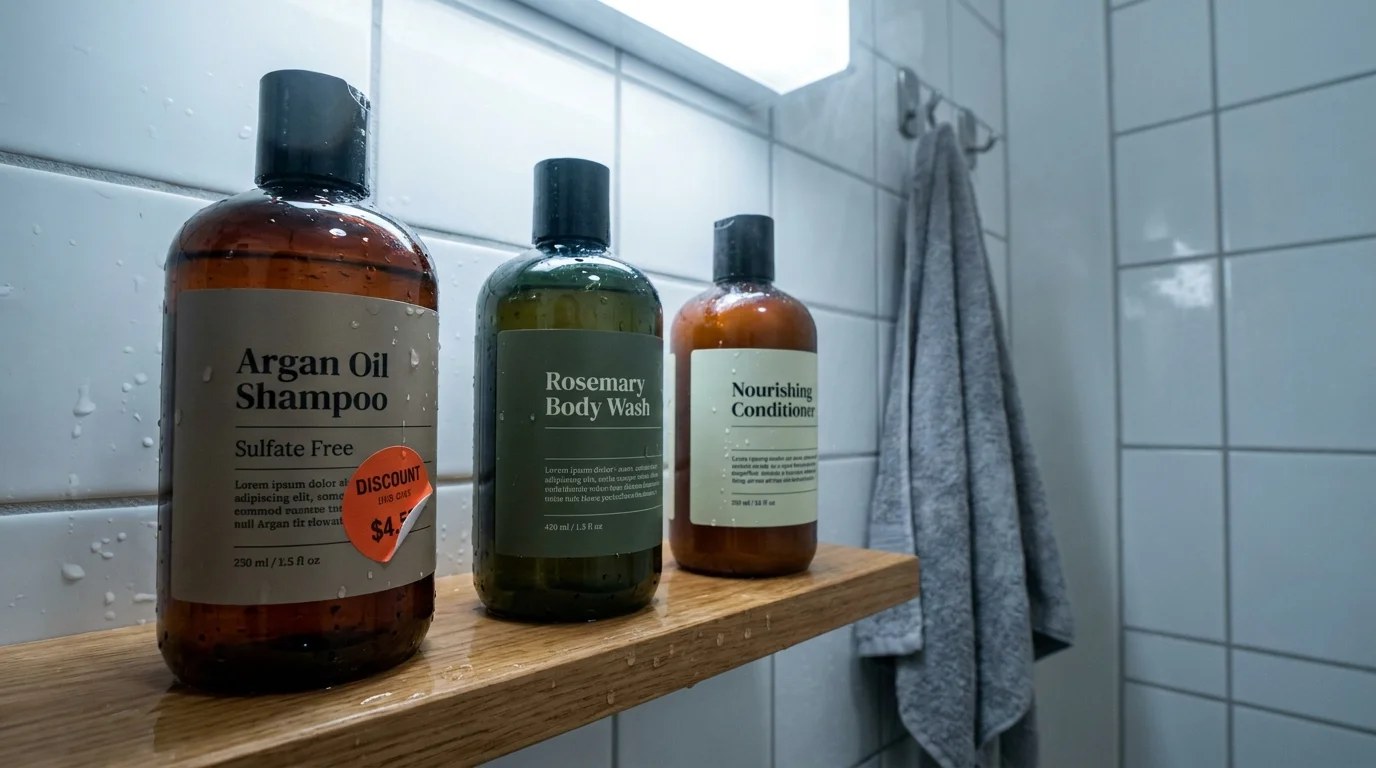
Brand-name hygiene products and salon-quality hair care lines carry aggressive markups at traditional pharmacies and supermarkets. You are paying for prime shelf space and aggressive national advertising campaigns when you buy shampoo alongside your weekly groceries. Closeout stores and discount retailers acquire this exact same inventory through gray market channels, sudden packaging updates, and massive retail overstock.
When a major beauty brand redesigns a bottle or changes a corporate logo, they liquidate millions of perfectly good units to off-price retailers. This means you can routinely find high-end shampoos packed with argan oil, deep-cleaning body washes, and specialized skincare serums for half their original retail price. To score the best discount store buys, you simply need to check the inventory regularly because their stock rotates weekly. Do not worry about expiration dates on standard chemical-based hygiene products like shower gel or deodorant; they remain stable for years. You secure the identical active ingredients, the same proprietary fragrances, and the exact same cleaning power without funding a massive corporate marketing budget.

Tip #4: Pet Toys and Accessories
Pet owners are uniquely vulnerable to emotional spending, and specialty pet supermarkets exploit this psychological weakness mercilessly. When you walk into a major pet retailer, you are confronted with premium pricing on everything from plush squeaky toys to orthopedic memory foam beds. The stark reality is that your dog does not care about a brand name, and your cat will gladly destroy a cheap scratching post just as fast as a boutique one.
Discount stores have recognized this massive retail gap and now dedicate entire, well-stocked aisles to pet supplies. A heavy-duty woven rope toy that costs fifteen dollars at a pet specialty store routinely sits on a discount store shelf for four dollars. The same economic reality applies to soft pet beds, heavy-duty leash accessories, and ceramic food bowls. The global manufacturers supplying these off-price retailers are often the very same factories producing the expensive boutique brands. If you want to know what to buy discount store aisles are famous for, look no further than pet accessories. Sourcing your pet gear here gives your animals the exact same enrichment while keeping your discretionary income safely intact.
Tip #5: Basic Cleaning Supplies and Sponges
Household cleaning supplies represent a continuous drain on your monthly budget if you buy them exclusively at conventional grocery stores. The chemical reality of cleaning products makes strong brand loyalty an expensive illusion. The active ingredient in a famous name-brand bottle of bleach is sodium hypochlorite; the active ingredient in the generic discount store version is exactly the same. You are simply paying a premium for a colorful label and a plastic bottle shape you recognize from television commercials.
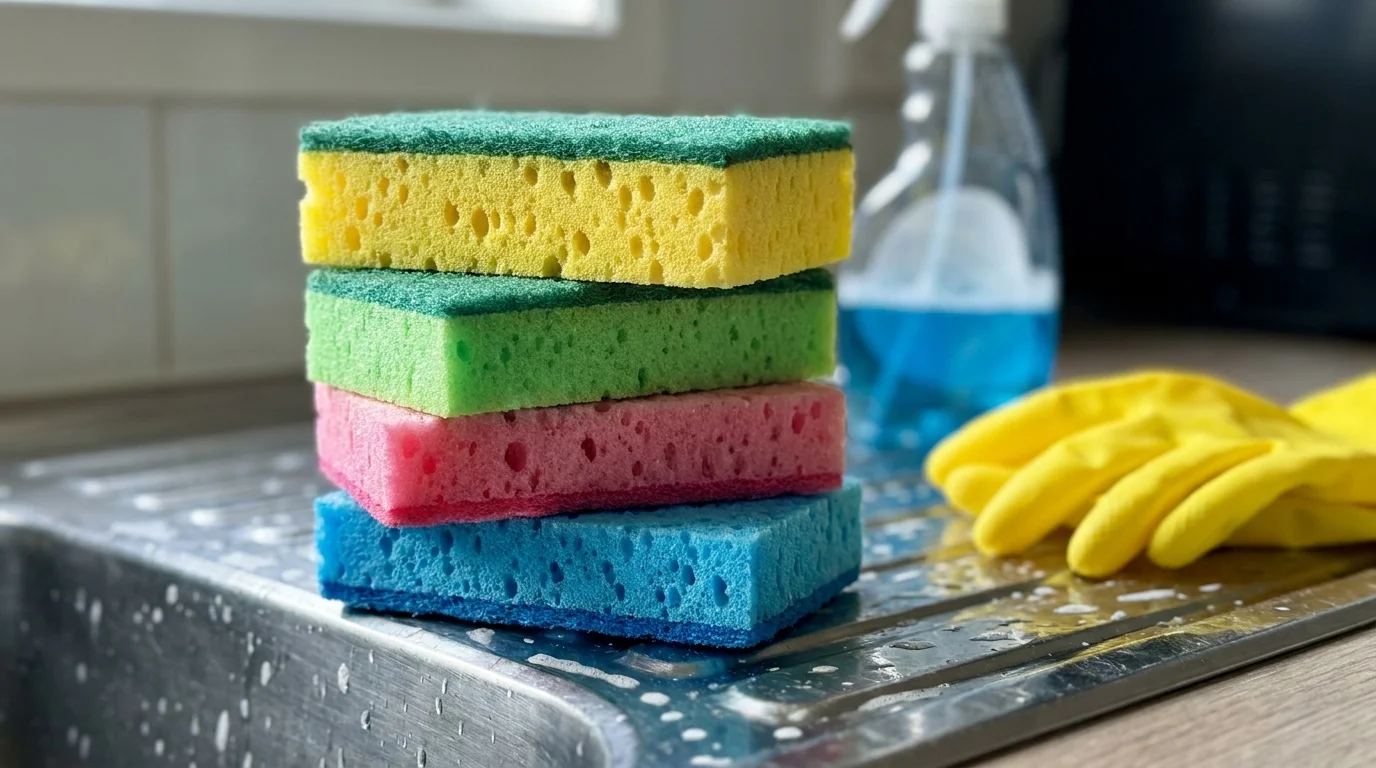
This principle holds true for blue glass cleaners, liquid ammonia, dish soap, and heavy-duty degreasers. Melamine sponges are perhaps the greatest example of this retail trick. You can buy a two-pack of the name-brand magical erasers for four dollars at a supermarket, or you can buy a generic six-pack at a discount retailer for a fraction of that cost. They perform the exact same abrasive scrubbing action because they are manufactured from the identical synthetic material. To save at discount shops effectively, bypass the heavily marketed cleaning solutions and stock up on the generic chemical equivalents; your kitchen counters will shine just as brightly.
Tip #6: Storage Bins and Organization Containers
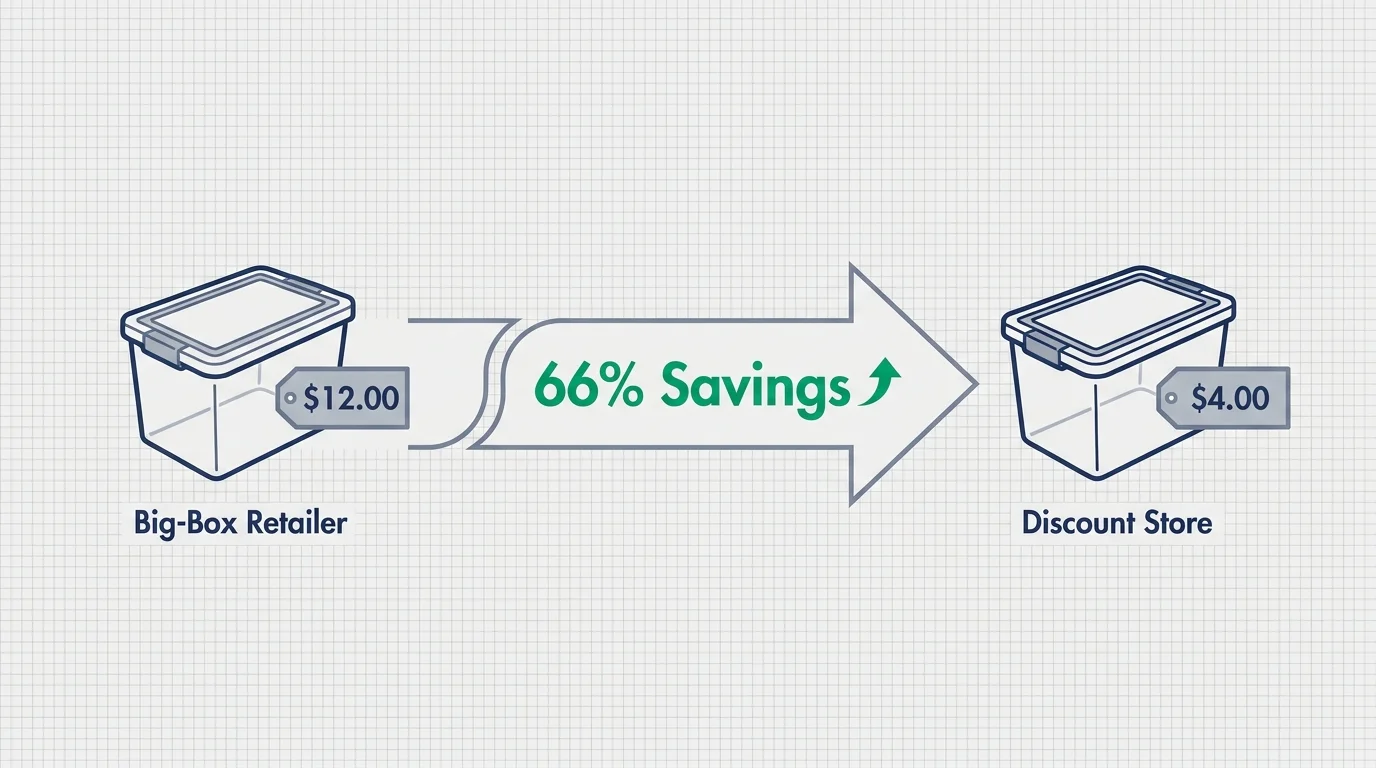
Organizing your home should not require taking on credit card debt, yet specialty container stores act as if injection-molded plastic is a rare precious metal. Buying storage bins, heavy-duty drawer organizers, and closet systems at big-box retailers subjects you to massive lifestyle markups. Retailers know that consumers seeking organization are usually in a highly motivated, problem-solving mindset, and they price their inventory high to capture that urgency.
Discount stores operate under a totally different model. They sell vast quantities of functional, highly durable plastic storage solutions for mere dollars. Whether you need shoebox-sized clear containers for your messy garage or woven fabric baskets for a modern nursery, the bargain aisles deliver exactly what you need. The structural integrity of a discount store storage tote is virtually indistinguishable from one purchased at a high-end organizational boutique. They hold your heavy winter sweaters and fragile holiday decorations just as securely. Stop paying a premium for a specific trendy shade of frosted plastic. Sourcing your organization tools from budget retailers allows you to conquer household clutter without emptying your wallet.

Tip #7: Spices and Dried Herbs
The baking and spice aisle at your local supermarket is a masterclass in aggressive consumer exploitation. Grocers place tiny, elegant glass jars of basic culinary herbs at eye level and charge six to eight dollars for less than two ounces of product. The global agricultural supply chain for basic spices like garlic powder, dried oregano, ground cinnamon, and smoked paprika is highly commoditized.
The dried leaves and flavorful powders packed into those expensive supermarket jars often come from the exact same bulk wholesale distributors that supply discount retailers. When you visit a bargain store, you will frequently find much larger plastic shakers of these essential spices for under two dollars. The quality, aroma, and flavor profiles are entirely sufficient for standard home cooking and meal prep. Professional chefs and savvy home cooks know that overpaying for basic dried herbs is a foolish allocation of grocery funds. Restocking your pantry with these budget-friendly alternatives provides the exact same culinary results while shielding you from supermarket price gouging.

Tortoiseshell reading glasses rest on an open book, highlighting a stylish and affordable find from discount stores.
Tip #8: Reading Glasses and Basic Eyewear
Losing or breaking a pair of reading glasses is incredibly frustrating, but replacing them at a major pharmacy chain adds severe financial insult to injury. Pharmacies routinely display rotating carousels of basic magnifying readers priced anywhere from twenty to thirty dollars. These large retailers depend entirely on your immediate need for visual clarity to justify a staggering markup on simple molded plastic and basic magnifying glass.
Discount stores offer a permanent, highly affordable solution to this optical shakedown. You can find reading glasses in a wide variety of standard diopters for less than two dollars a pair. The magnifying lenses undergo the same basic visual quality control standards, and the plastic frames provide adequate durability for daily use. Because the overall cost is so remarkably low, you can afford to buy multiple backup pairs and distribute them throughout your daily life. Leave a pair in your car console, stash one on your nightstand, and keep another right at your office desk. Never allow a pharmacy to charge you a massive premium for a medical necessity when off-price retailers sell the identical functional tool for literal pocket change.

Tip #9: Office and School Supplies
Office supplies and essential school necessities carry seasonal premiums that savvy shoppers must learn to avoid. Big-box stores heavily promote their back-to-school sales in late summer, but once those promotional loss leaders sell out, the prices on standard spiral notebooks, ballpoint pens, and yellow highlighters skyrocket. Specialty office supply chains are even worse; they charge corporate prices to everyday consumers simply because they dominate a specific market niche.
Discount shops maintain rock-bottom pricing on these essential stationery items twelve months a year. Whether you need a fresh pack of legal pads, heavy-duty shipping tape, manila envelopes, or a bulk pack of markers, the bargain aisles offer deep discounts without requiring a seasonal sale. The paper weight, ink longevity, and adhesive strength rival anything you would find in a commercial office store. Small business owners and remote workers can dramatically slash their monthly overhead by recognizing that branded clear tape and premium sticky notes are entirely unnecessary luxuries. Securing your desktop tools at a closeout store ensures you pay for the actual utility of the item rather than the bloated corporate overhead of a specialized office retailer.

Tip #10: Seasonal Decor and Small Holiday Items
Holiday decorating fuels a multi-billion dollar industry built entirely on your seasonal enthusiasm and lack of planning. Supermarkets, local hardware stores, and giant big-box retailers capitalize on your festive spirit by heavily marking up artificial pine wreaths, gel window clings, printed wrapping paper, and string lights. They know that once December or October rolls around, you are highly willing to spend impulsively to make your home look festive.
The smartest consumers actively avoid these premium seasonal traps altogether. Discount stores acquire massive amounts of holiday overstock and manufacture their own festive lines specifically to undercut the major retail chains. You can secure a massive shopping cart full of glittery ornaments, festive table runners, and seasonal craft supplies for less than the cost of a single decorative centerpiece at a premium home goods store. The core materials—glass, plastic, and synthetic pine needles—are fundamentally identical regardless of where you buy them. By outfitting your seasonal home displays with these budget alternatives, you protect your holiday budget from aggressive retail inflation and leave significantly more money available for actual gifts and family experiences.
The Bottom Line: What This Means for Your Wallet
Breaking the habit of buying every single household item at a primary supermarket or specialty big-box retailer requires intentional discipline, but the immediate financial payoff is undeniable. Corporate retailers have spent decades conditioning you to prioritize one-stop convenience over actual cost, embedding massive hidden profit margins into the basic necessities you buy every single month.
By strategically rerouting your shopping trips to capture the specific items listed above, you instantly claw back your purchasing power. The dollars you save on disposable greeting cards, melamine cleaning sponges, and bulk dried spices compound rapidly, freeing up your monthly budget for aggressive debt reduction, wealth-building investments, or high-quality purchases that actually matter to your lifestyle. You do not need to sacrifice utility or product durability to shop smarter; you simply need to recognize when a premium price tag is nothing more than a carefully crafted marketing illusion. Take firm control of your consumer habits, leverage the closeout market to your advantage, and stop subsidizing the bloated profit margins of traditional retail giants.
Frequently Asked Questions
Are the food items at discount stores actually safe to consume?
Yes, they are completely safe. All food products, including pantry staples and basic snacks sold in American discount stores, must fully comply with the exact same federal safety regulations and FDA inspections as those sold in premium supermarkets. You are frequently buying the very same mass-produced items, simply diverted through a different corporate wholesale supply chain. Bargain retailers routinely purchase overstock inventory or items nearing their sell-by date. You should always check the printed expiration dates before consuming, but rest assured the fundamental safety profile remains strictly regulated.
Why are name-brand hygiene products so much cheaper at off-price retailers?
Off-price retailers specialize in aggressively acquiring gray market goods, canceled wholesale orders, and seasonal overstock directly from massive global beauty manufacturers. If a famous international shampoo brand decides to redesign their bottle label for a new advertising push, they liquidate millions of perfectly viable units of the old stock to closeout buyers at a massive discount. You get the identical salon-quality liquid formula at a dramatically lower price just because the plastic bottle features last year’s outdated graphic design.
Do discount store cleaning supplies really work as well as the heavily advertised name brands?
Absolutely. The raw cleaning power of most commercial products relies on heavily regulated, fundamentally basic chemical formulas. Active cleaning ingredients like liquid ammonia, sodium hypochlorite, and basic foaming surfactants cannot be significantly altered without completely changing their core chemical nature. When you buy a generic multi-surface glass cleaner at a local dollar shop, you are purchasing the exact same active chemical agents without paying a penny for the expensive national television advertising campaigns that premium name brands pass directly onto their retail consumers.
Will buying storage and organization tools at a bargain shop save me significant money?
Yes; you will see an immediate and drastic reduction in your household organization budget. Premium container boutiques mark up their injection-molded plastic bins by hundreds of percent simply because they successfully market themselves as premium lifestyle brands. By purchasing your storage totes, woven fabric baskets, and plastic drawer dividers at a generic discount retailer, you secure the exact same structural durability and daily functionality while entirely avoiding the completely unnecessary premium retail markup.
For consumer protection information, visit the Federal Trade Commission (FTC) and the Consumer Financial Protection Bureau (CFPB). For product safety and reviews, consult Consumer Reports.
Disclaimer: This article is for informational purposes only and does not constitute financial advice. The content reflects the author’s opinion and research at the time of writing. Always do your own research before making financial decisions.







Leave a Reply