
You can transform your favorite pastimes into dependable extra cash without clocking into another corporate grind. Smart retirees across the country are using creative side income to pad their bank accounts on their own terms.
Monetizing what you already enjoy doing keeps your mind sharp while funding travel and unexpected expenses. The secret lies in treating your hobby with commercial precision while dodging costly financial and tax pitfalls.
Here are ten legitimate hobbies that make money, alongside the exact financial blueprints you need to protect your retirement benefits.
Tip #1: Woodworking and Small-Scale Carpentry
Woodworking allows you to turn raw lumber into high-margin household goods that retail stores cannot easily duplicate. Handcrafted cutting boards, custom birdhouses, and outdoor planter boxes consistently attract motivated local buyers.
You do not need a massive commercial workshop to generate consistent sales. Compact benchtop tools and a reliable jobsite table saw can produce beautiful decorative pieces that showcase your craftsmanship.
Selling through local channels lets you bypass costly freight charges entirely. Listing finished items on neighborhood social marketplaces and setting up at weekend community events puts immediate cash into your pocket.
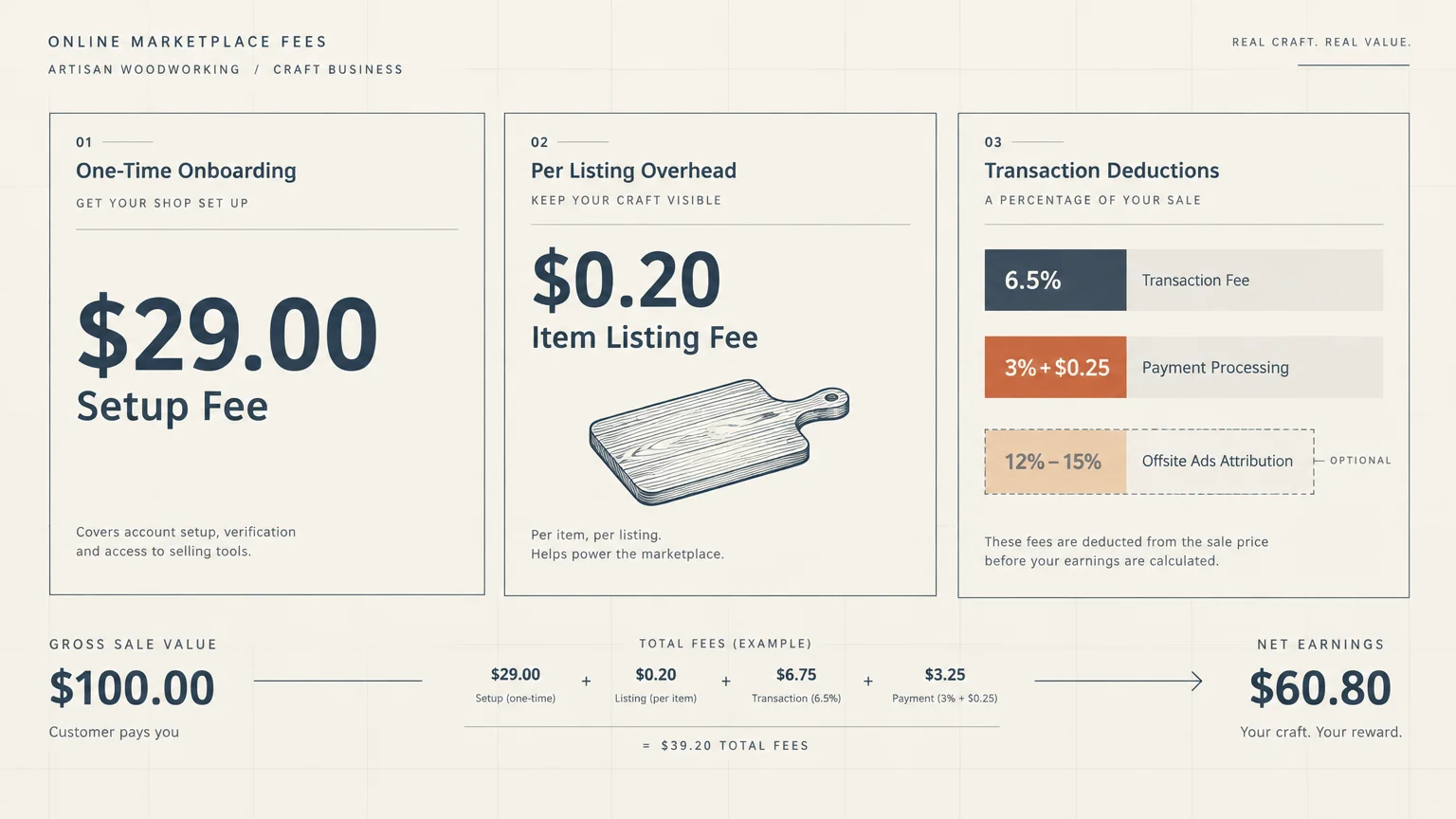
If you decide to sell online through Etsy, keep their fee structure firmly in mind. Etsy charges a $0.20 listing fee per item and takes a 6.5% transaction fee on the final sale price plus shipping.
Sellers also pay a payment processing fee of 3% plus $0.25 on each completed order. Additionally, new shop creators must budget for a one-time $29 account setup fee.
Offsite advertisement fees can also claim between 12% and 15% on attributed sales. Understanding these marketplace costs upfront prevents surprise deductions from eating away at your profit margins.
Savvy woodworkers slash raw material costs by sourcing hardwood cutoffs from local commercial cabinetmakers. These discarded remnants cost pennies on the dollar and produce stunning end-grain charcuterie boards.
Offering custom wood-burned engravings or personalized family nameplates allows you to command higher prices. Personalization requires minimal extra workshop labor while dramatically elevating the perceived value of your finished work.

Tip #2: Gardening and Rare Plant Propagation
Turning your backyard garden into a small nursery provides a tranquil way to monetize hobbies. You can propagate cuttings from established houseplants and ornamental perennials with virtually zero initial overhead.
Rare varieties like variegated monsteras, specialty succulents, and heirloom fig cuttings command premium prices. Plant enthusiasts love purchasing healthy, acclimatized specimens directly from experienced neighborhood growers.
Set up simple propagation stations using clean glass jars or trays filled with damp perlite. Once root systems establish, transfer the young cuttings into inexpensive plastic nursery containers filled with quality potting soil.
Selling your rooted cuttings at local plant swaps, farmers markets, or porch pickups eliminates shipping hassles. In-person handoffs remove packaging expenses and prevent the transit damage common with delicate foliage.
You can also harvest, dry, and package heirloom seeds from your best garden performers. Gardeners happily pay premium rates for heritage tomato and rare flower seeds packaged in simple branded paper envelopes.
Collect rain runoff and compost kitchen scraps to keep your operational expenses close to zero. Free soil amendments and natural fertilizers protect your bottom line on every potted plant you sell.
Always review state department of agriculture regulations before moving plants across county or state lines. Following standard nursery sanitation practices ensures your stock remains free from destructive pests and agricultural quarantines.

Tip #3: Vintage Sourcing and Estate Sale Arbitrage
Browsing estate sales and thrift shops can quickly evolve into an exciting, highly lucrative treasure hunt. Retirees are generating creative side income by identifying undervalued secondhand goods and flipping them for profit.
Focus on specialized categories where you possess natural knowledge, such as mid-century glassware, vintage cast iron, or mechanical watches. Deep familiarity with vintage makers helps you spot valuable treasures that general pickers bypass.
Online platforms provide instant national exposure for your curated antique finds. However, staying informed about federal sales reporting thresholds is vital for managing your resale venture smoothly.
For the 2026 tax year, third-party payment platforms must issue Form 1099-K only when you exceed $20,000 in gross payments and 200 transactions. Congress permanently restored this traditional standard, eliminating lower interim thresholds.
Keep meticulous purchase logs and digital receipt copies for every item you acquire. Proper documentation establishes your exact cost basis and ensures you pay income tax only on genuine net profit.
Attend estate sales on the final afternoon to negotiate deep discounts on leftover inventory. Estate liquidators gladly accept bundle offers on box lots to clear out the remaining property.
Clean your finds gently and photograph them under bright, indirect natural sunlight. Crisp photos and honest condition notes prevent customer disputes, safeguarding your seller rating and revenue.

Tip #4: Sewing, Quilting, and Clothing Alterations
Basic clothing alterations and tailoring have become rare skills in our modern fast-fashion economy. Experienced sewists can launch a thriving, home-based alterations enterprise with nothing more than a reliable sewing machine.
Routine tasks like hemming trousers, shortening sleeves, and replacing zippers provide consistent neighborhood demand. These quick alterations require almost no fabric investment and produce excellent hourly earnings.
You can also design and sew custom memory quilts crafted from cherished baby clothes or vintage family textiles. Grieving families and proud parents gladly pay several hundred dollars for these unique sentimental keepsakes.
Memory quilts require zero speculative inventory because clients supply their own fabrics upfront. This arrangement eliminates design guesswork and guarantees you are paid for custom artistic labor.
Partner with neighborhood dry cleaners, bridal shops, and uniform suppliers to build a steady referral network. Many dry-cleaning businesses outsource their tailoring requests to skilled local independent sewists.
Purchase threads, replacement zippers, and interfacing in bulk quantities from wholesale suppliers. Cutting retail craft store markups out of your supply chain directly preserves your take-home cash on every project.
Clean and oil your sewing machine regularly to avoid costly mechanical downtime. Proper home maintenance keeps your primary tool running smoothly without expensive professional servicing bills.

Tip #5: Baking and Specialty Artisan Foods
Turning your culinary talents into cash lets you tap into the surging demand for artisan foods. Consumers actively seek out crusty sourdough loaves, custom decorated cookies, and allergen-free treats over factory-made supermarket goods.
Most states offer generous cottage food laws that permit selling non-hazardous baked goods directly from home kitchens. This legal pathway removes the crushing overhead of leasing expensive commercial kitchen facilities.
Implement a strict pre-order sales model using social media pages or a simple neighborhood email list. Baking strictly to order eliminates ingredient waste and guarantees revenue before you turn on your oven.
Custom royal icing sugar cookies for birthdays, baby showers, and weddings command premium prices. Detailed decorative work transforms simple pantry ingredients into edible centerpieces that justify high profit margins.
Purchase bulk staples like unbleached flour, pure cane sugar, and butter from restaurant supply outlets. Sourcing ingredients in commercial quantities dramatically lowers your unit costs and widens your overall profit margin.
Offer seasonal holiday assortments and gift boxes to secure larger, highly predictable orders. Corporate clients and local businesses frequently buy artisan food bundles to thank their employees and clients.
Package your baked treats in clean greaseproof boxes tied with rustic bakery string. Professional packaging elevates your product aesthetic and encourages customers to share photos of your work online.

Tip #6: Pet Care, Dog Walking, and House Sitting
Pet sitting and dog walking offer wonderful avenues to stay active while earning reliable weekly cash. Pet owners consistently favor mature, dependable retirees over younger gig workers who might have unpredictable work schedules.
Working professionals eagerly hire trusted neighbors for midday dog walks and routine feeding visits. You can establish a tight geographical service perimeter to minimize vehicle fuel and commuting time.
Overnight house sitting provides another lucrative service tier that requires no equipment or facility overhead. You simply care for pets in their own homes while keeping the client property secure during their travels.
While apps like Rover provide quick client discovery, building a private client roster avoids steep platform commissions. Returning local clients provide dependable cash flow without third-party deductions.
Conduct mandatory meet-and-greet sessions before accepting any new pet care assignment. Evaluating pet temperament and verifying current veterinary vaccination records protects your physical safety and peace of mind.
Protect your personal finances by securing a commercial pet-sitter liability insurance policy. Specialized coverage shields your retirement savings against unexpected pet injuries, vet emergencies, or accidental property damage.
Offer specialized plant watering or mail collection services as simple add-on packages. These minor conveniences cost you very little time while raising your average income per client booking.

Tip #7: Digital Photography and Photo Restoration
If you already own decent digital camera equipment, photography provides numerous avenues for creative side income. You do not have to endure the stress of shooting all-day weddings to earn respectable profits.
Local real estate agents constantly need crisp interior and exterior photographs for property listings. Real estate shoots require brief on-site sessions and provide predictable flat payments per property.
Another profitable niche involves restoring damaged or faded family photographs for local residents. Modern editing software lets you remove creases, correct water damage, and revitalize faded vintage portraits digitally.
Photo restoration requires no physical studio space and minimal material overhead. You can charge healthy flat fees per restored digital file based on the complexity of the damage.
You can also license your sharpest landscape and nature photography through microstock agency catalogs. While individual download royalties are modest, a large catalog can generate passive recurring revenue for years.
Organize weekday morning headshot sessions for local business professionals and community leaders. Standardizing your camera settings and portable backdrop lets you photograph several clients efficiently in a single morning.
Deliver high-resolution digital files directly to clients through secure cloud links. Digital delivery eliminates physical printing costs, framing hassles, and shipping delays, protecting your net take-home pay.

Tip #8: Academic Tutoring and Private Coaching
Decades of professional experience and deep subject mastery make retirees exceptionally qualified academic tutors. Parents gladly hire private coaches to help their children master mathematics, sciences, reading, and standardized tests.
Private tutoring delivers outstanding hourly rates without demanding inventory purchases or physical material investments. You simply exchange your knowledge and individualized attention for direct compensation from motivated families.
Federal reporting thresholds for independent contractors have recently shifted in your favor. Starting in the 2026 tax year, the reporting threshold for clients issuing Form 1099-NEC jumped from $600 to $2,000.
While all earnings remain legally taxable, the higher reporting limit reduces paperwork when tutoring multiple private students. You should still track every dollar received to maintain pristine accounting records.
Conducting sessions over free video conferencing platforms removes transportation expenses and expands your geographic reach nationwide. You can tutor students across multiple time zones right from your home desk.
Require clients to purchase monthly tutoring packages in advance to guarantee your schedule and revenue. Establishing a 24-hour cancellation policy protects your valuable time against last-minute student schedule changes.
Connect with local homeschool networks and private school guidance departments for steady student referrals. Word-of-mouth recommendations from satisfied parents quickly build a full tutoring roster with zero marketing spend.

Tip #9: Handcrafted Candle and Soap Making
Handcrafted soap pouring and candle crafting combine creative design with consumable household goods. Health-conscious consumers willingly pay premium prices for natural botanical soaps and clean soy wax candles over chemical-laden commercial products.
Producing small batches in your kitchen allows you to maintain strict quality standards while controlling inventory. Cold-process soaps formulated with olive oil, shea butter, and essential oils carry exceptional retail markups.
Sourcing ingredients like soy wax flakes, lye, and essential oils from wholesale suppliers lowers production costs. Purchasing in bulk significantly increases the net cash you retain on every poured bar or candle jar.
Weekend craft bazaars and seasonal holiday markets offer superb venues to showcase your finished goods. Direct customer interaction lets buyers experience your fragrances firsthand, driving immediate impulse purchases.
When selling through online platforms like Etsy, calculate your net margins against their 2026 fee structure. Etsy charges a $0.20 listing fee for each item uploaded to your digital shop catalog.
The platform also assesses a 6.5% transaction fee on the combined item and shipping cost, plus a 3% plus $0.25 payment processing fee. New shops must also pay a one-time $29 account setup fee.
Offsite advertisement fees ranging between 12% and 15% can also apply to attributed marketplace sales. Factor these platform deductions into your retail prices to protect your creative side income.
Bundle complementary soaps and candles into attractive gift sets to boost your average transaction total. Themed gift sets absorb packaging costs efficiently and produce higher net profits per customer order.

Tip #10: Musical Instrument Instruction and Instrument Repair
Sharing your musical proficiency provides incredible personal fulfillment alongside dependable retiree hobbies income. Parents and adult hobbyists constantly seek patient, experienced instructors to teach piano, acoustic guitar, strings, or brass.
Setting up recurring 30-minute private lessons in your home establishes a highly predictable monthly income stream. Teaching from home requires zero commercial studio rent and keeps your ongoing overhead at zero.
Retirees with mechanical skills can expand their business by offering stringed instrument maintenance and setup services. Many amateur guitarists, violinists, and cellists do not know how to adjust action, intonation, or tuning pegs properly.
Performing basic setups requires inexpensive bench tools like string winders, radius gauges, and fret polishers. These routine adjustments take under an hour but yield generous hourly compensation for your focused craft.
Partner with local middle school and high school band directors to source student referrals. School music teachers happily recommend trusted neighborhood instructors and repair technicians to their student musicians.
Bill all students on the first of each month for the upcoming lesson block. Collecting lesson fees upfront guarantees consistent monthly cash flow and eliminates awkward payment reminders.
Host an informal year-end student showcase in your living room or a local community center. Student performances delight parents and inspire existing clients to continue their private lessons into the next term.
The Bottom Line: What This Means for Your Wallet
Monetizing your favorite pastime provides wonderful financial breathing room, but you must respect federal tax and retirement guidelines. The Internal Revenue Service maintains a rigid distinction between a recreational hobby and a commercial business.
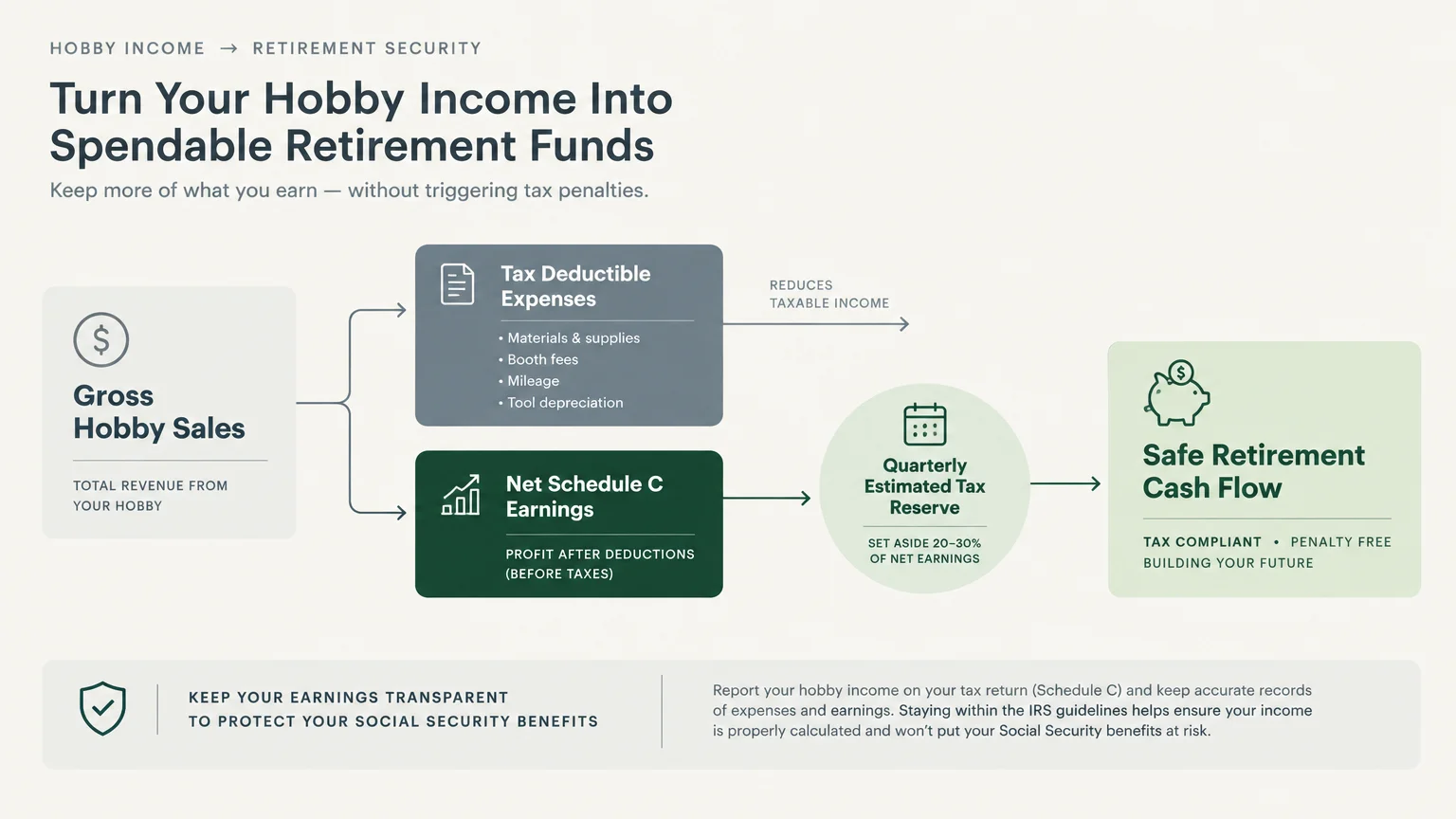
Under Internal Revenue Code Section 183 and permanent tax laws, taxpayers cannot deduct expenses for an activity classified purely as a hobby. All gross hobby income must be reported directly on Schedule 1 of Form 1040.
To deduct equipment, workshop supplies, and marketing costs, you must operate your activity as a legitimate business with a profit motive. Operating as a business allows you to file Schedule C and deduct allowable expenses against gross revenue.
Generating $400 or more in net self-employment earnings requires you to file Schedule C and pay federal self-employment tax. The 2026 self-employment tax rate is 15.3%, consisting of 12.4% for Social Security and 2.9% for Medicare.
The 12.4% Social Security portion applies to your first $184,500 of net earnings in 2026. Careful tracking of valid business deductions lowers your net taxable earnings and shrinks your overall tax burden.
You must also track Social Security earnings limits if you collect benefits before your Full Retirement Age (FRA). For anyone born in 1960 or later, Full Retirement Age is 67.
For retirees born in 1959, Full Retirement Age is 66 years and 10 months. Reaching your Full Retirement Age eliminates all earnings caps on your monetized hobby income.
In 2026, retirees collecting benefits who remain under Full Retirement Age all year can earn up to $24,480. The Social Security Administration withholds $1 in benefits for every $2 earned above that $24,480 threshold.
Under the SSA special monthly rule, this equals an earnings threshold of $2,040 per month. For 2027, the annual earnings test limit for individuals under Full Retirement Age will rise to $25,560.
If you reach Full Retirement Age during 2026, a higher limit of $65,160 applies to months before reaching FRA. For earnings above $65,160 ($5,430 monthly), the SSA withholds $1 for every $3 earned.
The SSA announced that this transitional limit will increase to $67,920 for the 2027 tax year. Once your birth month arrives and you reach FRA, you can earn unlimited income without benefit reductions.
During your initial retirement year, be mindful of the SSA substantial services rule in self-employment. The SSA considers devoting more than 45 hours monthly to your business as substantial self-employment activity.
In highly skilled professions, working between 15 and 45 hours monthly can also trigger substantial service classifications. Exceeding these hour caps can impact your benefit payments under the special monthly earnings test.
Keep an eye on your total provisional income to avoid triggering unnecessary federal taxes on your retirement benefits. Your side income increases your overall provisional income calculations.
Up to 85% of your Social Security benefits become subject to federal income tax if provisional income surpasses certain thresholds. Those thresholds are $25,000 for single filers and $32,000 for married couples filing joint returns.
Treating your monetized hobby with financial discipline allows you to enjoy supplemental earnings without endangering your retirement safety net. Plan your hours and revenue proactively to maximize your net financial gain.
For consumer protection information, visit the Federal Trade Commission (FTC) and the Consumer Financial Protection Bureau (CFPB). For product safety and reviews, consult Consumer Reports.
Disclaimer: This article is for informational purposes only and does not constitute financial advice; the content reflects the author’s opinion and research at the time of writing. Always do your own research before making financial decisions.
Frequently Asked Questions
Can I deduct the cost of supplies if my activity remains a hobby?
No, you cannot deduct expenses for an activity classified purely as a hobby. Following the permanent suspension of miscellaneous itemized deductions, the IRS disallows all hobby expense write-offs.
To claim deductions for materials, tools, or shipping, you must establish a legitimate business with a demonstrable profit motive. You would then report your income and deductions on Schedule C.
How does side income affect my Social Security retirement benefits?
If you have already reached your Full Retirement Age of 67, your side earnings will not reduce your benefits. You can earn unlimited income without facing benefit withholding.
If you are under FRA throughout 2026, you can earn up to $24,480 before penalties apply. The SSA withholds $1 in benefits for every $2 earned beyond that threshold.
When do I have to pay self-employment tax on my hobby revenue?
You must file Schedule C and pay self-employment tax once your net business profit reaches $400 in a calendar year. The self-employment tax rate is 15.3%.
This tax rate funds your 12.4% Social Security and 2.9% Medicare obligations. Diligently tracking business expenses helps lower your net earnings and reduces the resulting tax bill.
Will selling handmade crafts online trigger an IRS Form 1099-K?
For the 2026 tax year, online marketplaces only issue Form 1099-K if you exceed $20,000 in gross payments and 200 transactions. Congress permanently repealed the previously planned $600 threshold.
Regardless of whether a platform sends you a tax form, all earned income must be reported to the IRS. Keeping precise sales and expense records ensures complete federal compliance.