Criminals intercept hard-earned paychecks and federal benefits before money ever reaches a balance. A single hijacked routing number can drain your checking account within minutes.
Modern deposit theft exploits automated clearinghouse transfers, hijacked login credentials, and outdated assumptions about bank insurance. You cannot afford passive security when your liquid cash sits on the line.
Protecting your funds demands an aggressive, layered defense that shuts down vulnerabilities before thieves strike. Here is how you lock down your incoming cash and protect deposits from fraud starting today.
Tip #1: Lock Down Federal Benefits to Block Social Security Deposit Fraud
Direct deposit theft hits federal entitlement payments with ruthless precision. Criminal networks target recurring monthly distributions because the arrival dates remain entirely predictable.
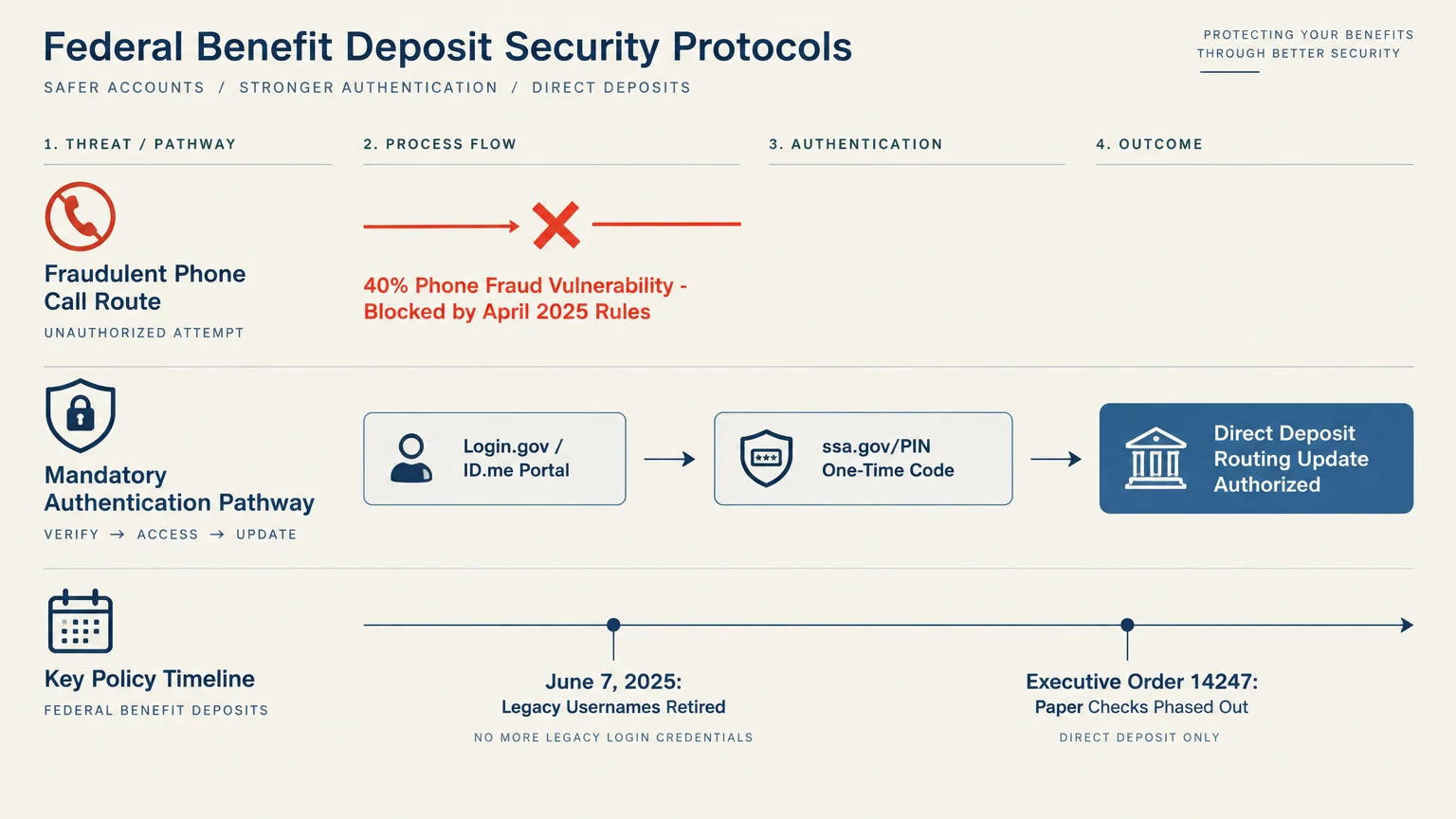
Federal authorities recognized this severe vulnerability through Executive Order 14247, which phased out paper checks on September 30, 2025. Treasury data confirms paper benefit checks are 16 times more likely to be lost, stolen, or altered than electronic transfers.
However, digital transfers create distinct digital targets. The Social Security Administration discovered that 40% of direct deposit fraud originated through fraudulent telephone requests.
In response, strict federal anti-fraud rules took effect in April 2025. Beneficiaries can no longer alter banking information over the phone using simple personal identifiers.
You must execute routing updates online through your personal account, visit a local field office in person, or generate a one-time code at ssa.gov/PIN before calling. This protocol stops social security deposit fraud before rogue agents redirect your money.
Take direct control of your access portal immediately. The agency permanently retired all legacy usernames on June 7, 2025.
Secure your profile using Login.gov or ID.me with multi-factor authentication active. Claiming your digital profile prevents an impersonator from establishing unauthorized access in your name.
Tip #2: Defeat Workplace Direct Deposit Scams at the Payroll Gate
Workplace payroll systems remain a prime target for automated clearinghouse diversion. Syndicate scammers routinely harvest employee credentials through spear-phishing campaigns aimed at human resources software.
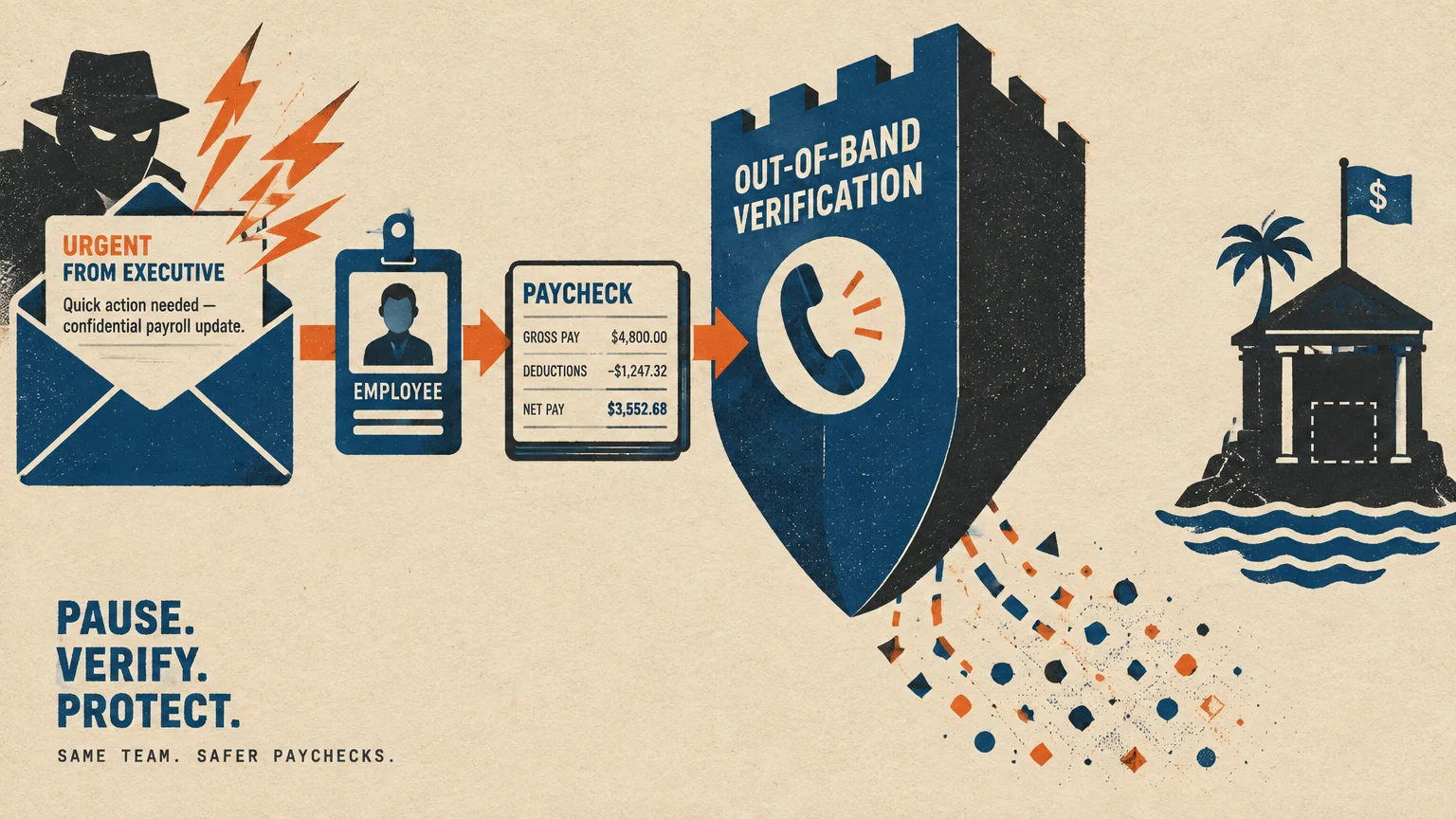
The scam operates with deceptive simplicity. Fraudsters spoof corporate executive emails or send urgent text messages requesting an immediate change to direct deposit banking details.
If payroll administrators fail to verify the request, your upcoming paycheck routes straight into a criminal account. By the time you notice a missing paycheck on Friday, the funds have vanished.
Defend yourself by establishing strict personal boundaries around direct deposit scams. Never submit banking alteration paperwork via unencrypted email attachments or unsecured messaging channels.
Demand that your employer enforce out-of-band verification. Every payroll adjustment must require an in-person confirmation or a direct telephone verification using an established internal number.
Enforce robust credentials on your self-service employee portal. Activate multi-factor authentication and select complex passwords that share no similarities with your personal accounts.
Review your electronic pay stubs forty-eight hours before disbursement day whenever possible. Spotting altered routing details in advance gives you time to freeze the distribution.
Tip #3: Master the Regulation E Clock to Cap Financial Liability
Federal law provides substantial consumer protection against electronic banking theft, but strict statutory deadlines control your recovery rights. Missing these deadlines exposes your entire account balance to permanent loss.
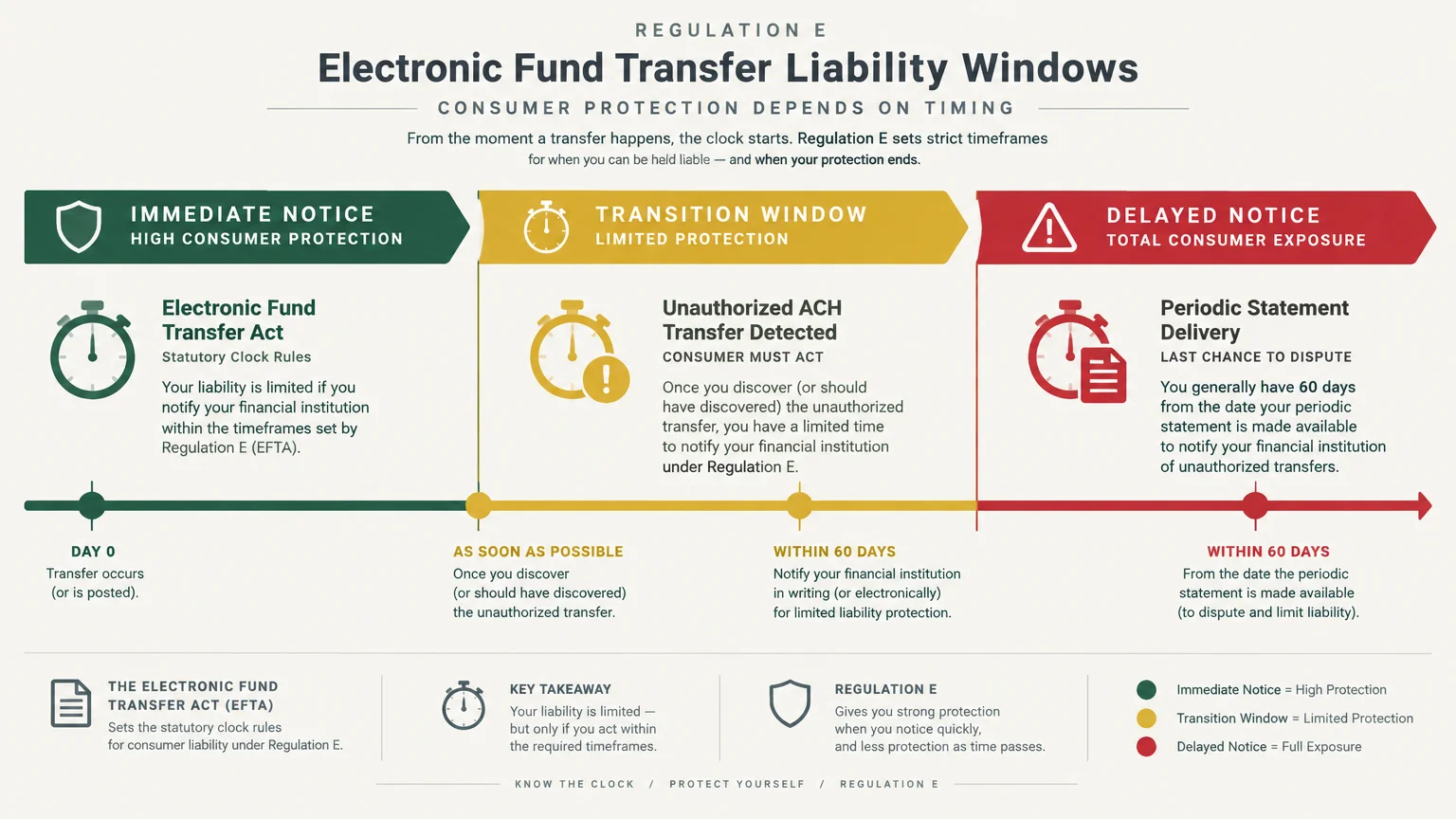
The Electronic Fund Transfer Act, implemented through federal Regulation E, establishes clear liability tiers for unauthorized debit card and automated clearinghouse transactions. Your personal financial exposure depends entirely on how fast you sound the alarm.
Notify your financial institution within two business days of learning about an unauthorized transfer, and your maximum legal liability caps at $50. Waiting longer triggers severe financial penalties.
If you report the theft after two business days but within 60 days of your statement transmission, your liability ceiling jumps to $500. That delay costs you hundreds of dollars in avoidable losses.
Exceeding the 60-day window causes devastating financial harm. You face unlimited liability for all unauthorized transfers occurring after that 60-day mark, leaving your stolen deposits unrecoverable.
Note that Regulation E protections apply exclusively to unauthorized transfers where criminals infiltrate your account. The regulation rarely covers voluntary transfers where a con artist tricks you into sending funds directly.
Audit every checking transaction weekly. Rapid detection is the only dependable mechanism to protect bank account balances under federal rules.
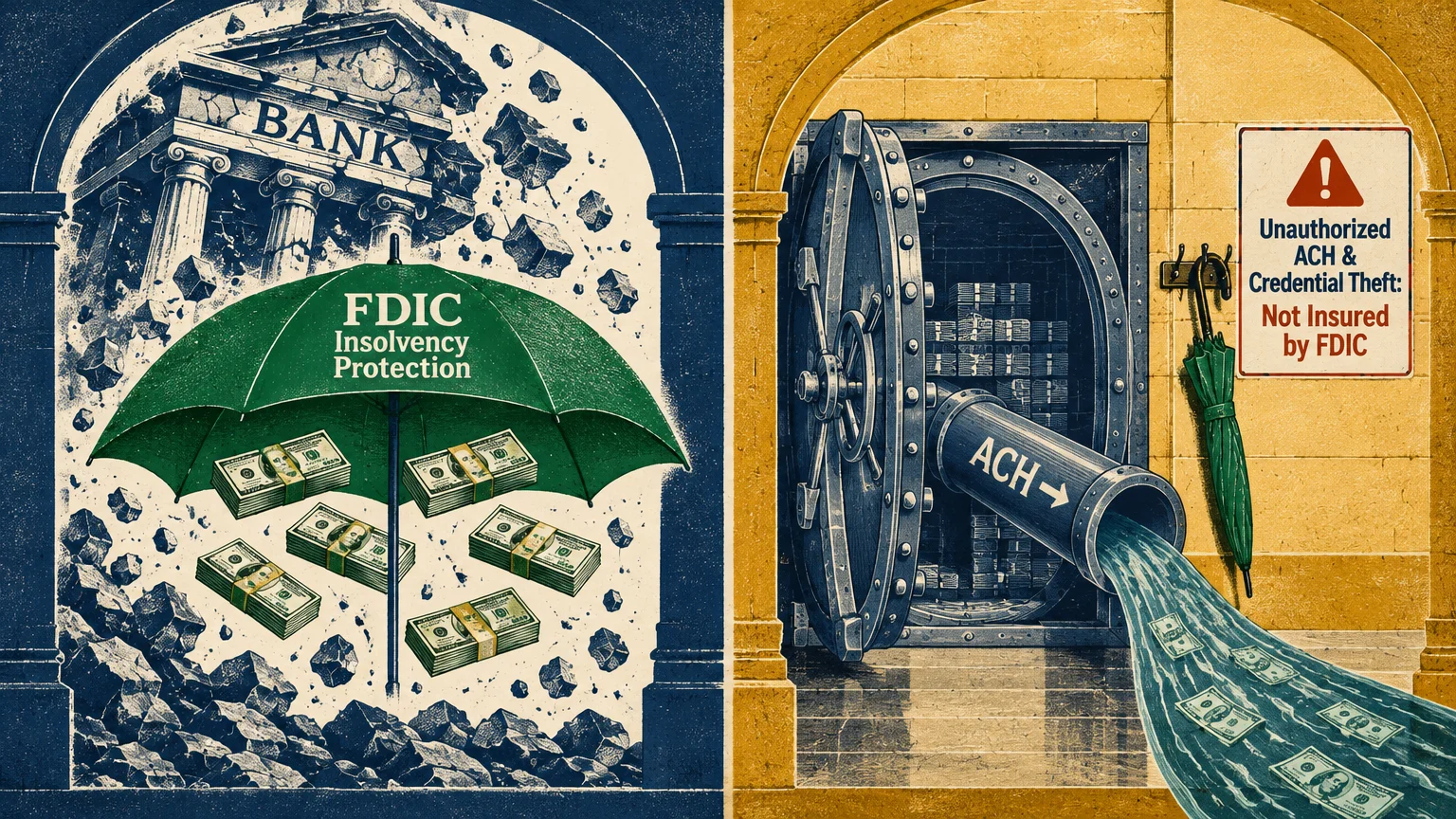
Tip #4: Stop Treating FDIC Insurance Like a Fraud Guarantee
A widespread financial myth leads consumers to believe that federal deposit insurance reimburses everyday scam losses. Relying on this false assumption leaves your life savings dangerously exposed.
The Federal Deposit Insurance Corporation and the National Credit Union Administration protect deposits up to $250,000 per depositor, per institution. Yet this coverage carries a very specific, narrow mandate.
Deposit insurance protects exclusively against bank insolvency and institutional collapse. The FDIC steps in when a bank fails; it does not reimburse funds stolen by internet criminals.
Consumer theft and scam losses fall under individual bank agreements and Regulation E guidelines instead. If a fraudster drains your liquid cash, FDIC insurance provides zero recovery assistance.
This reality makes proactive bank fraud prevention an absolute necessity rather than an optional chore. You cannot rely on federal agencies to bail you out of a compromised deposit account.
Treat every dollar in your checking balance as vulnerable working capital. Implement personal security protocols under the assumption that lost funds remain gone forever unless caught immediately.
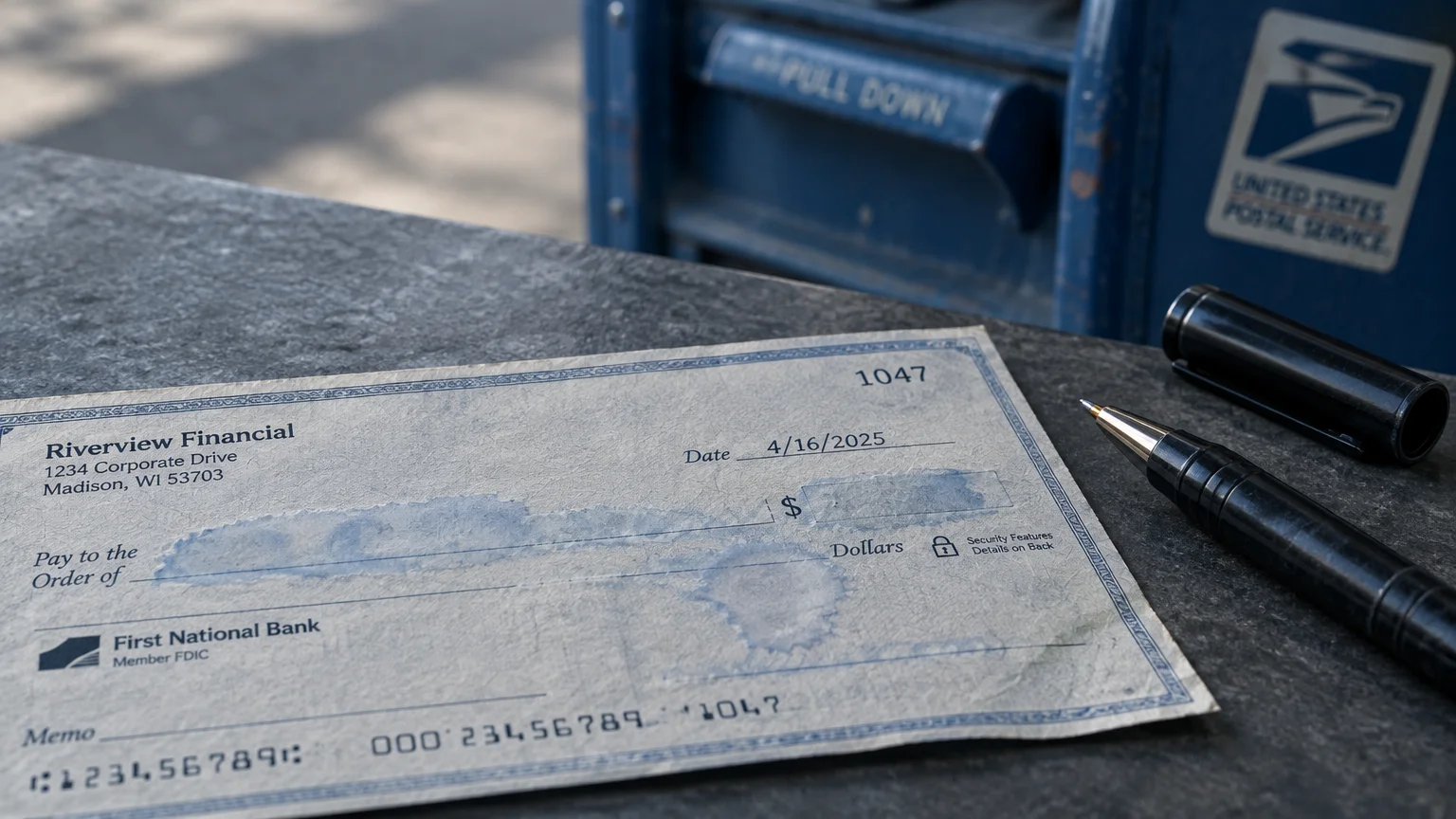
Tip #5: Eliminate Paper Checks to Prevent Check Washing and Mail Theft
Writing paper checks exposes your sensitive banking details to every person handling the envelope. Modern thieves exploit this visibility through aggressive physical theft and chemical manipulation.
Check fraud accounts for 30% of all bank fraud losses nationwide, ranking second only to debit card theft. Criminal syndicates target physical collection boxes to harvest negotiable instruments in bulk.
Federal law enforcement tracking reveals a staggering 90% increase in check fraud suspicious activity reports alongside a 139% surge in postal mail theft. The U.S. Postal Inspection Service intercepts over $1 billion in fraudulent checks annually.
Thieves soak stolen checks in common household solvents to erase the payee name and dollar amount while preserving your original signature. They rewrite the check for thousands of dollars or duplicate the account data digitally.
Eliminate paper checks completely from your financial routine. Pay bills through electronic bill-pay portals or direct automated clearinghouse debits managed inside your secure banking portal.
If you must issue a physical draft, write using indelible black gel ink containing pigment particles that bond permanently with paper fibers. Hand the envelope directly to a postal clerk inside a post office rather than using an outdoor collection bin.
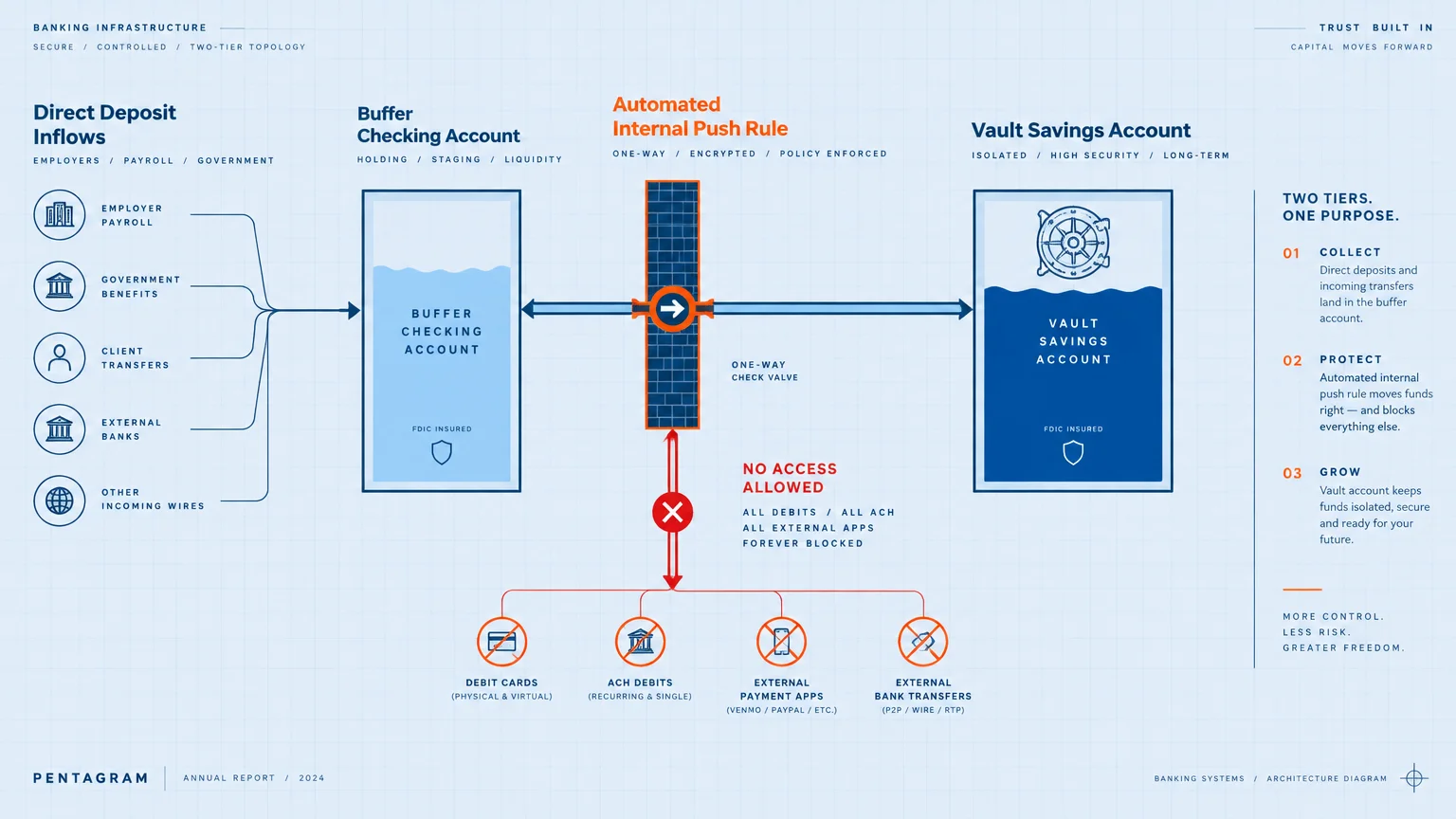
Tip #6: Build a Dual-Account Firewall to Protect Incoming Funds
Frugal consumers often funnel all incoming earnings and outgoing household bills through a single primary checking account. This common structural mistake exposes your core capital to external compromise.
When you provide your routing and account number to billing utilities, gyms, or retailers, you expose your entire liquid reserve. Any security breach at those commercial merchants hands thieves direct access to your primary wealth.
Construct a defensive dual-account firewall to neutralize this threat. Maintain an isolated “deposit fortress” account that receives your paychecks and federal benefits.
Never link a debit card to this incoming deposit account, and never write checks against it. Never share its account credentials with subscription services, merchants, or third-party digital apps.
Open a secondary “operational checking account” at a separate financial institution for routine spending and utility drafts. Transfer only enough money to cover immediate, short-term expenses.
If an automated biller suffers a data breach, thieves access only the minimal buffer in your secondary account. Your main deposits remain safely isolated behind an institutional wall.
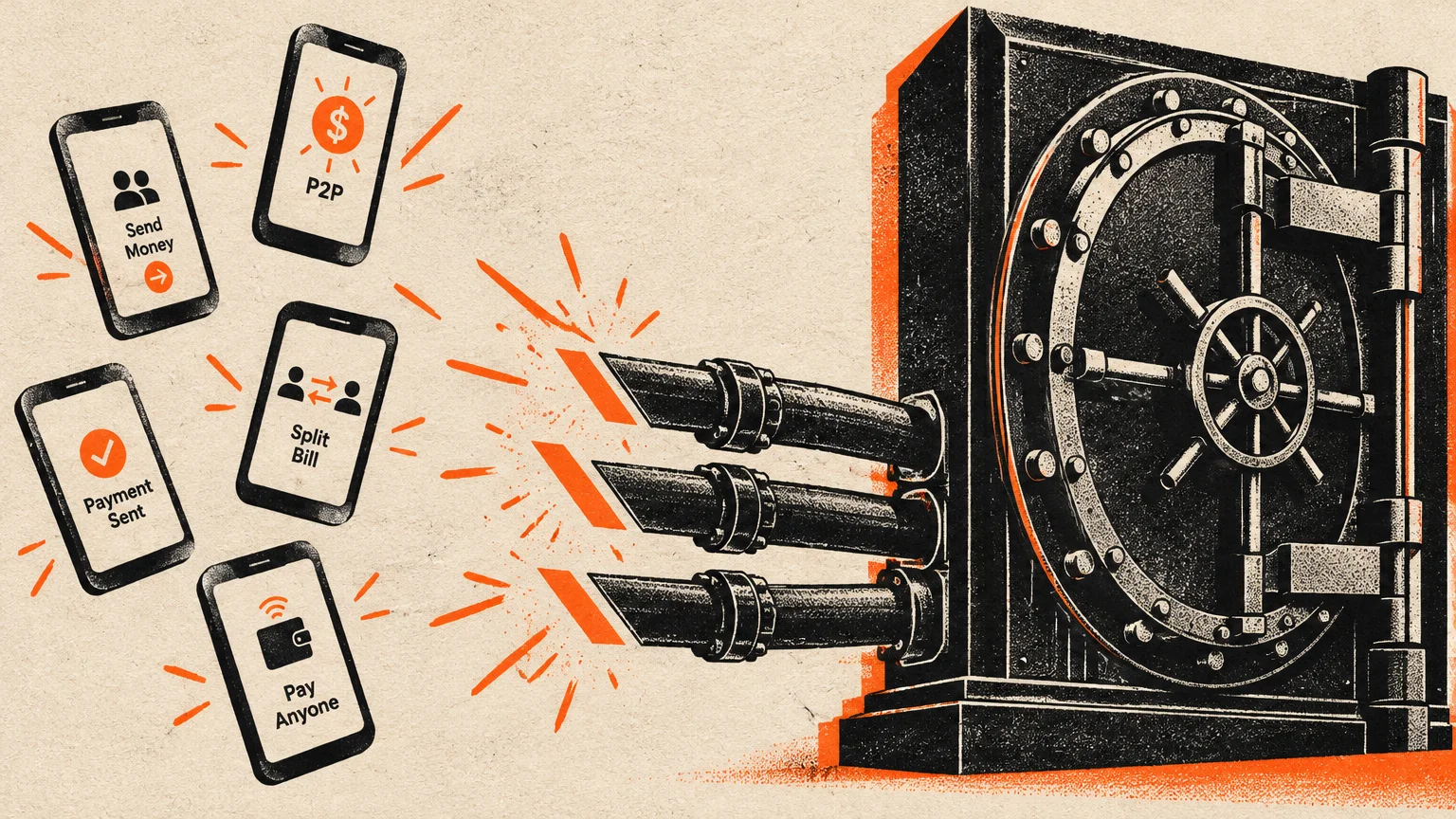
Tip #7: Disconnect Peer-to-Peer Apps from Primary Wealth Accounts
Instant peer-to-peer payment platforms prioritize convenience over transactional security. Linking these payment applications directly to your primary deposit vault creates an open conduit for devastating financial drain.
Federal Trade Commission data shows consumers lost $15.9 billion to fraud across three million complaints in 2025. Scammers extracted over $4 billion specifically through bank transfers and cryptocurrency transactions.
Imposter scams accounted for $3.5 billion in consumer losses during the same period. Scammers frequently manipulate victims into authorizing irreversible peer-to-peer transfers under the guise of fraud-prevention agents.
Because you technically authorize the transaction within the application, banks routinely deny reimbursement claims. Federal Regulation E protections fail to shield consumers from authorized peer-to-peer transfers.
Sever all direct automated clearinghouse links between peer-to-peer applications and your primary checking account. Never attach your primary debit card to these platforms.
If you use payment applications, tie them exclusively to a dedicated, low-balance prepaid card or an isolated secondary checking account. Maintain minimal working cash in that account to cap potential losses.
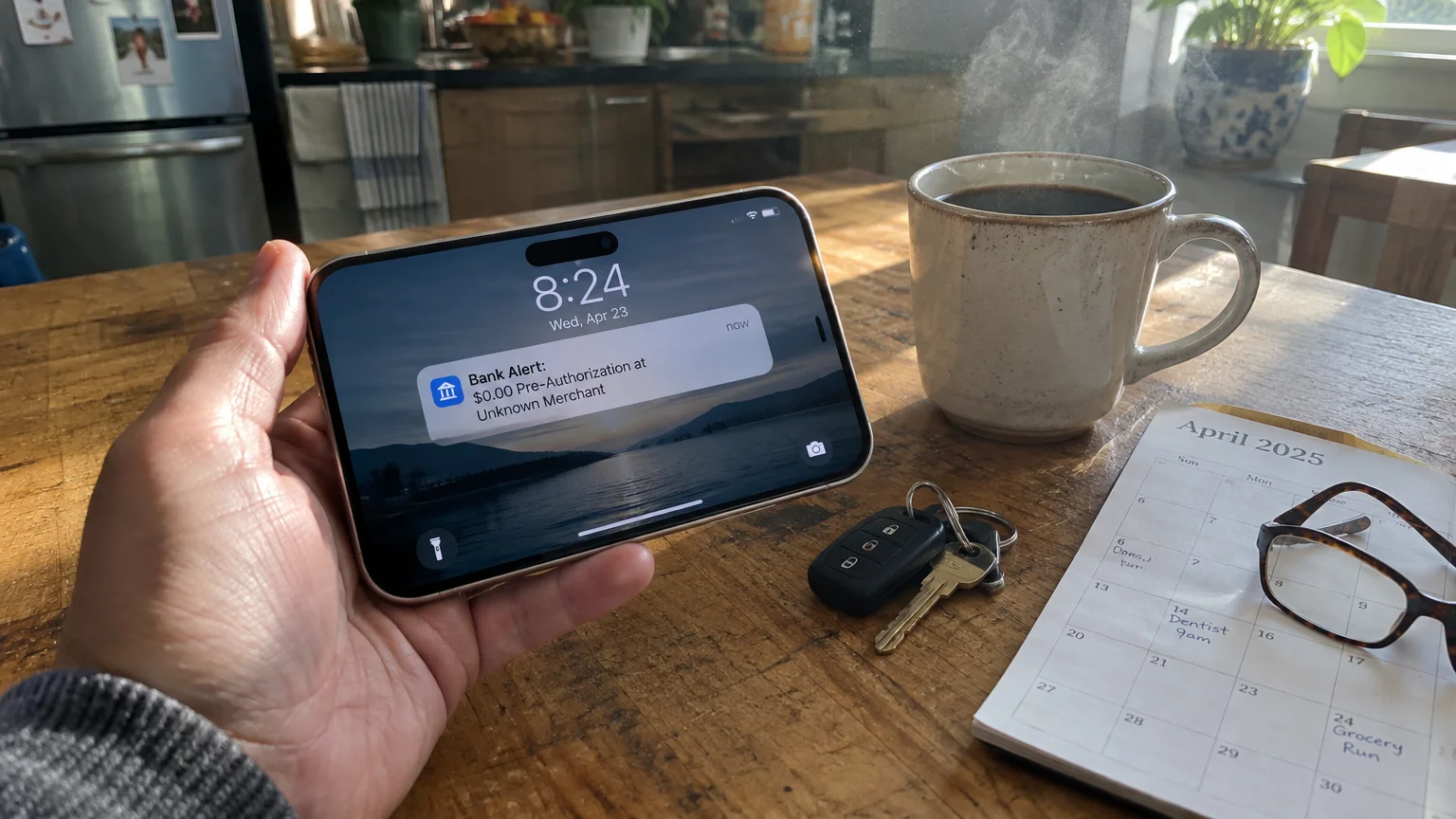
Tip #8: Set Zero-Dollar Alerts to Catch Stealth Micro-Transactions
Sophisticated banking thieves rarely drain an account on their first attempt. They conduct subtle reconnaissance to verify whether stolen credentials remain active and unmonitored.
Criminals run automated micro-transactions valued at a few cents through obscure automated clearinghouse processing networks. If the micro-debit clears without consumer pushback, they strike with large, devastating withdrawals.
Standard bank notification configurations overlook these small scouting charges. Most default alerts trigger only when an outgoing transaction exceeds $50 or $100.
Log in to your banking profile and adjust your notification threshold to zero dollars. Demand an immediate push notification or text message for every single withdrawal, transfer, and account change.
Receiving an alert for an unfamiliar three-cent withdrawal gives you critical advance warning. You can freeze the account immediately before the syndicate initiates a catastrophic clearinghouse sweep.
Enable direct deposit arrival alerts alongside debit notifications. Knowing the exact minute your funds land allows you to move capital into protected reserves without delay.
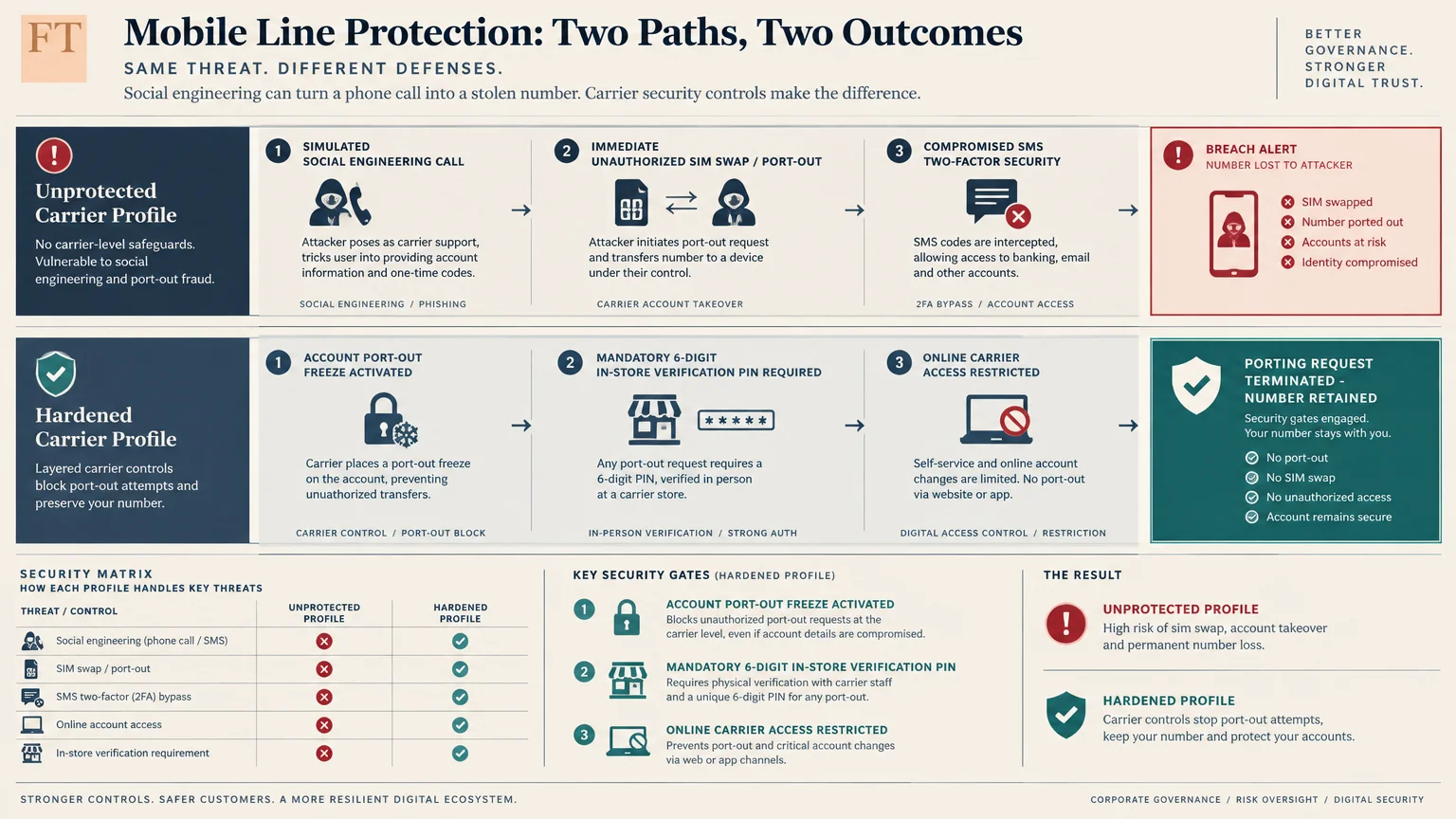
Tip #9: Lock Your Mobile Carrier Account Against Unauthorized Porting
Your mobile phone number serves as the master key to your digital financial life. If an attacker hijacks your telephone number, your inbound bank security alerts fall directly into criminal hands.
In a SIM swap attack, a fraudster impersonates you and convinces your cellular provider to transfer your service to a new physical SIM card. Once active, the criminal intercepts your SMS verification codes and initiates rapid password resets.
With hijacked credentials, the attacker logs into your banking app, adds unauthorized external payees, and siphons your incoming deposits. The entire compromise happens silently while your cellular handset suddenly displays “No Service.”
Contact your mobile telephone carrier today and request a strict port-out freeze on all account lines. This security setting blocks any request to transfer your number to a new carrier without rigorous identity proofing.
Establish a distinct, secondary security PIN with your telecommunications carrier. Choose a random number that shares no correlation with birth dates, anniversaries, or street addresses.
Instruct the carrier that no employee may alter SIM assignments or account routing without verbal confirmation of that specific security PIN. This simple barrier stops account takeover dead in its tracks.
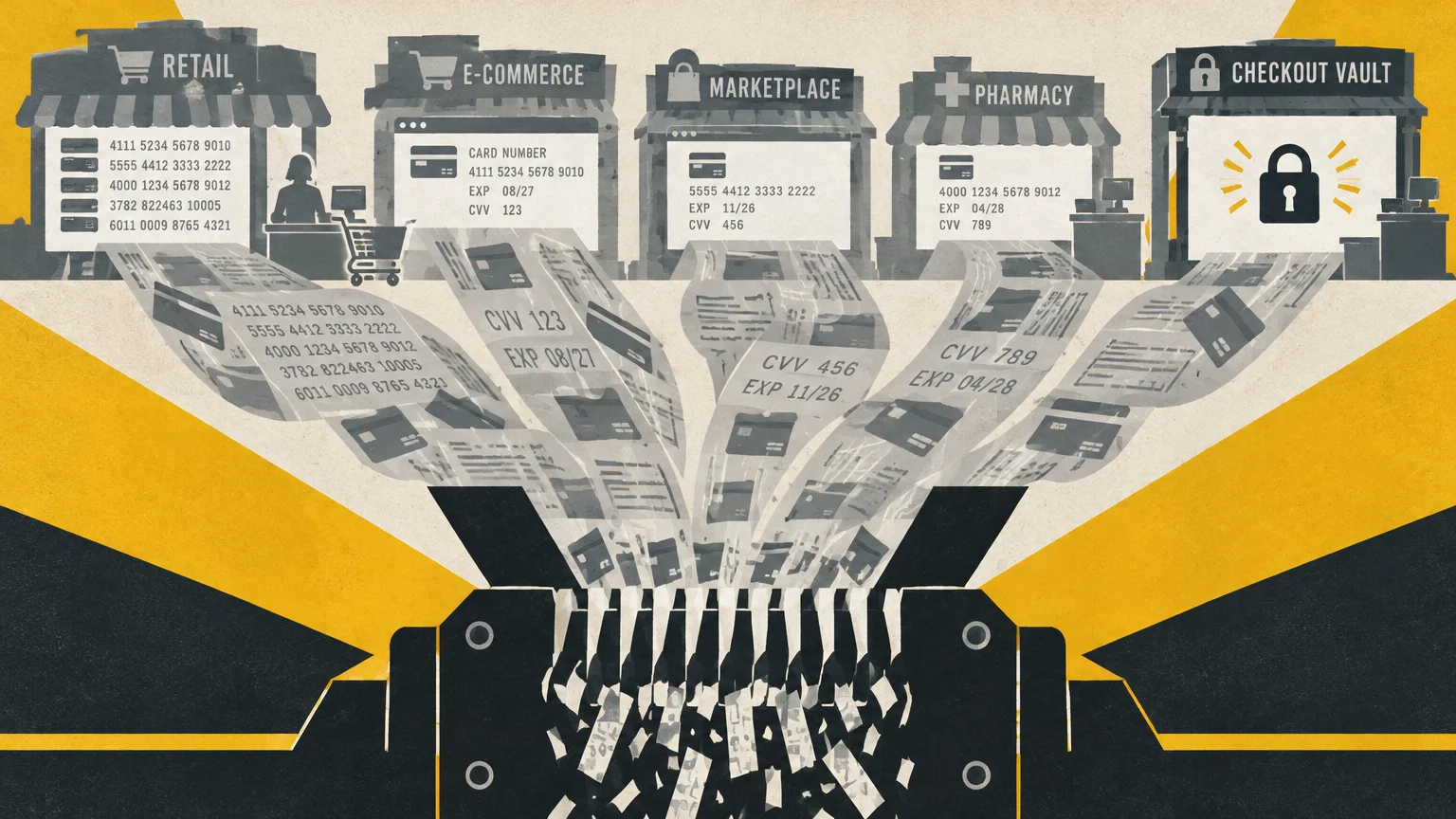
Tip #10: Purge Stored Account Data to Prevent Credential Stuffing
Browser autofill tools and retailer checkouts offer tempting convenience, but storing bank account credentials on external servers invites continuous danger. Merchant databases leak private information constantly.
The FBI Internet Crime Complaint Center reported that total cybercrime losses reached $20.9 billion in 2025. Data breaches fuel automated credential-stuffing campaigns that test compromised passwords across thousands of financial portals.
Older Americans suffer immense financial damage from these systemic breaches. The FTC reported that adults aged 60 and over lost $3 billion to fraud in 2025, while consumers aged 50 and older surrendered $4.3 billion.
Audit every online shopping account, browser profile, and utility platform where you conduct business. Delete all saved bank account numbers and routing codes from merchant profiles.
Never authorize a merchant to store your direct automated clearinghouse information for casual future purchases. Entering payment details manually each time creates friction that protects your balance.
Use unique, non-recycled passphrases for every financial portal you access. A secure password manager ensures that a breach at an external retailer never compromises your liquid banking deposits.
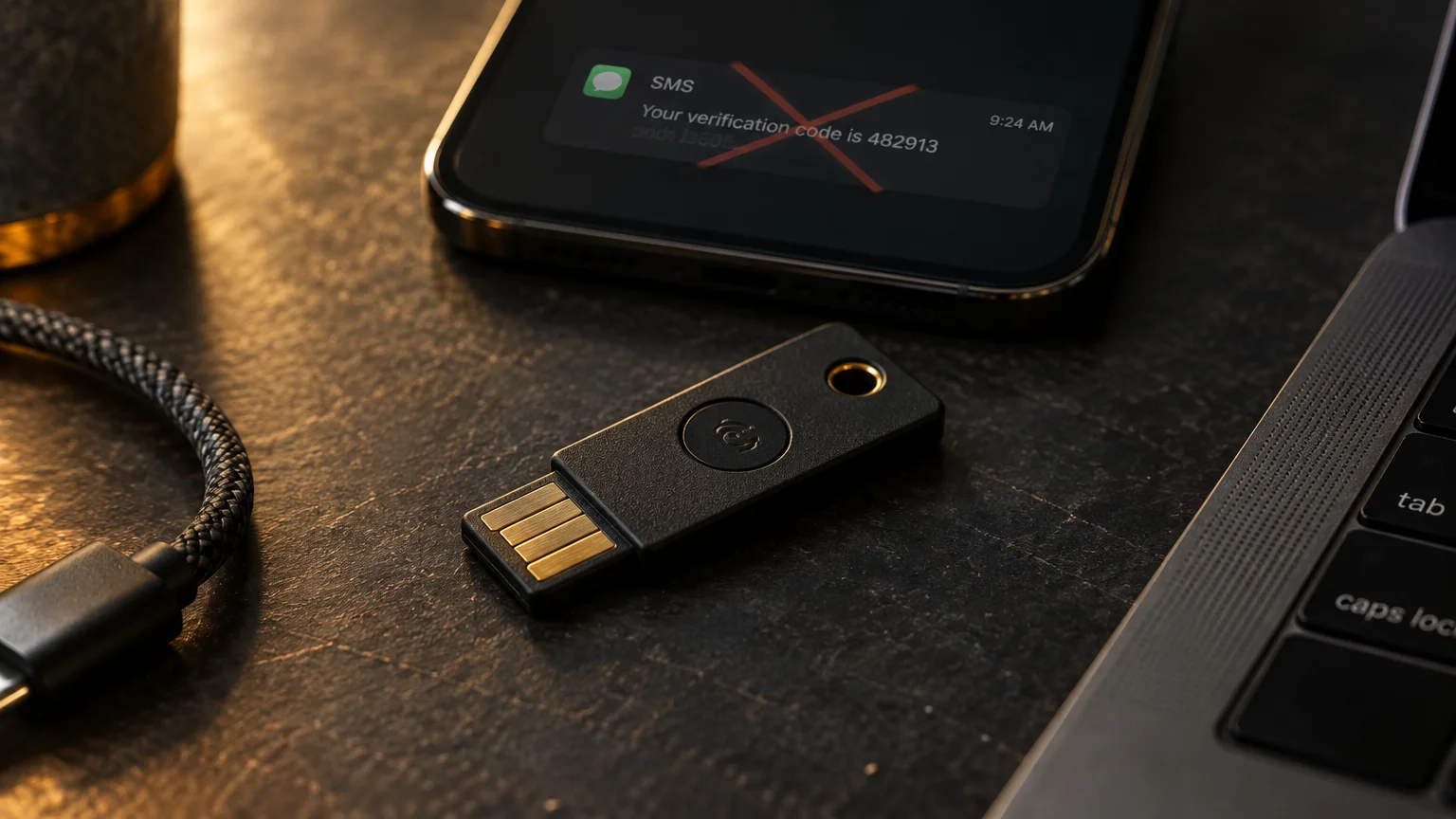
Tip #11: Upgrade from SMS Verification to Physical Hardware Keys
Standard text-message two-factor authentication no longer provides reliable defense against determined identity thieves. Phishing kits and adversary-in-the-middle software intercept SMS codes with alarming efficiency.
When an attacker tricks you into visiting a spoofed banking landing page, automated reverse proxies steal your login credentials and one-time codes simultaneously. They hijack your authenticated session cookie and drain pending deposits within seconds.
Eliminate cellular text verification across all financial platforms that support modern authentication standards. Replace SMS prompts with dedicated authenticator applications or physical FIDO2 hardware tokens.
Hardware security keys plug directly into your computer port or connect via near-field communication to your smartphone. They utilize cryptographic handshakes that work exclusively on genuine banking domains.
Even if you mistakenly enter credentials on a fraudulent phishing site, a hardware key refuses to transmit authentication data. The cryptographic signature fails on fake domains, neutralizing the attack completely.
Check your financial institution’s security settings to activate passkeys or hardware authentication tokens today. Transitioning away from SMS codes closes one of the widest security gaps in consumer banking.
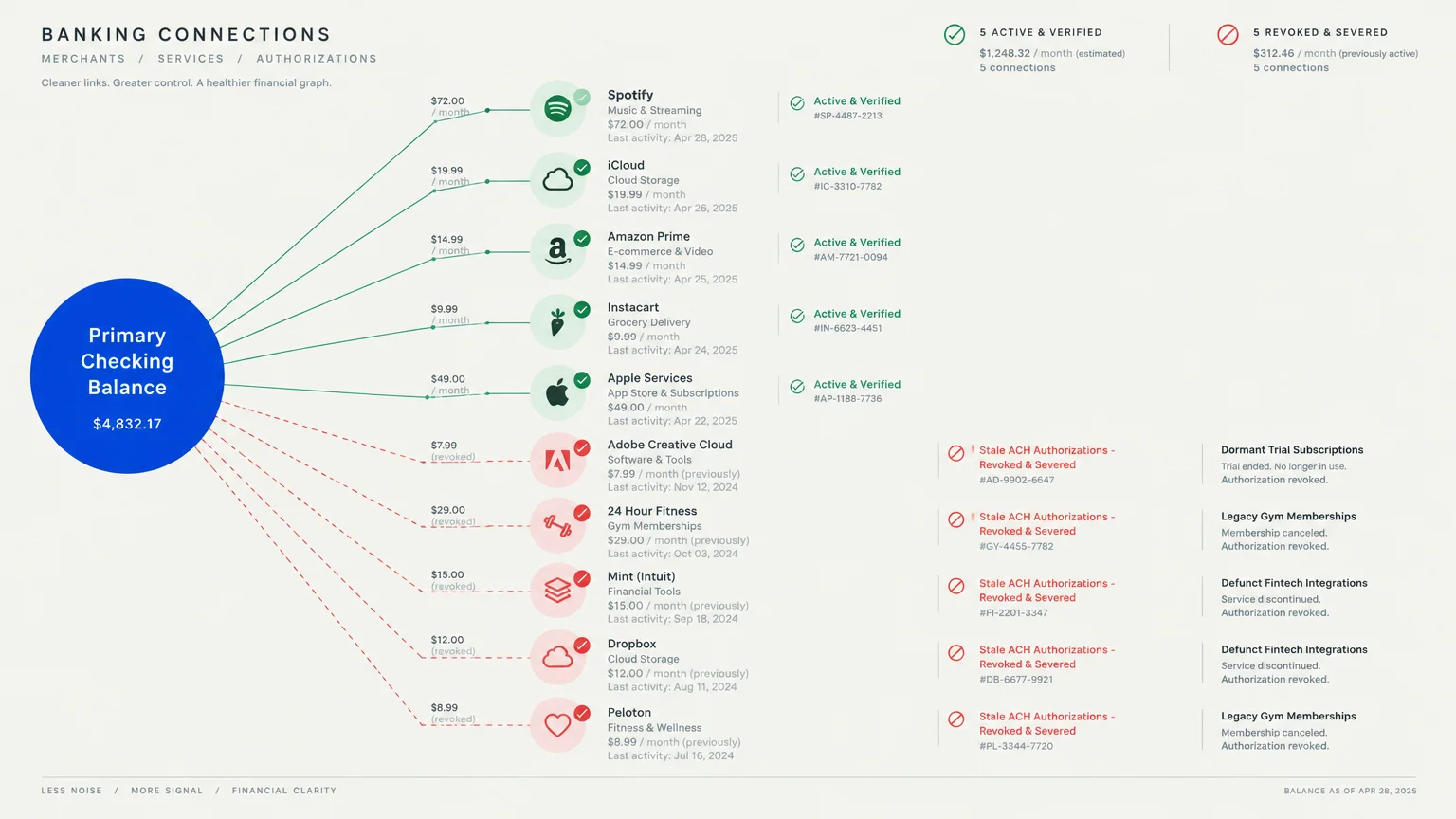
Tip #12: Audit Recurring ACH Authorizations and Sever Stale Links
Every time you authorize a recurring automated clearinghouse debit, you surrender unilateral withdrawal power to an outside company. Over time, consumers accumulate dozens of forgotten payment authorizations.
Defunct gym memberships, retired subscription services, and old financial applications maintain lingering access to your account. These stale clearinghouse connections represent unmonitored backdoors through which rogue billers can draft unearned capital.
Under federal banking rules, an automated clearinghouse authorization remains legally valid until you formally revoke consent with the originator. Unscrupulous merchants exploit this ambiguity by resuming dormant billing cycles without warning.
Conduct a rigorous quarterly audit of every recurring debit tied to your account. Identify any recurring merchant debit that no longer serves your household needs.
Revoke authorization in writing directly with the merchant, saving a date-stamped copy of the correspondence for your personal records. Contact your bank to place a formal stop-payment order on that specific automated clearinghouse company identifier.
Consider requesting a fresh account number if your current checking account has been active for over a decade. Starting clean strips away legacy clearinghouse linkages and restores pristine control over your incoming funds.

The Bottom Line: What This Means for Your Wallet
Guarding your deposits against modern financial syndicates requires an active, suspicious mindset. Relying on passive institutional assurances leaves your liquid capital vulnerable to catastrophic automated clearinghouse drain.
Treat your incoming cash as a high-value asset that demands military-grade security protocols. Implement dual-account firewalls, establish hardware authentication, and eliminate paper checks from your daily budget.
Mastering federal deadlines under Regulation E ensures you never shoulder financial liability for rogue transactions. The effort you invest today preserves the financial independence you have spent a lifetime building.
Frequently Asked Questions
Does my bank automatically reimburse money stolen from my checking account?
Reimbursement depends strictly on the nature of the transaction and how quickly you report the loss. Federal Regulation E limits your liability for unauthorized electronic withdrawals, capping losses at $50 if reported within two business days.
However, if an imposter tricks you into sending funds voluntarily through wire transfers or peer-to-peer applications, banks rarely issue refunds. You must detect the compromise early and establish that the transfer occurred without your authorization.
Can someone steal money using only my routing and account number?
Yes, an individual with your account and routing numbers can initiate unauthorized automated clearinghouse debits or print counterfeit checks. These credentials represent the routing instructions required to pull funds directly from your balance.
Keep these numbers strictly confidential. Never provide account details on unverified forms, unsecured websites, or over unsecured phone connections.
What should I do immediately if an incoming direct deposit fails to arrive?
Contact your payroll department or the paying federal agency immediately to verify the payment release date and outbound account numbers. Determine whether someone submitted an unauthorized routing modification to your profile.
If payroll details show an unfamiliar account number, notify your bank’s fraud unit without delay to freeze linked systems. File a formal complaint through official federal consumer reporting channels to establish an evidentiary paper trail.
For consumer protection information, visit the Federal Trade Commission (FTC) and the Consumer Financial Protection Bureau (CFPB). For product safety and reviews, consult Consumer Reports.
Disclaimer: This article is for informational purposes only and does not constitute financial advice. The content reflects the author’s opinion and research at the time of writing.
Always do your own research before making financial decisions.