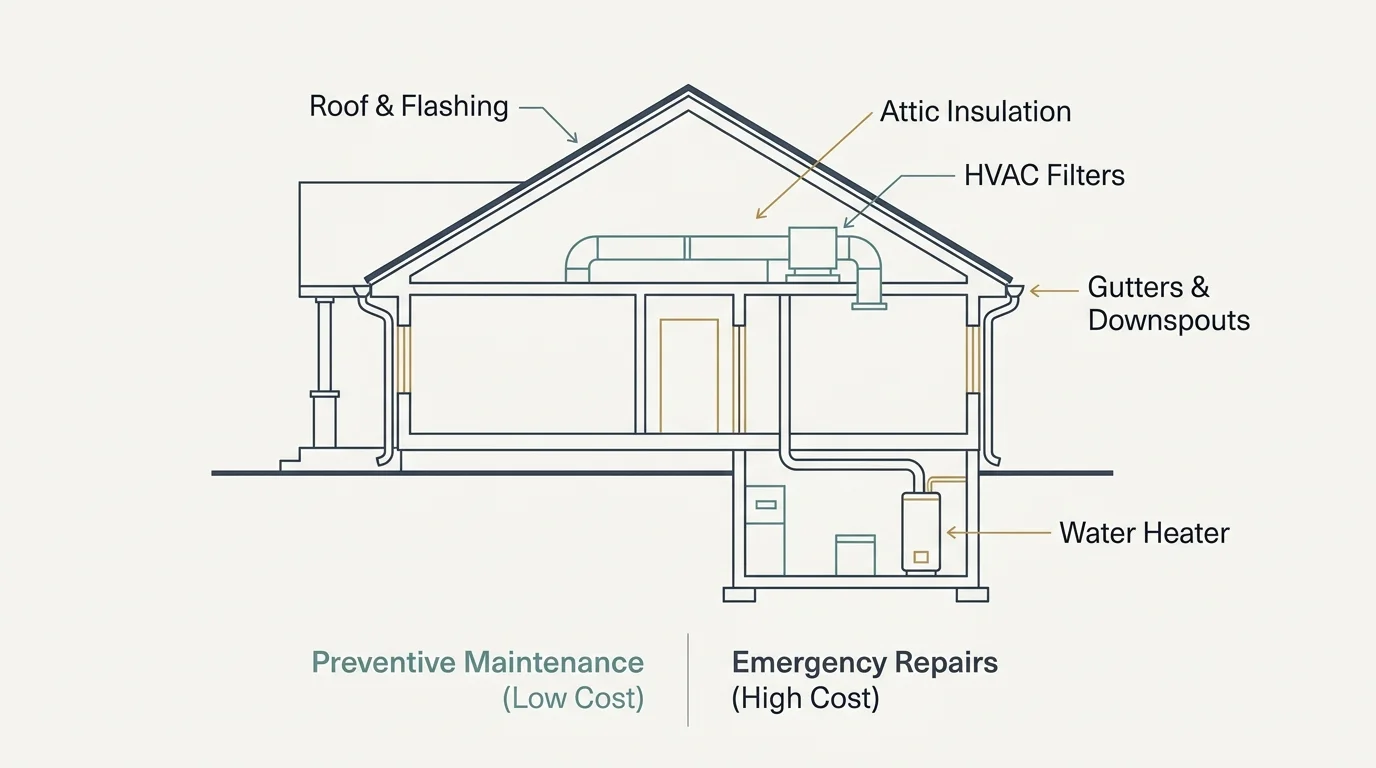
Ignoring routine home upkeep is the fastest way to hemorrhage cash, as minor home issues silently evolve into catastrophic five-figure repair bills.
Most homeowners treat maintenance as an optional weekend chore rather than an aggressive wealth-preservation strategy; however, taking control of home upkeep to avoid costly repairs yields an unbelievable home maintenance ROI.
By spending a few hundred dollars on targeted preventive home maintenance tasks today, you shield your savings account from predictable disasters that insurance companies systematically refuse to cover. Here are eight high-yield strategies every practical homeowner needs to execute immediately.
Tip #1: Service Your HVAC System and Swap Filters Relentlessly
Your heating, ventilation, and air conditioning system represents one of the most expensive mechanical assets inside your home. Yet, millions of homeowners allow their HVAC units to choke on dust, pet dander, and household debris until the entire system suffers a catastrophic mechanical meltdown.
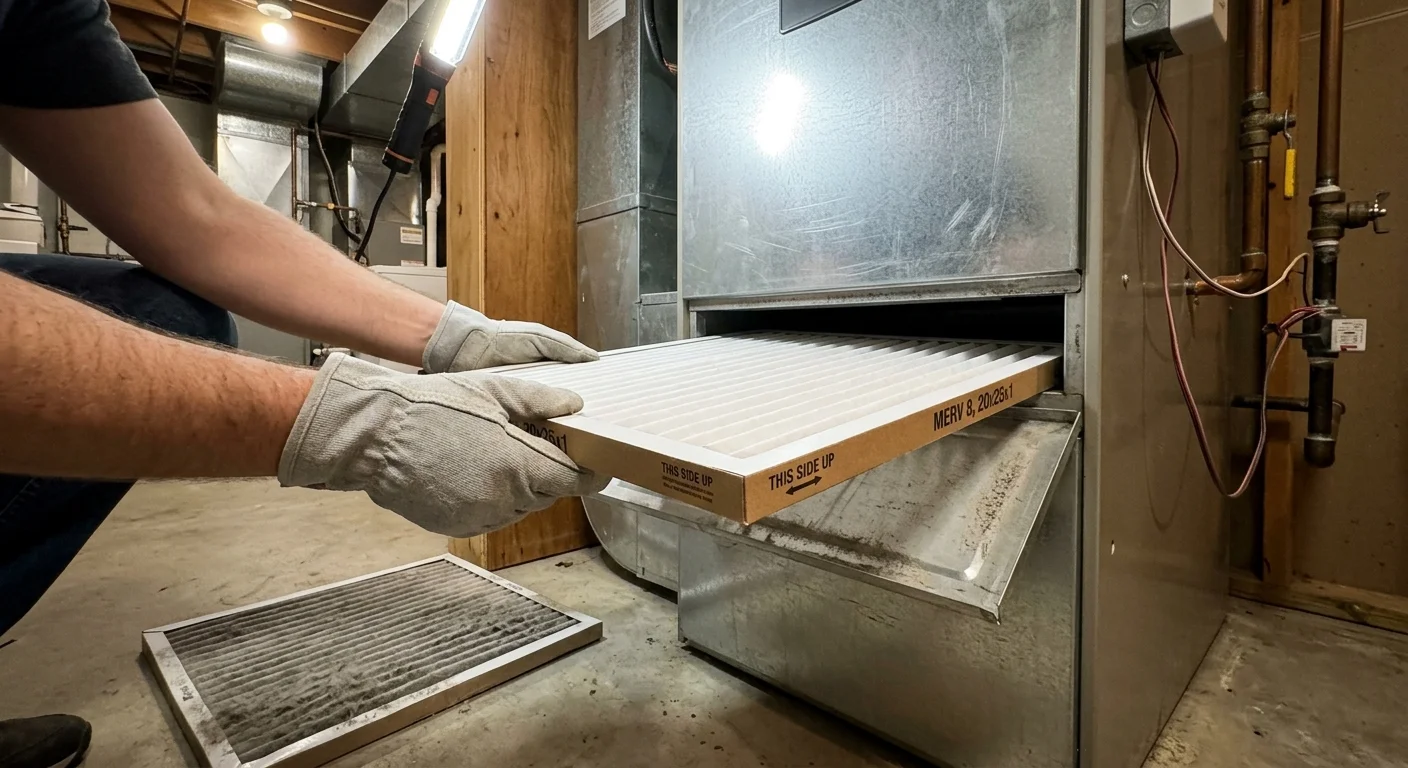
A clogged, filthy filter forces your blower motor to work significantly harder to pull air through the return ducts, driving up stress on internal electrical components while dramatically raising energy consumption.
According to data from the U.S. Department of Energy (DOE), simply replacing a dirty, clogged air filter with a fresh, clean one lowers your system’s overall energy consumption by 5% to 15%.
That single habit drops your monthly electric bill while extending the operational lifespan of your equipment.
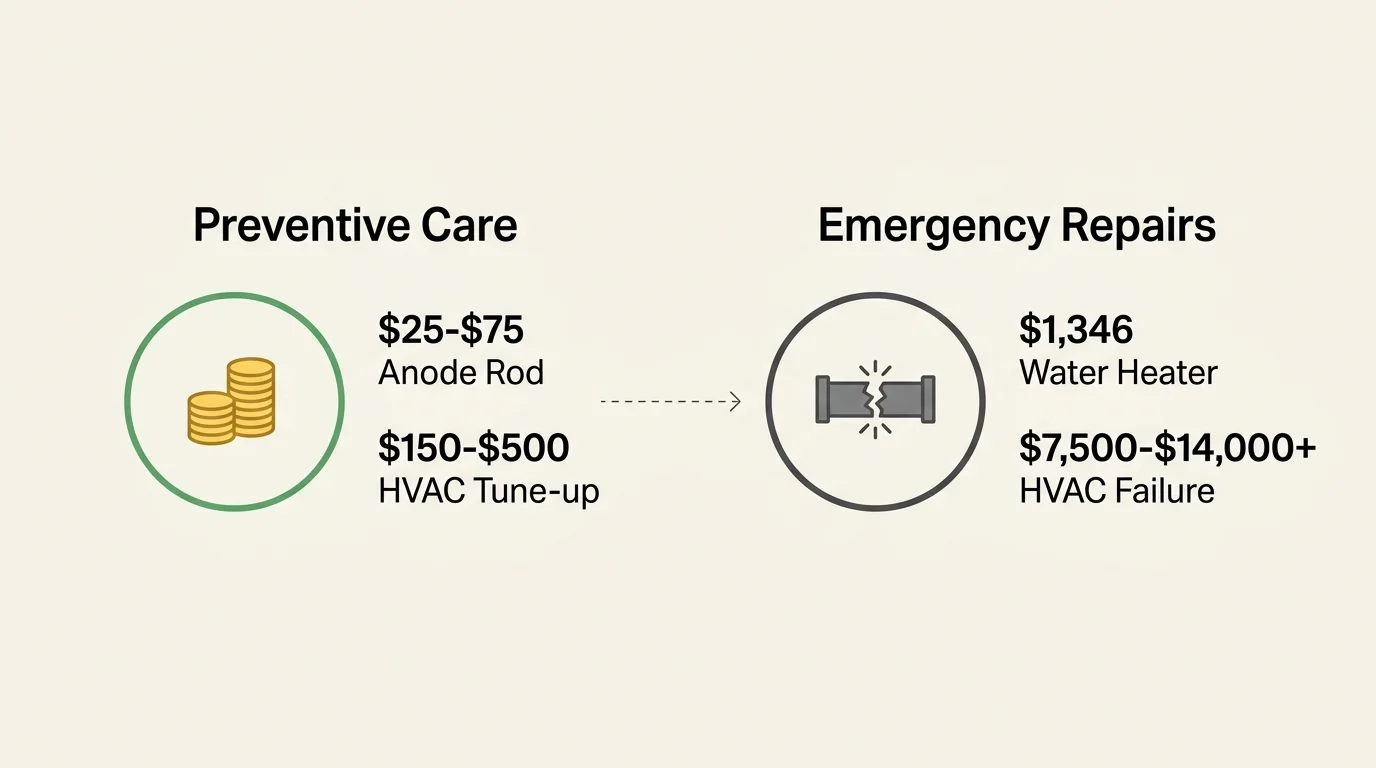
Beyond DIY filter swaps, scheduling a professional HVAC tune-up every spring and autumn is maintenance that saves money long term. An annual professional tune-up costs between $150 and $500, during which a technician cleans the evaporator coils, checks refrigerant levels, calibrates the thermostat, and inspects electrical connections.
Contrast that modest fee with the reality of an emergency system failure. Replacing a burnt-out central HVAC system averages between $7,500 and $14,000+, and can easily top $20,000 for larger homes or complex ductwork upgrades.
To maximize your savings, buy high-efficiency MERV 8 filters in bulk online to avoid retail store markups, change them every 30 to 90 days, and clear grass clippings, leaves, and brush at least two feet away from your outdoor condenser unit.
Tip #2: Flush Your Water Heater and Replace the Sacrificial Anode Rod
Water heaters work quietly behind closed doors until they fail unexpectedly, dumping dozens of gallons of water into your basement or utility room.
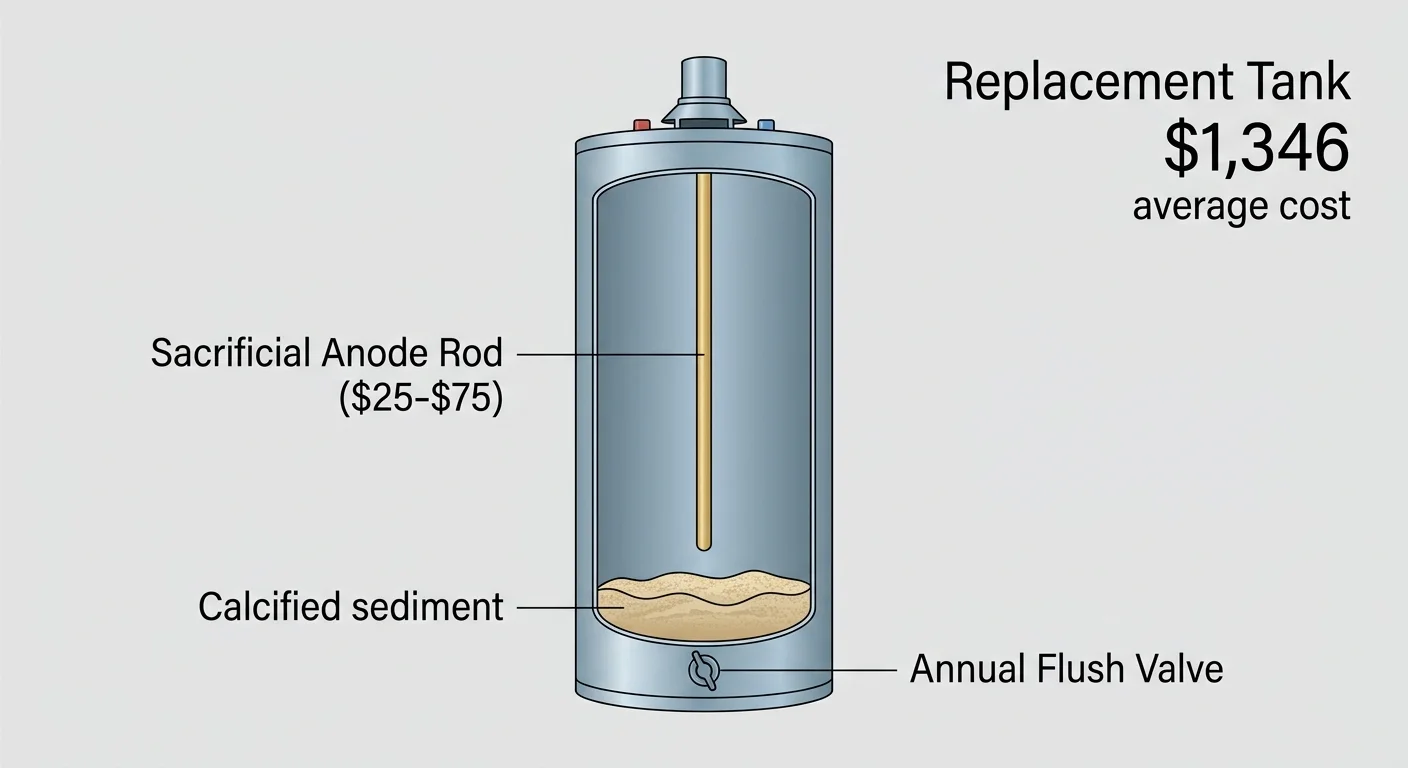
Municipal water supplies contain dissolved minerals that sink to the bottom of your water heater tank, forming a hard layer of calcified sediment over time.
This sediment layer acts as a barrier between the heating burner and the water, forcing your unit to run far longer than necessary and causing the bottom of the tank to overheat and crack.
Replacing a failed tank water heater averages $1,346, while upgrading to a high-efficiency tankless or heat pump unit ranges between $3,200 and $4,700. You can prevent premature failure by executing two quick, low-cost maintenance procedures.
First, flush your water heater once a year. Attach a standard garden hose to the drain valve at the base of the tank, run the line to a floor drain or outdoor area, and drain out the mineral sediment.
Second, inspect and replace the sacrificial anode rod every three to five years. The anode rod is a core feature of preventive home maintenance tasks; it attracts corrosive elements in the water so that the steel tank itself does not rust.
Replacement anode rods cost between $25 and $75 in parts and require basic socket wrenches to swap out. Spending less than $100 on an anode rod buys you another five to ten years of system lifespan, securing an exceptional return on investment.
Tip #3: Clear Gutters and Direct Water Discharge Away From Your Foundation
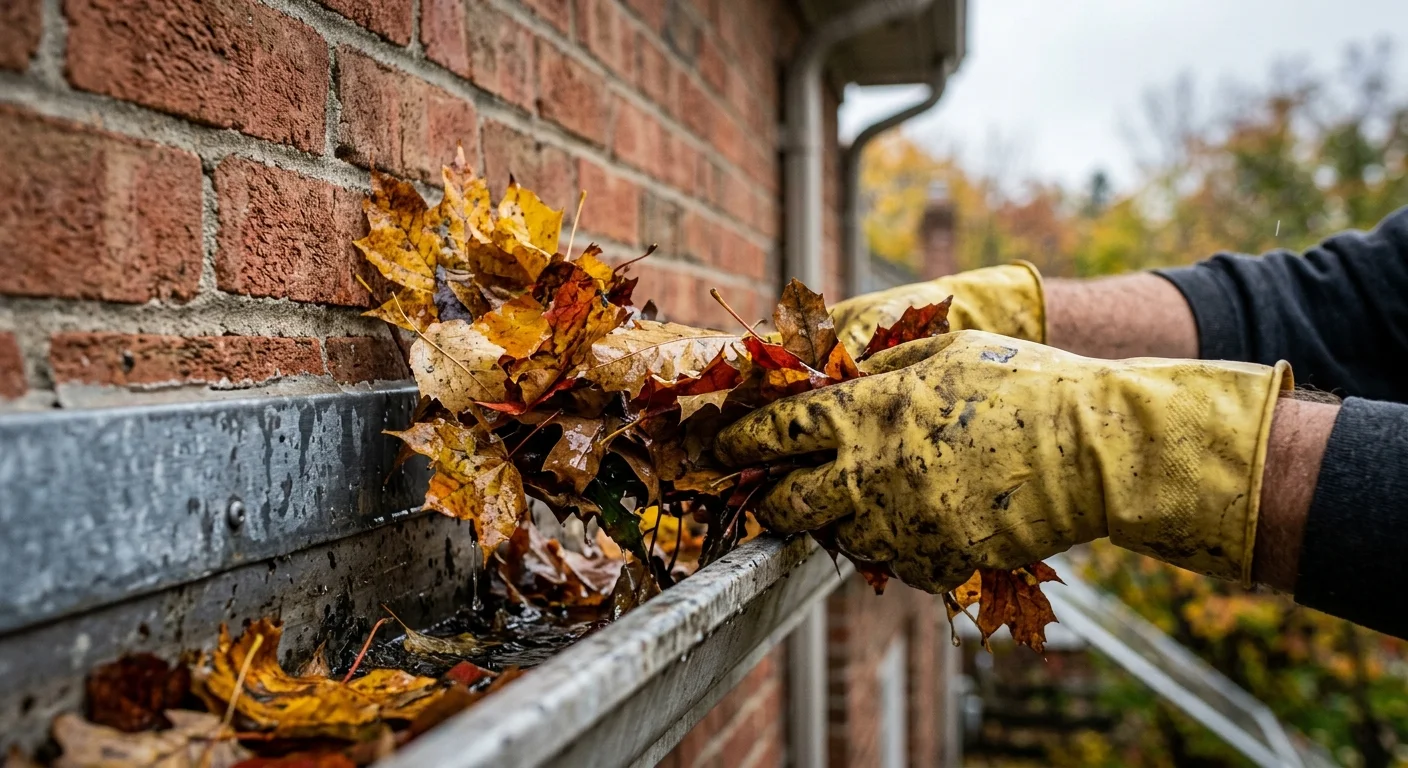
Unmanaged water is the ultimate enemy of residential real estate. When dead leaves, twigs, and roof grit clog your gutter troughs, rainwater has nowhere to go except over the front edges.
This water drops directly against your home’s foundation, creating immense hydrostatic pressure against concrete basement walls. Over time, saturated soil causes foundation cracking, structural shifting, severe basement flooding, and toxic mold growth inside wall cavities.
Professional gutter cleaning services cost between $150 and $300 per visit, or zero dollars if you clear the troughs yourself using a sturdy ladder and safety gloves twice a year.
In stark contrast, dealing with foundation water damage represents a financial nightmare. Professional flood restoration and structural foundation stabilization routinely cost between $4,000 and $15,000+.
To protect your structural integrity, ensure your gutters maintain a steady downward slope toward downspouts. Furthermore, install flexible downspout extensions—which cost only $10 to $15 each at local home improvement centers—to direct discharged water at least four to six feet away from your foundation wall.
This simple home upkeep to avoid costly repairs is one of the highest ROI actions any homeowner can take.
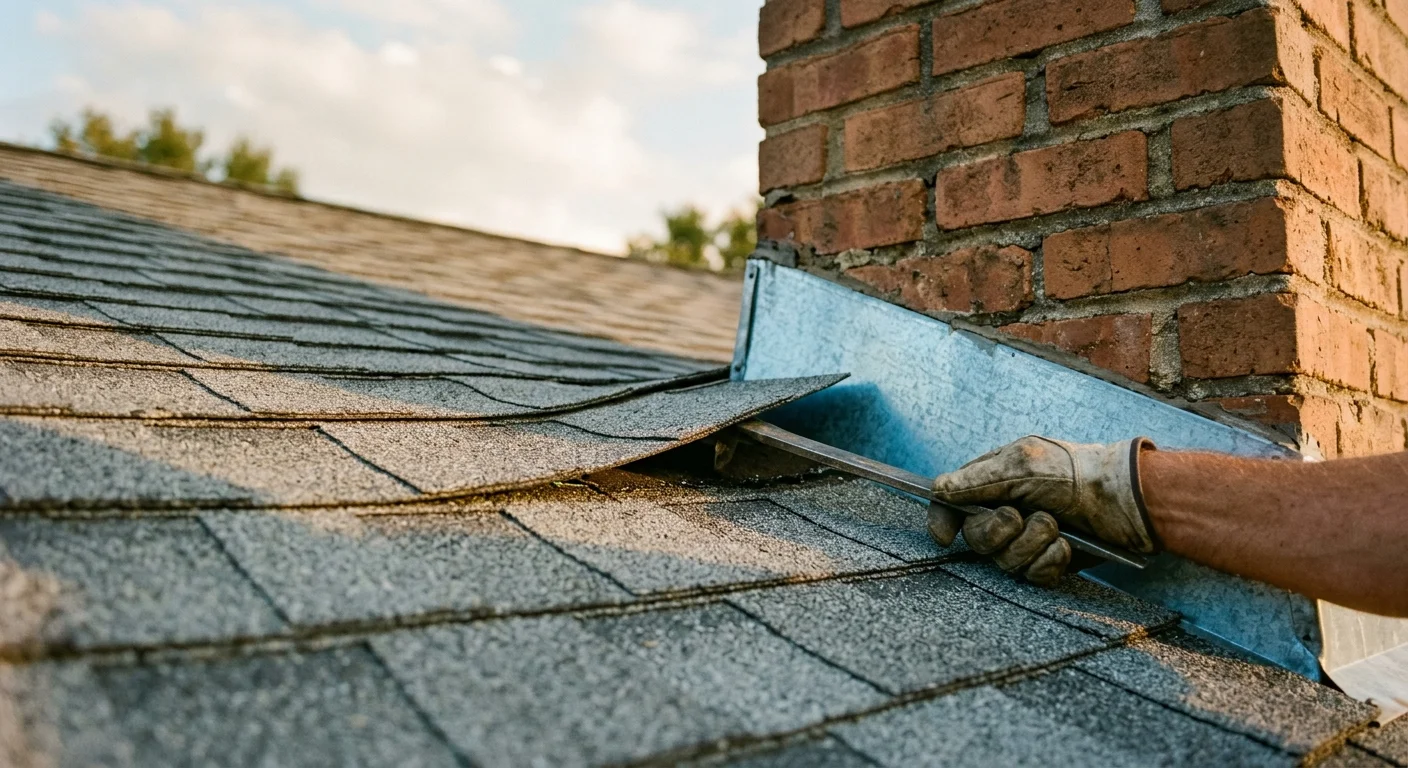
Tip #4: Inspect Roof Flashing and Replace Damaged Shingles Early
Most homeowners never examine their roof until ceiling plaster collapses or water leaks through electrical light fixtures. By the time water becomes visible inside your living space, structural timber and attic insulation have already suffered serious rot and saturation.
Roof leaks rarely begin with massive shingle failures; instead, they originate around deteriorated rubber pipe boots, loose metal flashing around chimneys, or cracked sealant near skylights. Performing minor roof maintenance, replacing missing shingle tabs, and resealing flashing averages between $300 and $1,000 when handled early.
If you ignore minor roof defects, water intrusion will rot the underlying plywood sheathing, creating massive interior destruction. A complete roof replacement averages $9,000 to $24,000, with national averages settling near $14,000 for standard architectural asphalt shingles on a 2,000-square-foot house.
Add a regular roof inspection to your preventive maintenance checklist homeowners routine. You can perform a safe inspection twice a year using a high-powered pair of binoculars from your front yard.
Look for lifted shingles, missing granule patches, or cracked rubber boots around vent stacks. Swapping out a $15 cracked rubber boot seal today prevents a $10,000 tear-out down the road.
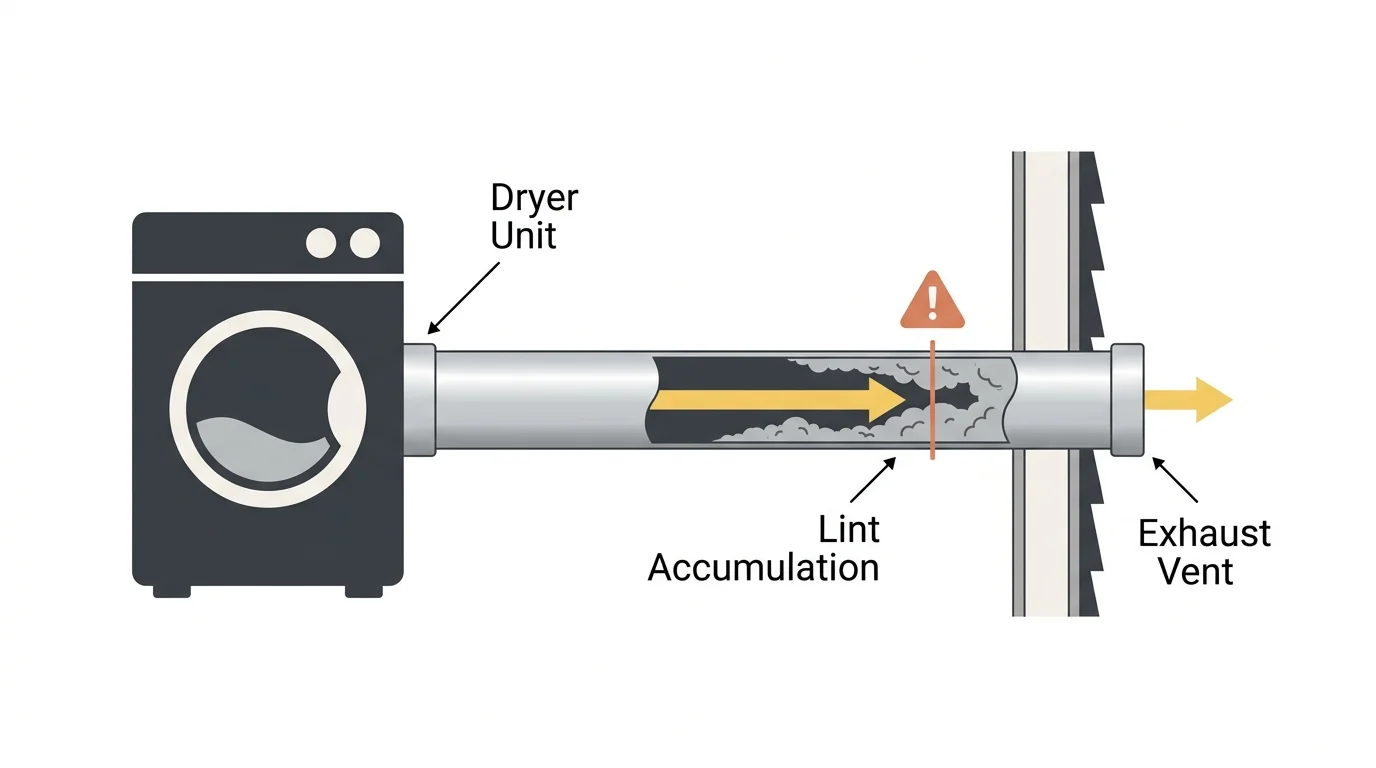
Tip #5: Clean Dryer Vent Ductwork Annually to Prevent Fire and Failure
Your clothes dryer’s lint trap captures only a fraction of the loose fibers produced during a drying cycle. Over months of regular laundry, fine lint slips past the lint screen and coats the interior walls of your exhaust ducting.
As lint builds up, it severely chokes airflow, causing the dryer’s heating element to run at dangerous temperatures.
Data from the National Fire Protection Association (NFPA) reveals that clothes dryers cause approximately 15,000 home structure fires every year, resulting in over $200 million in direct property damage.
Shockingly, between 32% and 34% of these residential fires are caused directly by a failure to clean lint from dryer vents.
Hiring a professional to clean your dryer ductwork costs between $100 and $200, or you can purchase a $20 drill-powered flexible vent cleaning kit and do the job yourself in less than an hour.
Beyond preventing a disastrous home fire, keeping your exhaust line clear offers immediate financial payback. When vents are choked with lint, your dryer takes two or three cycles to dry a single load of clothes, wasting electricity and burning out internal thermal fuses.
A clean vent optimizes airflow, slashes utility consumption, and keeps your laundry appliances running smoothly for years.
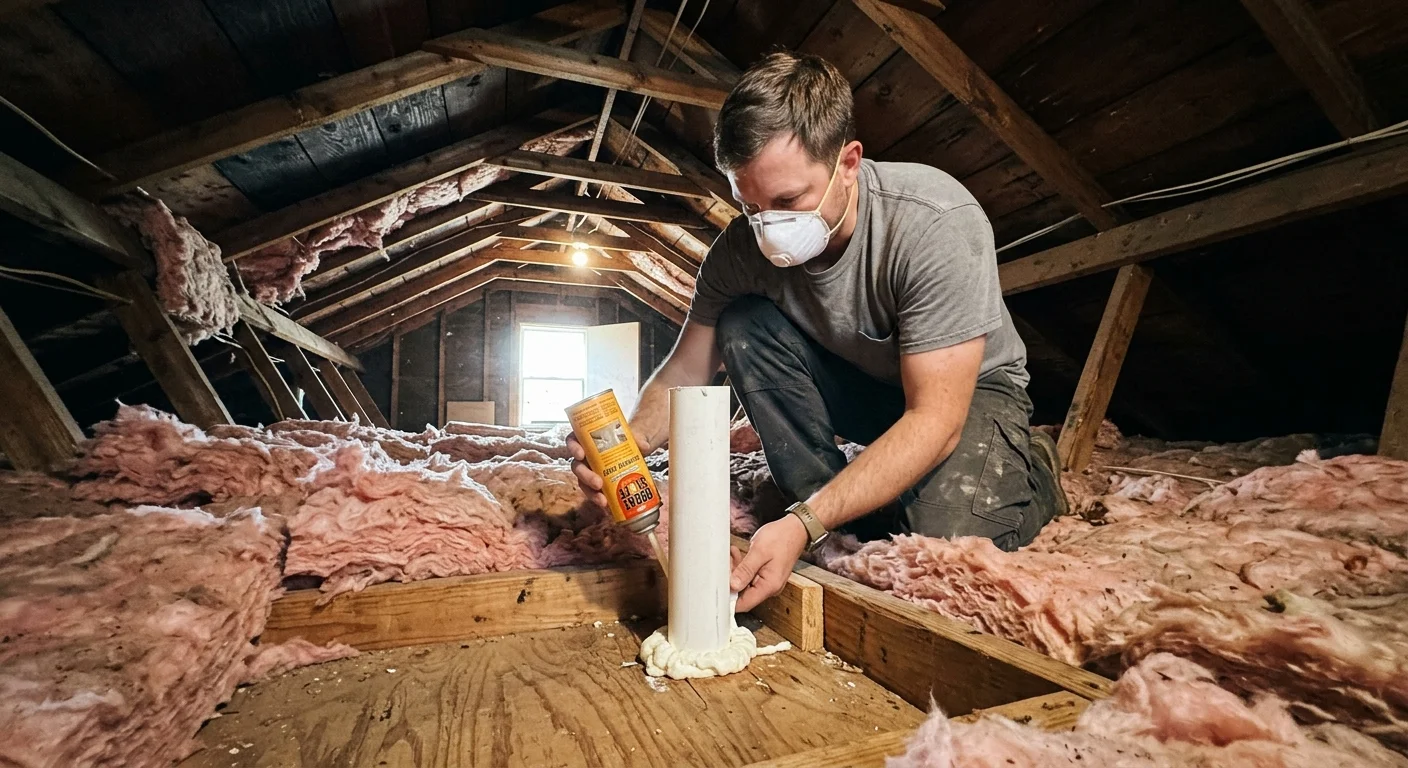
Tip #6: Air Seal and Insulate Your Attic Space
Conditioned air escaping into an unconditioned attic space represents an ongoing drain on your household budget. Unsealed openings around ceiling light fixtures, plumbing stacks, attic access doors, and electrical junction boxes allow expensive warm air to escape in winter and heat to invade in summer.
According to figures from the U.S. Department of Energy (DOE), homeowners save an average of 15% on heating and cooling costs—which equals roughly 11% on total energy bills—by air sealing their homes and adding proper attic and crawlspace insulation.
Air sealing and insulating your attic also protects your roof structure from ice dams in freezing climates. Ice dams form when escaping interior heat melts snow on your roof deck, which then flows down and refreezes at the cold roof eaves.
The resulting ice wall backs up meltwater under your shingles, rotting roof decking and destroying interior walls.
Investing in expanding spray foam, weatherstripping, and blown-in cellulose or fiberglass insulation delivers fantastic home maintenance ROI by reducing monthly energy expenditures and stopping structural water intrusion before it begins.
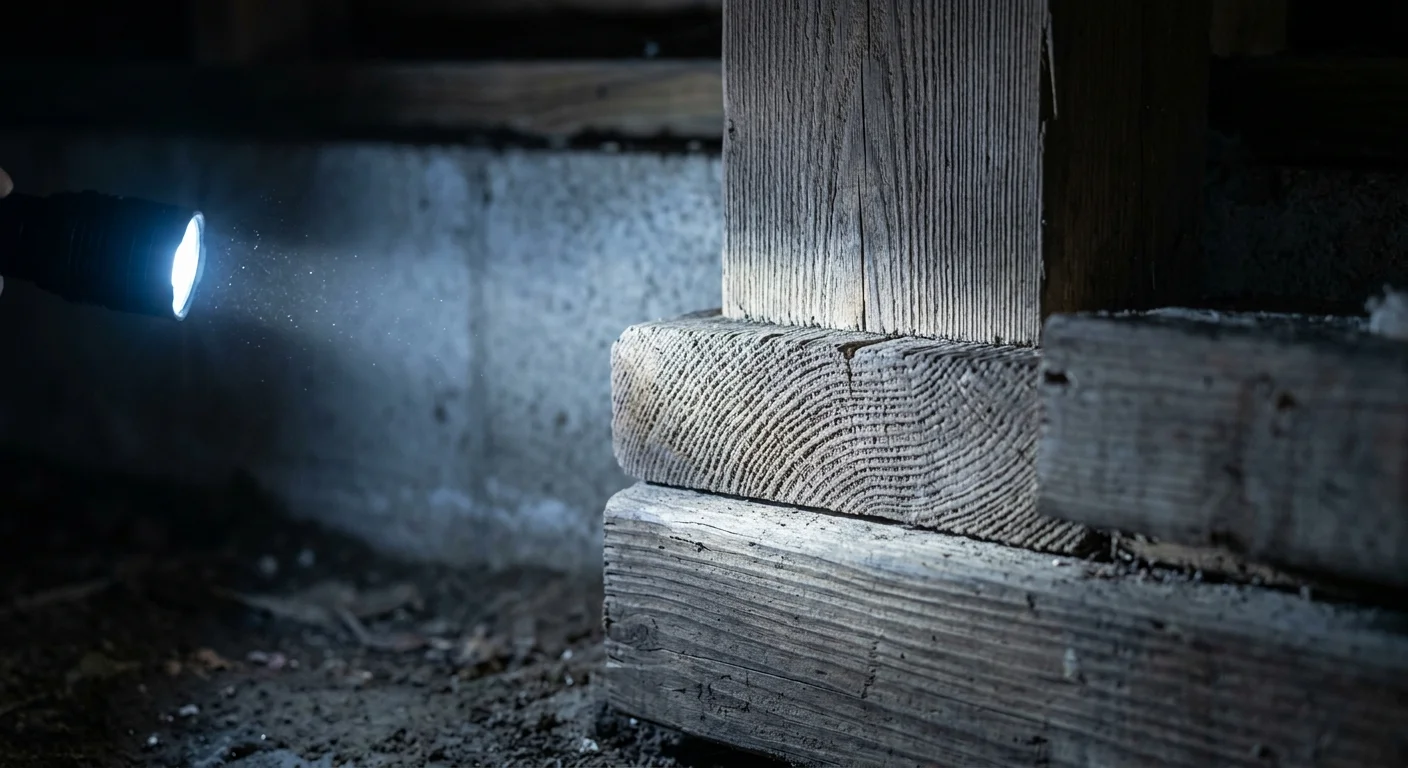
Tip #7: Schedule Annual Termite and Wood-Destroying Insect Inspections
Termites and wood-boring beetles are silent destruction engines that feed on the structural framing of your home. They can hollow out floor joists, wall studs, and support beams without showing any exterior warning signs until major structural damage occurs.
The National Pest Management Association (NPMA) estimates that termite damage costs U.S. homeowners over $5 billion every single year. Here is the contrarian truth that catches most homeowners completely off guard: standard homeowners insurance policies exclude termite damage entirely.
Insurers treat insect infestations as a preventable maintenance issue, leaving you entirely responsible for out-of-pocket structural repair costs that average between $3,000 and $10,000+.
An annual professional termite inspection costs between $100 and $300, and many reputable pest control companies provide free preliminary evaluations. Professional inspectors detect early subterranean mud tubes, swarmers, and moisture pockets long before structural safety is compromised.
You can also lower your risk by eliminating direct wood-to-soil contact around your home’s exterior, keeping stacked firewood at least twenty feet away from the foundation, and maintaining a twelve-inch clear barrier between mulch beds and wooden siding.
Tip #8: Recaulk Exterior Openings and Maintain Siding Sealants
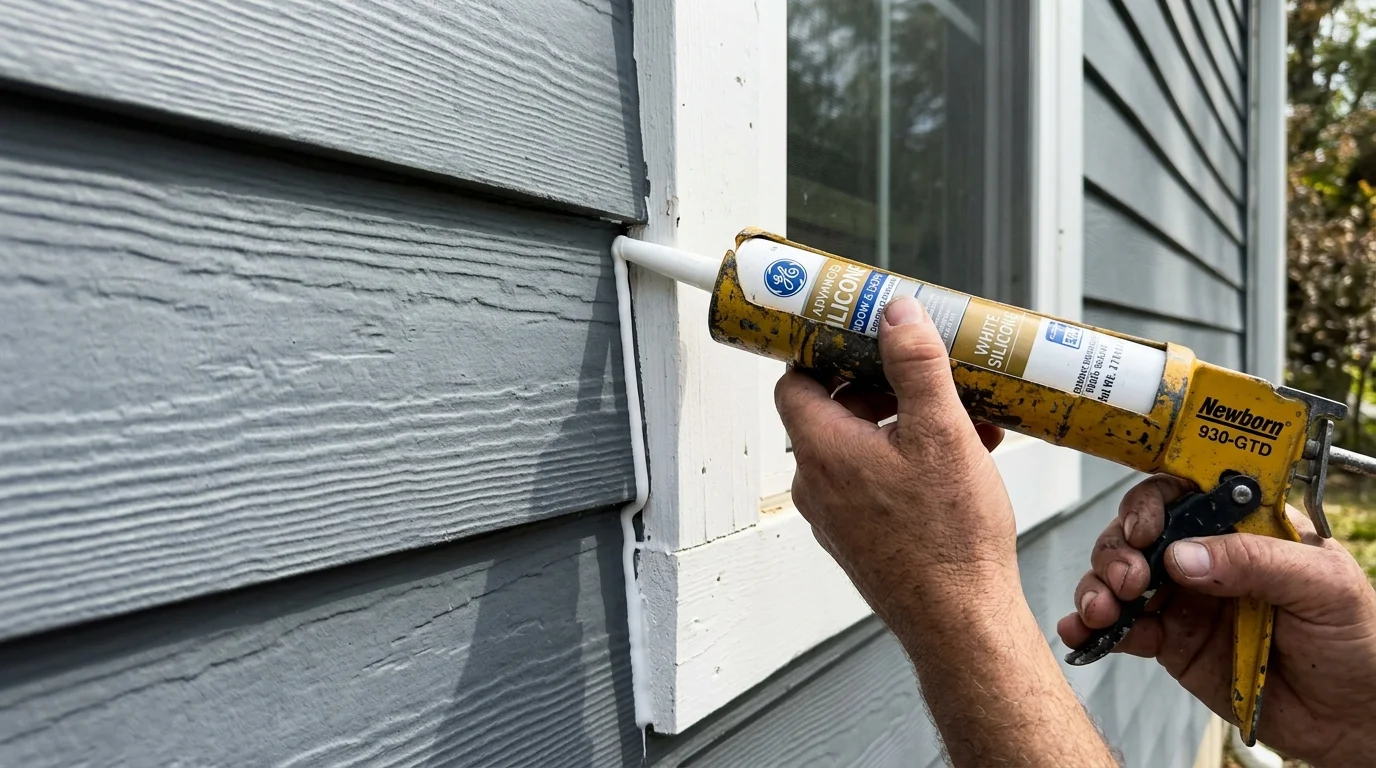
The protective shell of your home depends heavily on small, inexpensive beads of exterior caulk. Over time, exposure to ultraviolet rays, freezing temperatures, and natural building settling breaks down caulk around window frames, door casings, exterior light fixtures, and siding expansion joints.
When rain hits these unsealed cracks, water penetrates behind the exterior wall cladding, causing hidden wood rot, destroying wall insulation, and creating prime breeding conditions for mold and subterranean pests.
A commercial-grade tube of exterior polyurethane or elastomeric sealant costs between $5 and $10. Conversely, repairing rotted wall sheathing, replacing exterior framing studs, and rebuilding damaged drywall costs between $2,000 and $8,000 or more.
Walk around your house every spring and autumn equipped with a caulk gun and scraper. Scrape away old, cracked sealant and apply fresh, waterproof caulk around all exterior wall penetrations.
This minor investment of time and money yields tremendous long-term protection for your home’s structural shell.
The Bottom Line: What This Means for Your Wallet
Homeownership is one of the most effective tools for building long-term wealth, but only if you actively protect your equity from unnecessary erosion.
Treating maintenance as an afterthought forces you into reactive crisis management, where you pay peak emergency pricing to contractors while risking catastrophic water or fire damage.
Executing targeted preventive home maintenance tasks shifts you from defense to offense, allowing you to control costs and dictate your home’s financial trajectory.
When you tally the math, performing simple tasks like flushing water heaters, cleaning dryer vents, sealing attic air leaks, and inspecting roof flashing costs a few hundred dollars per year.
In exchange, you bypass tens of thousands of dollars in emergency replacements, structural repairs, and inflated utility bills. That net savings stays directly in your investment portfolio or high-yield savings account, delivering unmatched home maintenance ROI.
Make preventive upkeep a non-negotiable part of your annual budget, and watch your long-term wealth compound without unexpected home repair interruptions.
Frequently Asked Questions
How do I know which preventive maintenance tasks to prioritize on a tight budget?
Always prioritize tasks that prevent immediate water intrusion or fire hazards first. Cleaning dryer vents, clearing gutters, checking roof flashing, and swapping dirty HVAC filters cost very little money but protect your home against multi-thousand-dollar disasters.
Once core safety and water protection tasks are secured, focus on efficiency upgrades like attic air sealing and water heater flushing.
Can DIY home maintenance void manufacturer warranties or home insurance claims?
Doing routine cleaning, filter changes, and visual inspections will not void warranties. However, major system overhauls—such as complex electrical work, full gas furnace repairs, or structural modifications—often require licensed professionals to maintain manufacturer warranties and comply with municipal building codes.
Always consult your product manuals and keep detailed receipts and maintenance logs for all work performed.
How often should I perform a full preventive walkthrough of my home?
Schedule a thorough walkthrough twice a year, ideally in spring and autumn as seasons shift. Use a structured preventive maintenance checklist homeowners can rely on to inspect your roof, exterior caulk, foundation perimeter, HVAC filters, attic space, and water heater.
Catching small defects during these bi-annual checks prevents minor wear and tear from escalating into emergency repairs.
Are preventive maintenance investments more profitable than cosmetic home updates?
Absolutely. Cosmetic renovations like upgraded kitchen countertops or designer tile may increase listing appeal, but they rarely return 100% of their cost upon sale.
Preventive maintenance, on the other hand, yields astronomical financial returns by preventing total losses, avoiding structural water damage, and cutting 10% to 15% off annual energy bills year after year.
For consumer protection information, visit the Federal Trade Commission (FTC) and the Consumer Financial Protection Bureau (CFPB). For product safety and reviews, consult Consumer Reports.
Disclaimer: This article is for informational purposes only and does not constitute financial advice. The content reflects the author’s opinion and research at the time of writing.
Always do your own research before making financial decisions.