
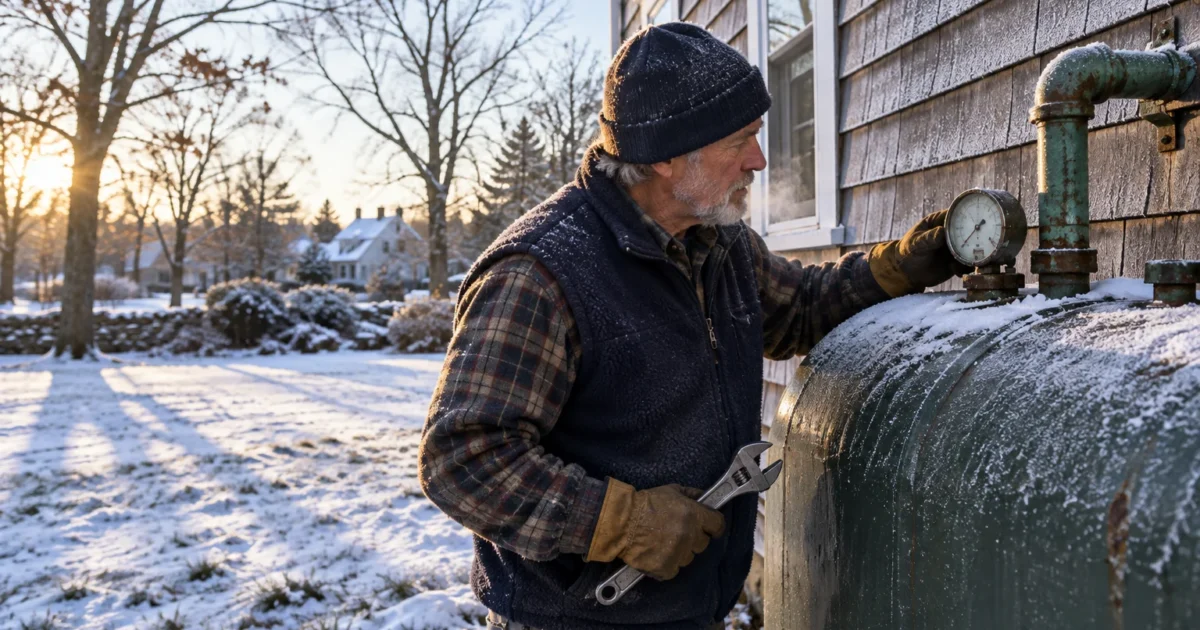
You can slash your utility bills by hundreds of dollars without freezing inside your own home. Savvy retirees are quietly using proven federal programs and simple thermal adjustments to lower heating costs winter after winter.
When you live on a fixed income, volatile heating costs can quickly derail your monthly budget. Utility natural gas, electricity, and fuel oil prices fluctuate unpredictably throughout the coldest months.
Take control of your home energy expenses right now. Here is how clever older homeowners keep extra cash in their pockets while staying thoroughly warm all season long.
Tip #1: Recalibrate Your Water Heater to 120 Degrees
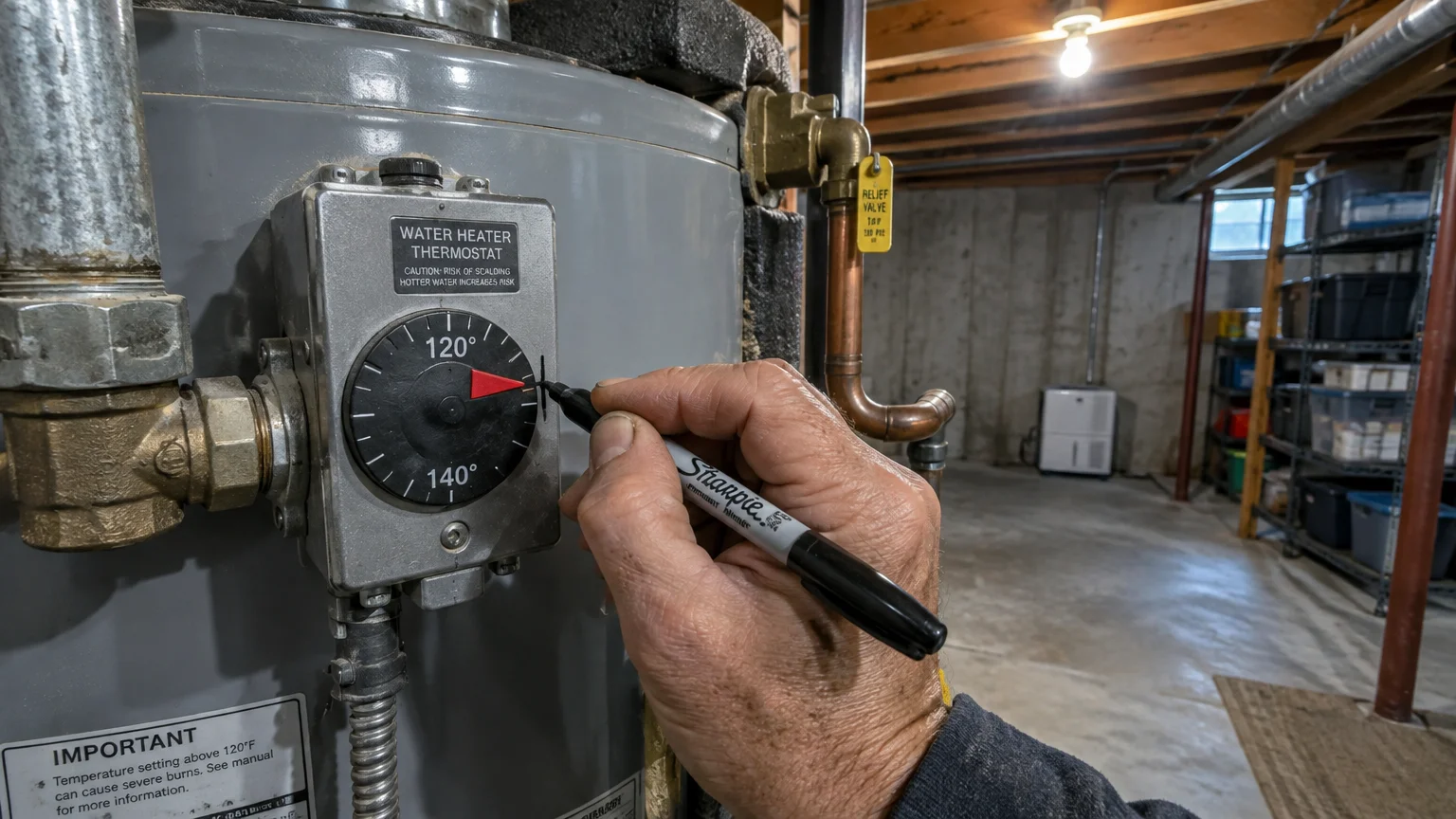
Most manufacturers ship water heaters preset to 140 degrees Fahrenheit. That baseline setting wastes money around the clock and creates a serious scalding hazard for tender skin.
Water heating consumes roughly 18% of the average home’s total energy budget. Running that unit hotter than necessary forces your system to constantly burn fuel to counter standby heat loss.
Dial your water heater down to 120 degrees Fahrenheit. The U.S. Department of Energy confirms this simple twist saves homeowners between 4% and 22% annually on water heating expenses.
That adjustment puts $36 to $60 back into your wallet every year. You will never notice a drop in shower comfort or dishwasher performance.
Use a permanent marker to record the new temperature position directly on the tank housing. You now have guaranteed baseline savings without spending a single dime on equipment.
Tip #2: Exploit LIHEAP Priority Processing for Seniors
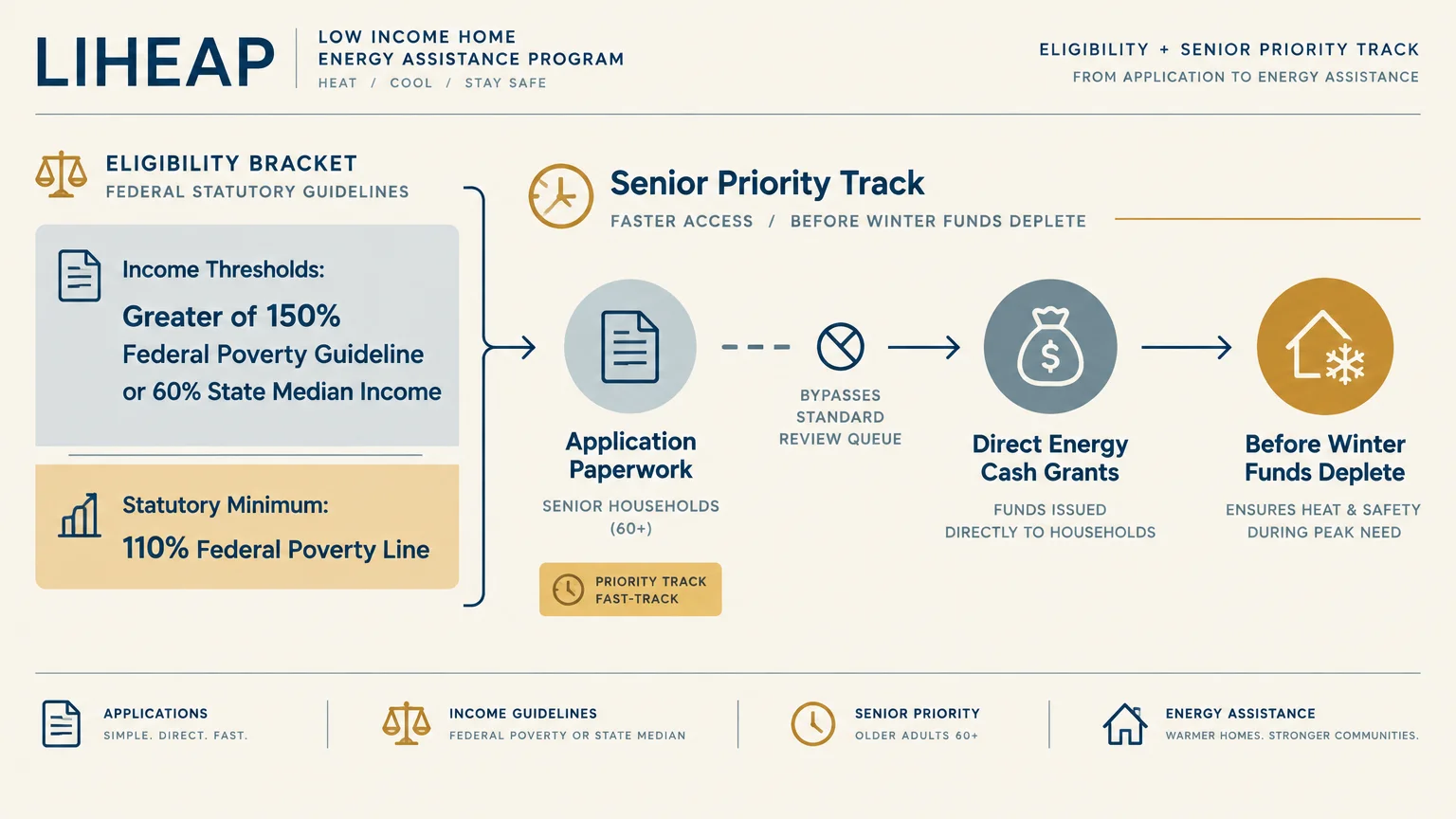
Federal utility assistance is not charity; it is an established entitlement funded by your tax dollars. The Low Income Home Energy Assistance Program, known as LIHEAP, provides direct cash grants to cover utility bills.
Federal statute sets LIHEAP income caps at the greater of 150% of the Federal Poverty Guideline or 60% of State Median Income. States cannot set eligibility below 110% of the poverty line.
Many retirees assume their homeownership or Social Security checks disqualify them. In reality, millions of seniors qualify for these vital heating assistance for seniors grants based solely on their net household income.
Most state administrators award older adults priority application processing. When you apply, your paperwork often moves to the front of the line before winter funding pools run dry.
Contact your local Community Action Agency before sub-zero temperatures arrive. A single approved application can wipe away hundreds of dollars in seasonal heating debt.
Tip #3: Deploy the 8-Hour Thermostat Setback Strategy
Leaving your heating system running at one steady temperature all day is an expensive myth. Your furnace does not work harder to reheat a cooler house than it does maintaining high heat.
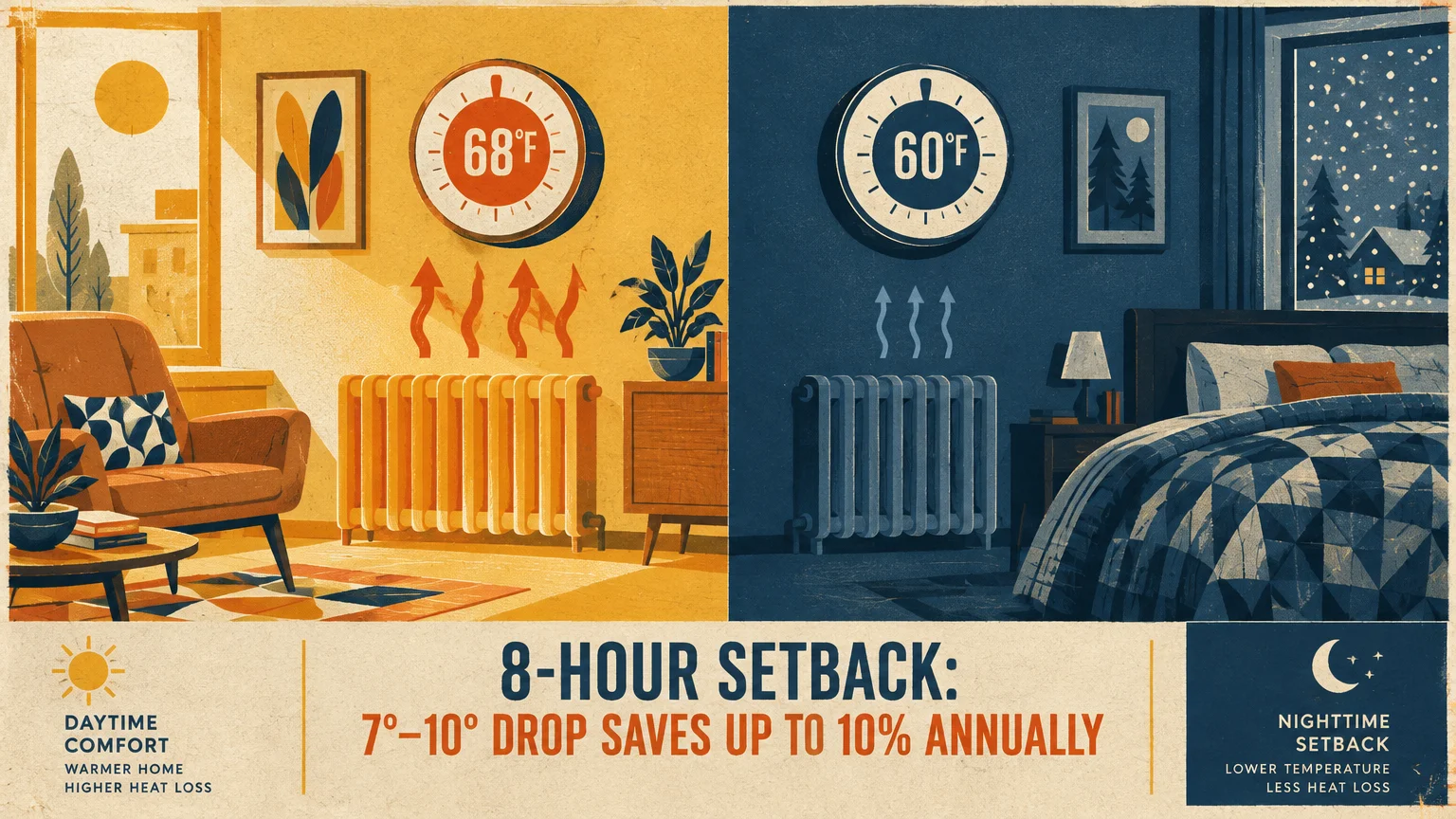
Set your thermostat to 68 degrees Fahrenheit while you are awake and active around the house. Lower it by 7 to 10 degrees while you sleep or run daytime errands.
Federal energy testing demonstrates that this 8-hour setback saves up to 10% annually on heating bills. The physics are simple: a cooler interior slows the overall rate of thermal loss through your exterior walls.
Install a basic programmable or smart thermostat to handle these temperature shifts automatically. You can wake up to a warm house without manually touching the dial in the middle of the night.
Layering a warm flannel sheet and a heavy down comforter keeps you comfortable through the night. That small habit easily saves you 1% on your heating bill for every degree lowered over an eight-hour stretch.
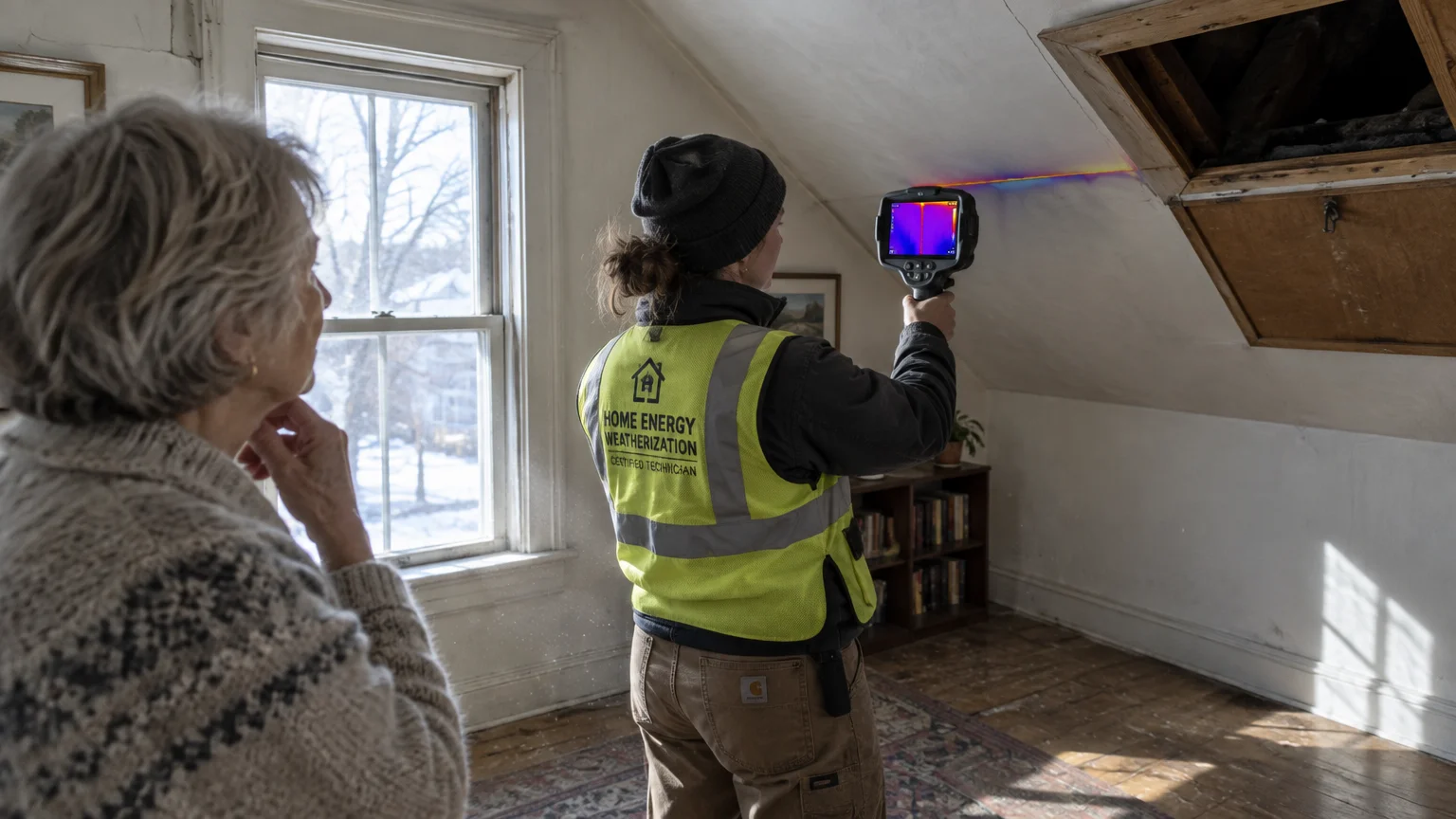
Tip #4: Tap the Free Weatherization Assistance Program
Drafty attics and degraded wall insulation drain heat straight into the freezing winter sky. Fixing those structural flaws costs thousands of dollars out of pocket, but qualifying retirees pay nothing.
The federal Weatherization Assistance Program, or WAP, delivers comprehensive home energy retrofits at zero cost to eligible households. Families receiving WAP services save an average of $372 every year on their energy bills.
Program eligibility covers households earning at or below 200% of the Federal Poverty Level or 60% of State Median Income. Priority access goes directly to older adults, individuals with disabilities, and families with children.
State-certified technicians conduct extensive diagnostic blower door tests on your home. They find hidden thermal bypasses, seal severe air leaks, blow dense insulation into attics, and inspect heating systems.
If your furnace is dangerous or completely inefficient, the program can even repair or replace the unit entirely. Reach out to your regional housing authority to start your application process.
Tip #5: Flatten Invoices with Utility Budget Billing
Spiking winter bills create intense financial stress when you manage cash flow on fixed Social Security distributions. A sudden cold snap can double your gas or electric bill overnight.
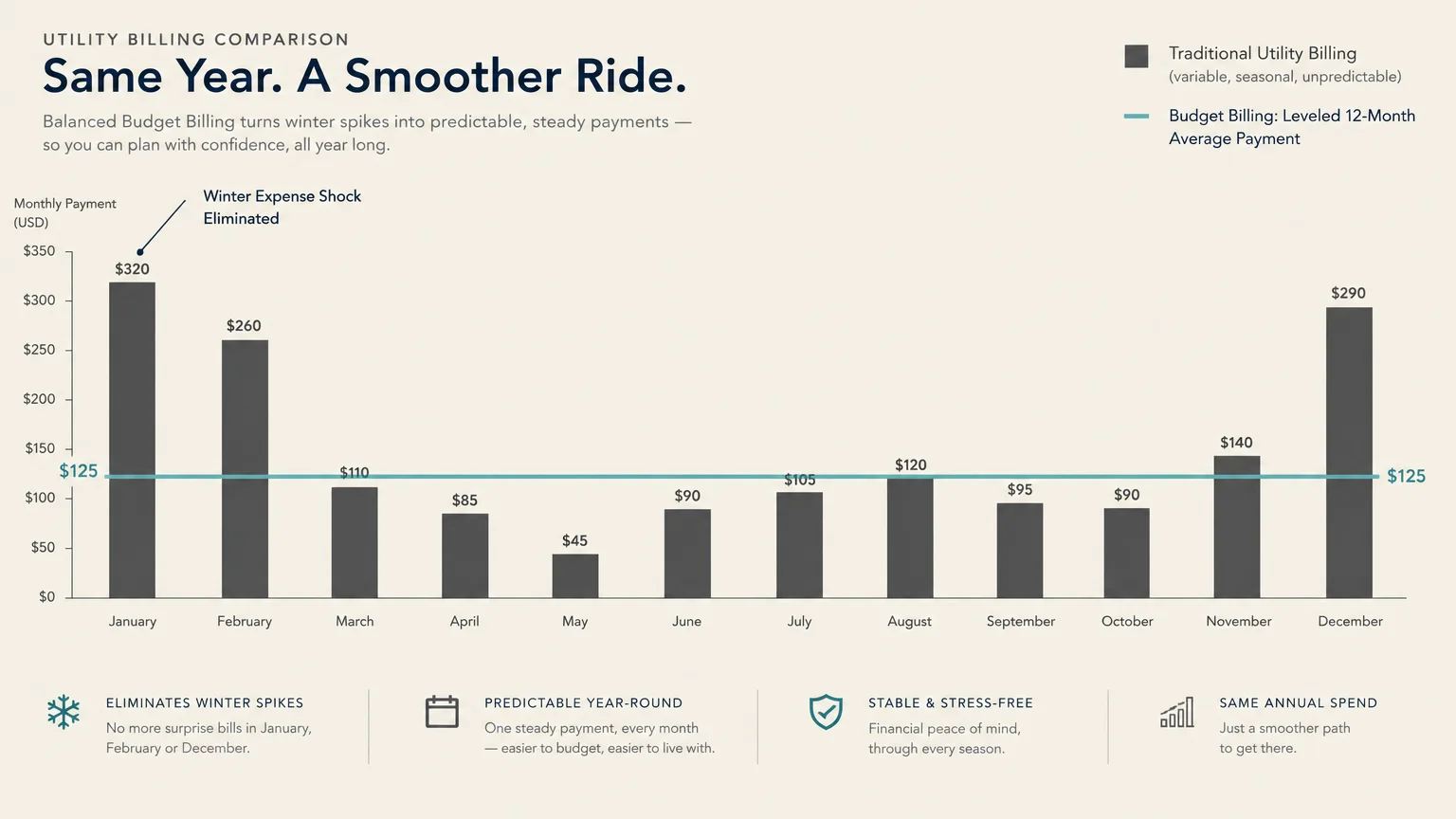
Nearly all regulated electric and natural gas utilities offer free budget billing programs. These levelized payment plans calculate your annual energy usage and divide the projected balance into twelve predictable monthly payments.
You pay the exact same amount in January that you pay during mild weather in May. This structure removes unpredictable winter spikes and shields your checking account from sudden overdrafts.
Utility companies review your account periodically to true up any difference between estimated and actual fuel usage. As long as you practice smart conservation habits, you will avoid an unexpected reconciliation balance.
Enroll online or call your utility’s customer service department to request immediate placement on a levelized plan. Predictable expenses make managing a fixed monthly retirement budget significantly easier.
Tip #6: Reverse Ceiling Fans to Reclaim Trapped Heat
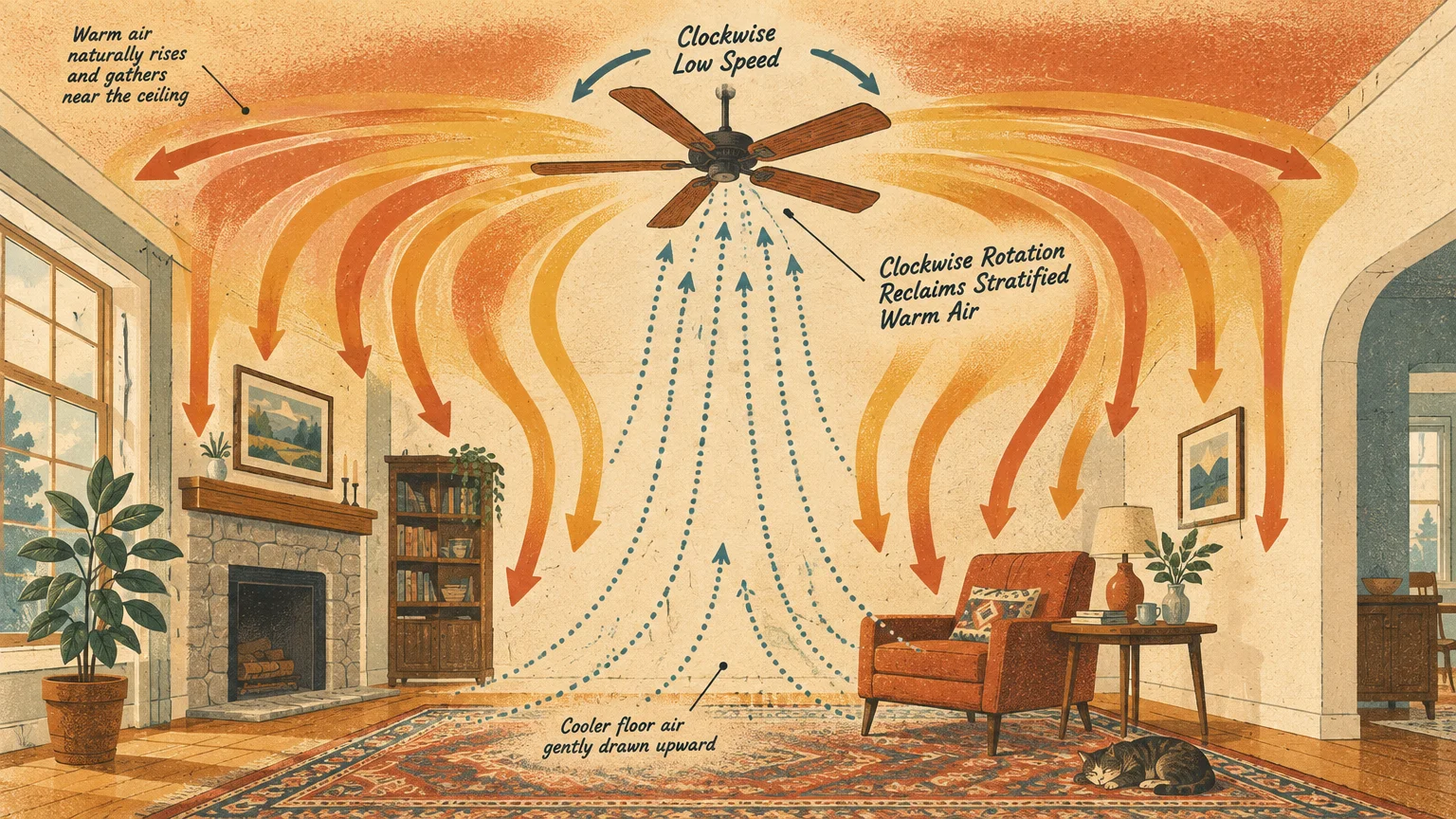
Hot air naturally rises toward the highest points of your living spaces. In homes with vaulted or standard eight-foot ceilings, that warm air hovers uselessly above your head while your floors stay chilly.
Look at the motor housing on your ceiling fans for a small direction switch. Flip that toggle to make the fan blades rotate in a clockwise direction.
Run the fan strictly on its lowest speed setting. The clockwise rotation creates a gentle updraft that pulls cool air upward and forces trapped hot air down along the walls.
This subtle air movement redistributes heat back into your primary living zone without creating a draft. You will immediately feel warmer at couch level without nudging the thermostat upward.
Turn the fan off whenever you leave the room for extended periods. Fans warm people by moving air, but they do not heat empty rooms.
Tip #7: Claim Section 25C Energy Efficiency Tax Credits
If you have savings earmarked for critical home maintenance, the federal tax code offers lucrative incentives. Upgrading drafty building components now triggers substantial tax relief.
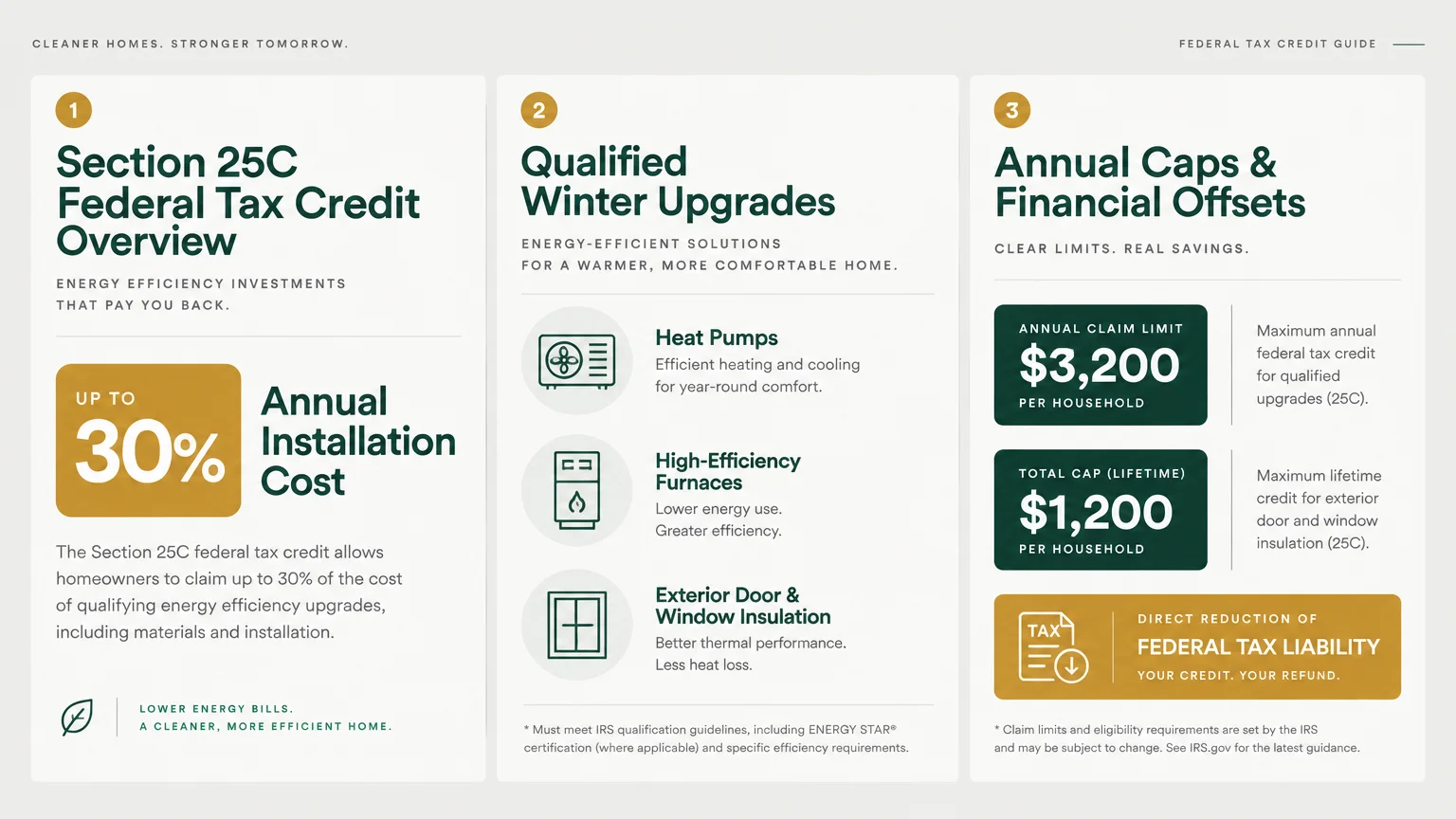
The Energy Efficient Home Improvement Credit, under Section 25C, allows taxpayers to claim up to 30% of qualifying project costs. The general credit provides an annual cap of up to $1,200 for standard structural upgrades.
You can claim up to $600 for high-efficiency exterior windows and skylights. The credit also offers up to $500 for sturdy exterior doors and $150 for a professional home energy audit.
Retirees installing advanced heat pumps or qualifying biomass stoves can claim a separate annual credit cap of up to $2,000. These systems dramatically reduce reliance on volatile fossil fuels.
Because these credits reset every single tax year through 2032, you can strategically stage your improvements. Replace drafty windows this year, upgrade your entry doors next year, and claim credits across both filing seasons.
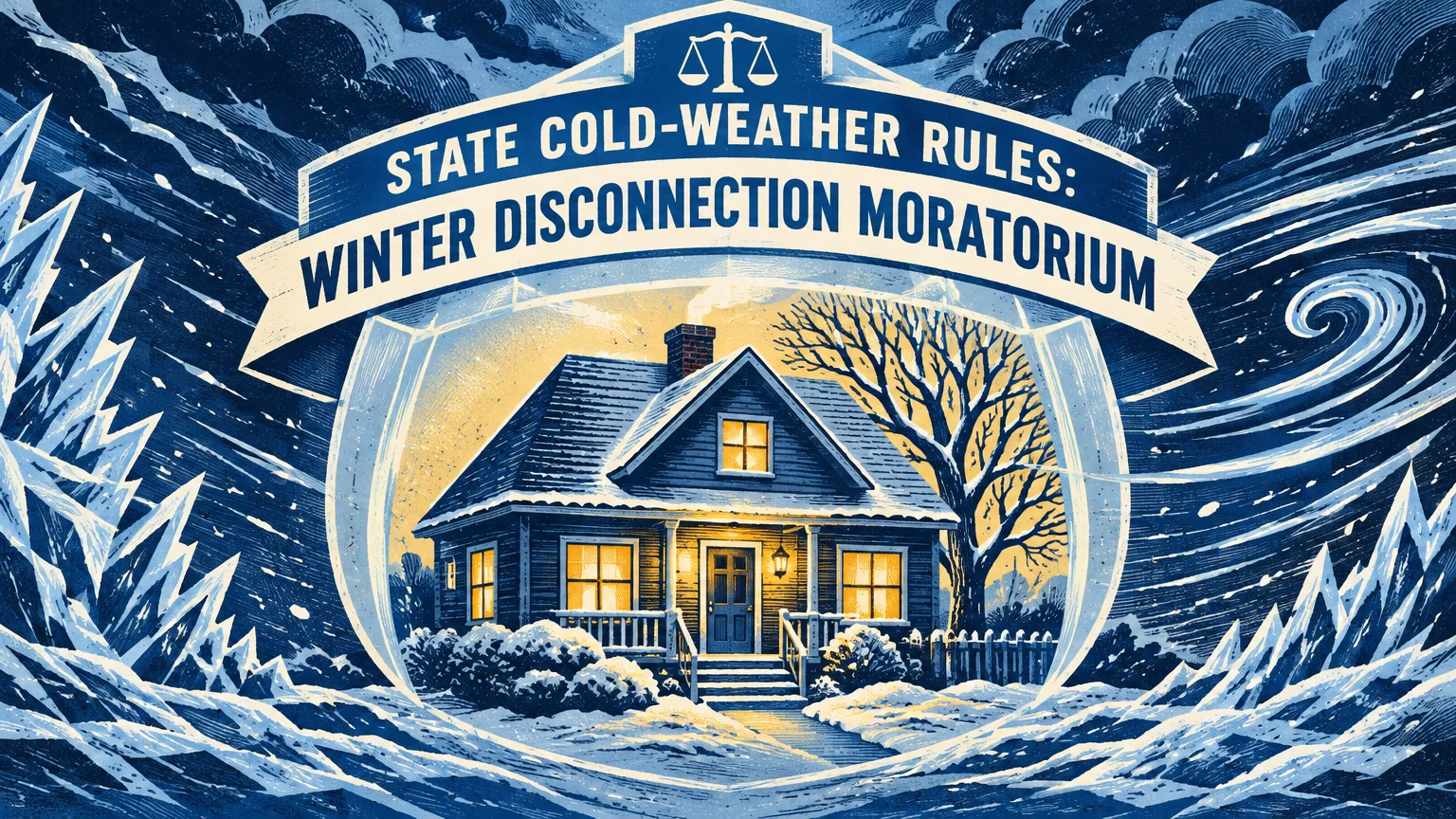
Tip #8: Harness State Cold-Weather Shutoff Protections
An unexpected illness or medical bill can quickly disrupt your utility payments. Utility companies want you to believe a shutoff is imminent, but state law often says otherwise.
Most northern and temperate states enforce mandatory cold-weather rules. These statutory regulations legally prohibit utilities from disconnecting heat sources for vulnerable seniors between November and March or April.
Protection is not always automatic; you must proactively contact your service provider to declare protected status. Inform them that an older adult resides in the home and request formal protection under state utility commission statutes.
These emergency rules grant you valuable time to establish an affordable deferred payment plan. They ensure your home remains safe and heated while you seek supplemental grant assistance.
Never ignore a disconnect notice when financial trouble strikes. Call your state utility consumer advocate immediately to verify your rights and stop shutoff activity before it starts.
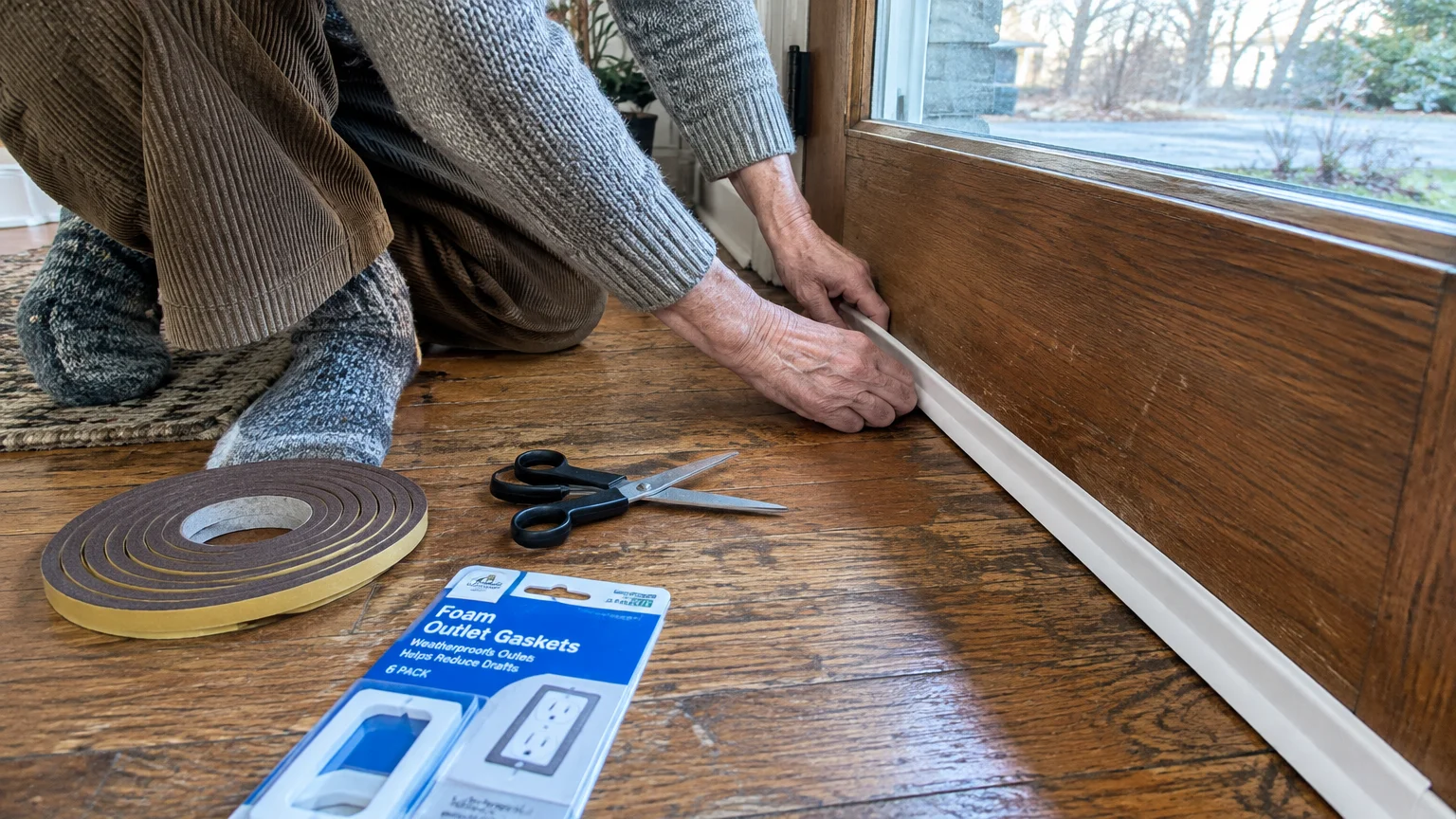
Tip #9: Seal Silent Air Leaks with Low-Cost DIY Barriers
Air infiltration around unsealed gaps can account for up to 30% of a home’s total heating loss. You do not need expensive contractors to eliminate these thermal leaks.
Apply clear plastic shrink-film kits over drafty older windows. A simple pass with a standard hair dryer shrinks the membrane tight, creating an insulating dead-air buffer that mimics double-pane glass.
Install inexpensive foam gaskets behind all electrical outlet plates and light switches on exterior-facing walls. Cold outside air regularly flows through those small wall penetrations into your warm living room.
Place heavy weighted draft stoppers across the base of exterior doors and unheated basement entryways. Flexible self-adhesive silicone sweeps also block freezing air along drafty thresholds.
These simple energy saving tips winter projects require less than $30 in materials from your local hardware store. Most homeowners recoup the entire cost on their very next heating invoice.
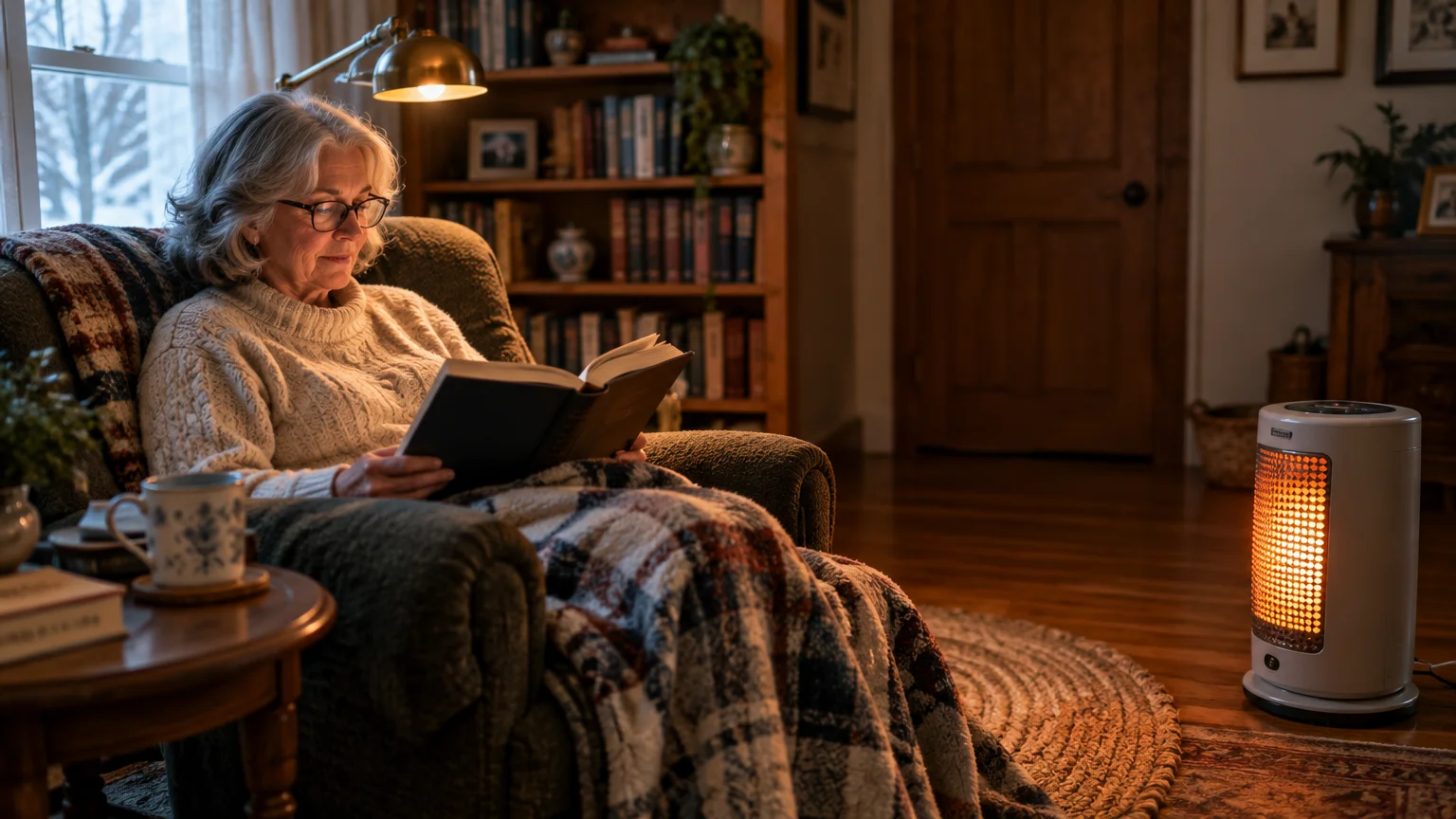
Tip #10: Zone-Heat the Rooms You Actually Inhabit
Many retirees live in spacious family homes after their adult children have moved away. Central heating systems waste massive amounts of money keeping unoccupied spare bedrooms and formal dining areas warm.
Adopt a strategic zone-heating model to save on heating bills. Turn your central furnace thermostat down to 62 degrees to keep pipes safe throughout the overall structure.
Use a modern, energy-efficient ceramic or infrared space heater to warm only the specific room you occupy. Heating a compact 200-square-foot living space requires a fraction of the fuel demanded by a central furnace.
Close interior doors to unused bedrooms and storage spaces to trap radiant heat where you need it most. Ensure your space heater features automatic tip-over protection and an integrated shutoff timer for absolute safety.
Never rely on old coil heaters that pull massive wattage without temperature controls. Modern thermostatic space heaters maintain targeted room comfort while your central furnace rests quietly.
Tip #11: Optimize Delivery Contracts for Delivered Fuels
Fuel type dramatically impacts seasonal expenses across the country. Data from the U.S. Energy Information Administration shows approximately 46% of homes use natural gas and 43% rely on electricity.
However, roughly 5% of households heat with propane, and another 3% depend on heating oil. These delivered fuels suffer from extreme supply shortages and aggressive price gouging during severe winter freezes.
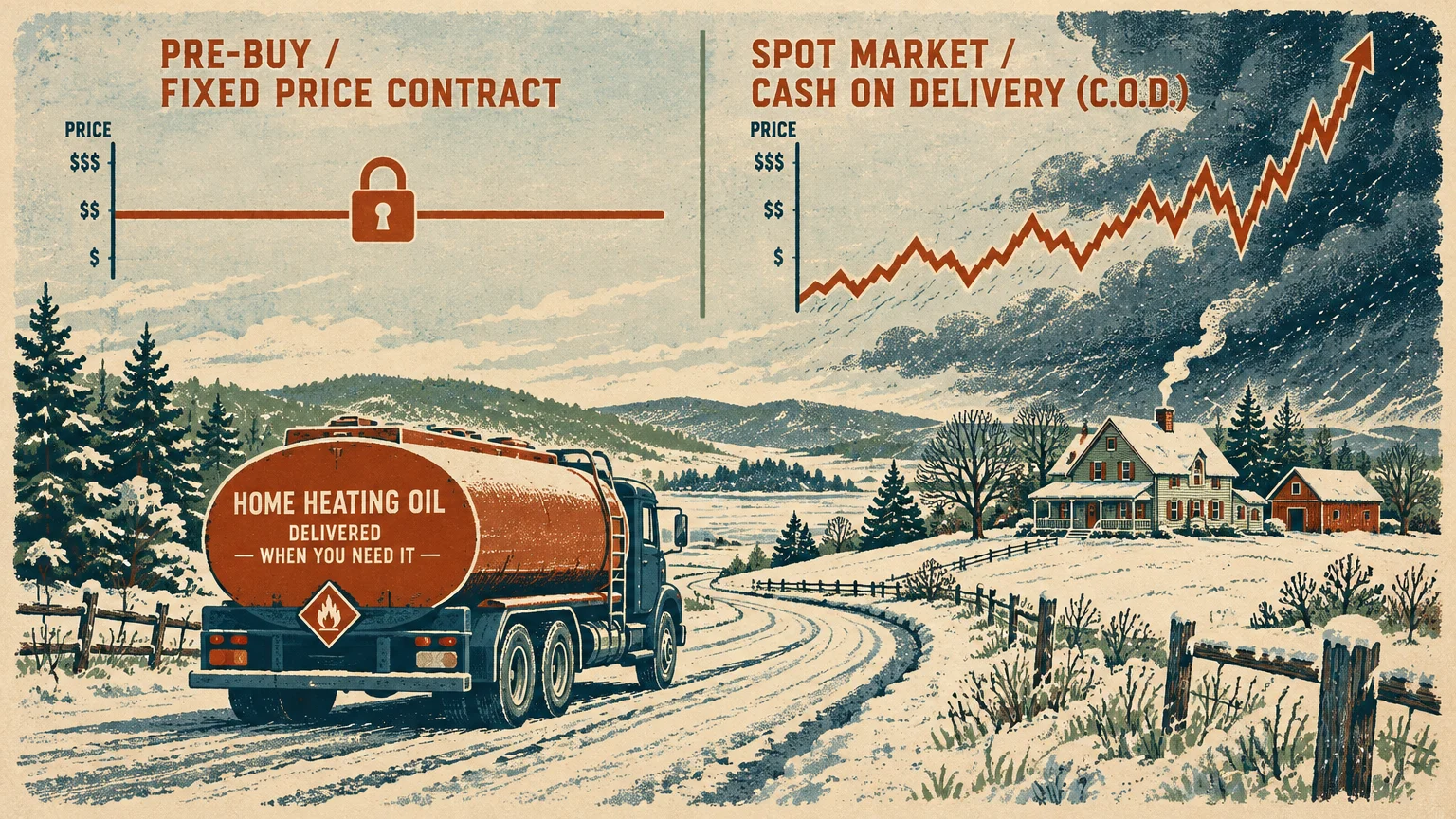
Never buy heating oil or propane on emergency “will-call” status in the middle of a blizzard. Spot-market fuel deliveries during January and February carry brutal seasonal markups and steep dispatch fees.
Smart retirees secure pre-buy contracts or locked-in pricing agreements during the late summer months. Locking in fuel rates when demand is dormant consistently saves 20 to 50 cents per gallon.
Join a local fuel-buying co-op to access commercial volume discounts as an individual homeowner. Pooling purchasing power with your neighbors gives you immediate pricing leverage against regional fuel monopolies.
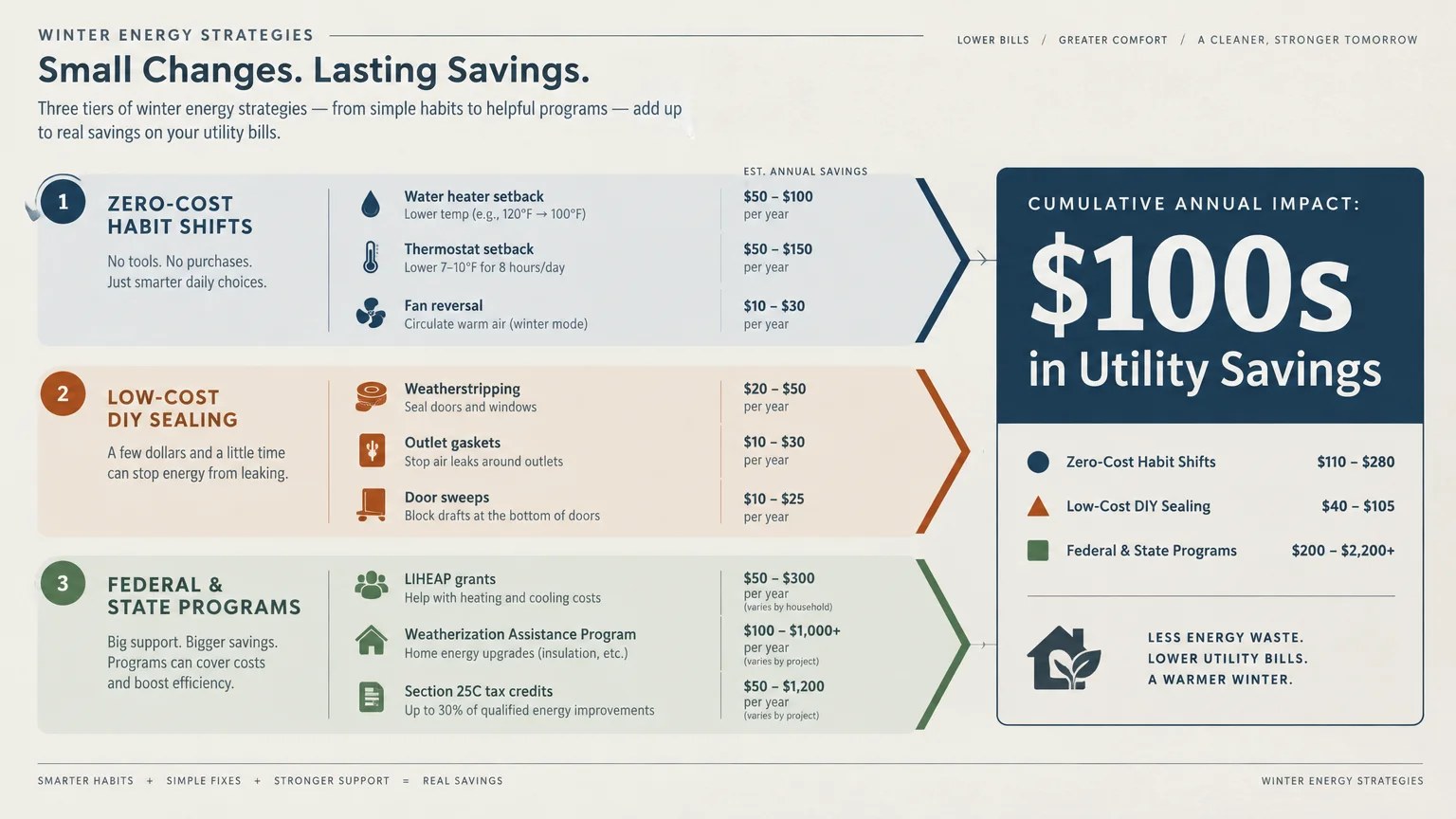
The Bottom Line: What This Means for Your Wallet
Retirement security is built on controlling recurring expenses that eat away at your savings. Winter utility spikes represent one of the most volatile threats to a fixed monthly income.
You do not have to accept soaring energy costs as an inevitable reality of aging. Combining behavioral tweaks, state assistance programs, and simple sealing hacks yields massive compounded financial savings.
Lowering your water heater, dialing back nighttime temperatures, and claiming federal weatherization benefits can easily save $500 to $1,000 every single year. That is real money that stays invested in your retirement funds.
Inspect your living spaces today and select two actionable steps to execute immediately. Proactive energy management keeps your living room comfortable and your household balance sheet completely secure.
For consumer protection information, visit the Federal Trade Commission (FTC) and the Consumer Financial Protection Bureau (CFPB). For product safety and reviews, consult Consumer Reports.
Disclaimer: This article is for informational purposes only and does not constitute financial advice. The content reflects the author’s opinion and research at the time of writing. Always do your own research before making financial decisions.
Frequently Asked Questions
Will lowering my thermostat damage my home or cause frozen pipes?
Lowering your indoor temperature to 60 or 62 degrees Fahrenheit will not freeze your residential plumbing. Water pipes located inside interior walls remain completely safe at these temperatures.
If extreme sub-zero weather strikes, open vanity cabinets beneath exterior-facing sinks to allow warm air to circulate. Never let your overall home temperature fall below 55 degrees when leaving for winter travel.
Do I have to pay back LIHEAP or weatherization benefits?
No. Both LIHEAP and the federal Weatherization Assistance Program provide direct utility grants, not commercial loans.
Approved funding goes directly to your utility company or certified weatherization contractor on your behalf. These safety-net programs never require repayment and will not place liens on your home.
Does closing heating vents in empty rooms hurt my furnace?
Closing off one or two supply vents in an unused room will not harm a modern forced-air furnace. It gently redirects heated airflow into the active living areas of your house.
Avoid closing more than 20% of your total home vents simultaneously. Excessive duct restriction increases internal air pressure and can reduce the operating efficiency of your blower motor.
Are ceramic space heaters cheaper to run than central natural gas heat?
Natural gas is generally cheaper per unit of thermal energy than residential electricity. Running multiple space heaters throughout your house will actually increase your utility bill.
Space heaters only save money when you use one unit to heat a single occupied room while aggressively dropping the central thermostat. Zone heating cuts bills by letting your primary heating system idle.



Leave a Reply