Sipping warm mulled wine at a winter festival can quickly wreck your holiday budget if you ignore regional markups. You can slash your beverage spending simply by understanding state excise taxes, gate fees, and forced mug bundles before you travel.
State alcohol levies create massive price disparities across American holiday markets, ranging from twenty cents to over a dollar per gallon. Meanwhile, hidden ticket prices and souvenir ceramics dramatically distort the true cost of festive drinks.
Knowing which destinations offer genuine bargains—and which ones inflate your bill—empowers you to enjoy festive drinks without seasonal sticker shock. Here is how ten premier Christmas markets compare when you tally the real price per pour.
Tip #1: Cambria Christmas Market (Cambria, California)
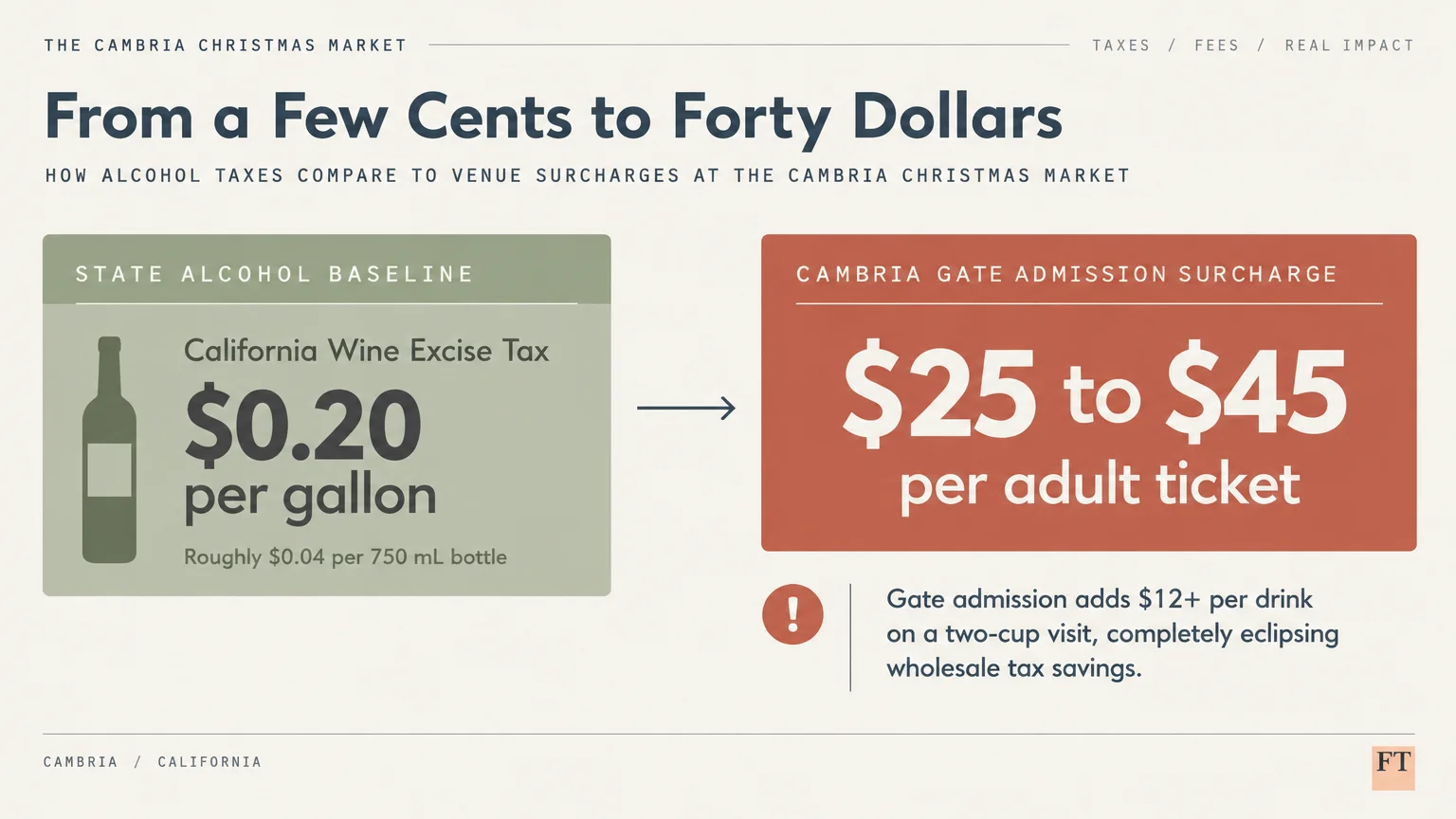
California imposes a state wine excise tax of just $0.20 per gallon. That breaks down to roughly $0.04 per standard 750 mL bottle, giving the state the lowest wholesale tax baseline in our national review.
You might expect that minimal tax rate to yield cheap mulled wine at market stalls. Unfortunately, venue organizers claw back that margin through steep gate admission fees.
The 2026 market runs from November 27 through December 31. Instead of offering free public access, organizers charge between $25 and $45 per adult ticket depending on the date you attend.
That mandatory entry fee fundamentally alters your beverage budget. If you buy two cups of spiced wine, you are effectively paying an extra surcharge of at least a dozen dollars per drink.
Wholesale tax savings never make it into your wallet when admission fees are this steep. What appears to be an affordable drink baseline quickly becomes an expensive holiday outing.
To maximize your investment, treat Cambria as a walkthrough light attraction rather than a casual drinking venue. Spend enough time exploring the grounds so your admission fee delivers genuine entertainment value.
Avoid entering the market late in the evening if you only intend to grab a quick festive drink. Buying local spiced wine at nearby town restaurants will cost you significantly less overall.
Book lower-priced midweek entry slots if your travel schedule allows flexibility. Dodging premium weekend ticket rates keeps your total spending under control while you enjoy the seasonal displays.
Tip #2: ROC Holiday Village (Rochester, New York)
New York state assesses an excise tax of $0.30 per gallon on wine. That low rate helps local vendors keep their baseline costs under control.
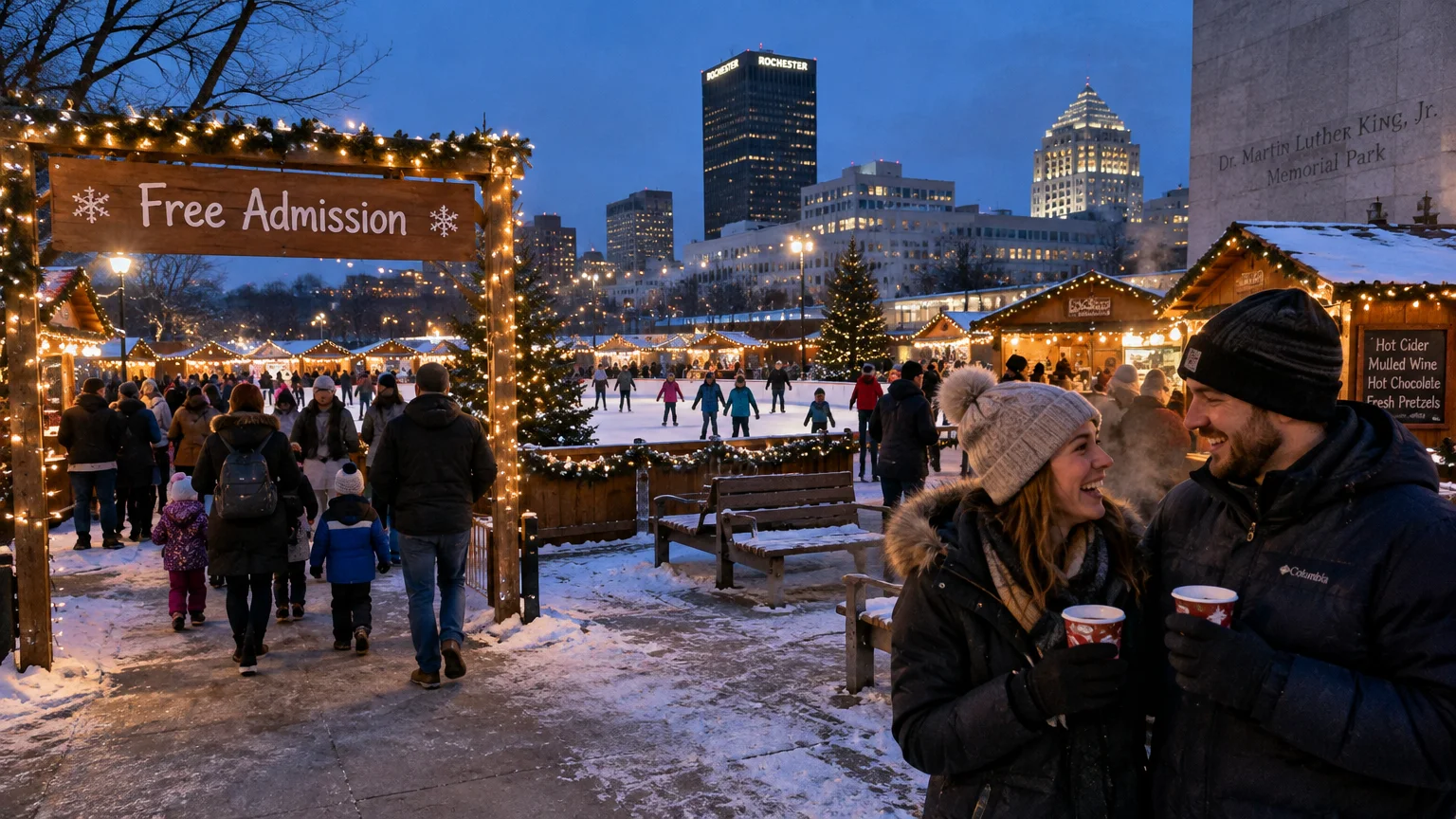
Scheduled from November 27 through December 20, 2026, Rochester pairs low alcohol levies with completely free gate admission. You can enter Dr. Martin Luther King Jr. Memorial Park without opening your wallet.
Rochester protects your budget by eliminating mandatory ticketing surcharges entirely. The festival even provides complimentary horse-drawn carriage rides and free cookie decorating sessions for children.
Because you pay zero admission fees, every dollar you budget goes directly toward your hot drinks and food. You dodge the hidden gate taxes that quietly inflate festival expenses in larger cities.
Monroe County also features lower local sales taxes than downstate metropolitan venues. Concessionaires pass those savings along to visitors, keeping festive drinks reasonably priced for local shoppers.
You can visit the festival grounds multiple times throughout the season without recalculating your entertainment budget. Rochester stands out as a rare holiday market that remains truly accessible to frugal consumers.
Head across town to the Rochester Public Market programming to stretch your holiday dollars even further. Pairing free community markets creates a complete weekend itinerary without draining your checking account.
Free entry also means you can walk away if lines become too long. You never feel trapped into buying overpriced concession items just to justify an expensive gate ticket.
Tip #3: Bank of America Winter Village at Bryant Park (New York, New York)
New York City shares the statewide wine excise tax of $0.30 per gallon. That translates to roughly $0.06 per standard 750 mL bottle upstream.
Despite that rock-bottom wholesale tax rate, Manhattan retail prices sit near the top of national charts. Astronomical commercial stall rents and elevated local sales taxes quickly inflate customer receipts.
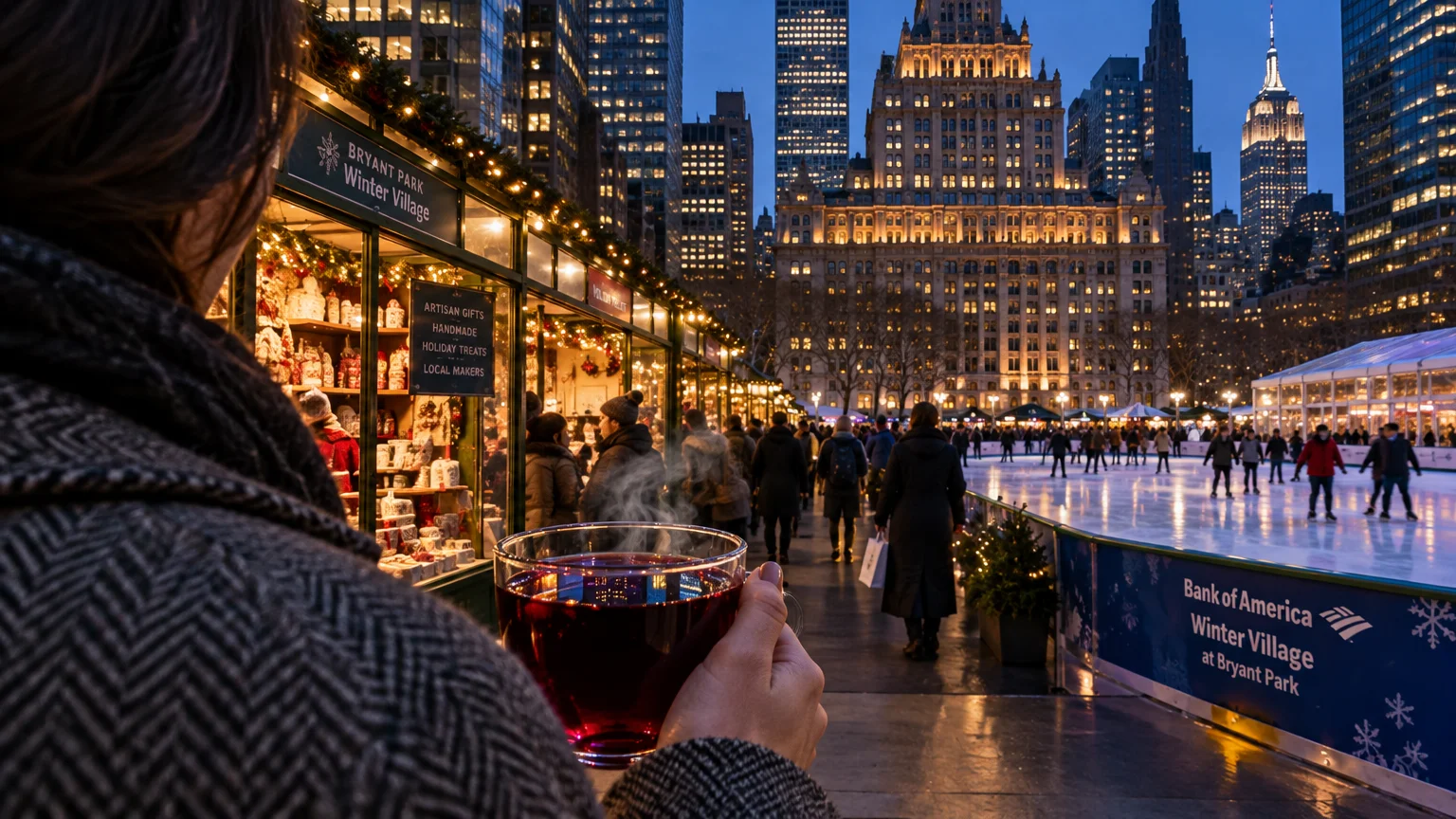
The artisan market shops run from October 28, 2026, through January 3, 2027. Meanwhile, the ice rink and The Lodge bar and food hall remain open through February 28, 2027.
Entering the holiday village grounds is free, and skating admission costs nothing if you bring your own skates. However, on-site skate rentals range from $18.72 to $64.48 based on seasonal demand.
If you rent skates and order warm drinks at The Lodge, your outing can easily exceed seventy dollars. Low state excise taxes cannot protect you from Midtown Manhattan operating overhead.
You can outmaneuver these high venue costs by treating Bryant Park as a free walking tour. Bring your own ice skates, admire the tree, and skip the high-margin seated bar pavilions.
If you want festive drinks, purchase a single cup to enjoy while browsing the outdoor craft booths. Avoid tab-style spending inside enclosed lounges where table service markups accumulate rapidly.
Visiting early in the holiday season during late October or November helps you dodge peak December price surges. You will enjoy identical festive drinks with shorter lines and less commercial pressure.
Tip #4: Carmel Christkindlmarkt (Carmel, Indiana)
Indiana collects a modest state wine excise tax of $0.47 per gallon. This low wholesale baseline enables Carmel to maintain clear, predictable pricing across its entire beverage menu.
The 2026 market runs from November 21 through December 24, closing on Thanksgiving and Christmas Day. It also closes on Mondays and Tuesdays, except for extended hours on December 21 and 22.
Carmel eliminates entry barriers by offering free gate admission and free parking in designated city garages. You also receive complimentary shuttle service and free craft projects in the kids’ corner.
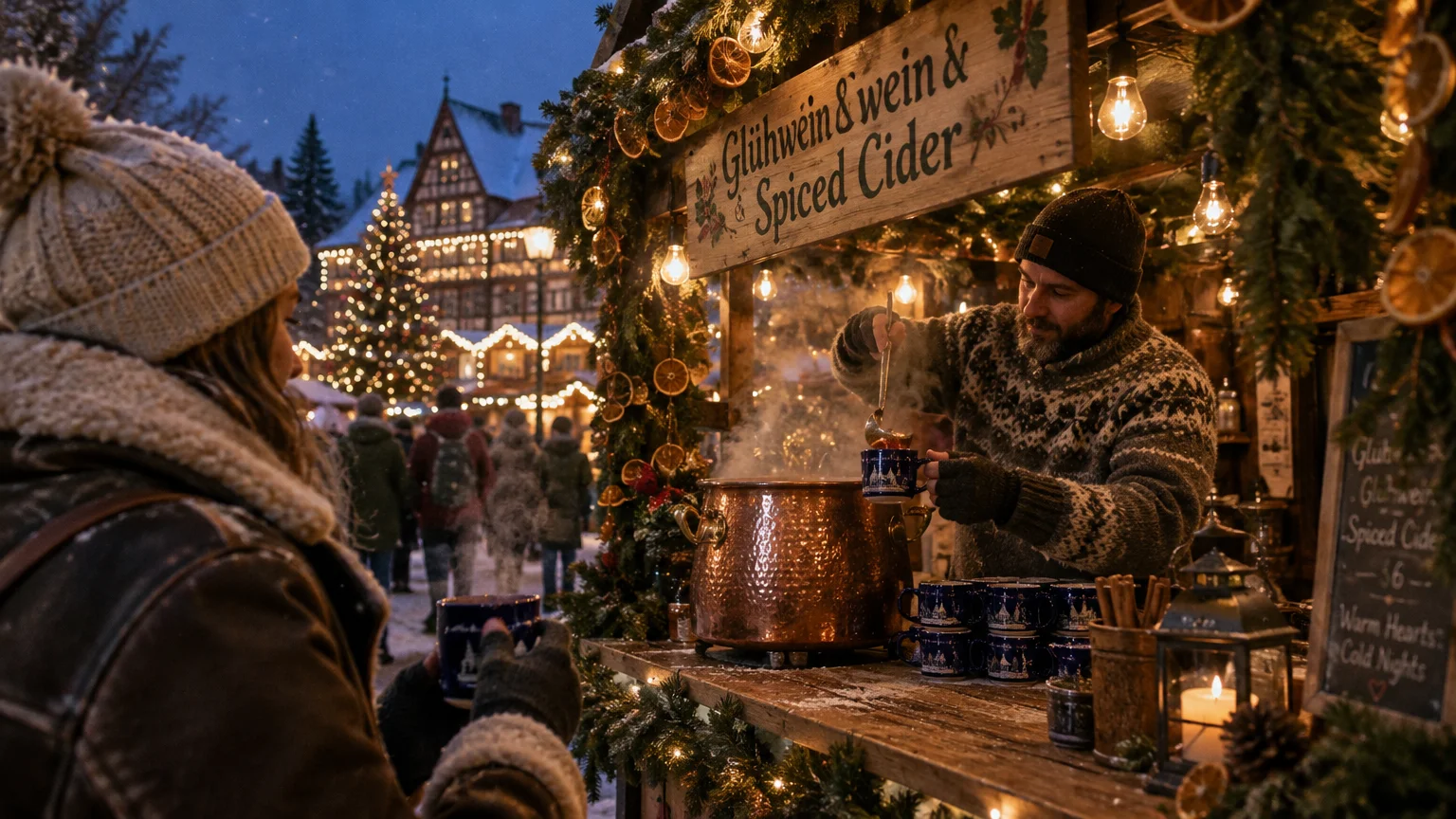
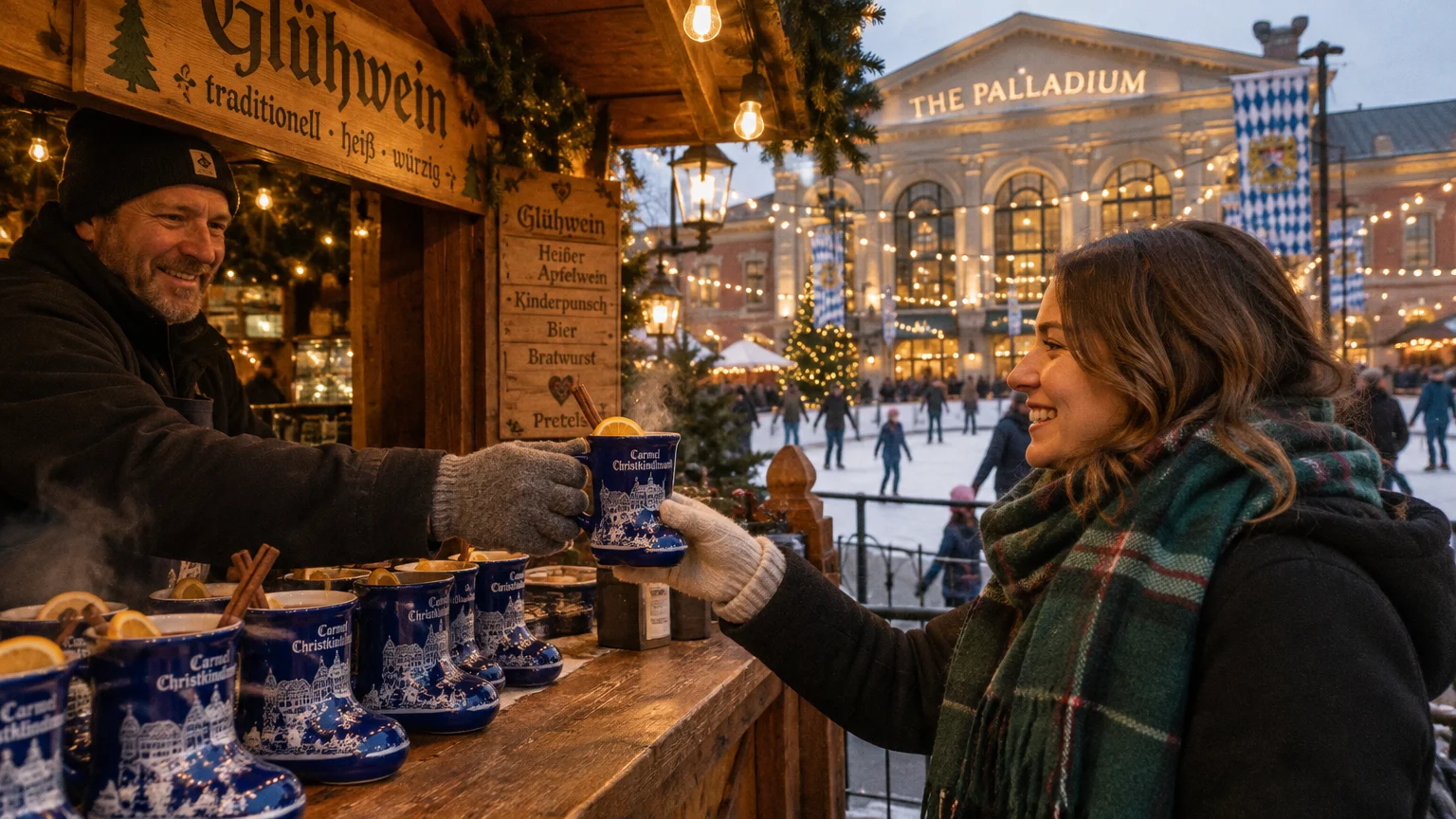
Hot Glühwein costs a flat $9.00 per cup at the iconic 33-foot Glühwein Pyramid. You can choose from traditional, cranberry, baked apple, blueberry, cherry, elderflower, sugar plum, or non-alcoholic Kinderpunsch.
Collectible boot mugs cost an extra $8.00 at the counter. Because the souvenir mug is optional, you can buy the wine alone and decline the collectible ceramic upcharge.
That unbundled pricing structure puts financial control back in your hands. You avoid paying for promotional drinkware you might simply discard or store away in a crowded kitchen cabinet.
Zero gate fees and free garage parking make Carmel one of the best holiday values nationwide. You can enjoy authentic German Glühwein without absorbing forced souvenir fees or parking surcharges.
Plan your visit for Wednesday or Thursday evenings to avoid heavy weekend crowds around the pyramid. You will receive faster service and enjoy ample room to savor your warm drink.
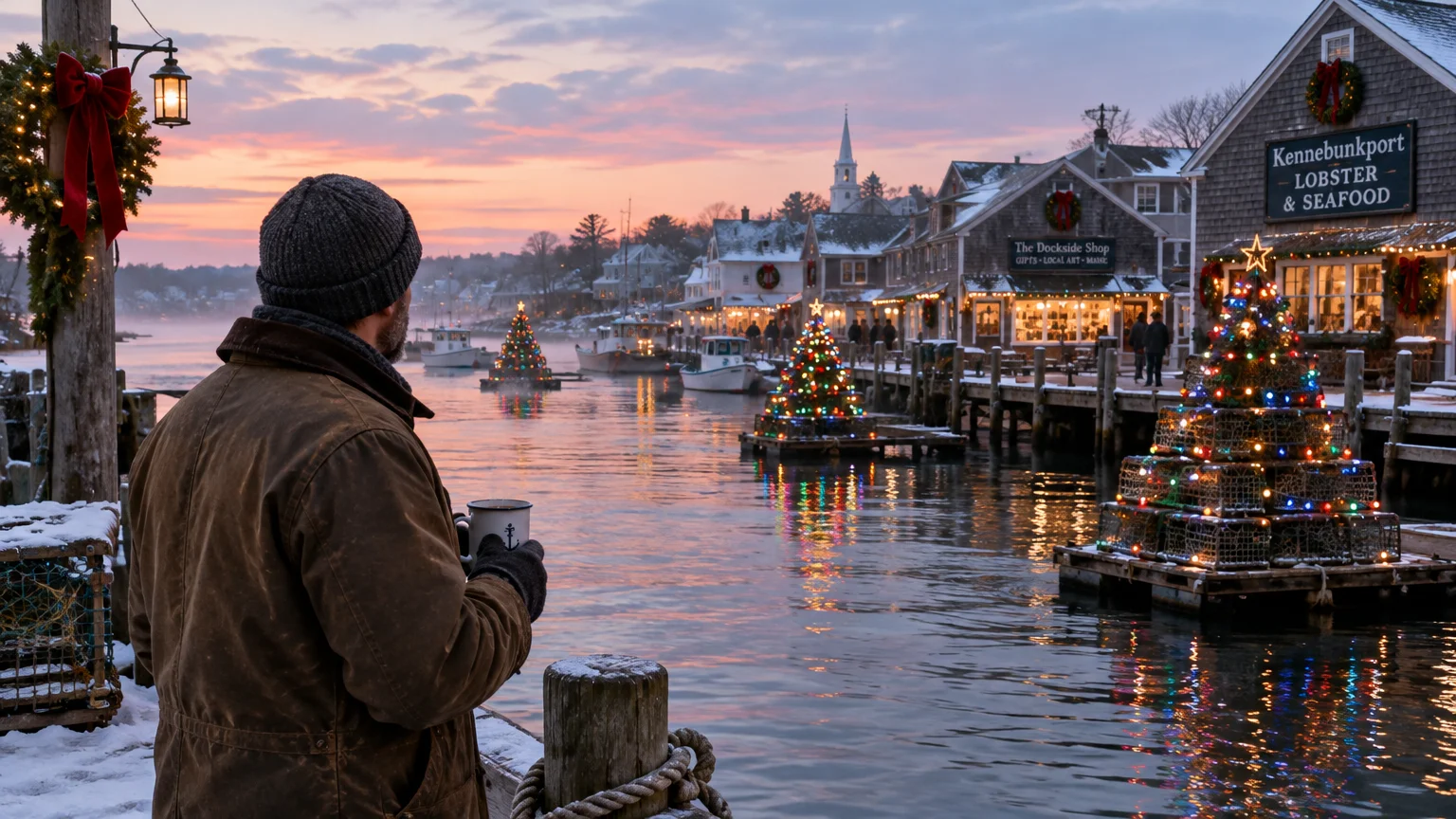
Tip #5: Christmas Prelude (Kennebunkport, Maine)
Maine levies a state wine excise tax of $0.60 per gallon. That rate places Kennebunkport directly in the middle of our national tax ranking.
Running from December 3 through December 13, 2026, Christmas Prelude delivers an intensive 11-day celebration. The short festival window concentrates regional holiday cheer into a lively coastal gathering.
You pay nothing to wander the decorated waterfront streets and browse historic village shops. Signature events like lobster-trap tree lightings and Santa arriving by lobster boat are completely free.
Because the festival does not charge admission fees, moderate state wine taxes do not balloon into unreasonable drink costs. Local merchants serve warm spiced wine and holiday cocktails at standard coastal pub rates.
The biggest financial trap in Kennebunkport is the extreme surge in overnight lodging prices during the festival. High hotel rates can wipe out the savings you enjoy from free village access.
Protect your budget by booking accommodations in neighboring towns twenty to thirty minutes away. Driving in for an afternoon celebration lets you enjoy festive drinks without paying inflated coastal room rates.
Focus your spending on established local cafes and heritage dining rooms rather than temporary concession kiosks. You will get higher-quality holiday beverages and better service for the exact same retail price.
Carpooling with friends reduces regional parking headaches and splits your fuel costs. That simple step keeps your entire coastal holiday getaway affordable from start to finish.
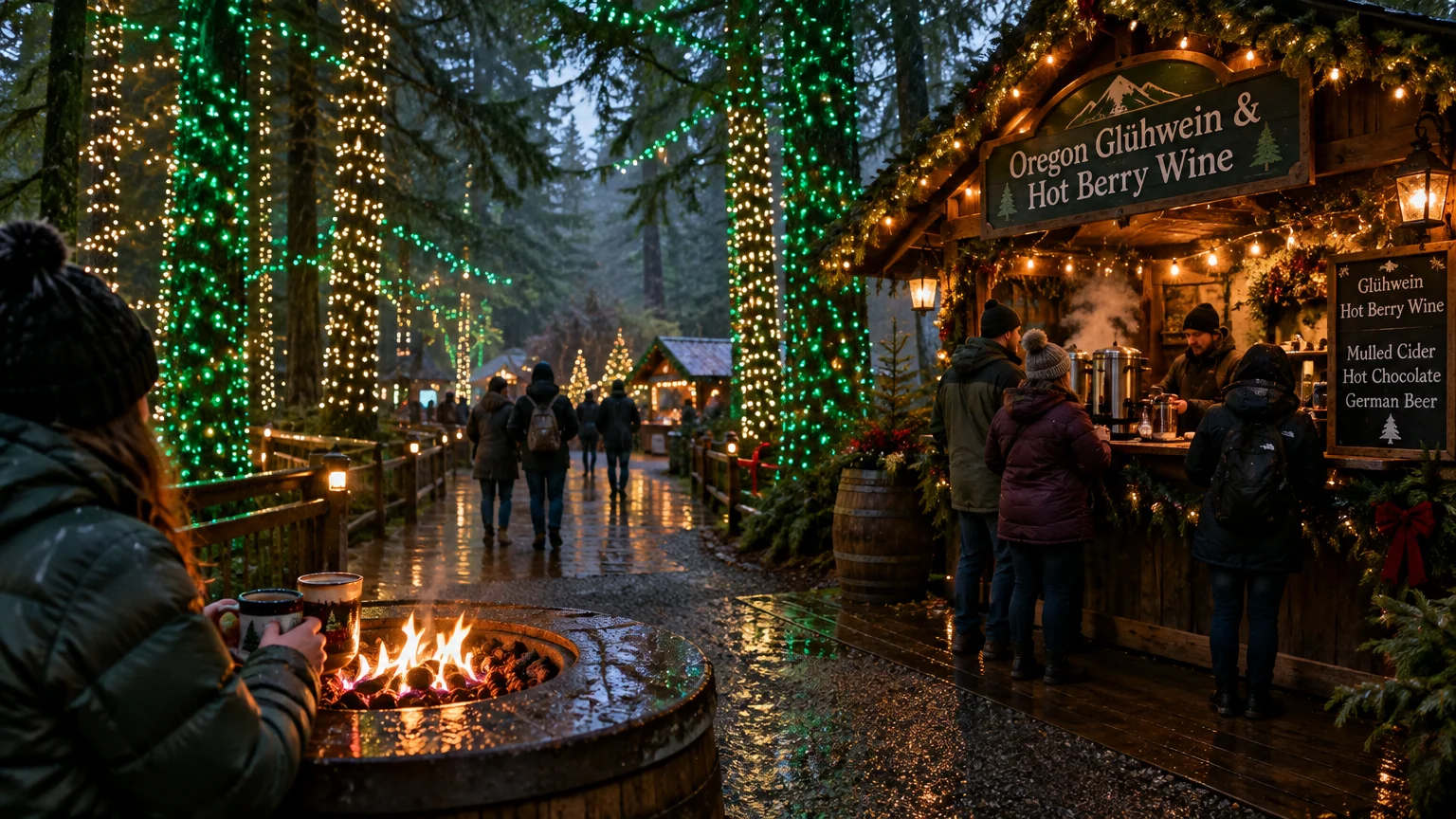
Tip #6: Silverton Christmas Market (Silverton, Oregon)
Oregon charges a state wine excise tax of $0.67 per gallon. While the state has no general sales tax, festival entry rules add substantial upfront costs.
Operating from November 20 through December 31, 2026, this event is renowned for its immersive forest light displays. However, visiting the market stalls requires advance online ticket purchases.
General admission ranges from $15 to over $25 for adults depending on the date. Tickets for children ages 6 and older cost between $8 and $12.
Mandatory ticketing significantly increases the real price of your festive drinks. If an adult couple attends just to enjoy a mug of mulled wine, admission fees add over $15 per pour.
Moderate wholesale alcohol taxes provide little consumer relief when admission hurdles are this high. You must stay long enough to enjoy the light trail to justify that initial ticket purchase.
To trim your expenses, book early weekday slots where ticket prices sit at the bottom of the scale. Avoid peak weekend nights when surge pricing pushes admission costs to their highest levels.
Bring your own warm clothing and thermal layers so you can comfortably explore the entire light path. Spending three full hours outdoors ensures your family gets strong value from the entry fee.
Skip extraneous souvenir purchases inside the vendor village once you have secured your festive drink. Allocating your money toward the experience rather than impulse retail keeps your spending disciplined.
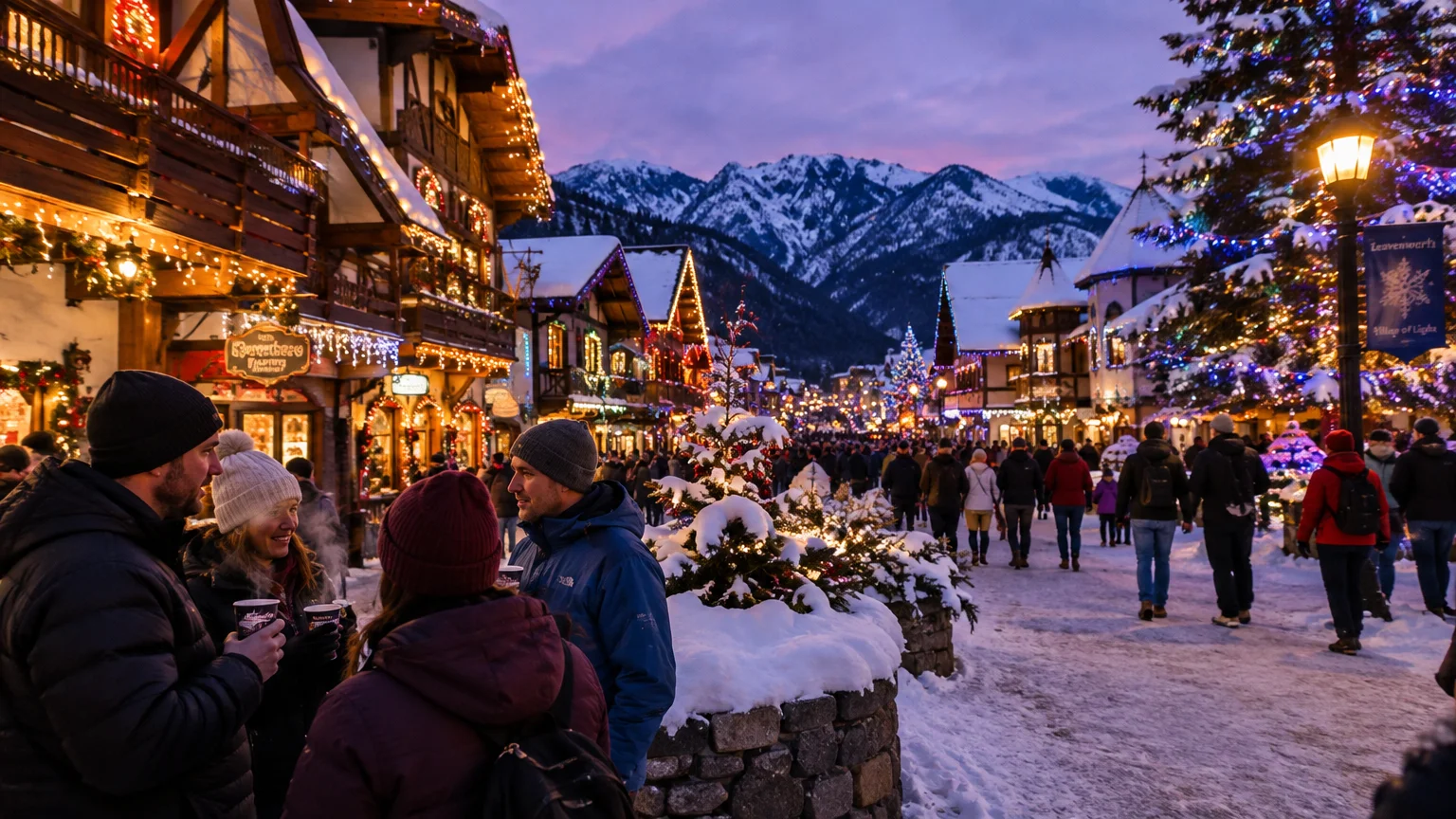
Tip #7: Village of Lights: Christmastown (Leavenworth, Washington)
Washington state imposes an excise tax of $0.87 per gallon on wine. That substantial tax rate pushes Leavenworth into the upper tier of alcohol taxation.
The official market celebration runs from November 27 through December 24, 2026. However, the town keeps its half-million decorative holiday lights illuminated through the end of February 2027.
Exploring the Bavarian town square, watching street musicians, and viewing gingerbread displays at the Festhalle is free. You can immerse yourself in traditional alpine charm without buying a ticket.
Washington’s eighty-seven-cent excise tax creates higher baseline costs for concessionaires pouring Glühwein. Vendors pass those regulatory costs along through steeper drink prices at public booths.
Surrounding attractions like the Leavenworth Nutcracker Museum and the Reindeer Farm require separate paid tickets. Adding those private activities onto your visit quickly doubles your total daily holiday expenditure.
Keep your outing affordable by prioritizing the free outdoor lighting displays and complimentary community entertainment. Skipping ticketed commercial attractions leaves ample room in your budget for a warm seasonal drink.
Consider planning your trip for January or February after the main holiday market concludes. The lights remain illuminated, but lodging prices drop dramatically once peak Christmas tourism subsides.
Packing your own thermal travel mug keeps drinks hot in the chilly mountain air. You will enjoy your festive beverages without feeling rushed by freezing winter temperatures.
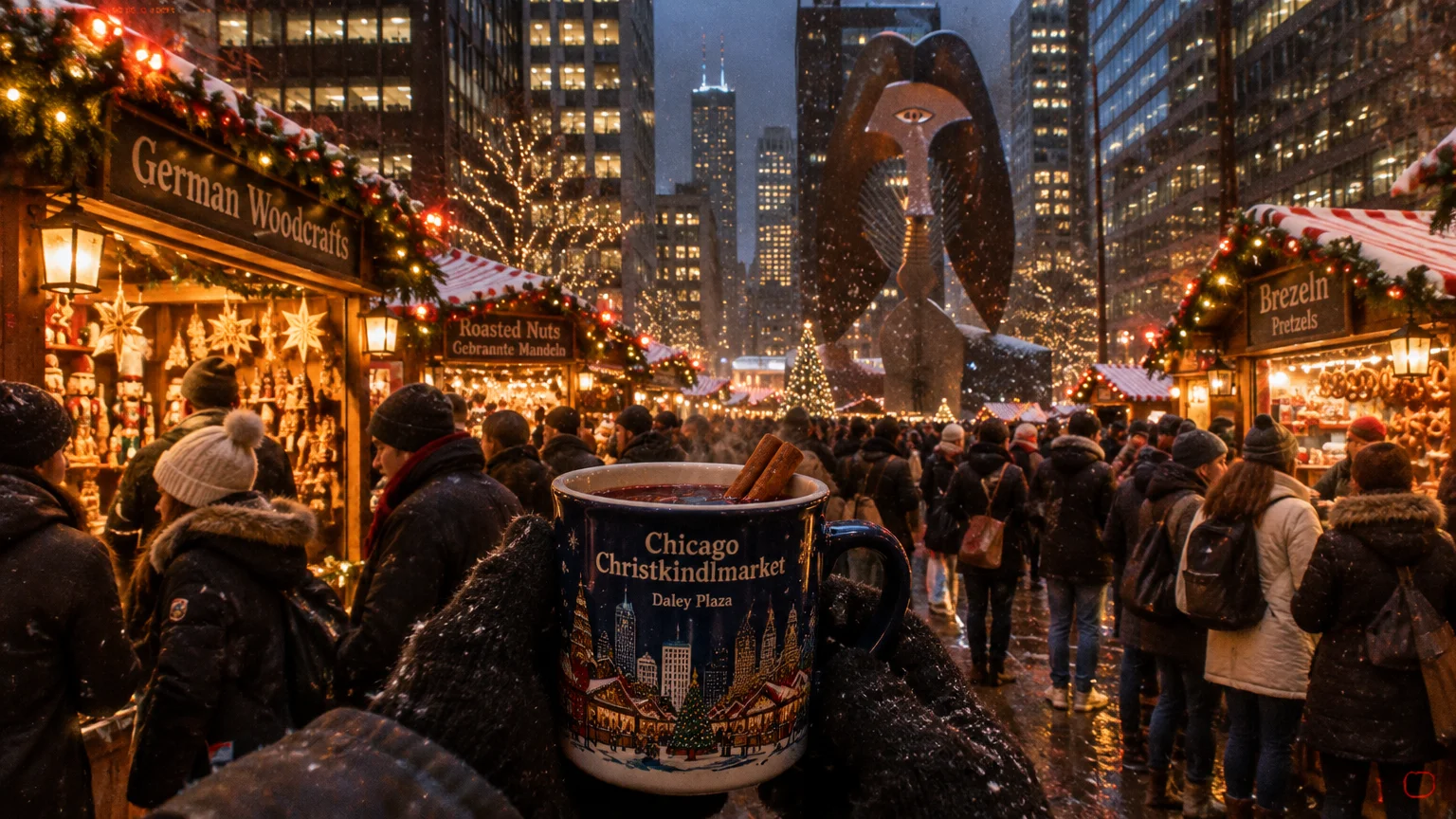
Tip #8: Christkindlmarket Chicago (Chicago, Illinois)
Illinois levies a steep state wine excise tax of $1.39 per gallon. That high rate makes Chicago one of the most heavily taxed markets in the country.
Celebrating its 30th anniversary in 2026, the market operates at Daley Plaza and Aurora from November 20 through December 24. The Wrigleyville location remains open through December 31, 2026.
Admission is free across all three locations, drawing massive crowds into the heart of the city. However, beverage pricing reflects both state levies and steep municipal sales taxes.
The 2026 collectible 30th-anniversary mugs and Christmas tree mugs cost $10 empty before adding the price of Glühwein. Buying a new ceramic mug with every pour quickly inflates your bill.
Combined Cook County and municipal sales taxes add an extra financial layer at the register. A couple purchasing two souvenir mugs filled with spiced wine faces a sizable receipt.
To keep your spending under control, purchase only one souvenir mug as a keepsake. Ask staff for standard refills or paper cups for subsequent pours to avoid buying redundant ceramics.
You can also visit during weekday lunch hours to avoid the intense evening crowds at Daley Plaza. Navigating the stalls at your own pace helps prevent impulse spending caused by sensory overload.
Taking public transit directly to Daley Plaza eliminates exorbitant downtown Chicago parking fees. Those transit savings will easily offset the city’s higher retail beverage taxes.
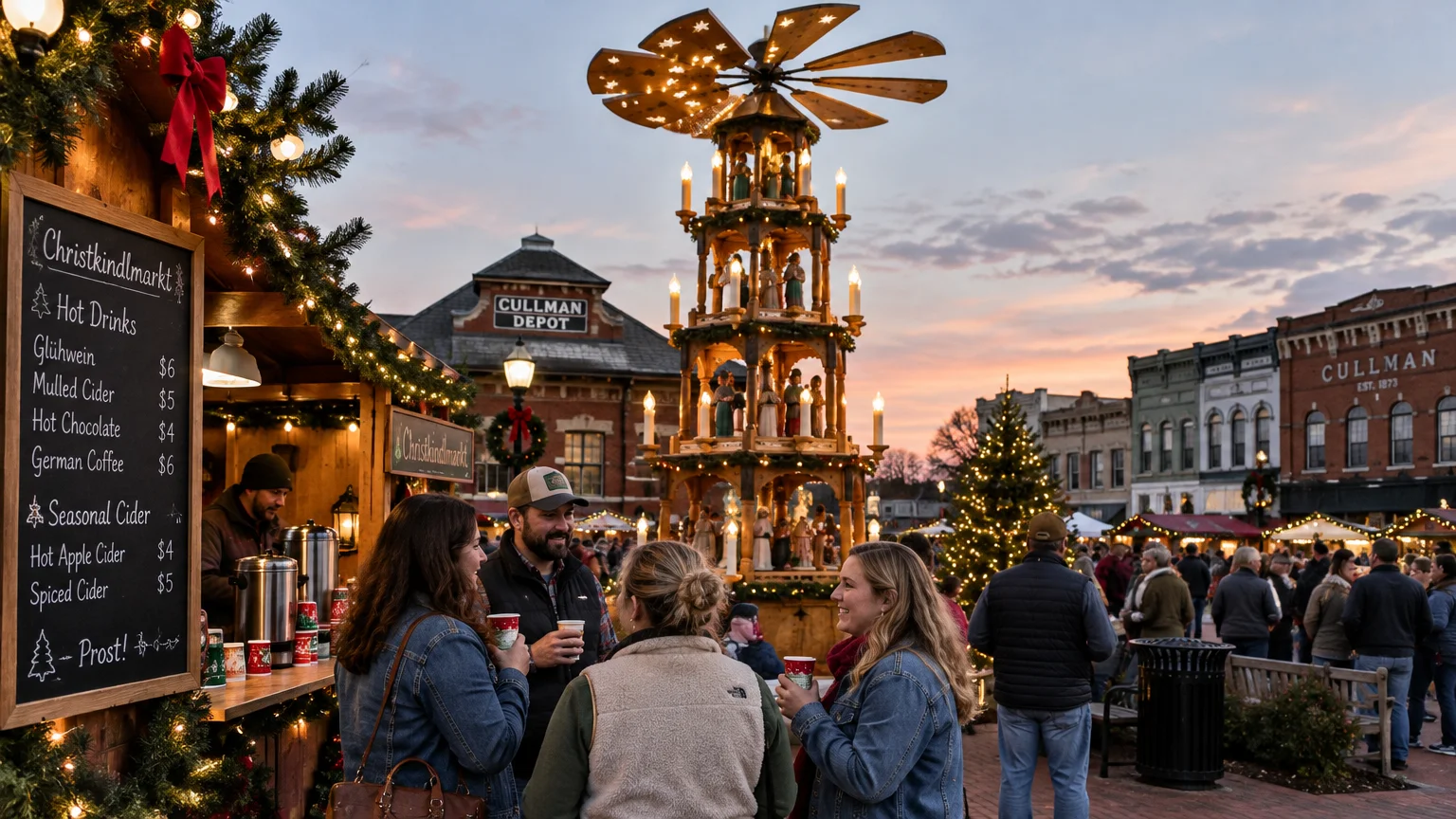
Tip #9: Cullman Christkindlmarkt (Cullman, Alabama)
Alabama collects a state wine excise tax of $1.70 per gallon. That levy represents the highest flat gallonage rate among open alcohol markets in the United States.
Scheduled from November 19 through December 23, 2026, Cullman hosts an authentic German celebration at Depot Park. Attractions include a 47-foot-wide Schwibbogen candle arch and a 40-foot Christmas pyramid.
Cullman balances its high state wine tax by offering free gate admission and free parking. You can wander through the festival grounds and photograph the German displays without spending a dime.
Alabama’s $1.70 tax inevitably forces vendors to raise baseline prices on festive drinks. Every gallon of mulled wine carries a substantial tax surcharge before concessionaires earn any retail margin.
While rides and specialty activities cost extra, basic access to the holiday atmosphere remains completely free. You can redirect the cash saved on parking directly toward your beverage budget.
Establish a firm spending limit on ticketed carnival rides if you travel with children. Preserving your funds for handcrafted foods and warm spiced drinks ensures a more traditional festival experience.
Arrive in the late afternoon to experience the market transition from daylight shopping to illuminated evening spectacles. Timing your visit well maximizes the value of this high-tax southern market.
Supporting local artisan craft vendors helps keep your spending within the regional community. You can purchase meaningful holiday gifts while enjoying an authentic cup of warm Glühwein.
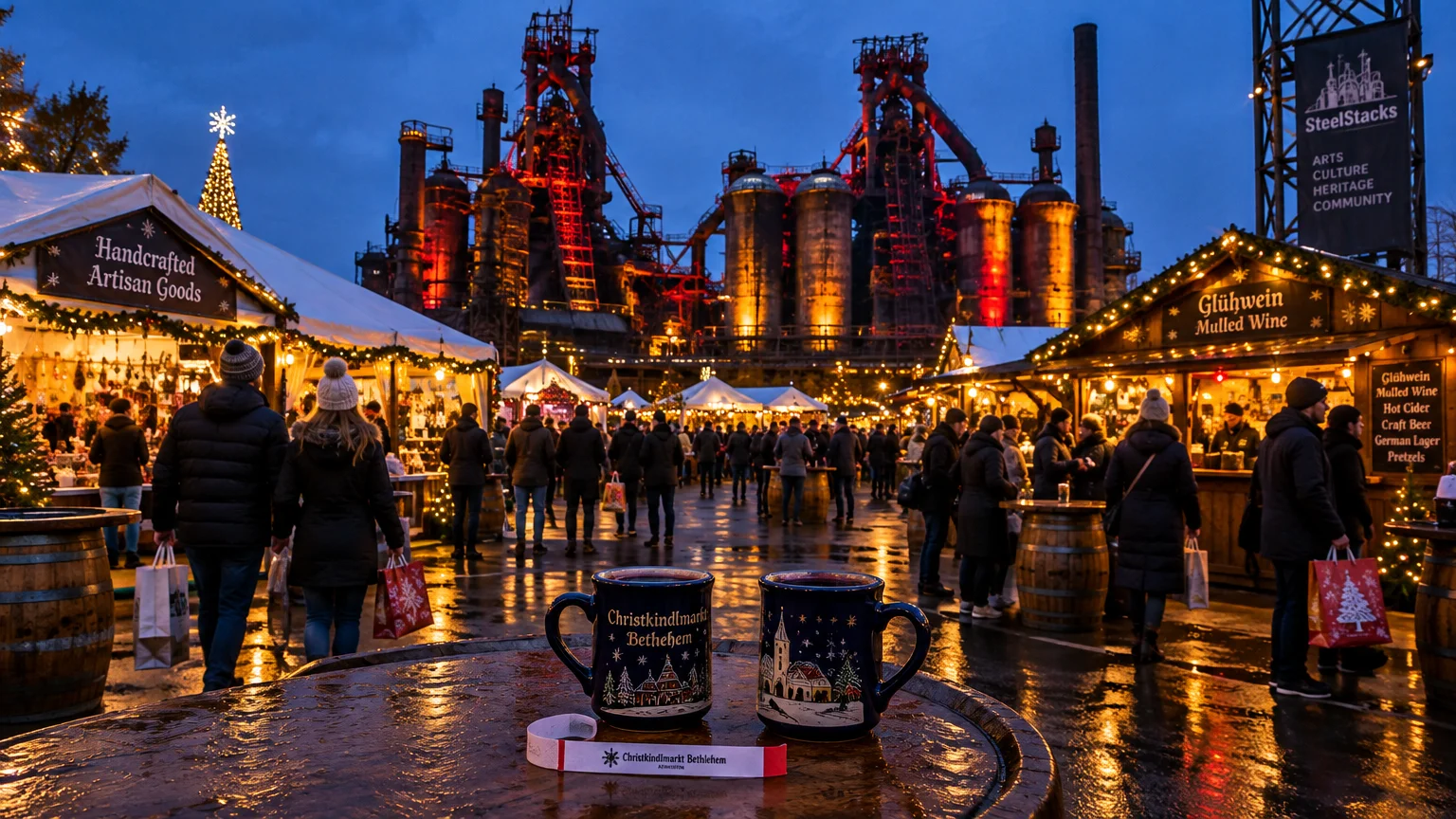
Tip #10: Christkindlmarkt Bethlehem (Bethlehem, Pennsylvania)
Pennsylvania enforces a state liquor monopoly that heavily inflates retail alcohol costs. The government distribution system levies a mandatory 30% wholesale markup and an 18% state liquor tax.
The 2026 market runs Thursdays through Sundays from November 13 through December 20. The combination of state markups and ticket fees creates the steepest price barrier on our list.
Admission tickets cost $14 on Thursdays and Fridays, rising to $16.50 on Saturdays and Sundays. Children ages 5 and under enter free of charge.
Compounding ticket fees on top of Pennsylvania’s 48% combined alcohol markup makes a simple drink very costly. A couple can easily spend $45 before taking their first sip of Glühwein.
You can bypass the admission barrier by arriving on Fridays between 5:00 p.m. and 8:00 p.m. During that specific window, general admission is free for all visitors.
Taking advantage of free Friday evening access erases ticket costs and neutralizes the state monopoly penalty. You can allocate your saved admission dollars toward artisan holiday shopping instead.
If you must attend on a weekend, budget for a single drink and savor the live entertainment. Avoid buying rounds of high-markup alcohol inside the gates when local Bethlehem taverns offer better value.
Purchasing artisan gifts directly from regional craftsmen provides lasting value for your holiday budget. Focusing on unique merchandise helps justify attending an event with higher structural beverage costs.
The Bottom Line: What This Means for Your Wallet
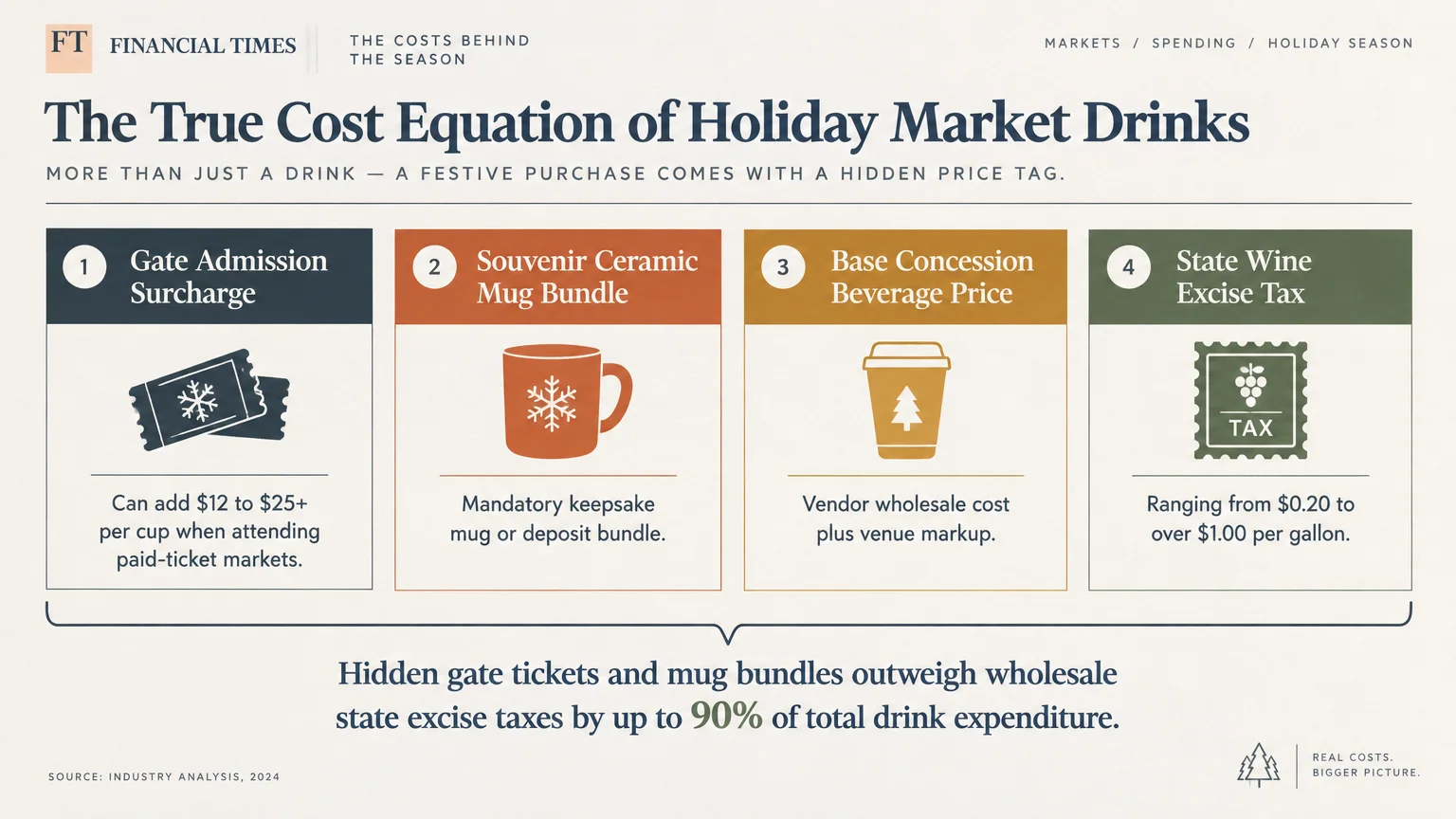
State wine excise taxes establish the baseline wholesale cost for holiday drinks, but gate policies determine your true expense. A low-tax market can quickly become your priciest outing if organizers charge $45 for admission.
Conversely, destinations with steep alcohol taxes often soften the blow through free gate access and complimentary parking. Cullman and Chicago let you enjoy festive atmospheres without spending money just to enter the grounds.
Souvenir ceramic mugs represent another major margin trap at American Christmas markets. Concessionaires routinely charge $8 to $10 for collectible mugs that cost very little to produce in bulk.
Whenever possible, decline the souvenir ceramic upcharge and purchase your spiced wine in standard cups. Skipping redundant drinkware keeps your spending focused on the actual holiday beverage.
Always calculate the combined total of gate tickets, parking charges, and beverage taxes before choosing a festival destination. Factoring in travel expenses prevents unexpected spending leaks from ruining your holiday budget.
True frugality does not require skipping cherished winter traditions or avoiding warm Glühwein with family. It simply requires understanding vendor pricing tricks and selecting destinations that deliver genuine value.
Schedule your travel around free admission windows, utilize complimentary municipal parking, and keep your beverage orders intentional. Following these practical guidelines ensures you celebrate the season warmly without facing painful credit card debt.
Frequently Asked Questions
How does a state wine excise tax directly impact mulled wine prices?
State excise taxes are levied per gallon at the wholesale level before vendors receive their inventory. Concessionaires absorb these upstream charges, directly rolling the expense into customer menu prices.
Higher state levies establish an elevated baseline price before vendors add their own retail markups. Consequently, markets in states with high alcohol taxes inevitably charge more for a warm cup of Glühwein.
Are Christmas market souvenir mugs mandatory when buying Glühwein?
Souvenir mugs are rarely mandatory, even though booth signage often makes them appear required. In Carmel, for example, the wine costs $9.00 while the souvenir boot mug is an optional $8.00 add-on.
Some markets bundle the mug cost into the drink price to maximize booth revenues. Always ask the counter cashier if you can buy the beverage in a standard disposable cup instead.
Which Christmas market offers the best overall value for holiday travelers?
Carmel Christkindlmarkt delivers outstanding value by offering free admission, free parking garages, and transparent drink pricing. Their $9.00 Glühwein pour with optional boot mugs keeps out-of-pocket costs predictable and fair.
Rochester’s ROC Holiday Village also provides exceptional value through free entry, complimentary activities, and low state taxes. Both events allow families to enjoy authentic festivities without paying expensive venue access fees.
Can you bring your own mug to avoid souvenir charges?
Local health ordinances and festival policies vary, so some vendors cannot pour alcohol directly into outside drinkware. However, many German markets permit refills if you bring an official mug from previous seasons.
Check market policies before you visit so you know whether outside containers are permitted. If refills in personal mugs are restricted, order a disposable cup and pour it into your own insulated tumbler.
For consumer protection information, visit the Federal Trade Commission (FTC) and the Consumer Financial Protection Bureau (CFPB). For product safety and reviews, consult Consumer Reports.
Disclaimer: This article is for informational purposes only and does not constitute financial advice.
The content reflects the author’s opinion and research at the time of writing. Always do your own research before making financial decisions.