Costco bakery shelves hold genuine grocery gold alongside a few surprisingly poor values. Walking through the warehouse bakery without a clear shopping strategy drains your monthly food budget fast.
You can slash your family grocery bill by targeting dense, high-yield bakery staples. You just need to know which items deliver commercial-grade quality and which options leave you with buyer remorse.
Smart bulk buying demands ruthless quality control before you toss giant packages into your cart. Master this Costco shopping guide to grab the best Costco bakery items and avoid wasting your hard-earned cash.
Tip #1: Kirkland Signature Artisan Rolls
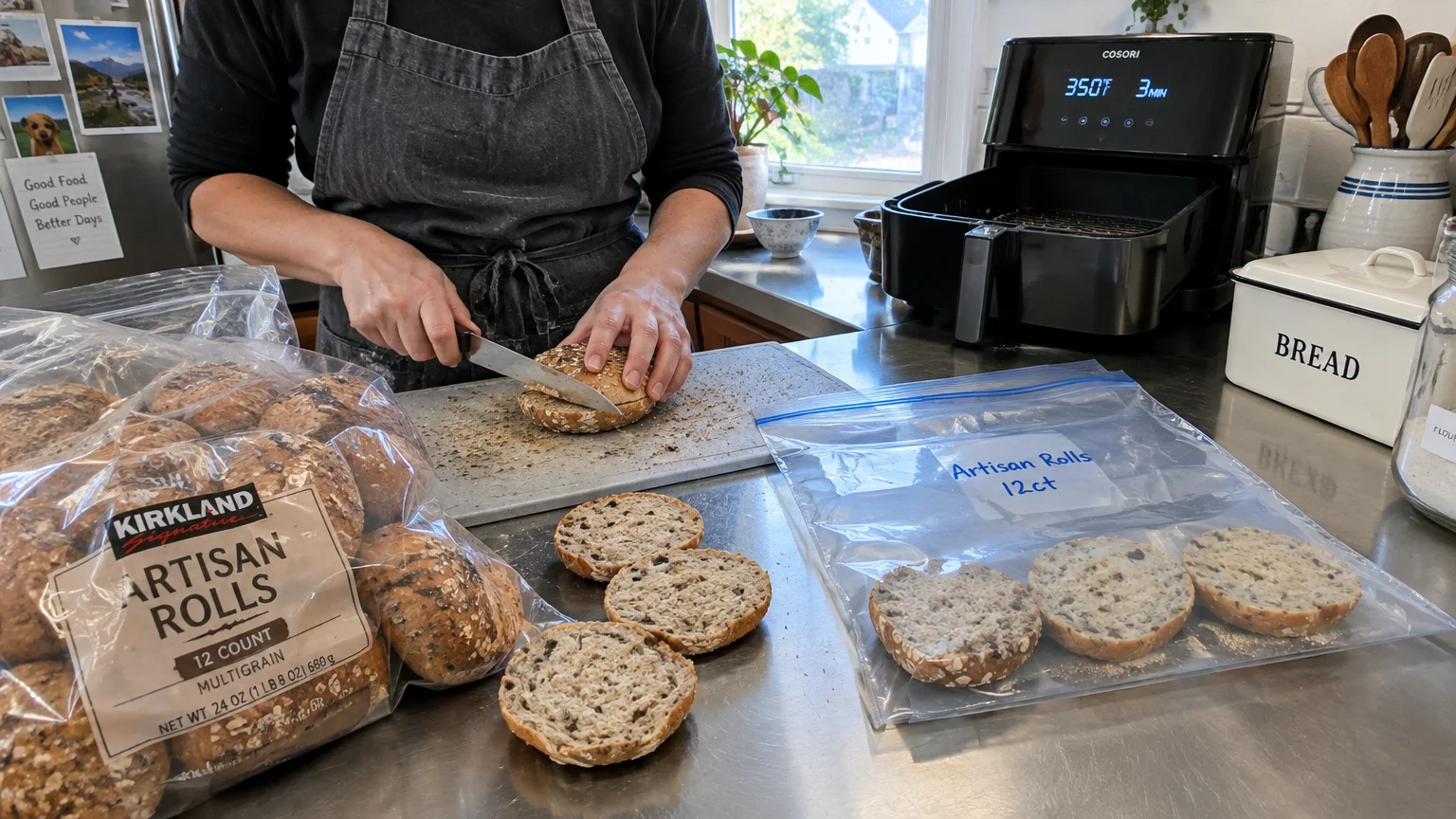
Kirkland Signature Artisan Rolls cost $6.80 for a 12-count bag. That comes out to roughly $0.57 per roll for hearty, restaurant-grade dinner bread.
These multigrain rolls arrive at the warehouse bakery frozen. Skilled staff members bake and package them fresh every single morning.
You get a remarkably clean ingredient deck without artificial preservatives or chemical dough conditioners. This lack of additives gives you genuine old-world bread flavor.
Clean baking comes with an operational catch that catches casual shoppers off guard. These rolls mold quickly at room temperature if you leave them on the counter.
Treat these rolls like fresh dairy or produce rather than shelf-stable white bread. Store them directly in your refrigerator or freezer immediately after unpacking your haul.
For seamless weekday dinners, slice every roll in half horizontally before stashing the bag in your freezer. This simple step lets you toast individual rolls directly from frozen.
Pop frozen roll halves into your toaster or air fryer at 350 degrees for three minutes. You restore that crackling crust and chewy, open crumb effortlessly.
Use these crusty rolls for hearty meatball sliders, breakfast egg sandwiches, or dipping into beef chili. Their structured crust holds up against heavy, wet fillings without turning soggy.
Compare this unit cost against standard artisan bakery rolls at specialty food markets. You routinely pay over a dollar per roll for identical rustic quality.
Buying this twelve-pack gives you premium sandwich bread at rock-bottom wholesale pricing. Just dedicate the freezer space to safeguard your investment from mold.
If you run out of freezer room, store the bag in your refrigerator crisper drawer. Cold temperatures buy you up to two full weeks of usable shelf life.
This simple storage routine turns a potential mold disaster into an unbeatable grocery victory.
Tip #2: Kirkland Signature Butter Croissants
The bakery sells Kirkland Signature Butter Croissants for $6.80 per 12-count box. Select warehouse locations still carry them in-store for just $5.99.
That puts your unit cost at roughly $0.57 per pastry. Even after a minor price increase in early 2025, these pastries remain an exceptional breakfast bargain.
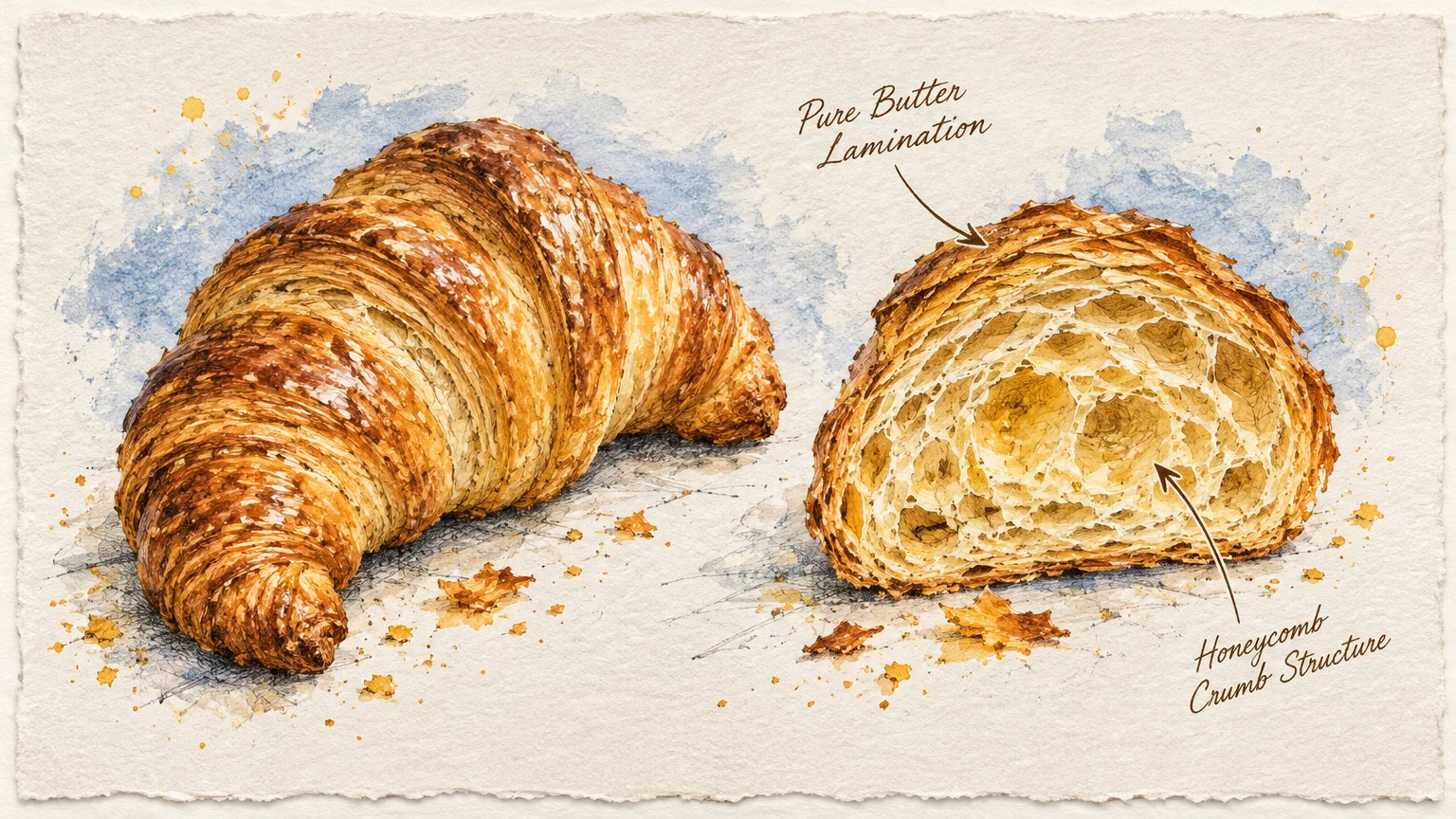
Costco uses authentic butter rather than cheap vegetable shortening or hydrogenated palm oil. That real butter fat creates dozens of distinct, flaky layers with an undeniably rich aroma.
Unlike the artisan rolls, these croissants boast a slightly longer counter shelf life. The high natural butter content acts as a mild moisture barrier that delays drying out.
You should still take protective measures if your household cannot consume twelve pastries within four days. Bread waste destroys bulk savings faster than inflation.
Split the croissants lengthwise with a serrated knife before sliding them into gallon freezer bags. Pre-slicing keeps you from mangling the delicate pastry layers later when frozen solid.
Revive frozen croissants by placing them in an air fryer at 300 degrees for two minutes. The exterior crisps up while the interior returns to soft, buttery perfection.
These pastries easily handle both sweet jams and savory sandwich fillings. Load them with rotisserie chicken salad, smoked ham, or scrambled eggs for diner-worthy meals at home.
Specialty coffee shops routinely charge four dollars or more for a single mediocre croissant. Making your morning sandwich on a Kirkland croissant saves you significant cash each week.
You can also turn stale croissants into decadent French toast or sweet bread pudding. Their rich laminated dough absorbs custard without disintegrating into mush during baking.
Keep a clamshell in your cart whenever you want upscale breakfast options on an everyday budget.
Tip #3: Kirkland Signature Ciabatta Sandwich Rolls
Kirkland Signature Ciabatta Sandwich Rolls arrive in a 12-count bag for $5.99 to $6.80. Pricing fluctuates slightly depending on your regional warehouse and local supply chains.
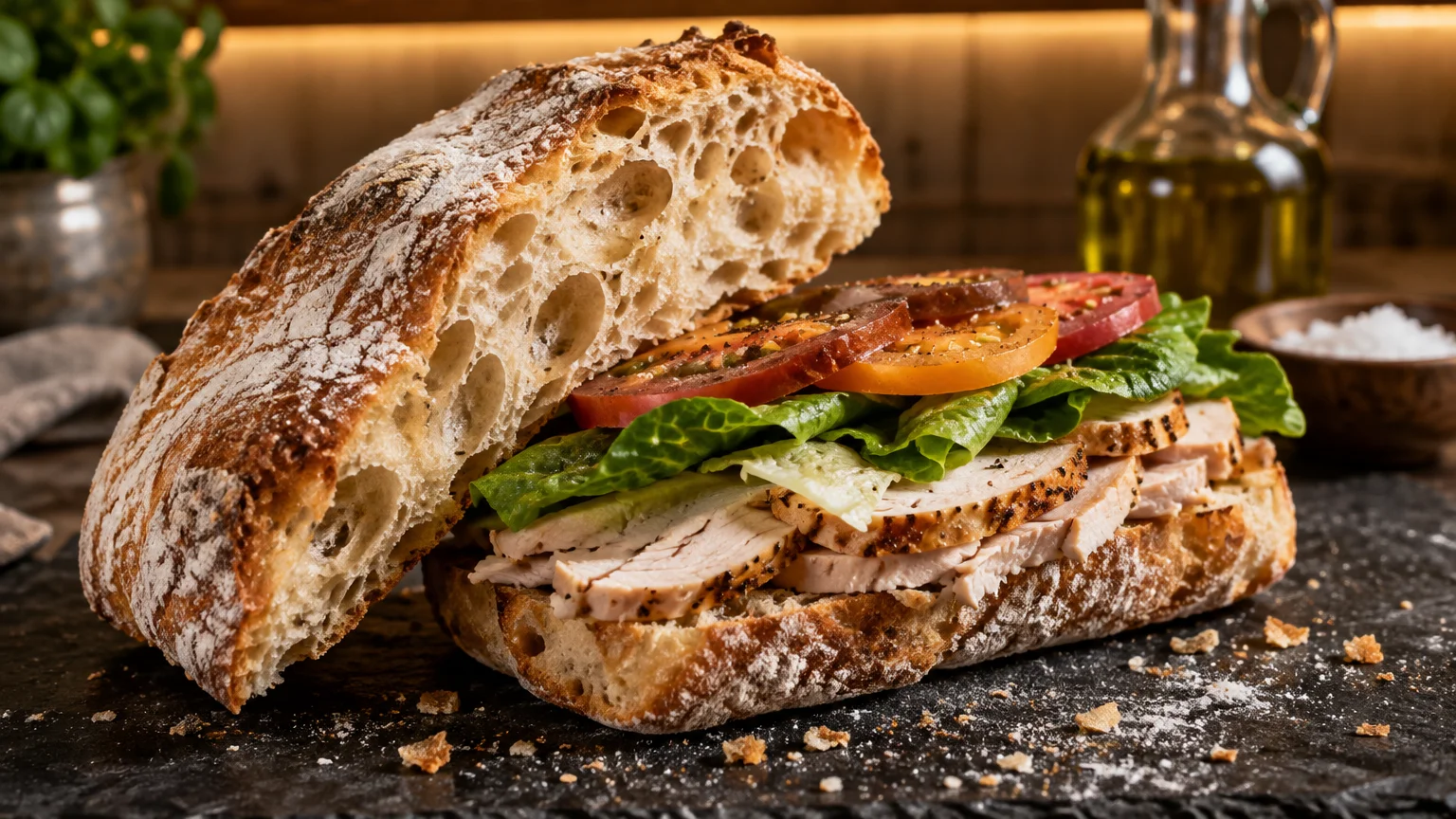
Costco improved these rolls immensely in recent years by selling them pre-sliced. That factory cut saves you prep time and prevents mangled sandwich bread at lunchtime.
The dough features classic Italian ciabatta characteristics, including a flour-dusted crust and irregular air pockets. This sturdy structure resists collapsing under heavy condiments or hot meat juices.
Standard soft burger buns turn to mush under half-pound patties or slow-cooked barbecue pork. These ciabatta rolls hold their structural integrity through the very last bite.
Leverage these rolls for advanced freezer meal-prepping to streamline hectic workdays. You can build complete cold-cut sandwiches with sliced ham and provolone directly inside the rolls.
Wrap the assembled sandwiches tightly in foil and store them inside your freezer. Pull one out in the morning, and it thaws completely by your midday lunch break.
They also perform brilliantly as the base for pressed paninis and gourmet melts. Brush the exterior with olive oil and press in a skillet until crisp and golden brown.
You can even use split ciabatta halves to assemble quick single-serve French bread pizzas. Spoon marinara sauce and mozzarella cheese directly onto the cut surface before broiling.
Commercial sandwich rolls at traditional supermarkets often cost more for half the volume. Costco gives you commercial deli durability at an honest wholesale price.
These rolls belong on your recurring grocery list if you pack daily work lunches.
Tip #4: Kirkland Signature Rosemary Parmesan Loaf
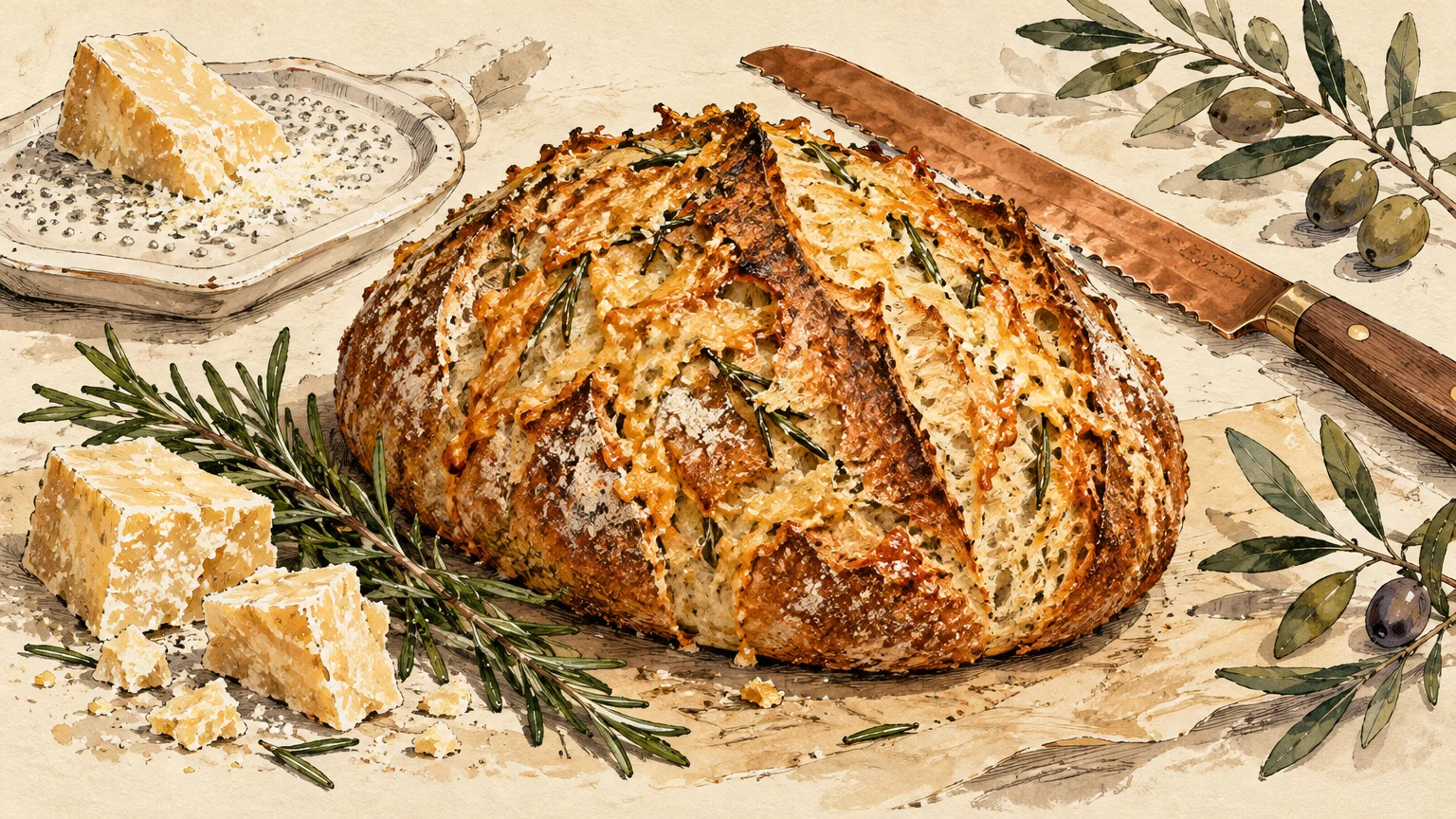
The Kirkland Signature Rosemary Parmesan Loaf sells for $7.99 across warehouse bakeries. This hefty hearth-baked creation weighs a full 2 pounds (32 ounces).
The bakery folds fragrant chopped rosemary directly into the dough before baking. They crown the loaf with a generous crust of melted, golden parmesan cheese.
The aroma hits you the moment you slice through the blistered cheese crust. It brings genuine restaurant luxury directly to your home kitchen without the restaurant markup.
A dense artisan loaf this large requires immediate portion planning to avoid food waste. Never let this loaf sit unattended on your counter in its open packaging.
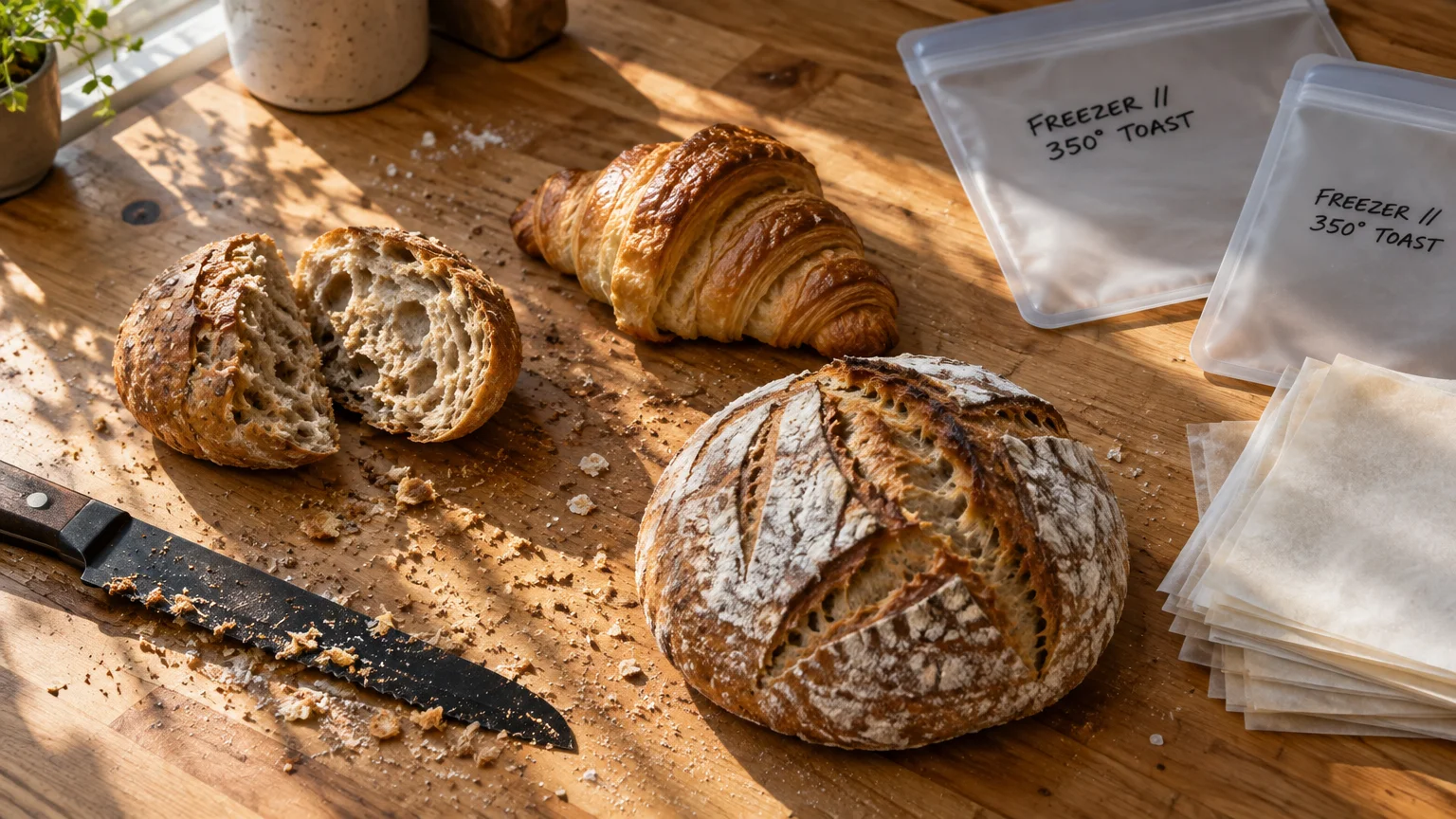
Slice the entire two-pound loaf on a sturdy cutting board the day you bring it home. Use a long serrated knife and saw gently through the thick parmesan crust.
Place sheets of parchment paper between the thick bread slices before packing them into freezer bags. The parchment prevents the cheese-covered edges from freezing into an immovable block.
Toasting a slice releases the aromatic rosemary oils and crisps up the parmesan cheese crust. It turns a basic bowl of canned soup into a fine-dining experience.
Use two thick slices to assemble an extraordinary gourmet grilled cheese sandwich. Sharp cheddar and fontina cheese melt beautifully against the savory, herbed bread interior.
Standalone artisan bakeries easily charge nine or ten dollars for a smaller one-pound specialty loaf. Costco delivers twice that volume for under eight dollars.
This specialty loaf represents one of the strongest flavor investments in the entire warehouse.
Tip #5: Kirkland Signature Cranberry Walnut Round Bread
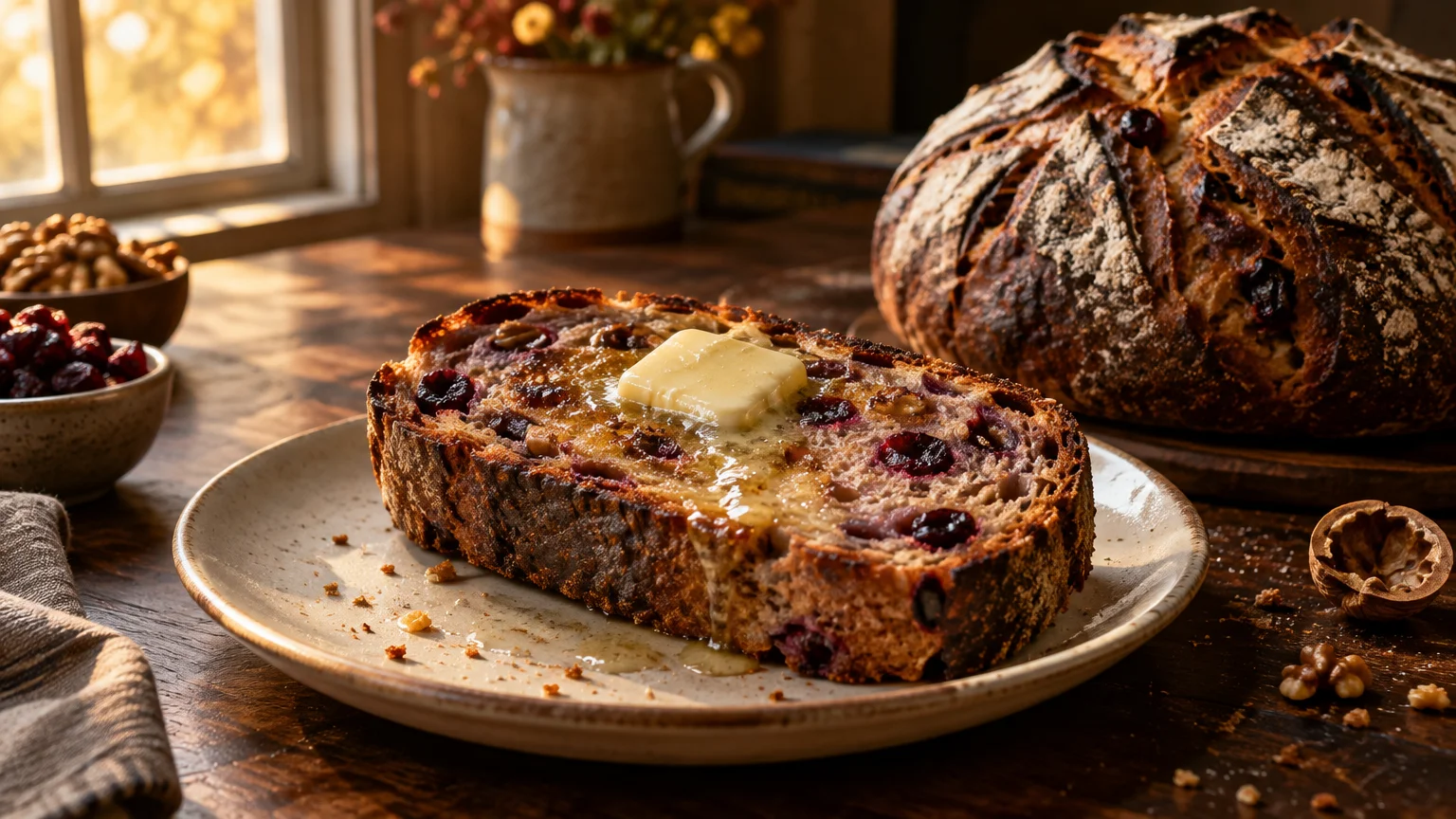
The Kirkland Signature Cranberry Walnut Round Bread costs $7.99 for a massive 2-pound loaf. It packs real whole grains, toasted walnuts, and tart dried cranberries into every bite.
Savvy shoppers routinely purchase multiple round loaves during a single warehouse trip. They slice every loaf immediately and stash the portions in their freezers for year-round breakfasts.
The contrast between earthy walnut pieces and sweet-tart cranberries creates an addictive flavor profile. The dense, chewy crumb provides sustained morning energy without sugar spikes.
Slice this round loaf into uniform, medium-thick portions using a serrated bread knife. The firm crust protects the soft interior, keeping slices neat without shredding the loaf.
Toast a slice until the walnut oils heat up, then spread with salted butter or cream cheese. A drizzle of warm honey elevates this humble bread into an artisan treat.
This whole-grain bread also makes the single best French toast you will ever eat. The dense crumb drinks in egg-and-milk custard without turning soggy or tearing during cooking.
Fry it on a hot buttered griddle until the fruit caramelizes along the crust. You get restaurant-quality weekend brunch at a fraction of local diner pricing.
Buying raw walnuts, dried cranberries, and whole-grain flour to bake this at home costs substantial money. Costco leverages its supply chain to sell you a finished masterwork for $7.99.
Because the loaf is so dense, it resists freezer burn remarkably well over several months. Just seal the sliced bread inside a heavy-duty freezer bag with excess air removed.
This artisan round ranks among the most versatile, budget-friendly breakfast breads you can buy.
Tip #6: Kirkland Signature Rustic Italian Bread
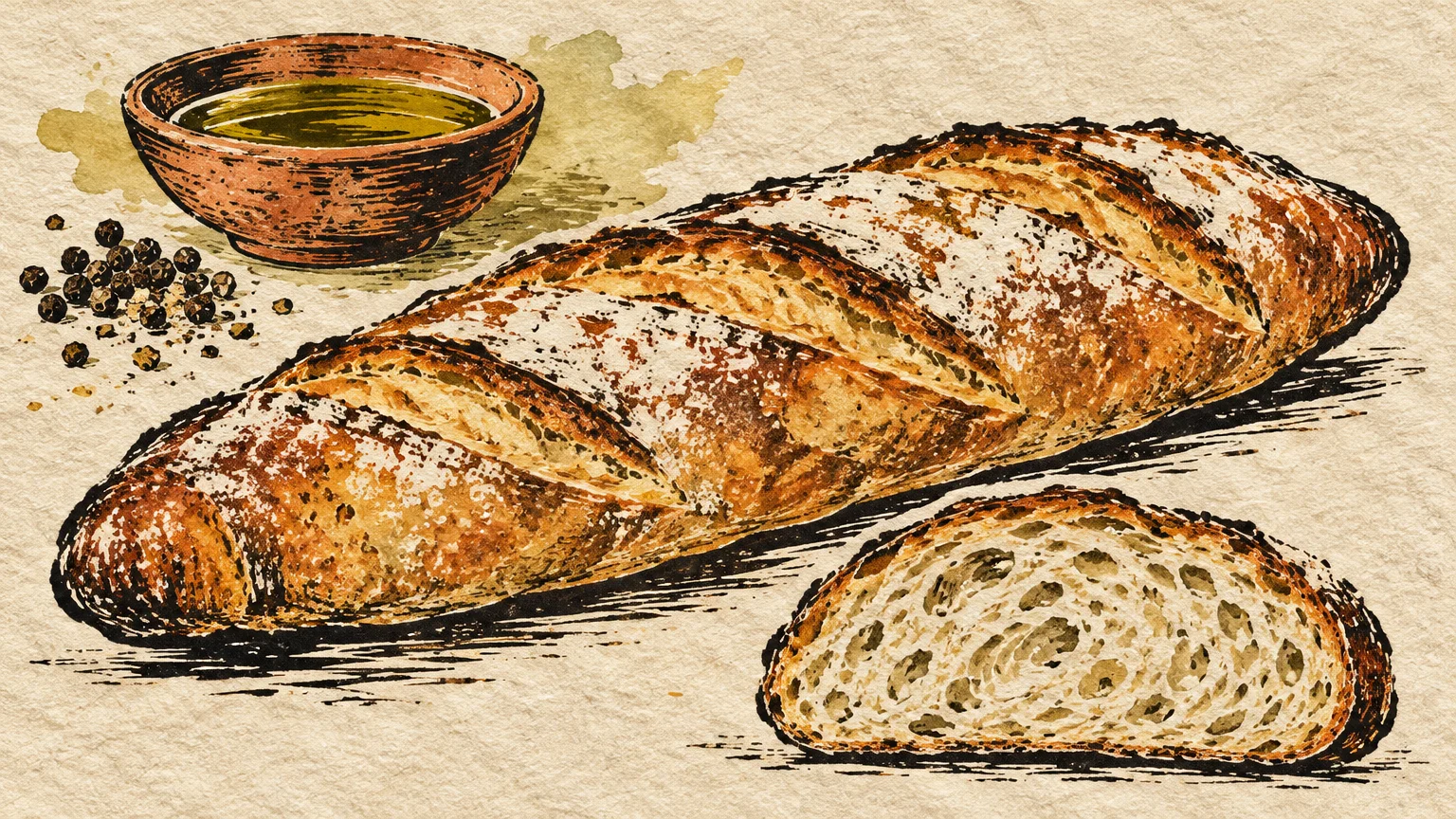
Kirkland Signature Rustic Italian Bread costs between $5.99 and $6.80 for a generous 2-pound (32-ounce) loaf. It delivers classic European table bread at an honest warehouse price.
Costco advertises the loaf at 32 ounces, but warehouse bakers often exceed that standard. Keen shoppers frequently weigh these loaves at home and find they reach up to 2.25 pounds.
Look at the budget math when comparing this loaf against discount grocery competitors. A 16-ounce loaf of Specially Selected Italian bread at Aldi costs $4.39.
You must buy two loaves at Aldi to match Costco’s 32-ounce volume. That means you spend $8.78 at Aldi for the same quantity you get at Costco for $6.80 or less.
This bread features a golden, flour-dusted exterior surrounding an open, chewy crumb structure. It serves as your kitchen workhorse for dipping in olive oil and balsamic vinegar.
Slather thick slices with garlic butter and toast them under your broiler for pasta night. The crust stays crisp while the crumb absorbs melted butter and fragrant herbs.
It also serves as an outstanding base for hearty deli subs or savory breakfast avocado toast. The sturdy structure supports juicy tomatoes and wet mozzarella without disintegrating.
When the loaf begins drying out after several days, do not throw the leftovers away. Cube the remaining bread, toss with olive oil and sea salt, and bake crunchy homemade croutons.
You can also pulse stale pieces in a food processor for premium seasoned breadcrumbs. Utilizing every crumb guarantees you extract absolute maximum value from every dollar spent.
For sheer volume and everyday utility, this Italian loaf beats conventional supermarket bread hands down.
Tip #7: Skip the Kirkland Signature Baguette
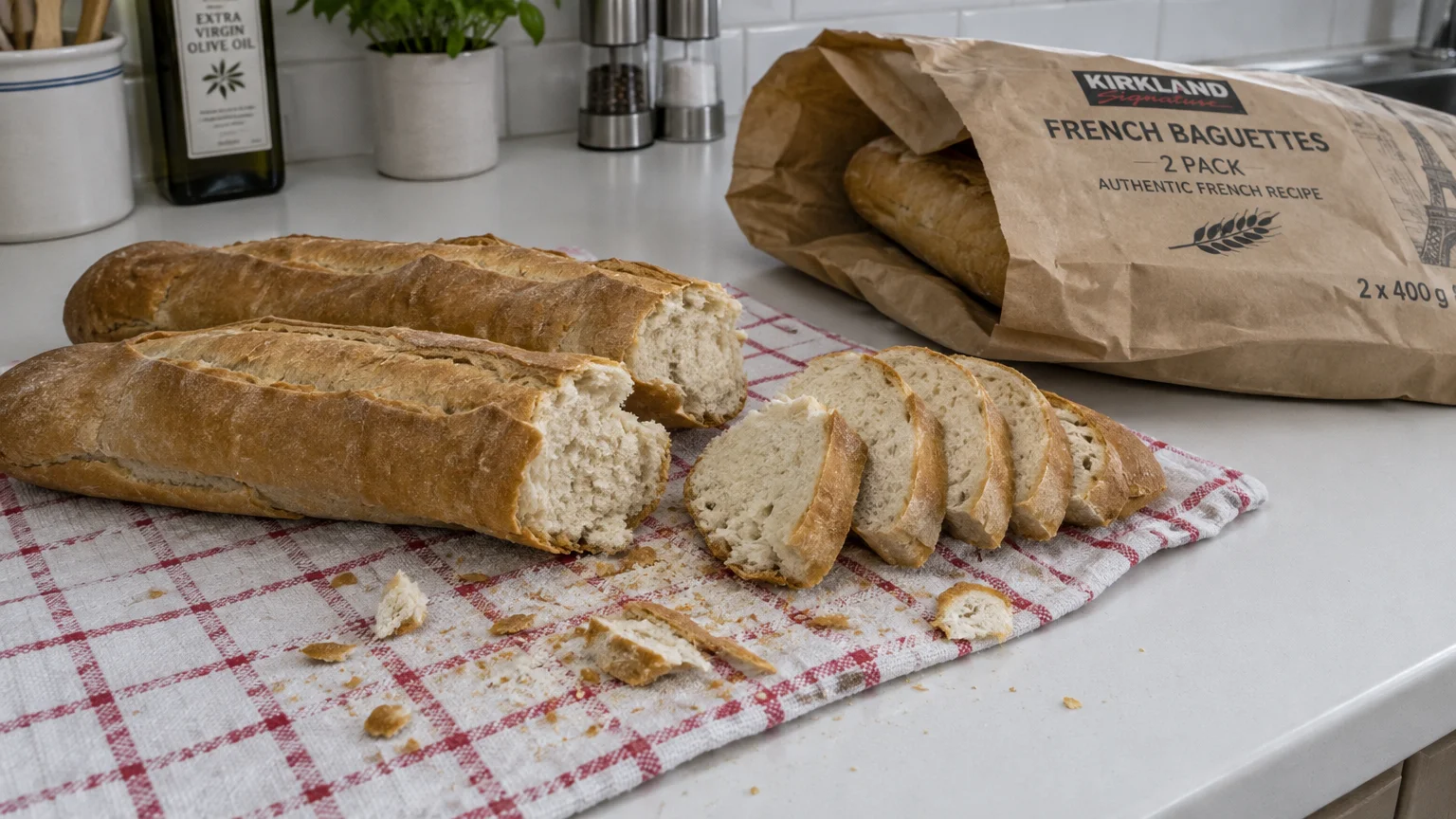
Kirkland Signature Baguettes sell as a 2-pack for $5.66, or $4.99 in-store at select locations. That low sticker price lures many shoppers into making a disappointing purchase.
You should leave these twin baguettes on the display rack and walk away. They represent one of the most frustrating quality misfires in the entire bakery department.
An authentic French baguette requires a delicate, crispy crust and an open, airy, honeycomb crumb. The Costco version consistently misses both technical benchmarks.
Shoppers frequently report an overly dense, doughy interior that feels heavy rather than light. The crumb lacks the distinctive fermentation bubbles that give traditional baguettes their signature texture.
The flavor profile is equally underwhelming. Many buyers describe the taste as bland, pale, and surprisingly watery, lacking the subtle sour depth of slowly fermented dough.
The crust behaves terribly once you bring the baguettes home from the warehouse. Within hours, the outer shell turns rubbery, and by morning it becomes unpleasantly hard and dry.
Trying to refresh these baguettes in a hot oven rarely solves the underlying structural problem. The bread often dries out into an abrasive, jaw-tiring brick instead of regaining its crispness.
You end up wasting half the package because chewing through stale, dense bread is miserable. Buying cheap bread that ends up in the compost bin is never a frugal choice.
Spend your bakery dollars on the Artisan Rolls or Ciabatta Rolls instead. Those options deliver far better crumb structure, superior moisture retention, and vastly better value per bite.
Skip the warehouse baguettes and save your grocery budget for items that actually taste great.
Tip #8: Skip the Kirkland Signature Everything Bagels
Kirkland Signature Everything Bagels cost $5.66 for an 8-count package online. Warehouses often sell bagels as a 2-pack of 6-count bags for $7.99 in-store.
While the bulk price looks enticing, seasoned bagel fans should steer clear of this blend. The recipe suffers from serious seasoning miscalculations that ruin the flavor profile.
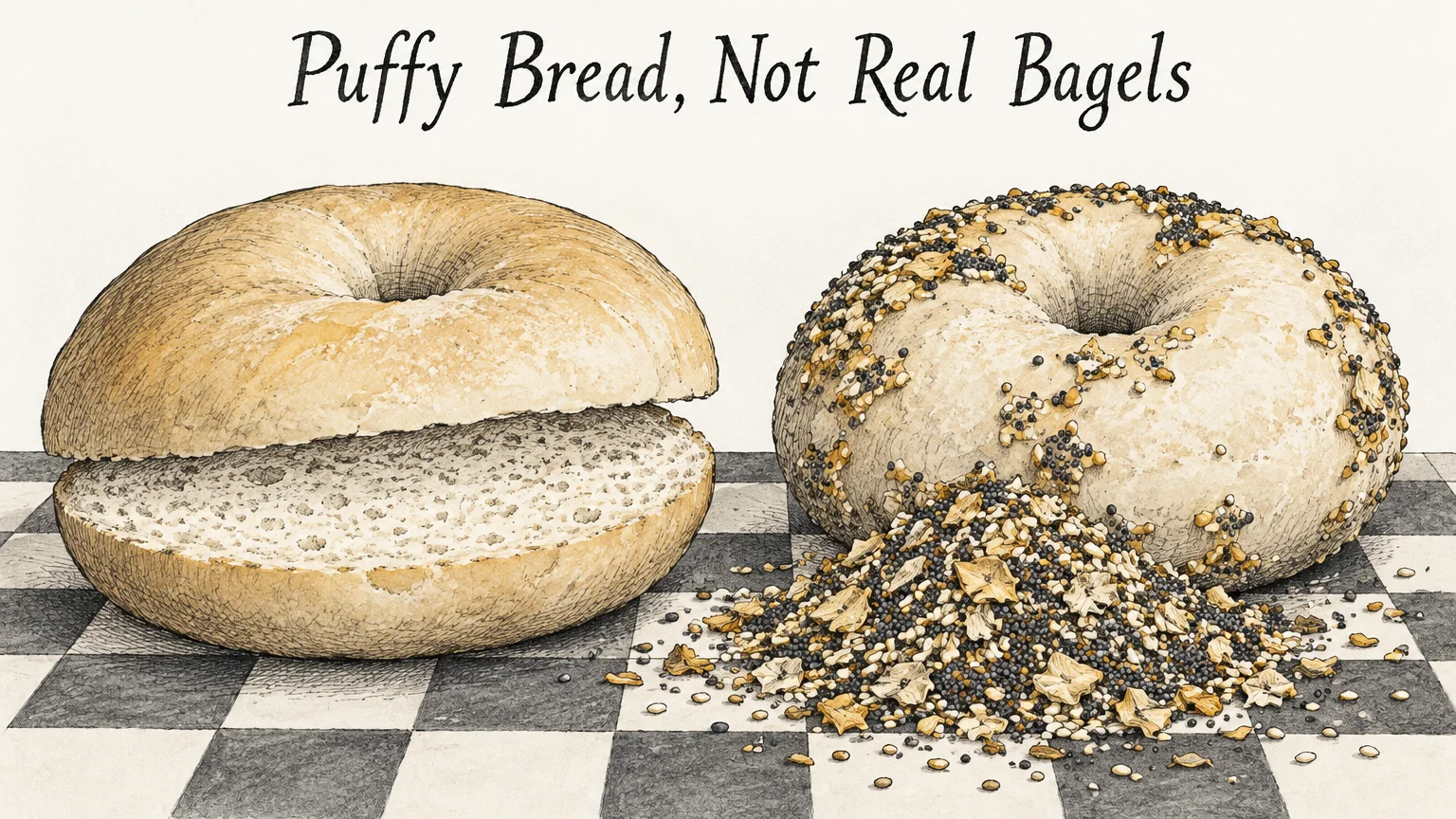
Traditional everything seasoning focuses on dried garlic, toasted onion, poppy seeds, sesame seeds, and salt. Costco heavily overpowers its seasoning blend with intense fennel seeds and pungent caraway seeds.
That aggressive licorice-like seed combination clashes violently with sweet cream cheese and breakfast egg sandwiches. The unusual spice blend leaves many shoppers feeling misled and deeply disappointed.
The texture also fails the authentic bagel test. Instead of a glossy crust and chewy interior, these bagels feel like ordinary round sandwich bread with a hole.
They lack the unmistakable dense resistance you get from kettle-boiled, hearth-baked dough. If you want genuine chewy bagels, you will not find them in this bulk bag.
These bulk bagels also mold remarkably fast at room temperature. Unless you slice and freeze both bags within forty-eight hours, mold spores claim half your purchase.
Watch out for seasonal traps in the bakery aisle as well. Experienced shoppers routinely advise skipping the seasonal Cherry Berry Sourdough Bread with Pecans.
That seasonal sourdough carries an inflated price tag and delivers a surprisingly dry, crumbly texture. The tart fruit and pecan mix sounds gourmet, but the execution falls flat.
Stick to classic local bagel shops when you crave authentic morning bagels. Wasting money on poorly spiced warehouse bagels only hurts your household grocery budget.
Protect your hard-earned dollars by skipping these two bakery missteps on your next shopping run.
The Bottom Line: What This Means for Your Wallet
Managing your family food budget requires balancing unit costs against actual household consumption. Costco offers up to 147 different bread options across its regional online listings.
You must remember that bakery prices and availability fluctuate based on your local warehouse. In-warehouse prices are generally lower than online or Instacart delivery prices, like $5.99 versus $6.80.
Shopping inside the warehouse protects you from marked-up digital delivery rates. Those extra delivery fees and service charges silently drain your potential bulk savings over time.
Buying bulk bakery goods only saves you money if your kitchen systems prevent spoilage. Commercial-scale loaves lack artificial preservatives, meaning room temperature air is your primary enemy.
Invest in gallon-sized freezer bags and slice every loaf the day you buy it. Pre-slicing allows you to thaw single portions on demand while keeping the rest protected.
Never buy a bakery item simply because the price-per-pound appears shockingly cheap. A bargain baguette or poorly seasoned bagel that gets discarded represents wasted cash.
Focus your spending on high-density winners like the Artisan Rolls, Ciabatta, and Italian Loaf. These versatile workhorses stretch dinner budgets and deliver restaurant-grade flavor at home.
By curating your cart and dodging inferior items, you conquer the Costco bakery aisle. Smart discipline keeps your pantry stocked and your hard-earned money in your wallet.
Frequently Asked Questions
How do you freeze Costco bread without getting freezer burn?
Slice the loaf or rolls completely before placing them into heavy-duty freezer bags. Pre-slicing allows you to extract single servings without thawing the entire package.
Press all excess air out of the bag before zipping it tightly closed. Place parchment paper between slices of sticky breads like the Rosemary Parmesan loaf.
When you want a slice, toast it directly from frozen for three to five minutes. This locks in moisture and completely restores the original fresh-baked texture.
Why does Costco bakery bread mold faster than standard grocery bread?
Costco bakes its artisan loaves without artificial preservatives, calcium propionate, or chemical shelf-life extenders. Commercial sandwich breads use these additives to remain soft for weeks on end.
This clean ingredient deck means fresh moisture quickly attracts ambient mold spores at room temperature. Storing your bread in the refrigerator or freezer prevents mold from growing.
Is in-warehouse bread cheaper than buying through Costco delivery or Instacart?
Yes, buying your bread inside the physical warehouse is noticeably cheaper than ordering online. Instacart and Costco delivery services add markups to cover labor and fulfillment.
For example, items priced at $5.99 in-warehouse frequently cost $6.80 or more through digital delivery apps. Shopping in person ensures you capture the maximum possible savings.
What should you do with stale Costco artisan bread?
Transform dry artisan bread into crunchy homemade croutons or rich breadcrumbs instead of tossing it. Toss diced bread cubes in olive oil, garlic powder, and Italian herbs.
Bake the cubes at 350 degrees for twelve minutes until crisp and golden brown. You eliminate kitchen waste while creating premium soup and salad toppers for pennies.
For consumer protection information, visit the Federal Trade Commission (FTC) and the Consumer Financial Protection Bureau (CFPB). For product safety and reviews, consult Consumer Reports.
Disclaimer: This article is for informational purposes only and does not constitute financial advice. The content reflects the author’s opinion and research at the time of writing.
Always do your own research before making financial decisions.