
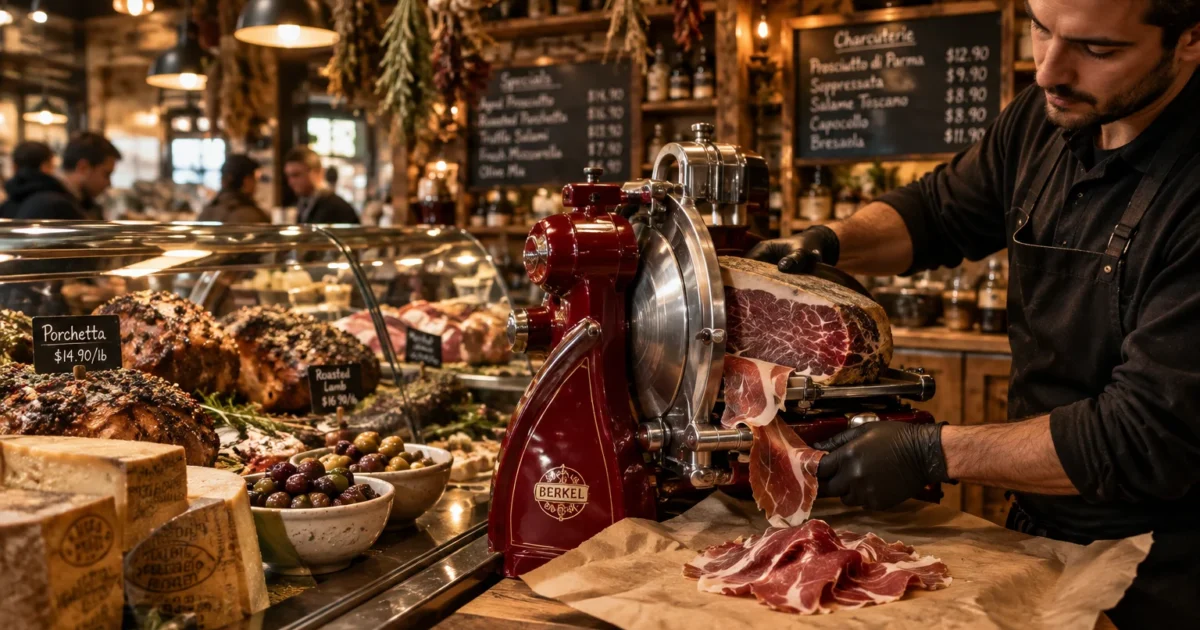
Skipping the deli counter to buy pre-packaged lunch meat seems thrifty, but it often wastes your hard-earned cash. You pay premium prices for sodium-soaked water weight and rubbery fillers that spoil days before you can finish them.
Heading straight to the service slicer unlocks superior quality, customizable portions, and genuine grocery deli value. Freshly cut meats and artisanal cheeses deliver richer flavor, meaning you actually consume less to feel satisfied.
Knowing exactly which items justify the higher sticker price keeps your grocery budget balanced and your meals delicious. Here are ten grocery splurges from behind the glass that give you unmatched culinary value.
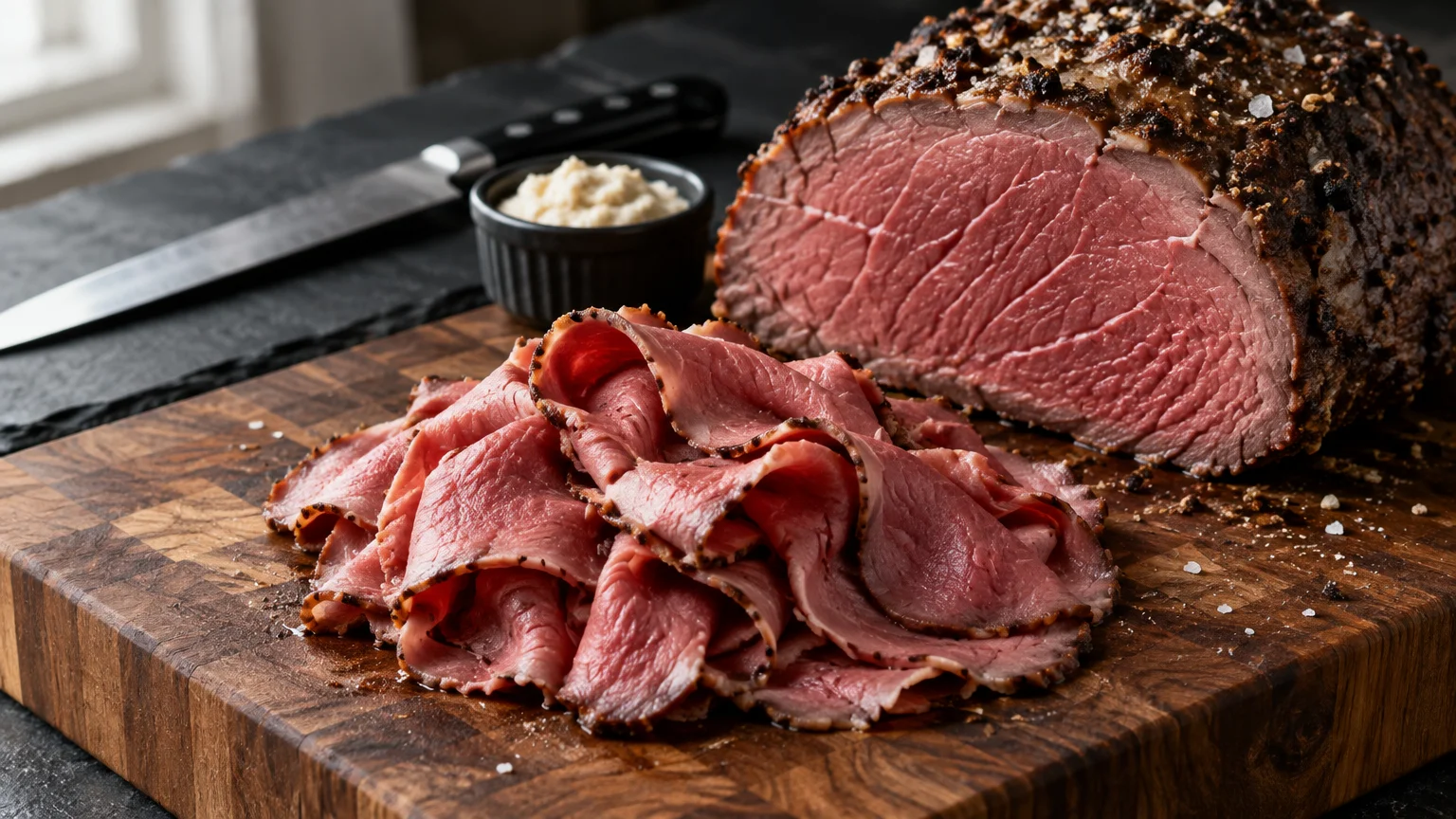
Tip #1: Whole-Muscle Roast Beef
Most pre-packaged roast beef resembles compressed mystery meat rather than carved steak. Processors inject cheap cuts with sodium phosphates, modified cornstarch, and water to inflate package weights artificially.
When you open those sealed plastic tubs, you pay for flavored liquid instead of lean protein. You also swallow a gummy texture that ruins your sandwich.
Deli counter roast beef features whole, identifiable muscle cuts seasoned and roasted in-house. You can see the actual grain of the meat and the caramelized outer crust.
Ask the clerk to slice it shaved or paper-thin for maximum tenderness. Slicing it freshly aerates the meat and releases its natural juices immediately.
You need only three ounces of freshly carved beef to build a satisfying, restaurant-grade sandwich. Two pre-packaged slices rarely satisfy your hunger because they lack true beef density.
While the price tag per pound looks higher, you stop paying for water weight. That makes whole roast beef a genuine grocery deli value.
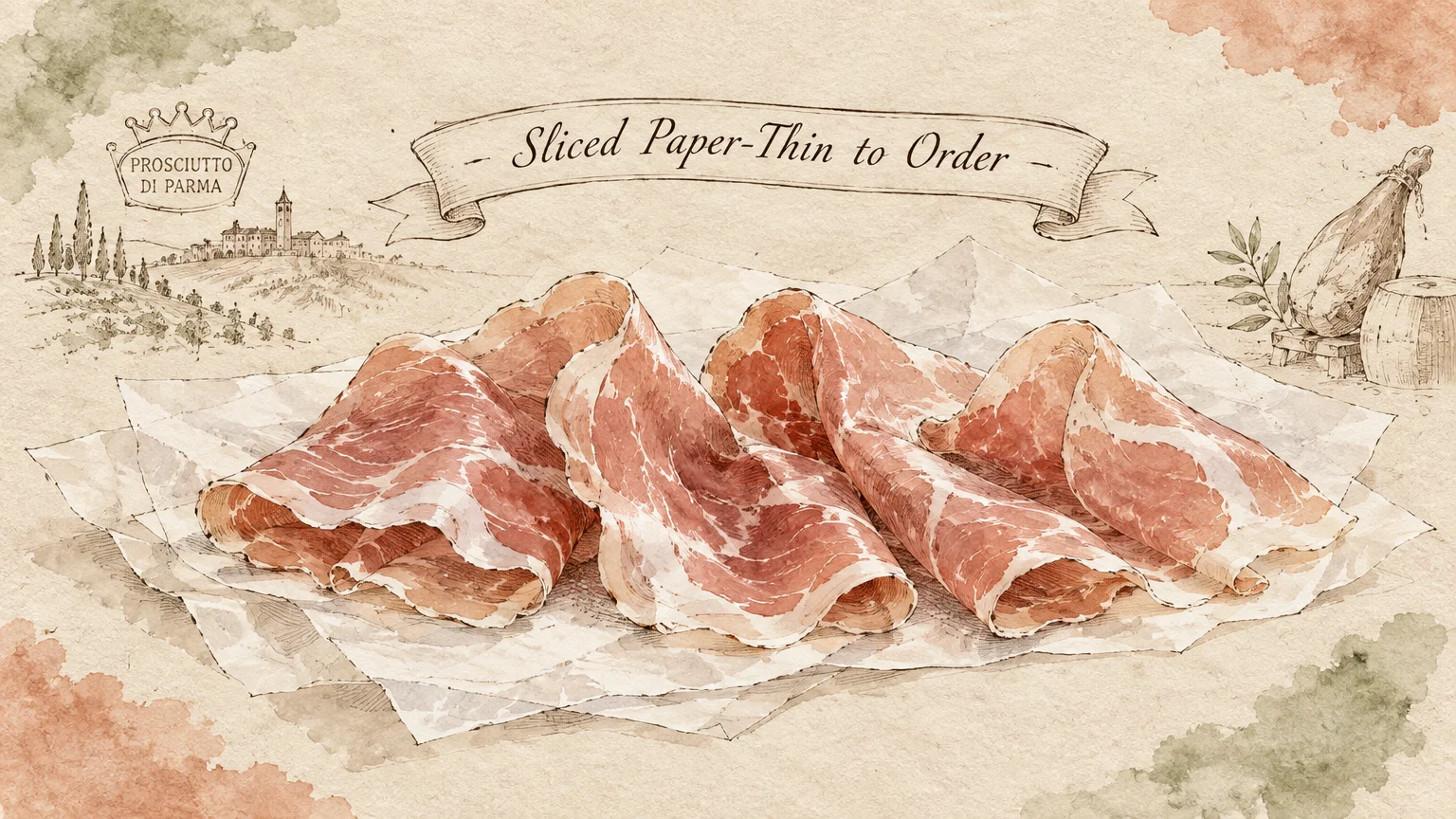
Tip #2: Imported Prosciutto di Parma
Pre-packaged prosciutto turns leathery, salty, and stiff inside vacuum-sealed plastic pouches. Oxygen deprivation and plastic contact strip away the delicate pork fat’s nutty aroma.
Deli clerks slice prosciutto to order on specialized, ultra-sharp deli slicers. They shave it so thin that the cured meat practically melts on your tongue.
Thin slicing drastically alters how your palate experiences cured pork. Thick factory-cut slices taste aggressively salty and chew like shoe leather.
Buying from the deli counter also eliminates costly product waste. You can request exactly four slices for an evening appetizer rather than buying an entire eight-ounce pack.
This targeted portion control keeps your overall grocery splurges within your weekly budget. You savor authentic Italian craftsmanship without letting spoiled leftovers rot in your refrigerator drawer.
Always ask the clerk to separate the delicate ribbons with butcher wax paper. This simple step keeps the slices intact until you serve them at home.
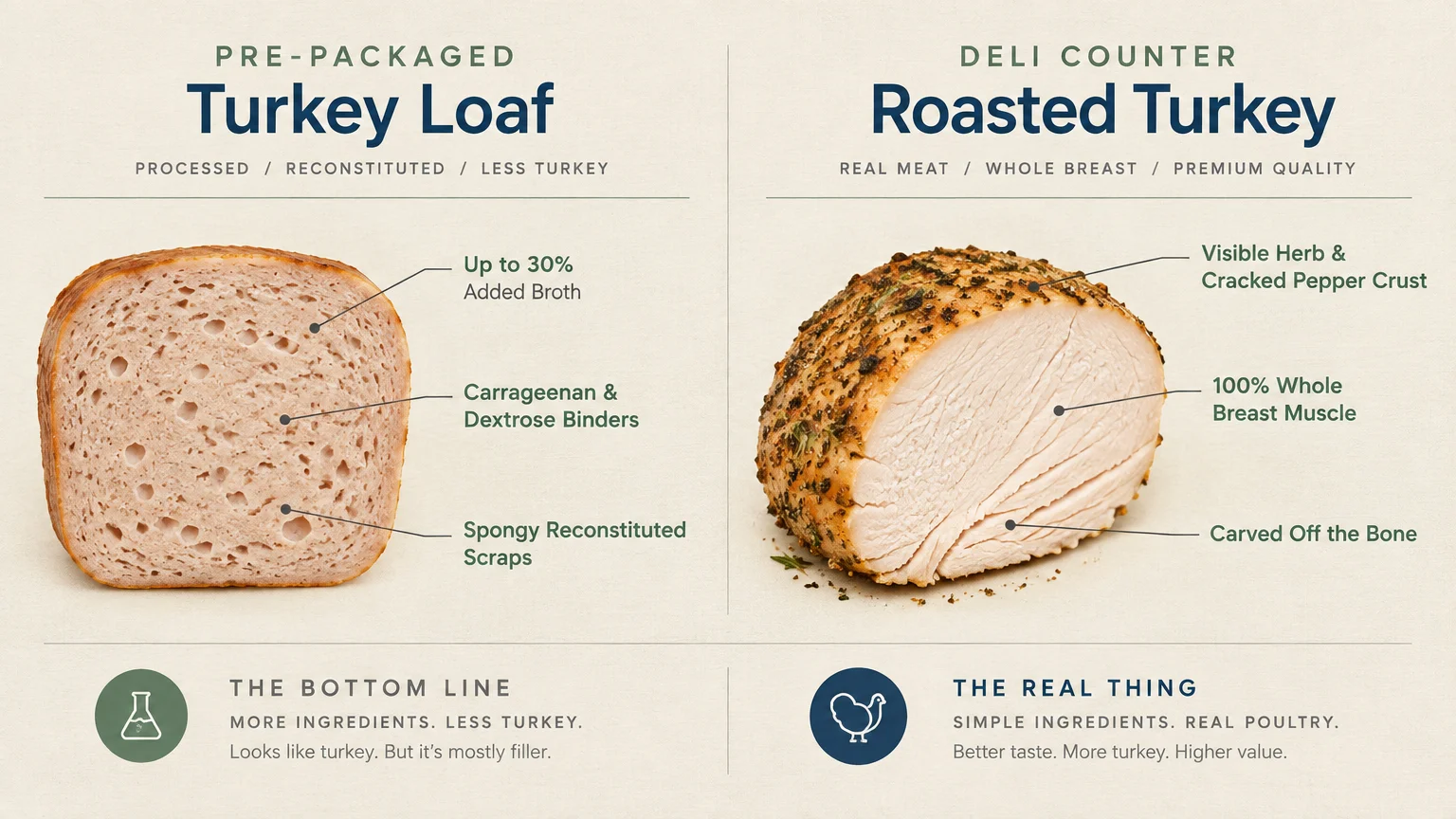
Tip #3: Fresh Roasted Turkey Breast
Check the ingredient deck on standard pre-packaged turkey breast in the dairy aisle. You will find carrageenan, dextrose, potassium lactate, and up to thirty percent added broth.
Factory processors bind poultry scraps together into an artificial loaf to maximize corporate profits. You end up buying a rubbery sponge masquerading as poultry.
Premium deli counter turkey comes from whole, seasoned bird breasts roasted slowly off the bone. It delivers clean, roasted flavor with zero slimy chemical film.
Because real turkey lacks artificial binders, it holds its structure naturally under a sharp knife. You get wholesome slices that taste like Thanksgiving dinner year-round.
Look for varieties with visible cracked pepper, herb crusts, or brown maple glazes. These artisanal seasonings elevate humble lunches into gourmet meals.
Slicing to your exact preference—whether thick for hearty carving or thin for wraps—maximizes meal versatility. You gain clean fuel for your body without paying for diluted meat weight.
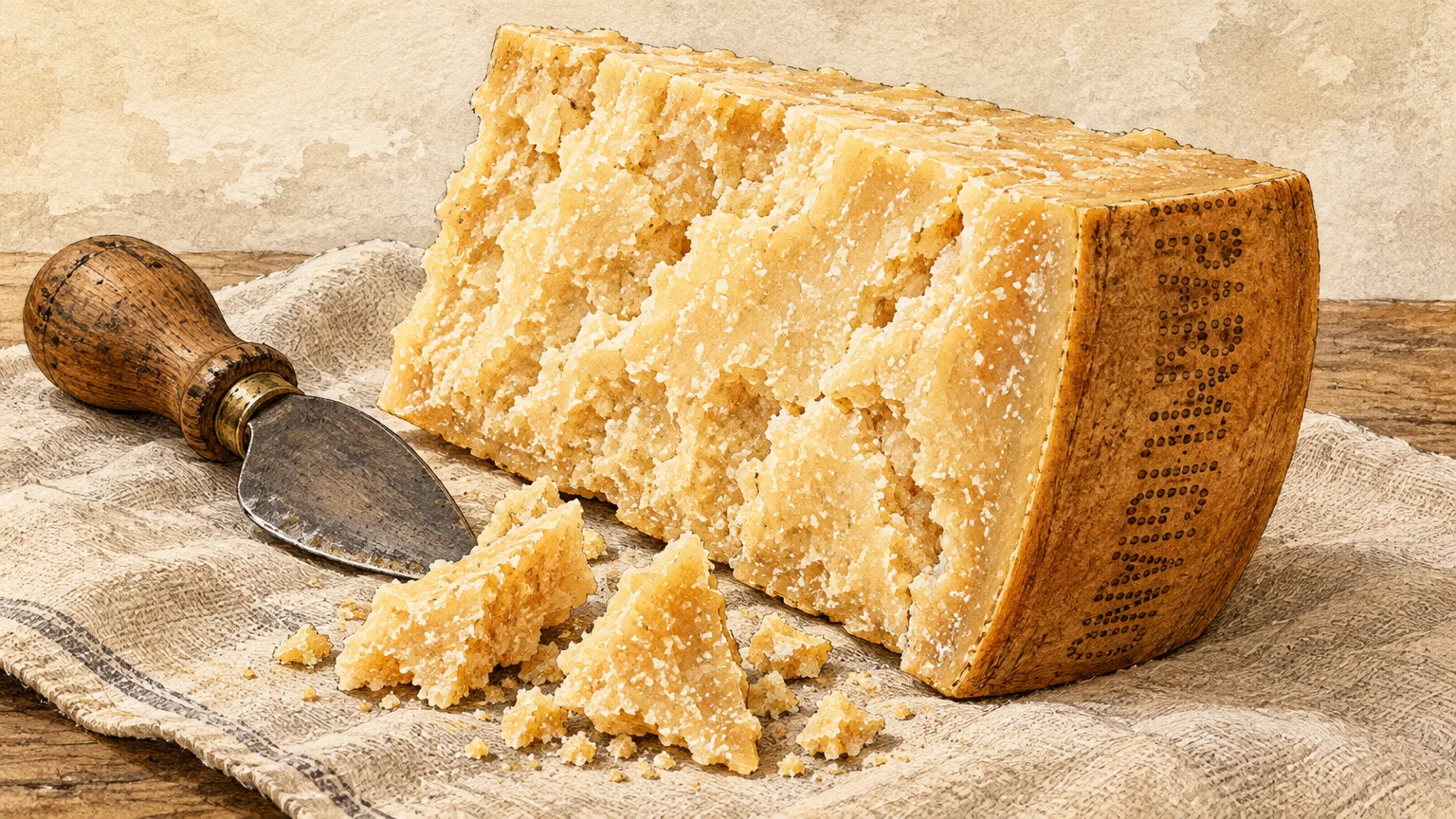
Tip #4: Authentic Parmigiano-Reggiano Wedges
Pre-shredded parmesan canisters contain cellulose powder to prevent cheese clumps from sticking together. This wood pulp additive prevents smooth melting and dulls the cheese’s natural sharpness.
The deli counter stocks authentic Parmigiano-Reggiano wheels stamped with DOP certifications from Italy. These aged wheels offer deep umami flavor and delightful crunchy tyrosine crystals.
A single small wedge lasts months in your refrigerator when stored properly in parchment paper. Because the flavor is so intense, a microplaned tablespoon transforms an entire pasta dish.
Smart shoppers also ask deli clerks for leftover cheese rinds at steep discounts. These hardened ends cost pennies yet impart rich savory depth to soups and sauces.
Simply drop a clean rind into simmering minestrone or tomato stew. The melting rind enriches your broth with unmatched savory decadence before you discard it.
Investing in real deli cheese saves money over time because small portions deliver massive impact. Cheap dairy substitutes only waste your grocery budget on bland calories.
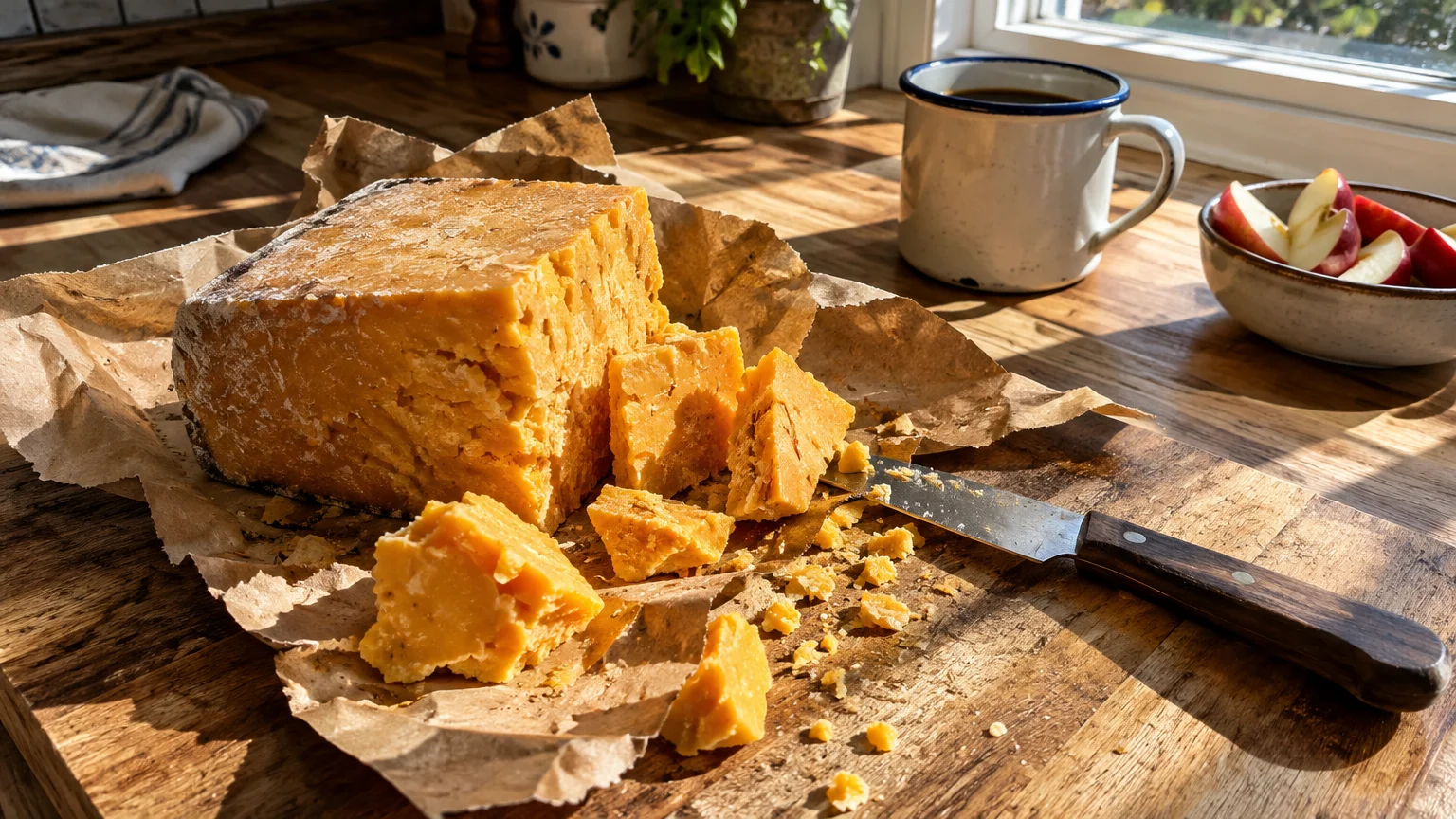
Tip #5: Aged Farmhouse Sharp Cheddar
Cheap plastic-wrapped cheddar often relies on artificial annatto dyes and rapid aging enzymes. It tastes flat, feels rubbery, and leaves an oily film on warm bread.
The service deli carries vintage white cheddars aged two to five years. Natural aging cures out moisture, concentrating the complex lactic acid and rich butterfat.
You do not need half a block to taste real aged cheddar. A thin crumbly slice over an egg sandwich delivers an unmistakable tangy punch.
Request exact weights, such as a third of a pound, to keep expenditures low. Pre-packaged blocks force you into standard sizes that often dry out before consumption.
Try pairing sharp farmhouse cheddar with tart green apples or whole-grain crackers. The bold contrast provides a luxury snacking experience for a fraction of restaurant prices.
Quality deli meats and cheeses provide genuine culinary satisfaction that stops impulsive evening snacking. Pay slightly more at the counter to eat far better at home.
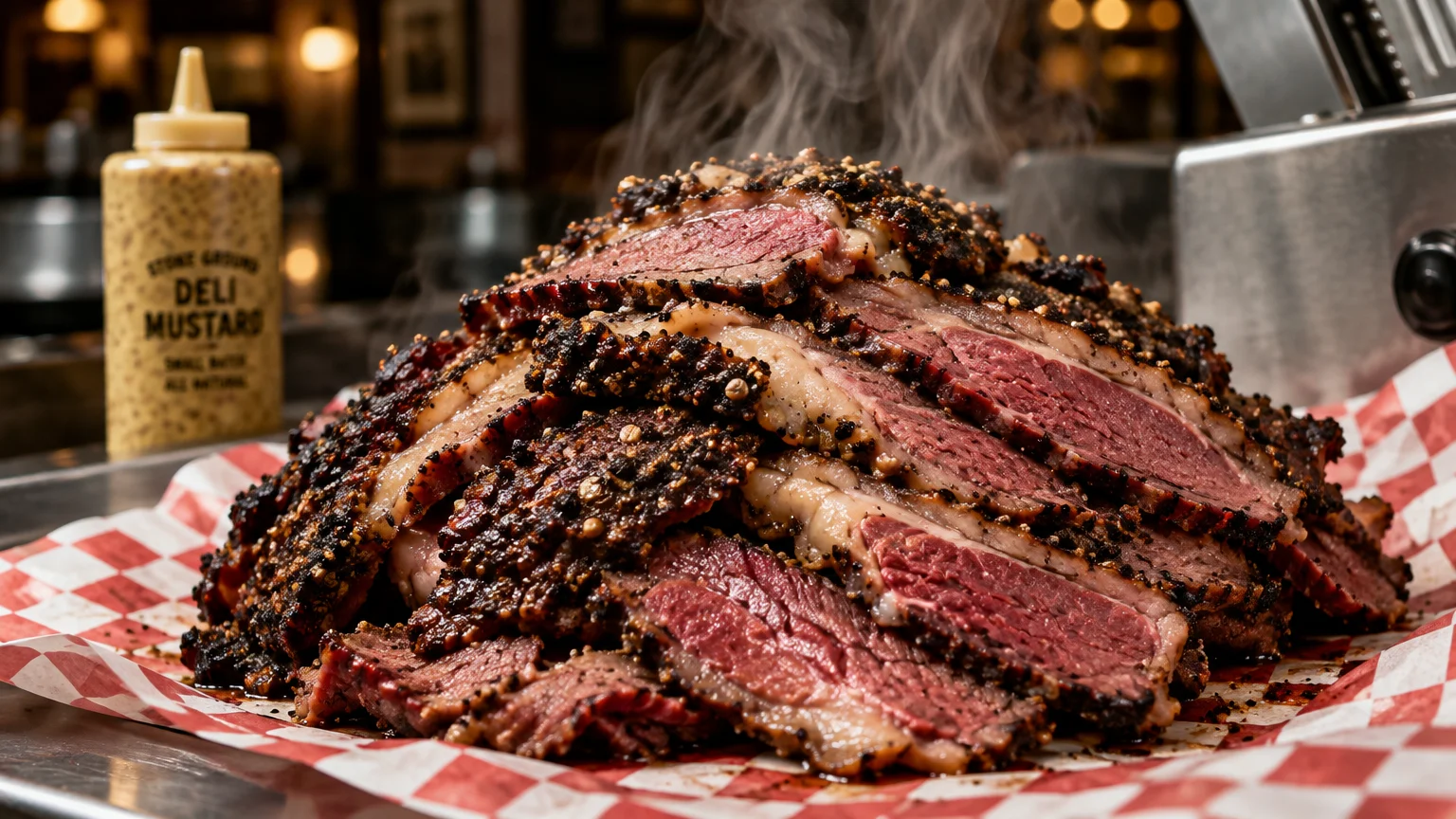
Tip #6: Authentic Pastrami and Corned Beef
Packaged pastrami from grocery shelves tastes primarily like salt water and artificial smoke. It lacks the rich peppercorn bark and marbled brisket fat that define genuine Jewish delicatessen classics.
Service delis steam and carve whole cured briskets with tender, rendered fat veins. This delicate rendering gives the meat its melt-in-your-mouth tenderness and complex spiced aroma.
A traditional deli pastrami sandwich at a sit-down restaurant often costs upwards of twenty-five dollars. You can easily duplicate that iconic meal at home for less than six dollars.
Ask for your pastrami sliced medium-thin across the grain to preserve moisture during reheating. Steam the sliced meat gently in a skillet with a splash of water before serving.
Pile it onto seeded rye bread with spicy brown mustard and melted Swiss cheese. You will never purchase bland packaged pastrami again once you taste authentic counter cuts.
This simple at-home upgrade keeps your dining-out cravings under control and saves your family money. Making restaurant-quality meals at home remains the ultimate frugal strategy.
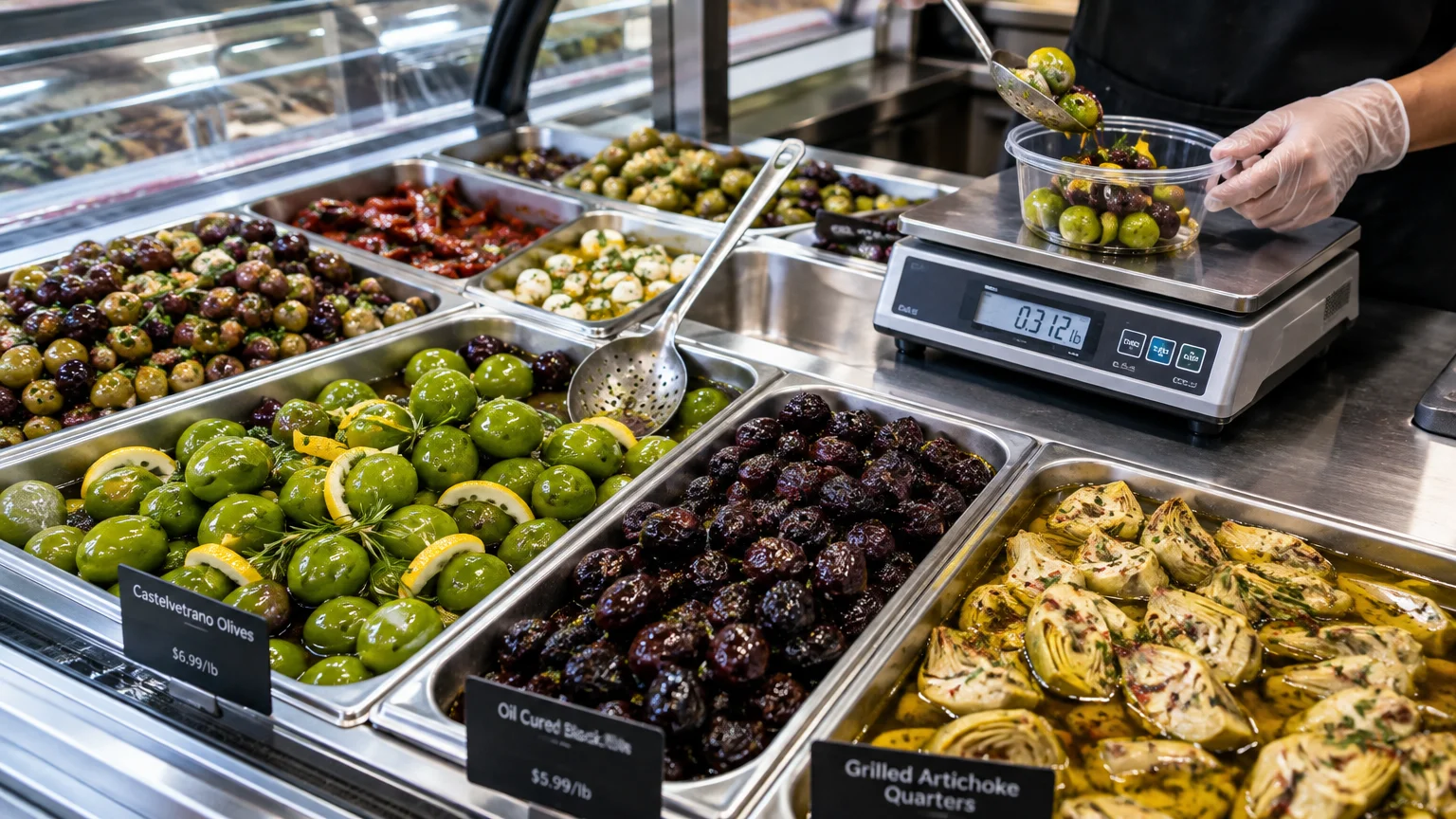
Tip #7: Fresh Bulk Olives and Antipasti
Standard canned or jarred olives soak in harsh vinegar brines that destroy delicate fruit textures. They end up mushy, metallic, and overwhelmingly sour.
Deli olive bars offer Castlevetrano, Kalamata, and Cerignola varieties bathed in extra virgin olive oil and fresh herbs. The olives retain their firm, buttery crunch and nuanced fruity profiles.
Buying from the bulk bar gives you complete control over your purchase volume. You can scoop exactly ten olives for a tapenade recipe instead of hoarding unwanted jars.
Be sure to drain excess oil back into the display tub using the slotted spoon. Paying by weight means you should only purchase the fruit, not heavy liquid pools.
Mix marinated artichoke hearts, roasted garlic cloves, and stuffed pepperoncini for an instant charcuterie board. This custom blend upgrades simple weeknight dinners into festive gourmet feasts.
Zero waste and superior freshness make the olive bar a prime example of grocery deli value. Your tastebuds and wallet will both thank you for skipping canned alternatives.
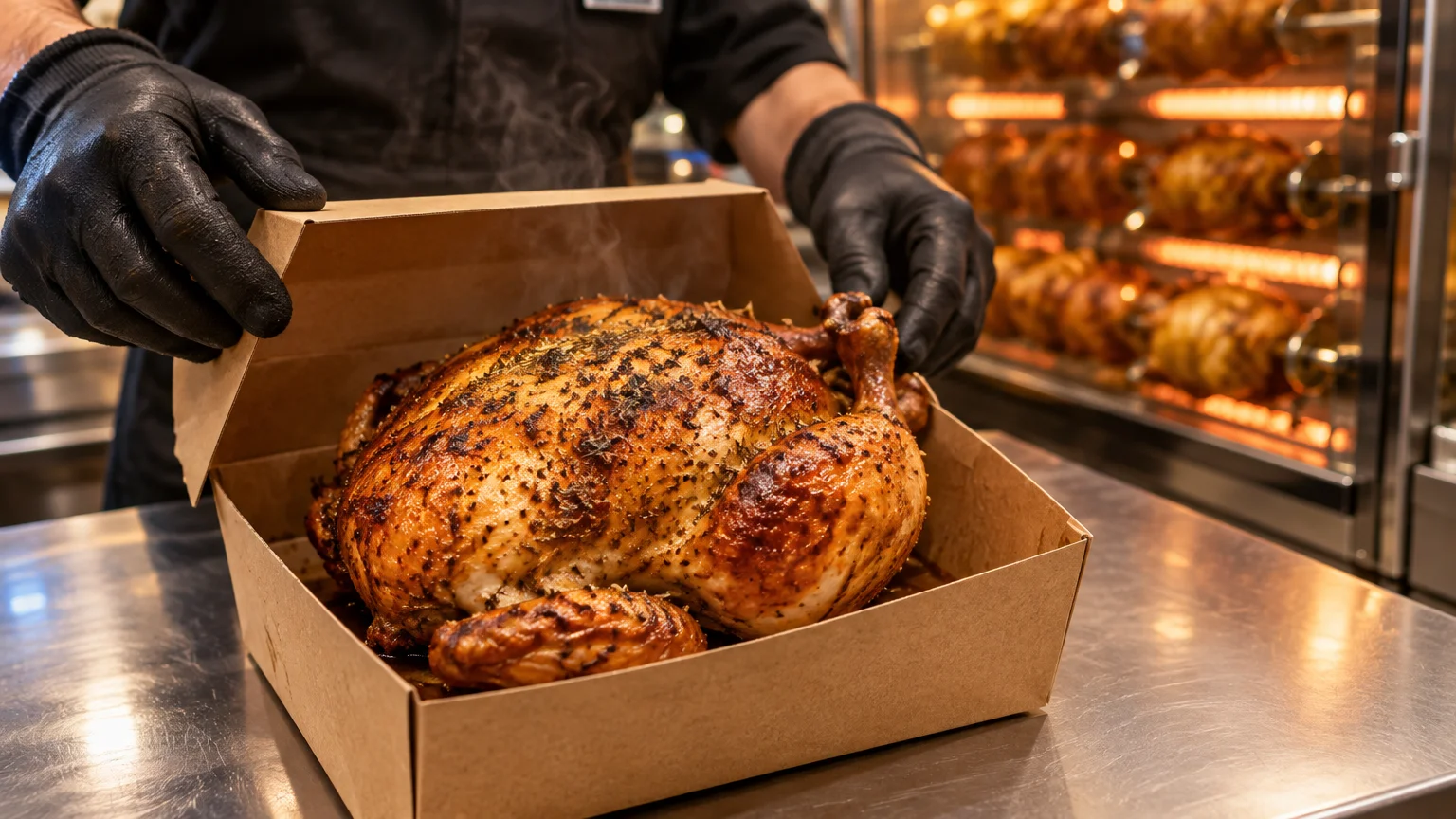
Tip #8: House-Roasted Rotisserie Chicken
Supermarkets deliberately price hot rotisserie chickens as loss leaders to lure customers inside. You frequently pay less for a fully cooked, seasoned bird than for an uncooked raw whole chicken.
Rotisserie chickens save you an hour of oven roasting and tedious kitchen cleanup. They provide hot, succulent meat ready for dinner the second you walk through your front door.
Strip the breasts for your first dinner, then shred the dark meat for tacos or enchiladas. One four-dollar or five-dollar bird yields up to six protein-packed individual meals.
Never throw away the cooked carcass after stripping off the succulent meat. Simmer the bones with celery tops, onions, and water to create rich, gelatinous homemade chicken stock.
Homemade stock saves you three dollars per carton compared to store-bought broth. It also delivers richer body and lower sodium for your favorite soups and stews.
This double-duty value makes rotisserie chicken one of the best deli items in the entire grocery store. It is unmatched convenience and unbeatable frugal economics wrapped into one.
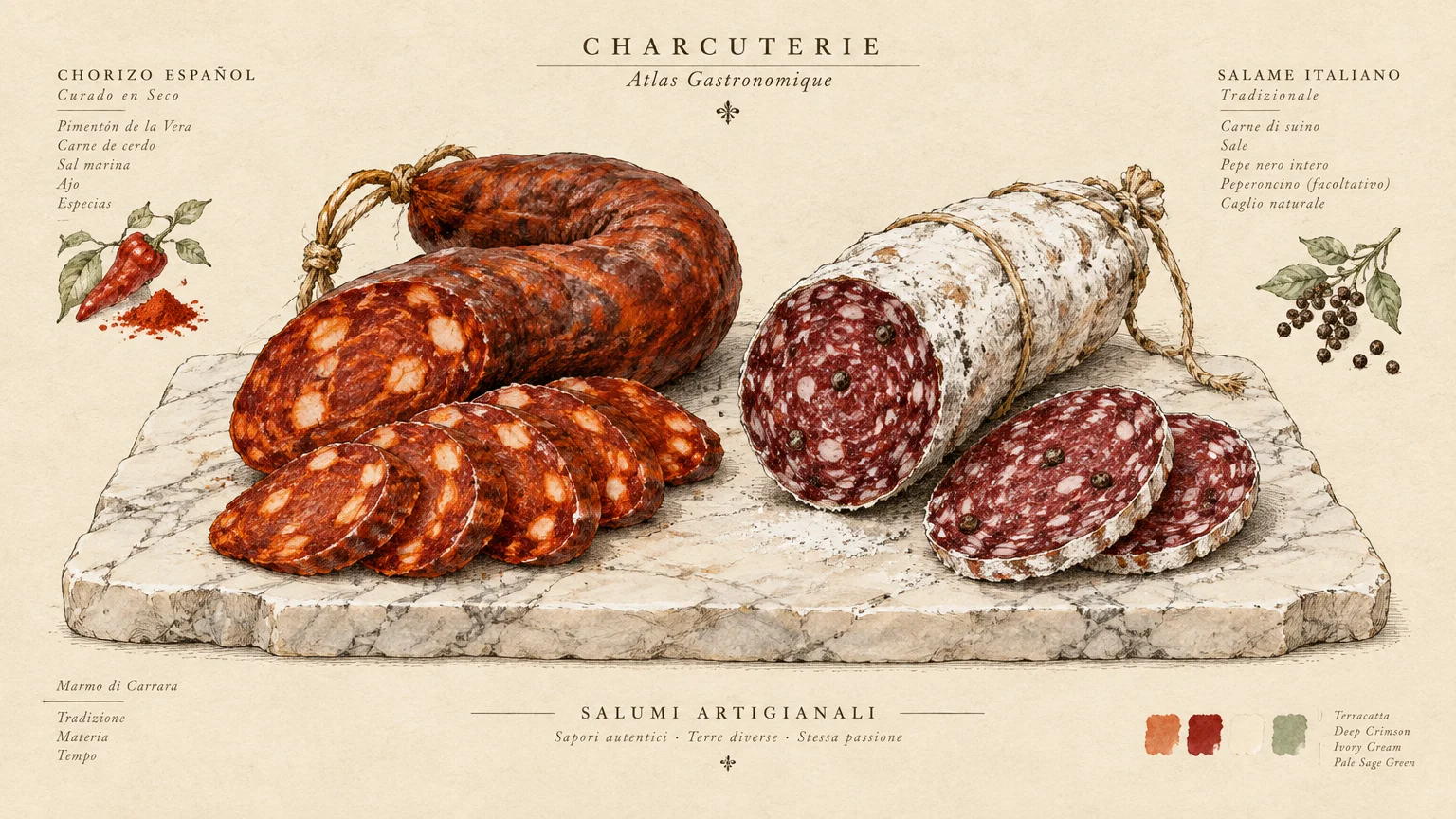
Tip #9: Artisanal Dry-Cured Salami and Chorizo
Pre-packaged pepperoni and salami slices often sweat repulsive orange grease inside plastic bags. Industrial processors rely on high heat and chemical acidifiers to rush curing times.
Artisanal charcuterie from the deli counter relies on traditional slow-fermentation and natural air curing. This age-old method creates deep lactic tang, firm chew, and aromatic spice balance.
Ask the counter worker to cut paper-thin disks from whole salamis like Genoa, sopressata, or Spanish chorizo. You get authentic casing-ripened flavor without greasy chemical aftertastes.
A mere quarter-pound of intensely seasoned dry chorizo enriches large pots of beans, rice, or pasta. You use it as a powerful flavor enhancer rather than a bulky protein base.
Stretching intense cured meats through frugal grain-based dishes keeps your meal costs shockingly low. A few dollars spent at the deli counter turns inexpensive staples into extraordinary meals.
Inspect the meat case for specialty ends or trimmed sticks sold at discounted rates. Many grocery stores bundle these odd ends into bargain bins near the counter.
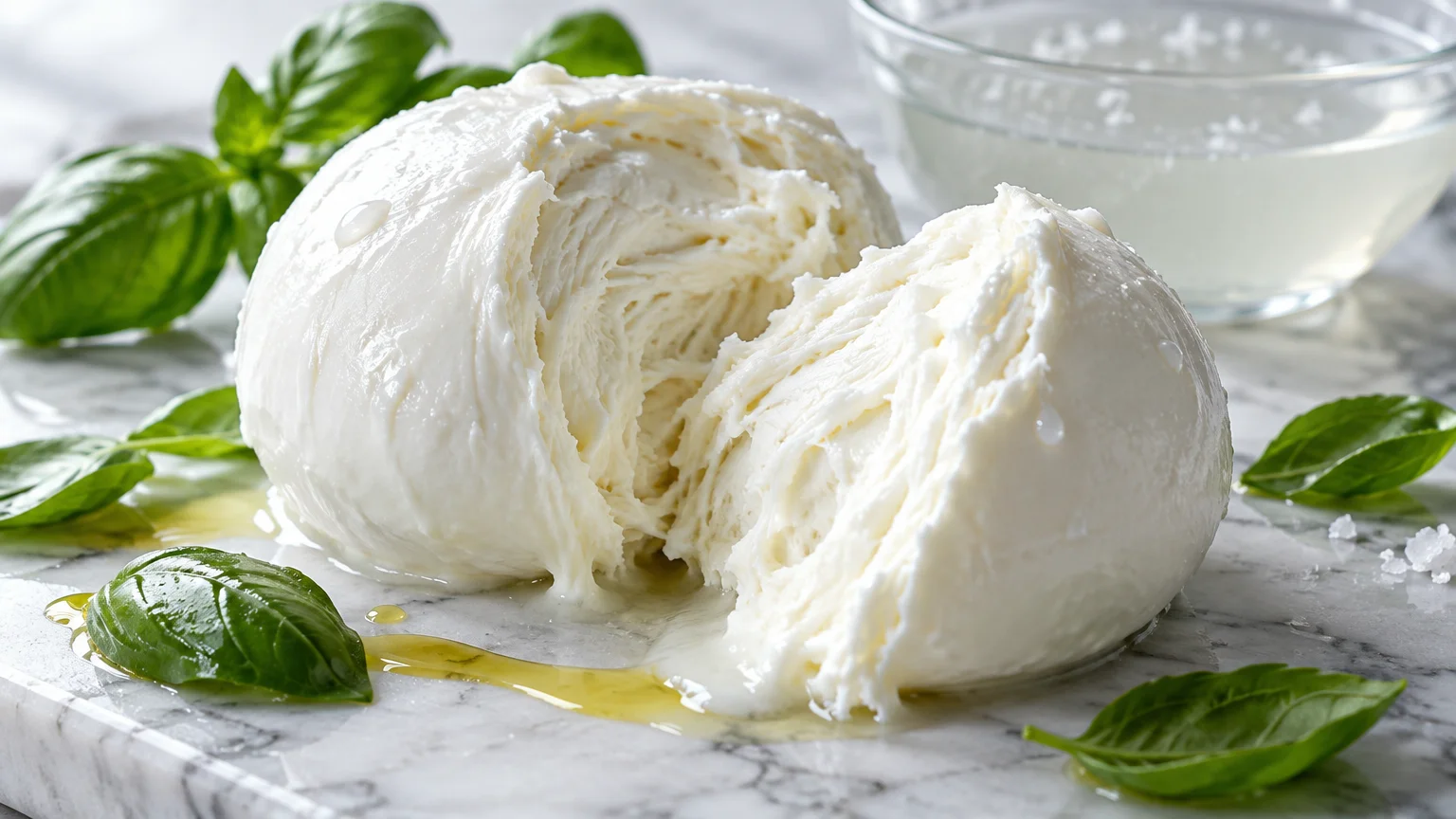
Tip #10: Fresh Whole-Milk Mozzarella
Standard vacuum-sealed blocks of low-moisture mozzarella taste rubbery and lack milky sweetness. They suit frozen pizza baking, but they ruin fresh Caprese salads or crusty paninis.
Deli cases offer fresh whole-milk mozzarella balls floating in cool salted water or whey. These soft curd globes maintain delicate creaminess, springy texture, and fresh dairy notes.
Fresh mozzarella melts into silky, stretchable pools without separating into puddles of yellow oil. It turns homemade pizzas and baked pasta into authentic Neapolitan-style showstoppers.
Purchase only the size you plan to consume within forty-eight hours of opening. Fresh curd contains high moisture levels and spoils much faster than hard factory blocks.
Slice the fresh ball thick, sprinkle it with coarse salt, and drizzle it with olive oil. You create an upscale Italian appetizer for a fraction of casual dining menu prices.
Treat this fresh cheese as one of your justifiable grocery splurges. The leap in textural quality and rich creaminess dwarfs the minor price discrepancy.
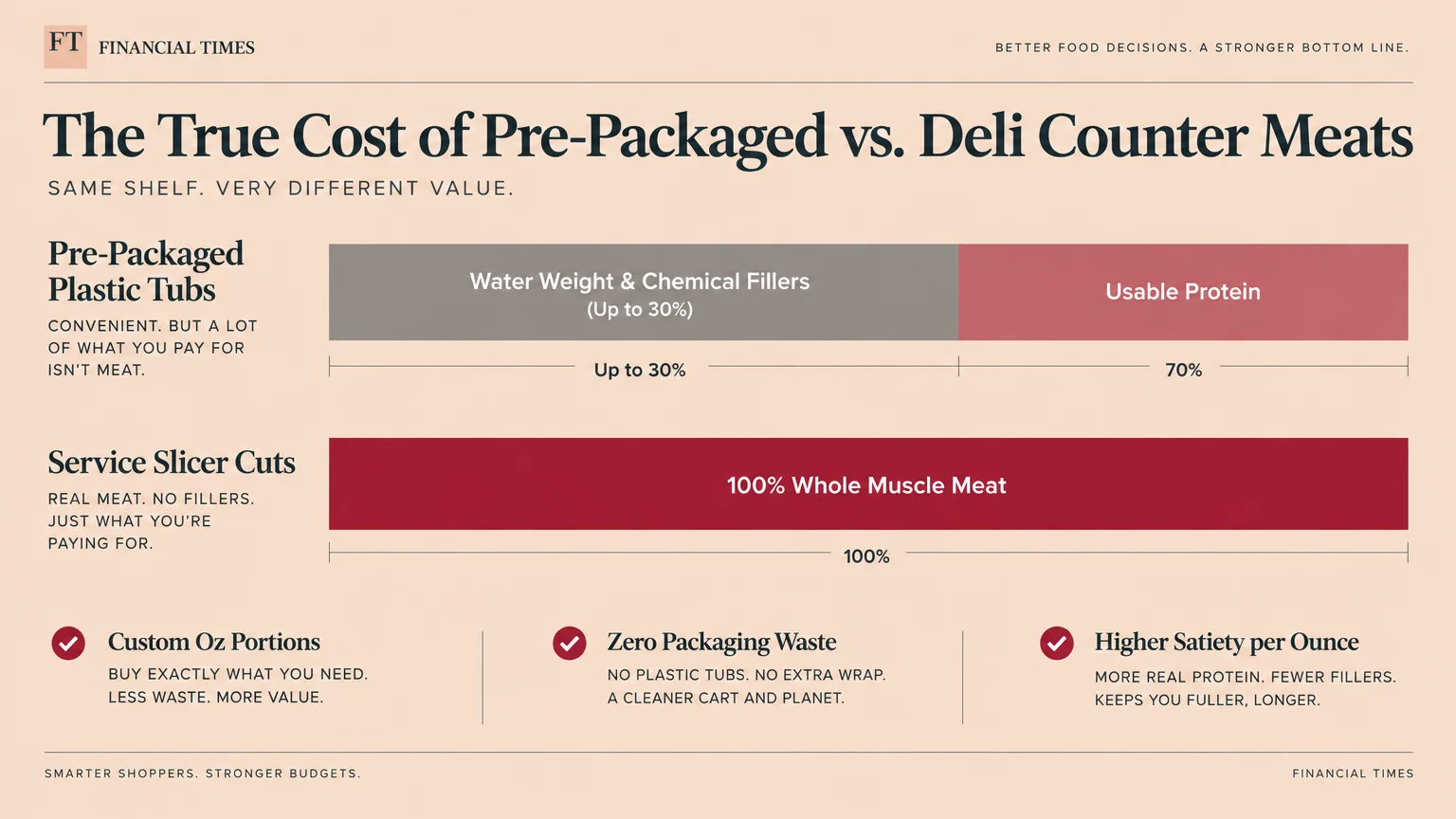
The Bottom Line: What This Means for Your Wallet
Being frugal does not mean suffering through bland, water-injected food packaged in plastic trays. True grocery thrift focuses on maximum flavor return and zero food waste per dollar spent.
When you shop behind the glass, you control the exact portion sizes and cuts you take home. Buying smaller amounts of high-impact foods eliminates the forgotten leftovers rotting in your crisper drawer.
The deli counter worth the price calculation always favors whole ingredients over processed industrial fillers. You avoid paying poultry prices for salted water and wood pulp anti-caking agents.
Use your deli splurges as culinary centerpieces to elevate inexpensive staples like beans, grains, and crusty bread. You eat like royalty while your total monthly grocery bill steadily shrinks.
Smart shoppers know when to pinch pennies and when to invest in genuine quality. Take charge of the service counter today and transform the way you feed your family.
Frequently Asked Questions
Is the deli counter really cheaper than buying pre-packaged cold cuts?
When evaluating price per usable pound, deli counter items frequently offer superior value. Factory pre-packs add up to thirty percent water, broth, and chemical binders that inflate total package weight.
You also buy only what you need at the counter. Purchasing exact portions prevents expensive spoiled leftovers from ending up in the garbage bin.
How long do fresh deli meats and cheeses stay good in the fridge?
Fresh deli-sliced meats contain fewer artificial chemical preservatives, so you should consume them within three to five days. Wrap them tightly in butcher paper or airtight storage bags.
Aged hard cheeses last several weeks or months when stored properly away from excess humidity. Fresh cheeses packed in water require consumption within two to three days after purchase.
Can you ask the deli clerk for samples before committing to a purchase?
Yes, most supermarket deli workers happily provide thin sample slices upon polite request. Testing the flavor and checking slice thickness guarantees you love the product before paying for it.
Sampling also ensures the meat or cheese has not sat exposed to air too long. Never hesitate to communicate your exact thickness preferences to the counter staff.
What is the best way to ask for specific slice thicknesses?
Use descriptive terms like shaved, paper-thin, sandwich cut, or dinner-carved thickness. Request a visual test slice before the clerk cuts your entire half-pound order.
Checking that initial sample slice saves everyone time and frustration. It guarantees you receive the precise cut required for your culinary recipes.
For consumer protection information, visit the Federal Trade Commission (FTC) and the Consumer Financial Protection Bureau (CFPB). For product safety and reviews, consult Consumer Reports.
Disclaimer: This article is for informational purposes only and does not constitute financial advice. The content reflects the author’s opinion and research at the time of writing. Always do your own research before making financial decisions.




Leave a Reply