
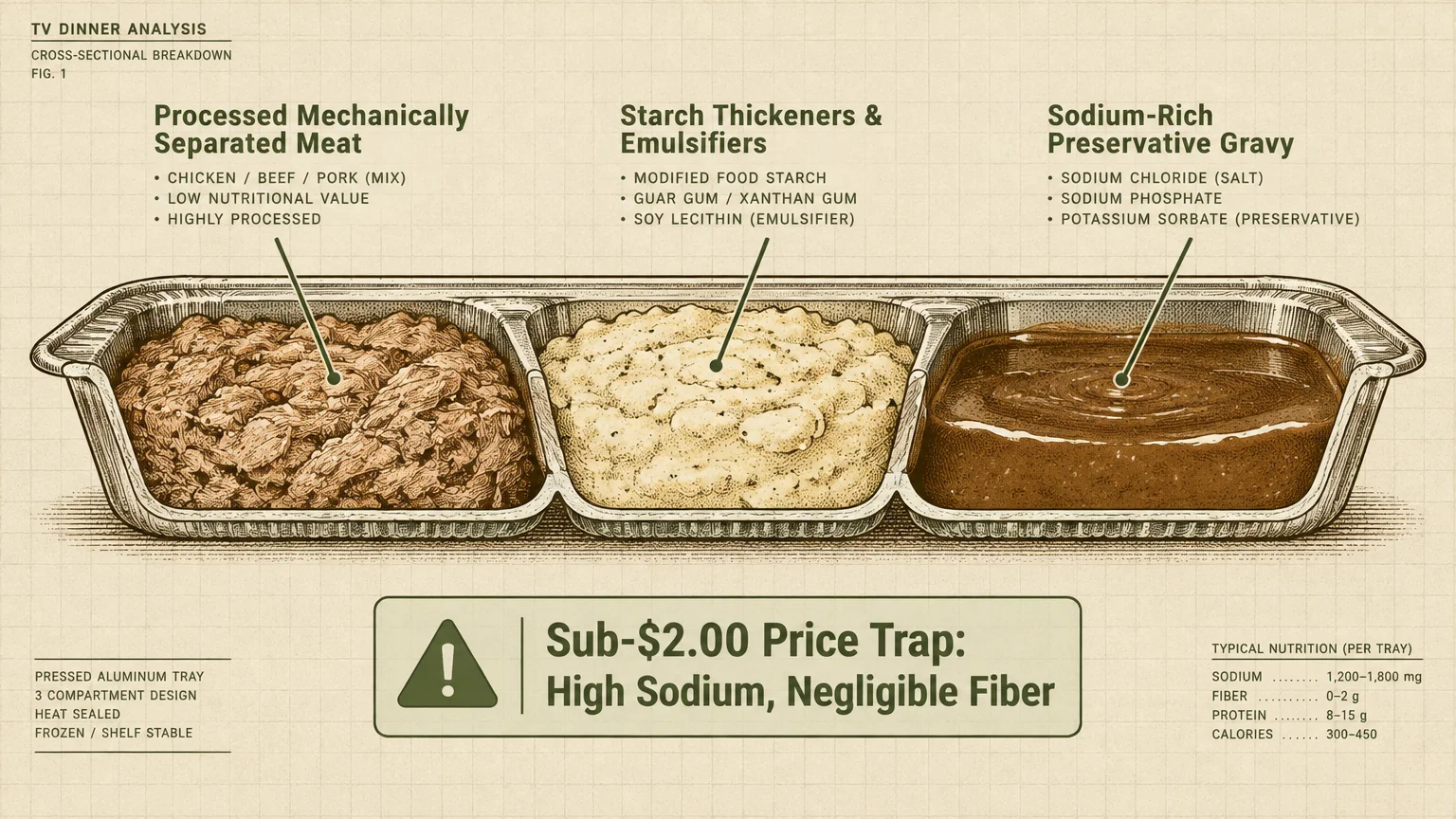
Tip #8: Beware Traditional Budget TV Dinners Loaded with Fillers
Ultra-cheap frozen dinners selling for under two dollars rely on mechanically separated meats and refined flour. These trays use heavy salt and saturated fat to disguise low-grade ingredients.
They deliver empty calories that trigger sluggish energy crashes. Upgrading to a three-dollar whole-grain bowl protects both your physical health and your daily productivity.
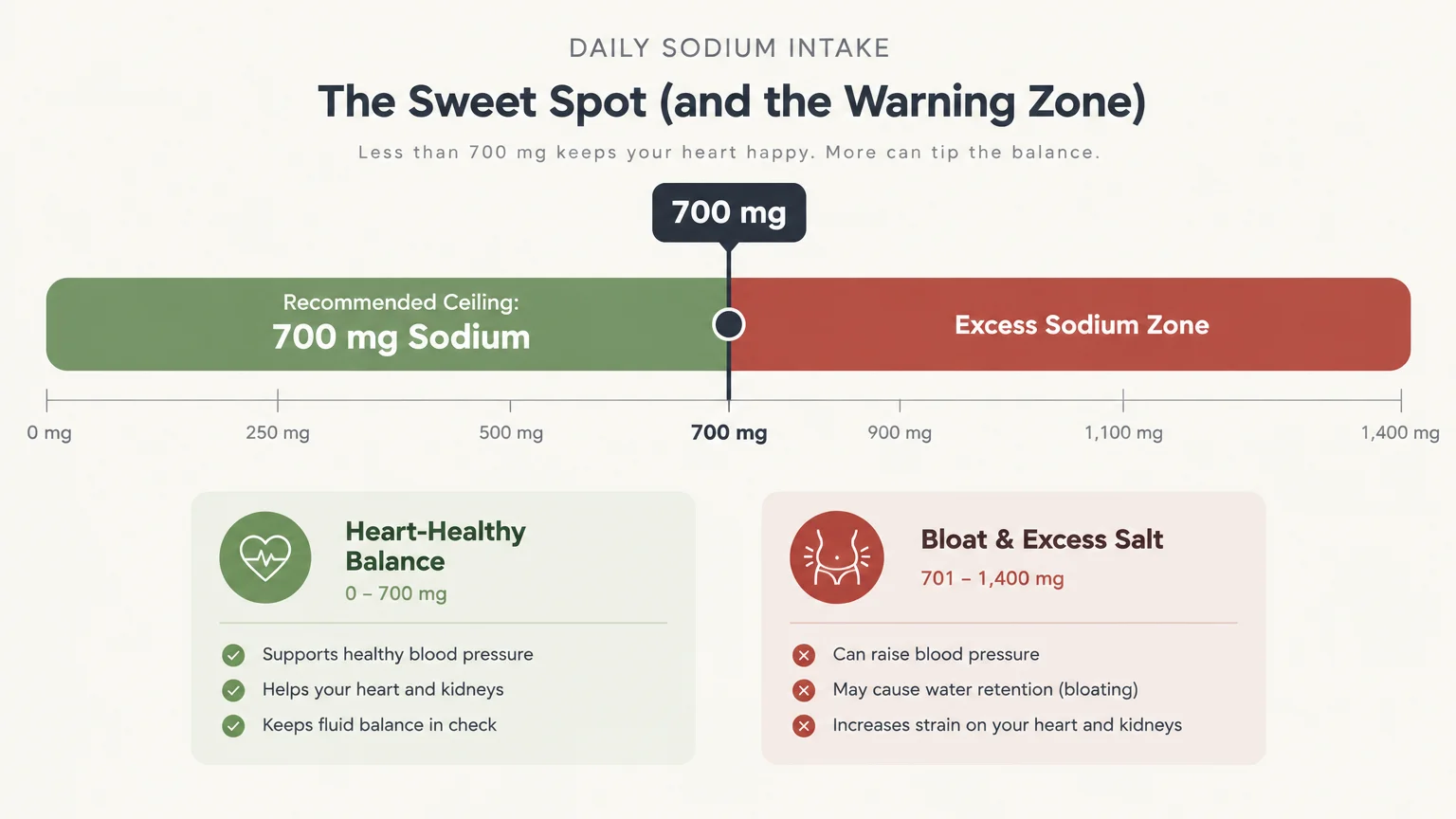
Tip #9: Cap Your Entree Sodium at 700 Milligrams
Consumer Reports advises shoppers to select frozen dinners with 600 to 700 milligrams of sodium or less. The worst commercial options cram more than half your daily 2,300-milligram limit into one bowl.
Excessive sodium spikes blood pressure and leaves you dehydrated throughout the afternoon. Always flip the package over and verify the milligrams before tossing a box into your cart.
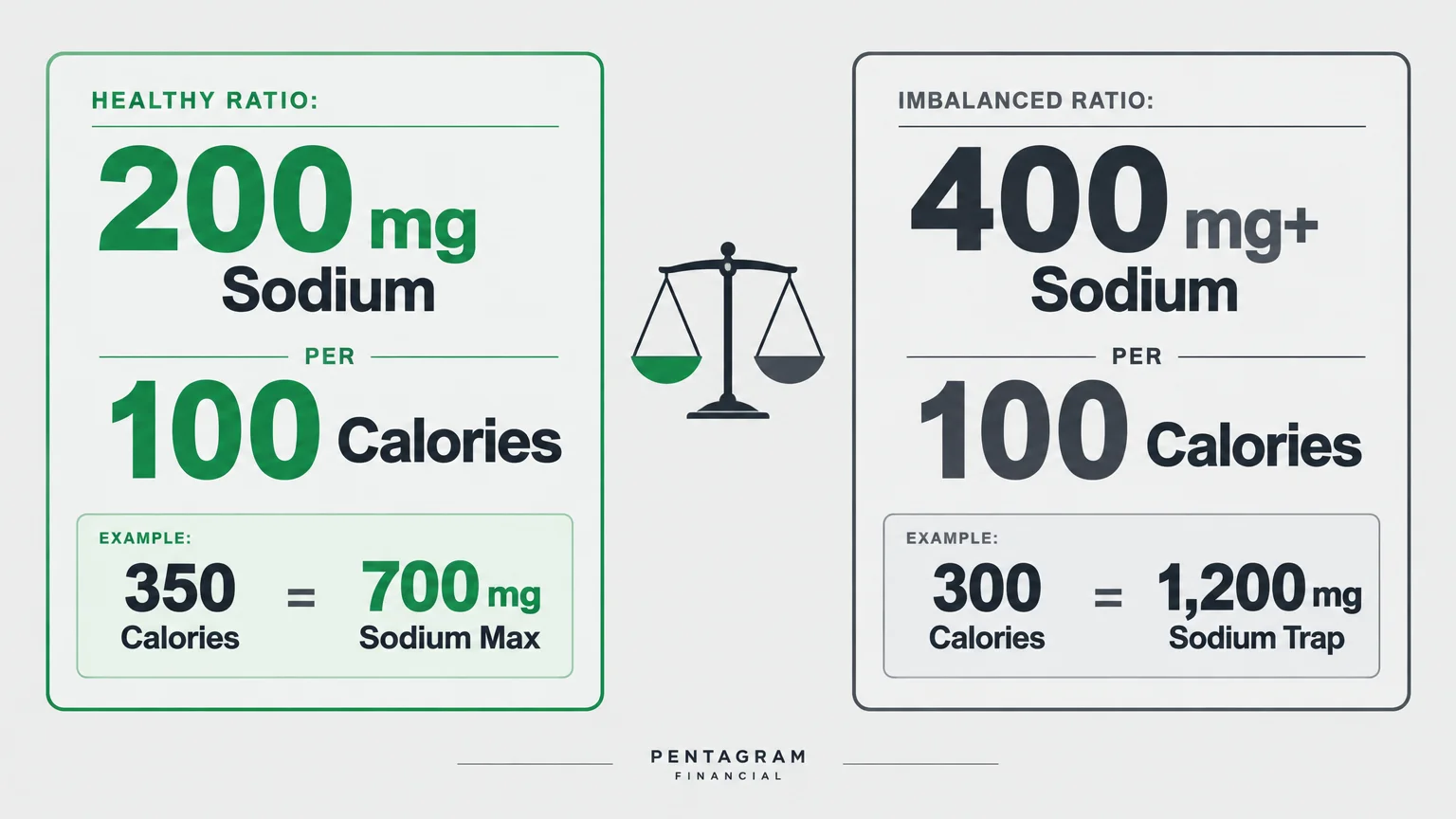
Tip #10: Follow the 200 Milligram Sodium per 100 Calorie Rule
A quick mental shortcut helps you evaluate sodium density in seconds. Divide the sodium milligrams by the calorie count; the ratio should stay under two to one.
If a 300-calorie entree contains 800 milligrams of sodium, put it back on the shelf. This quick calculation keeps you from accidentally buying salt bombs disguised as healthy dinners.
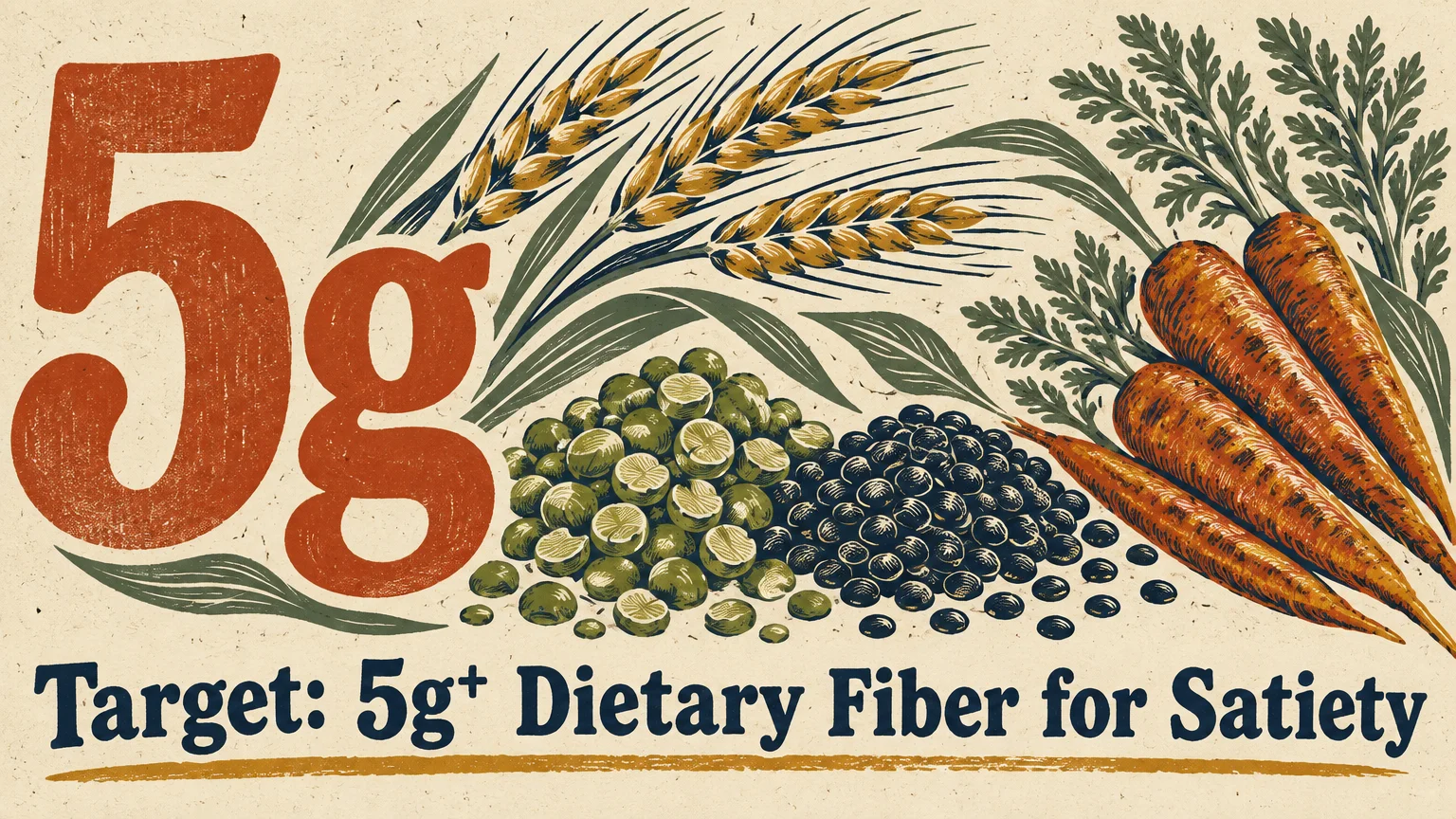
Tip #11: Target Meals with at Least 5 Grams of Fiber
The healthiest frozen meals supply at least 5 to 6 grams of dietary fiber per serving. Fiber slows digestion, maintains steady blood sugar, and provides lasting fullness.
Look for ingredient panels that lead with black beans, lentils, broccoli, or brown rice. Entrees lacking fiber leave you rummaging through the kitchen pantry thirty minutes later.
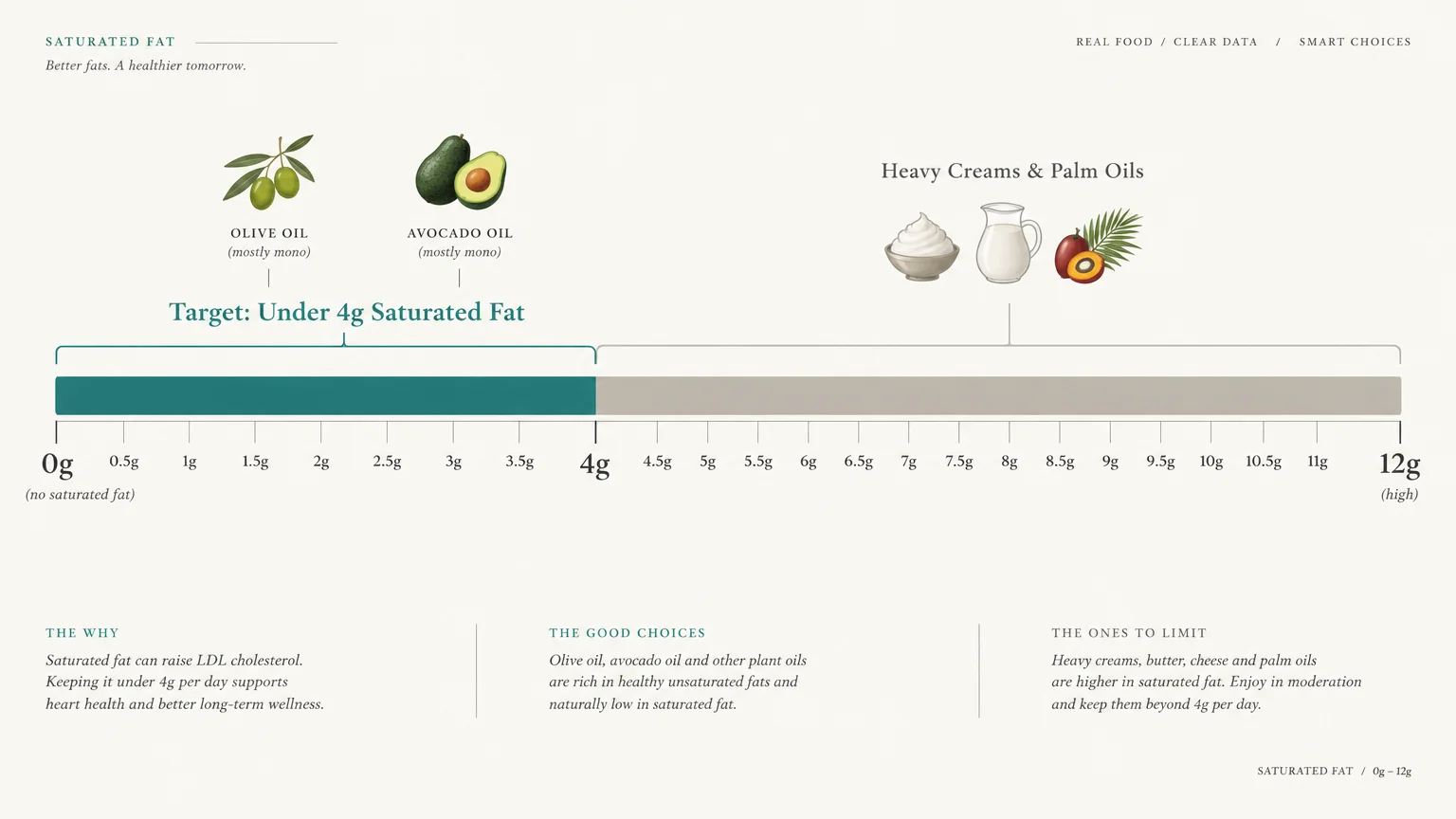
Tip #12: Keep Saturated Fat Under 4 Grams per Serving
Top-tier frozen entrees keep saturated fat capped at 3 to 4 grams per meal. This standard ensures saturated fat accounts for less than 10 percent of your daily caloric intake.
Many frozen brands hide butter-heavy cream sauces and cheap palm oil under flashy protein claims. Protect your arteries by choosing garlic, olive oil, and tomato-based sauces instead.
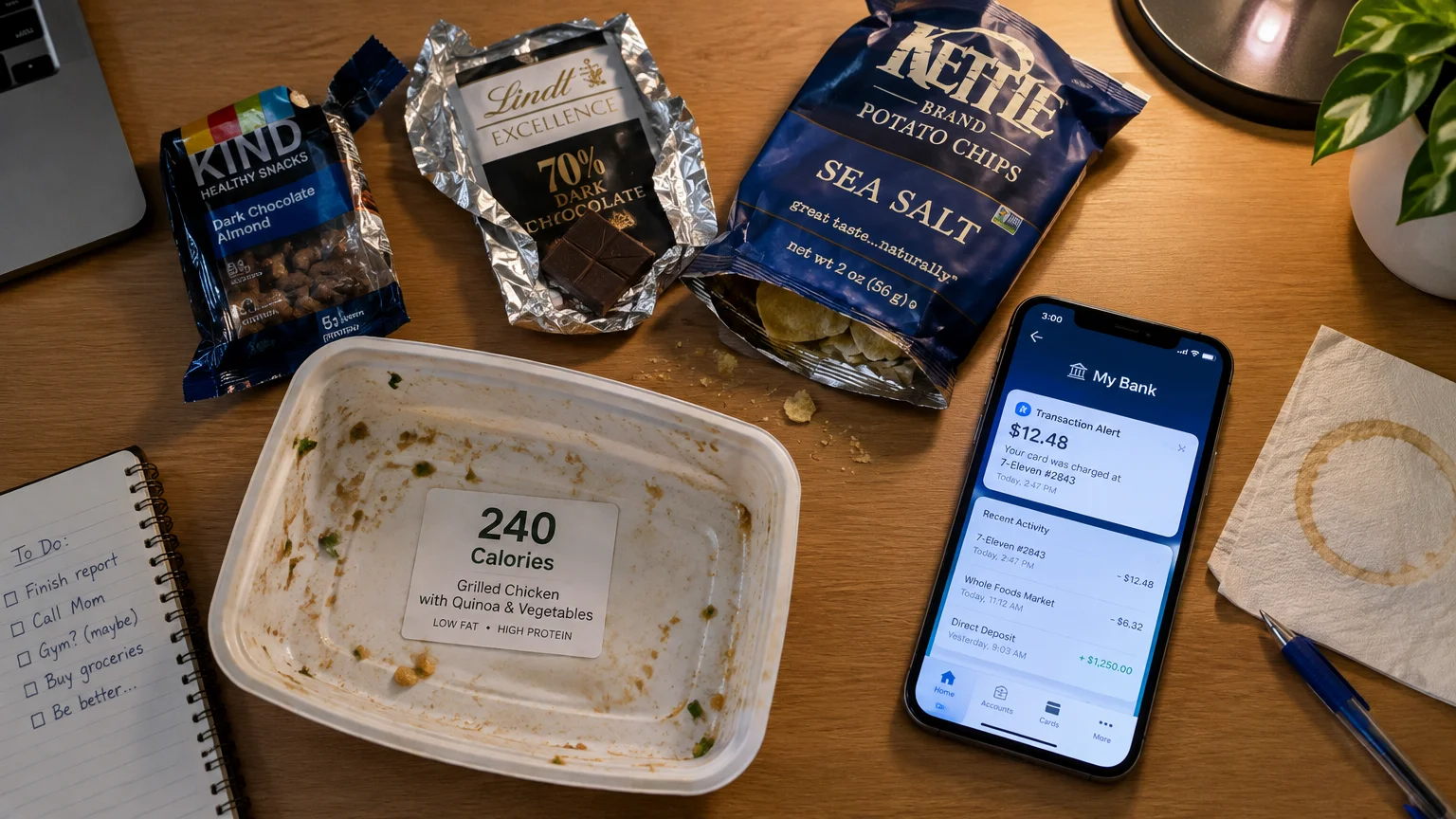
Tip #13: Avoid the Sub-300 Calorie Diet Food Trap
Frozen meals clocking in under 300 calories might look great for dieting, but they backfire financially and nutritionally. These micro-portions leave you starving and prompt impulse convenience store runs.
Aim for entrees in the 300 to 500 calorie sweet spot. That caloric range provides enough energy to power your afternoon without demanding supplementary snacks.
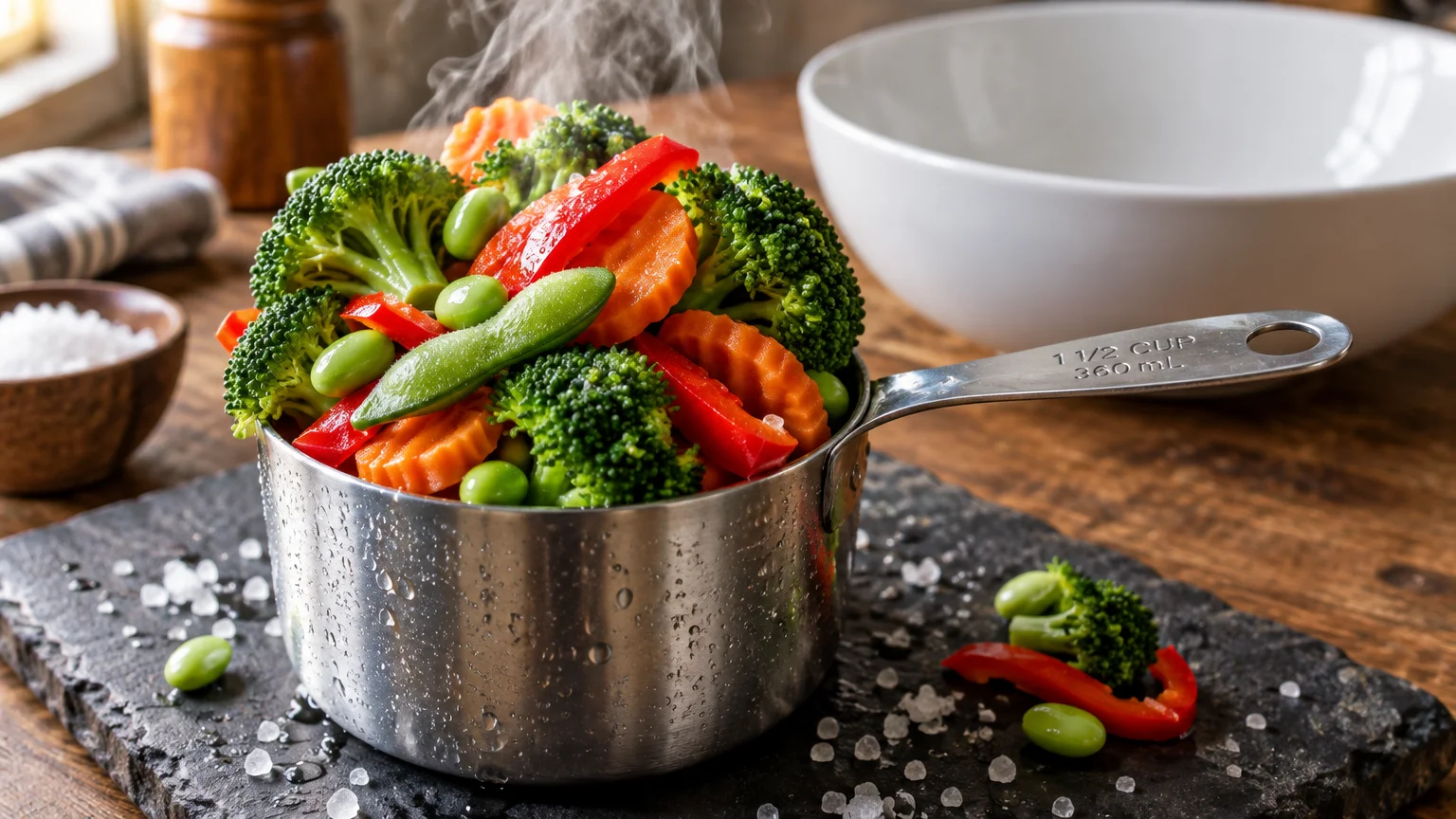
Tip #14: Hunt for 1 to 1.5 Cups of Whole Vegetables
Top-performing meals in the study contained roughly 1 to 1.5 cups of real vegetables and hearty grains. They delivered crisp bell peppers, leafy greens, and firm edamame rather than tiny vegetable specks.
Generous vegetable volume bulks up your meal naturally without adding costly empty calories. Check the ingredient list to ensure vegetables appear before water and starches.


No longer want to receive