
Tip #22: Respect the Steam Basket Design in Modern Trays
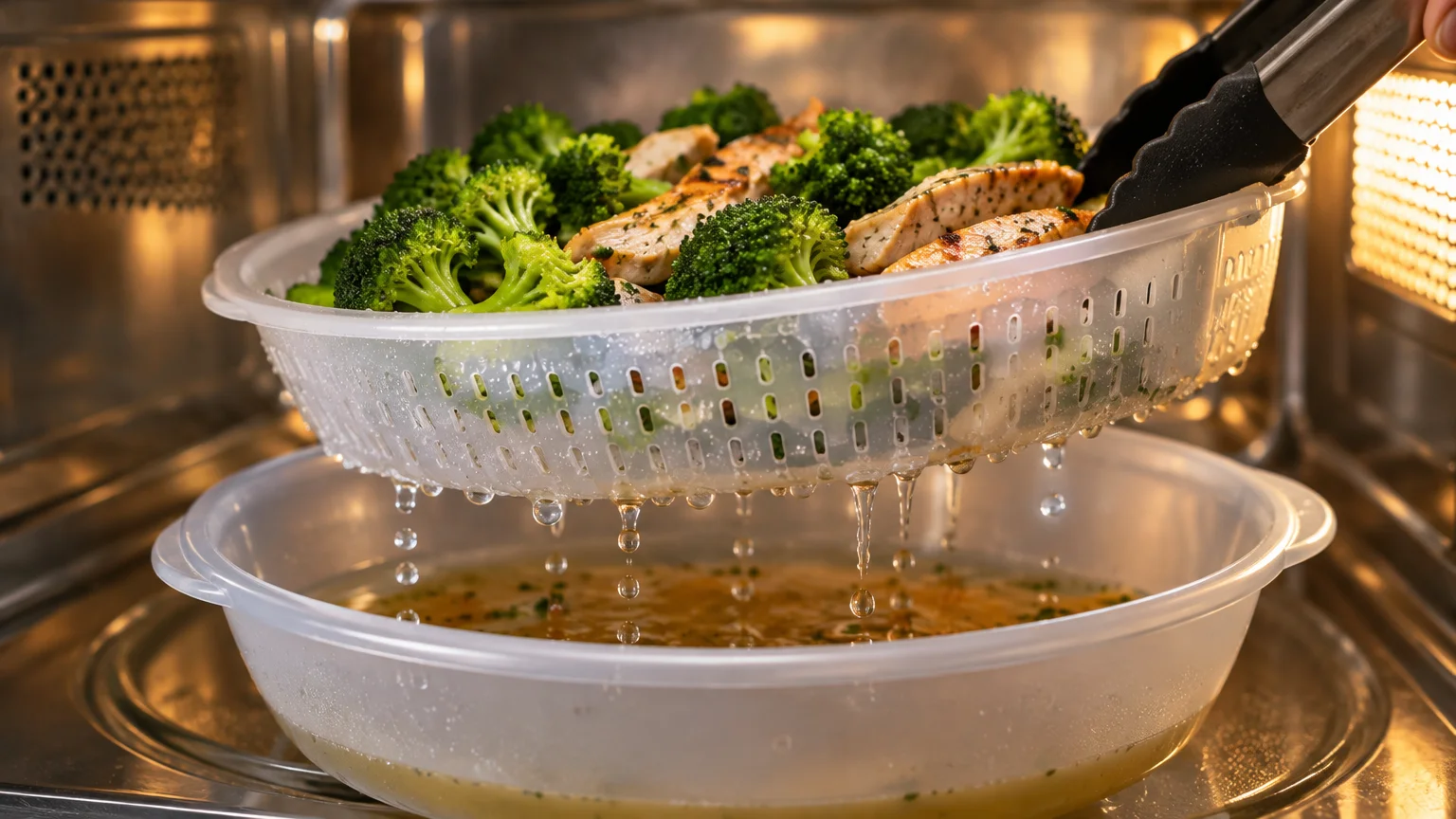
Brands like Healthy Choice engineered two-piece steamer trays for a precise culinary reason. Suspending ingredients above the simmering sauce lets steam gently cook the vegetables without boiling them into mush.
Do not combine the components before cooking. Follow the package instructions and pour the ingredients into the sauce bowl only after heating finishes.
Tip #23: Let Your Meal Rest for Two Minutes to Finish Cooking
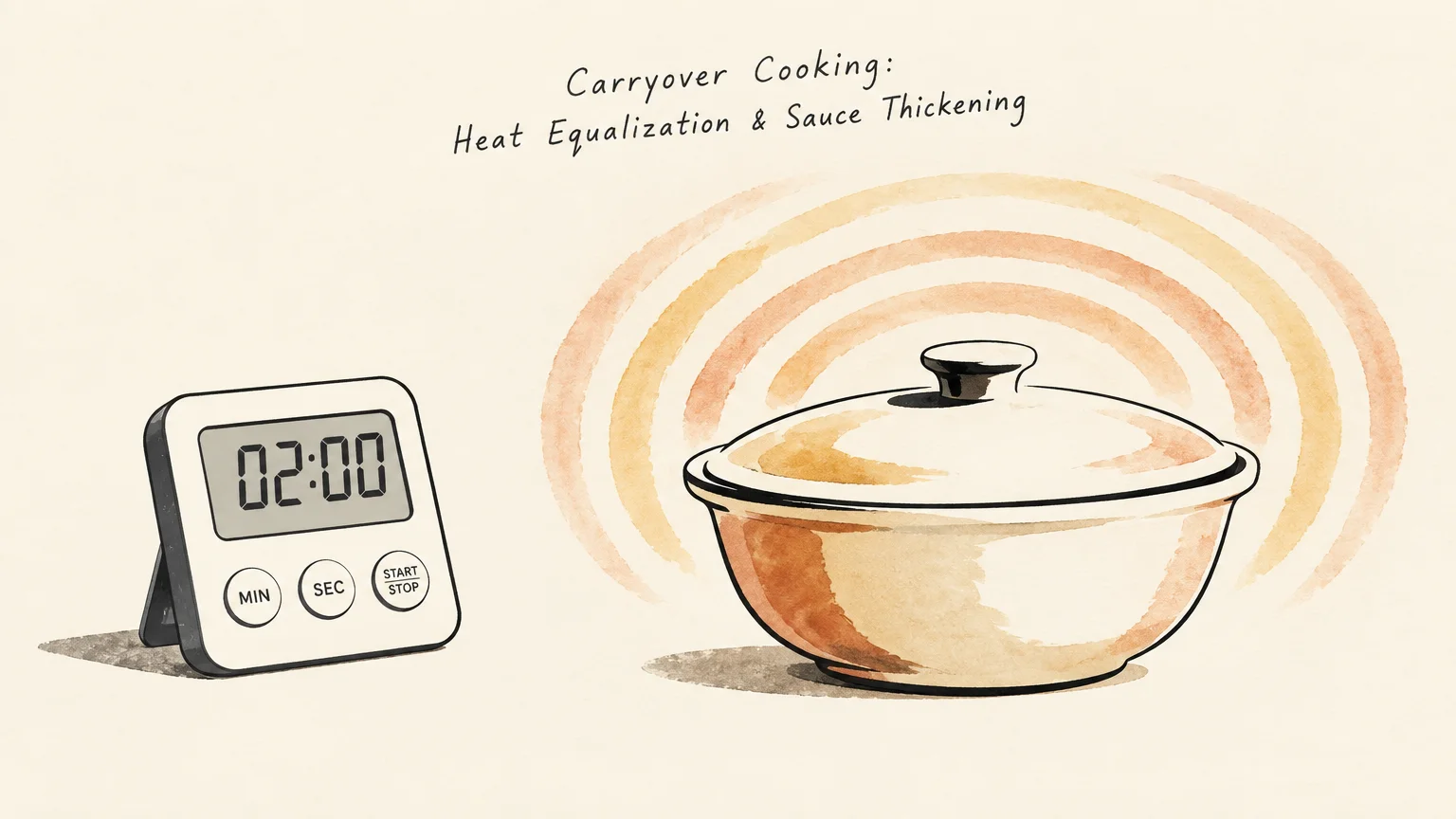
Tearing into a frozen dinner immediately after the microwave beeps is a common mistake. Carryover steam completes the cooking process while the container rests on your counter.
Resting also allows sauces to thicken and stabilizes the temperature of the vegetables. Giving your food two minutes to settle creates a dramatically better dining experience.
Tip #24: Add Fresh Citrus or Hot Sauce to Brighten Low-Sodium Trays
Nutritious meals with under 600 milligrams of sodium can occasionally taste slightly mild to salt-accustomed palates. Do not reach for the salt shaker to fix the issue.
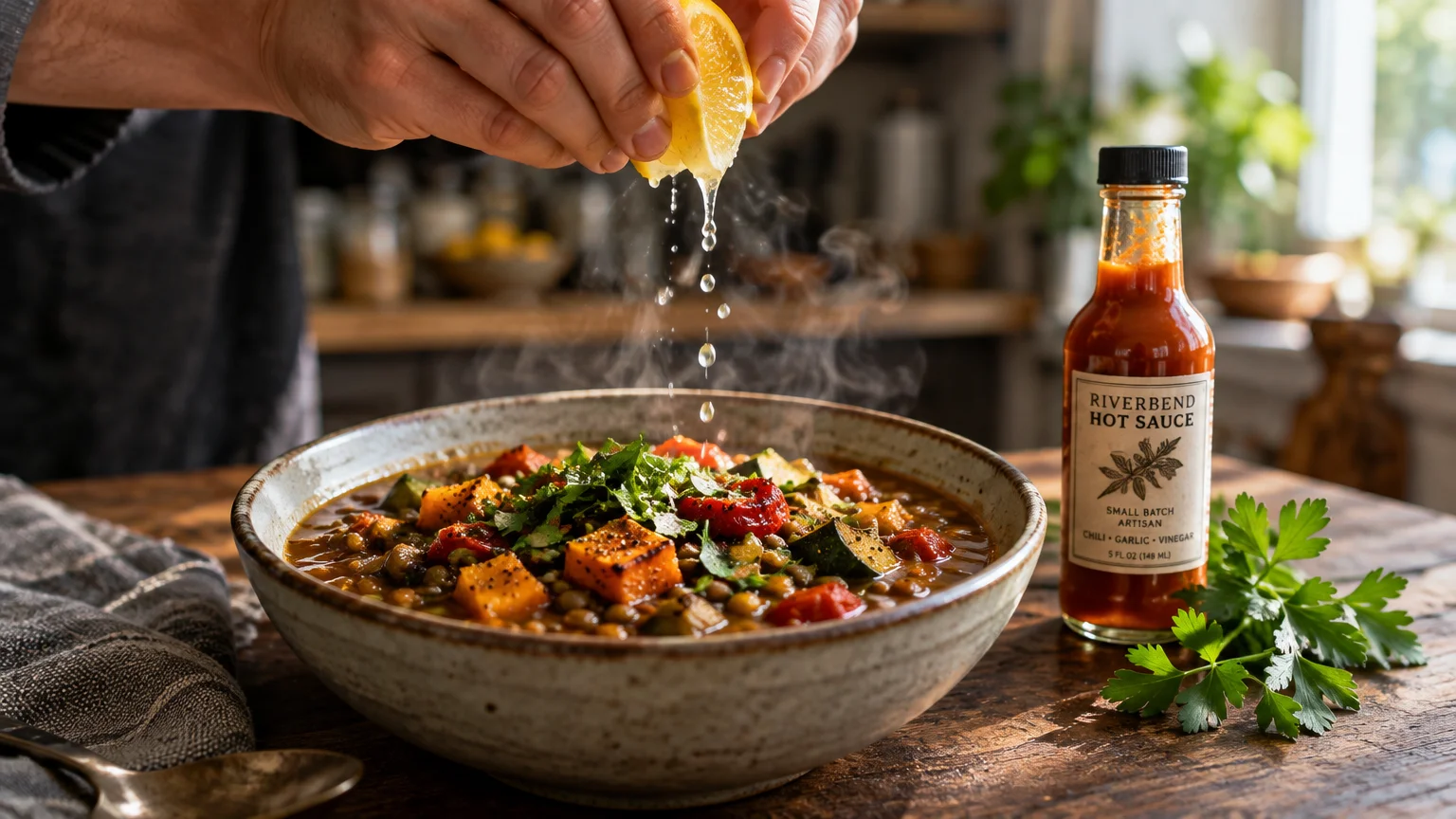
Squeeze a fresh lime wedge or splash vinegar-based hot sauce over the hot bowl. Acid activates your salivary glands and enhances natural flavors without adding a milligram of sodium.
Tip #25: Calculate Your True Cost per Gram of Protein
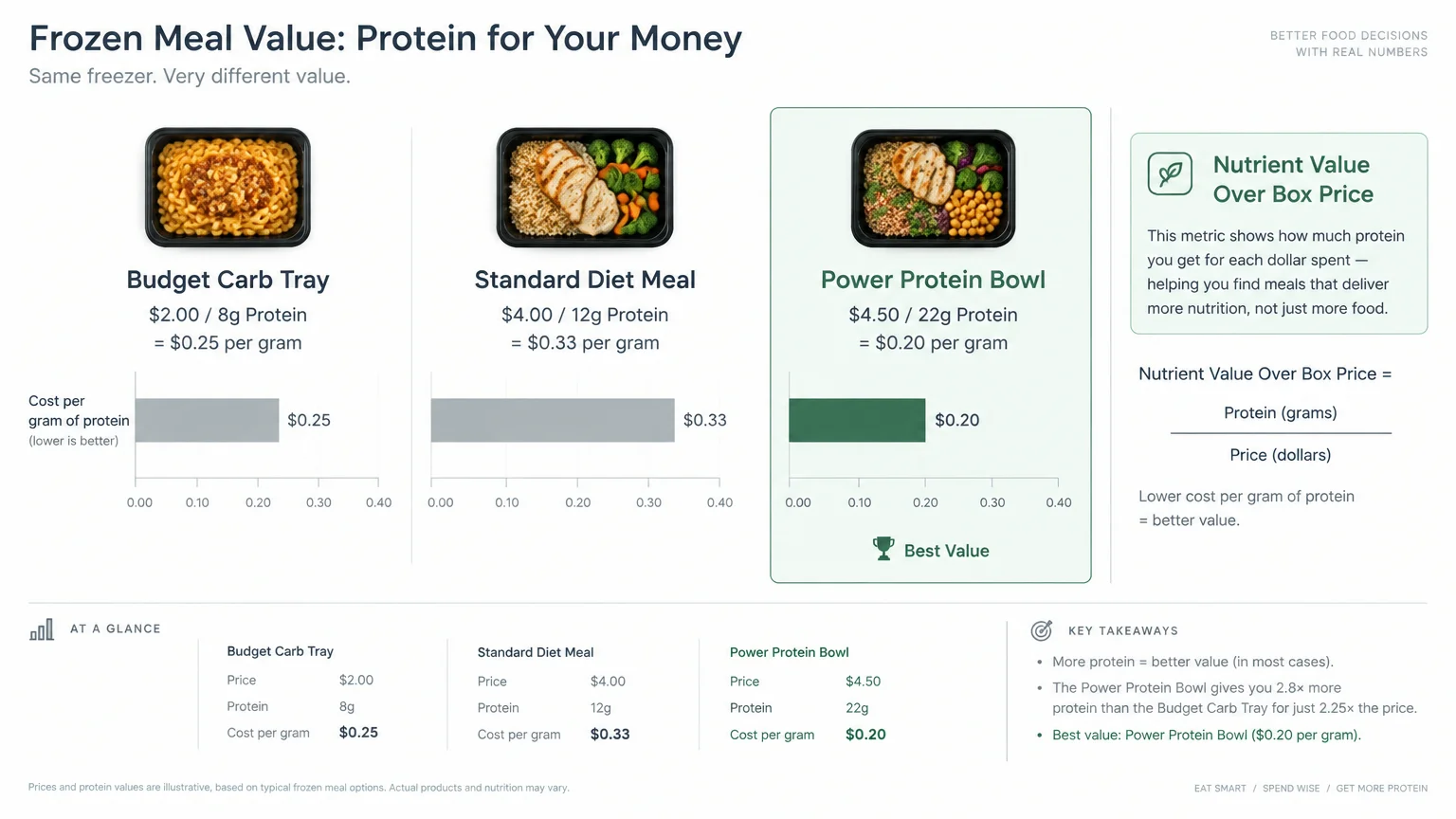
Do not let bold front-label protein claims fool you into overpaying for marketing. Divide the retail price by the total grams of protein listed on the nutrition panel.
A $5 bowl with 20 grams of protein delivers nutrition at 25 cents per gram. If an $8 specialty bowl offers only 12 grams, you pay an exorbitant premium for branding.
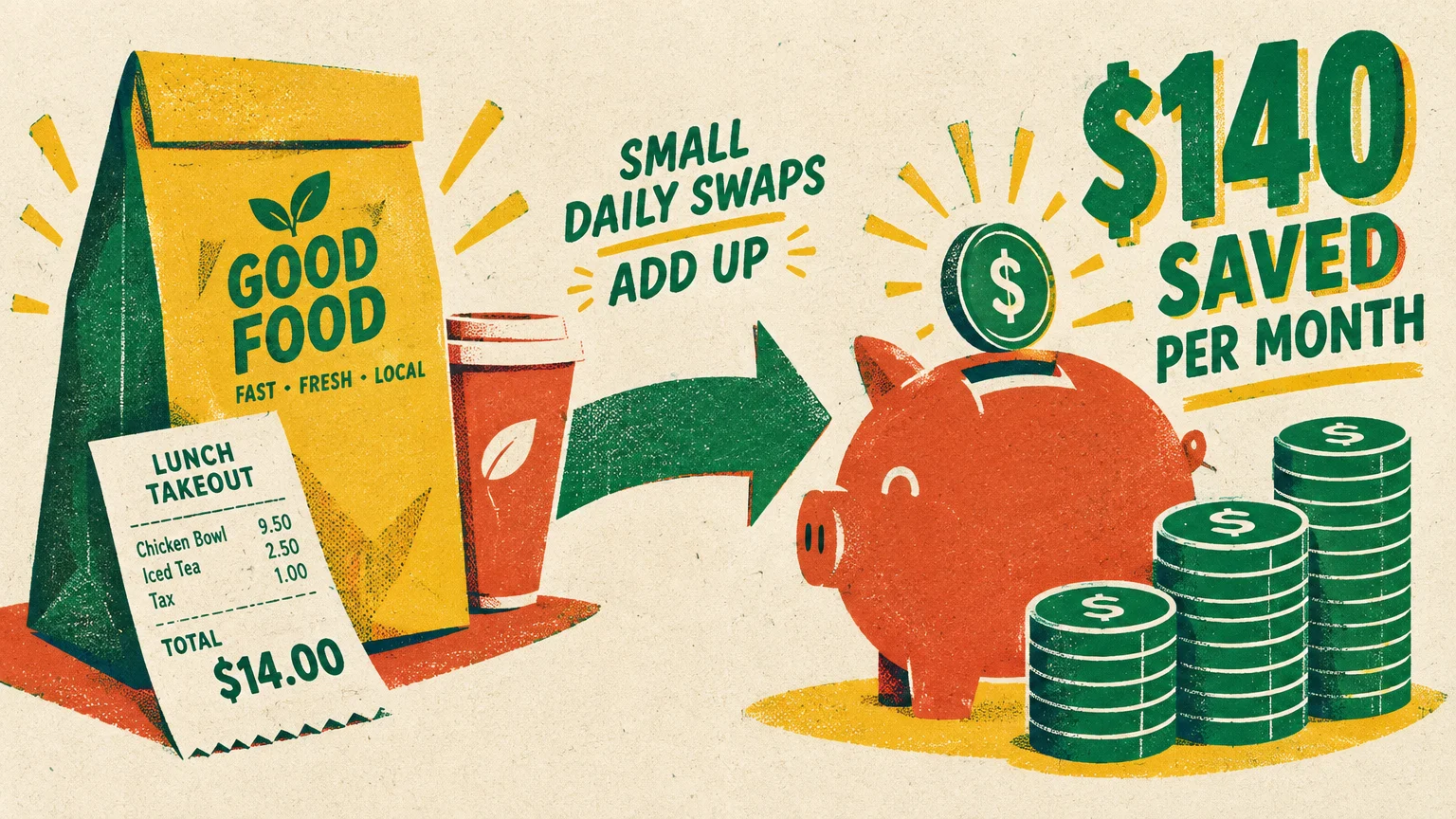
Tip #26: Bank $140 Monthly by Skipping Fast-Casual Bowls
Replacing just three restaurant lunches per week with high-ranking frozen meals saves roughly $30 weekly. That adds up to over $120 to $140 in cold cash saved each month.
Direct those monthly savings straight into an emergency fund or a high-yield savings account. Modest lunchtime adjustments build genuine wealth over time without requiring severe deprivation.
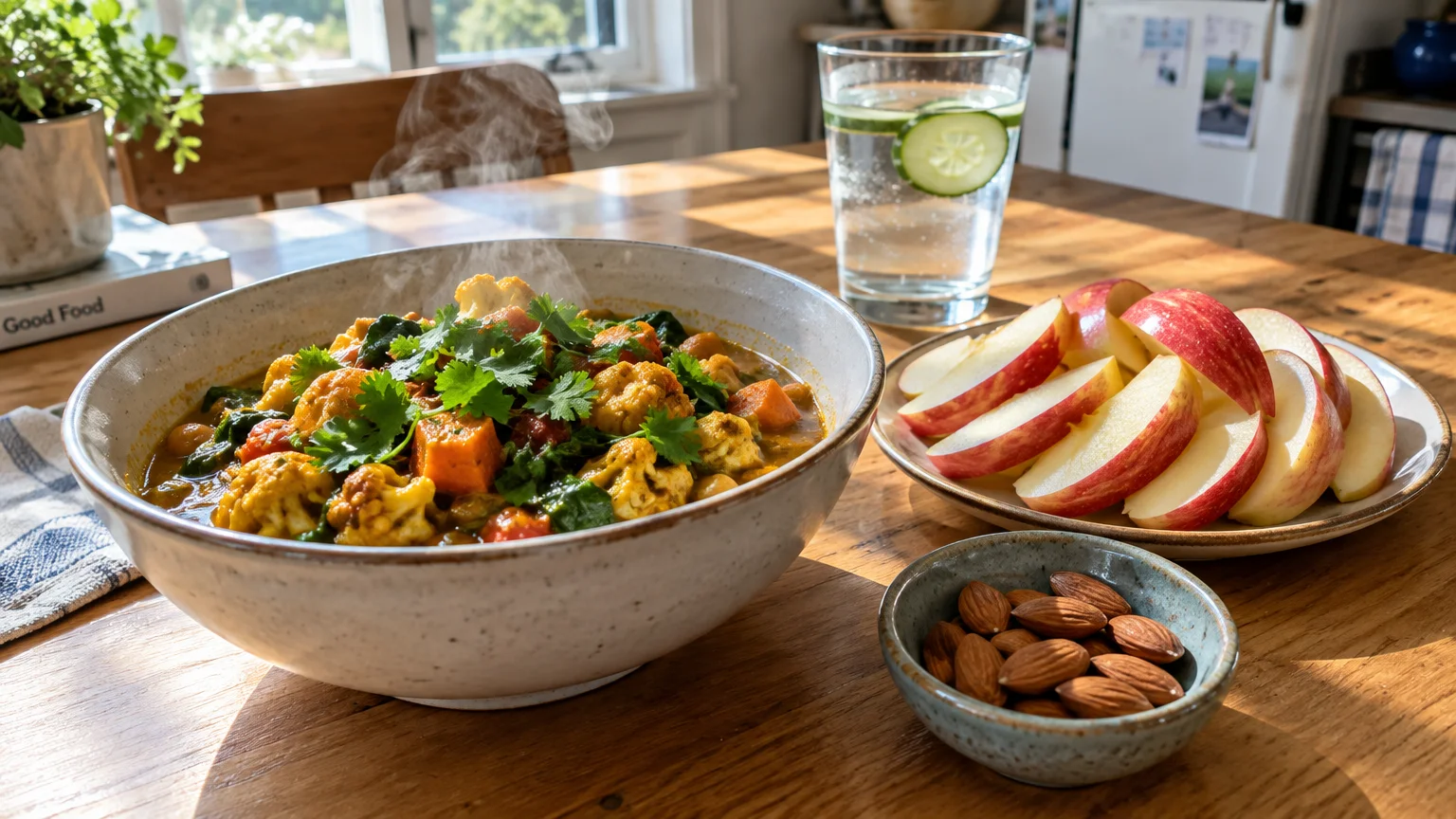
Tip #27: Pair Low-Calorie Trays with Inexpensive Fresh Fruit
If your favorite nutritious frozen entree lands near 300 calories, do not leave your hunger unsatisfied. Pair the meal with an apple, a banana, or a handful of raw almonds.
Adding twenty cents worth of whole fruit provides healthy carbohydrates and water volume. You leave the table full without buying overpriced packaged side dishes.
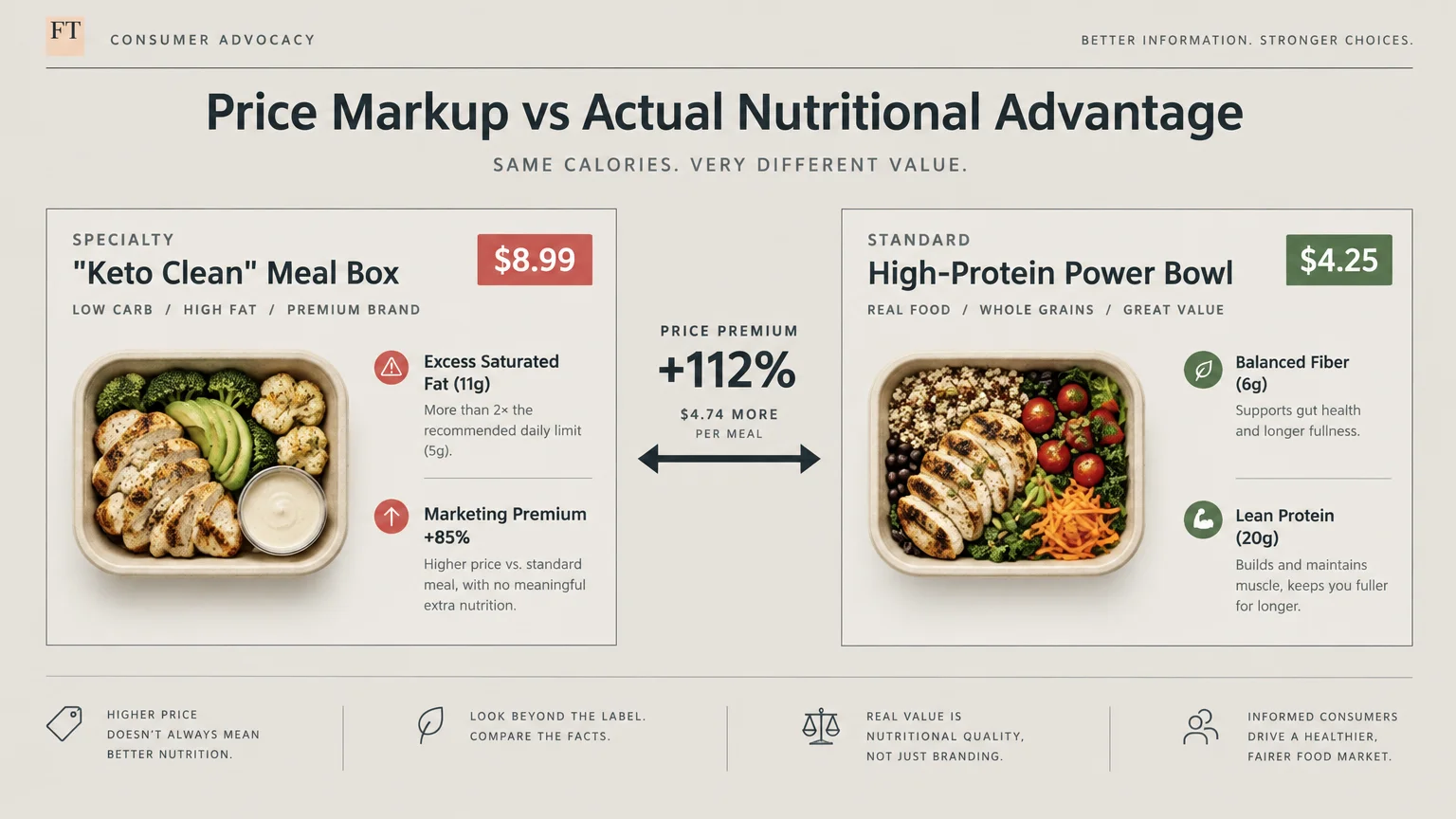
Tip #28: Avoid Overpaying for Gimmicky Keto or Clean Labels
Specialty lifestyle branding routinely tacks a two-dollar markup onto standard frozen meals. Trendy labels often disguise high saturated fat levels and minimal vegetable volume.
Focus on basic nutrition metrics rather than certified diet badges. Whole ingredients, high fiber, and modest sodium matter far more than trendy wellness buzzwords.




No longer want to receive