
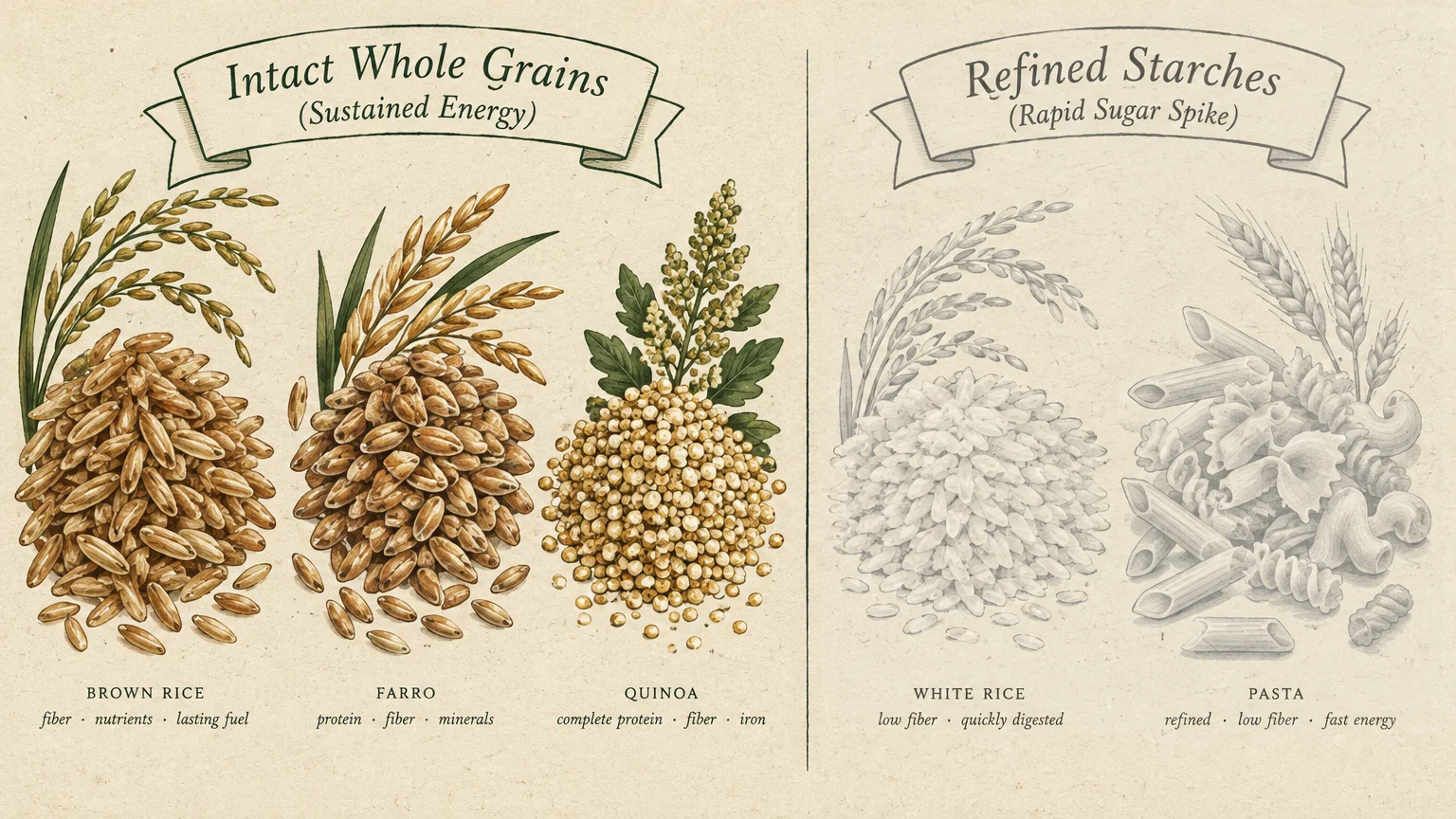
Tip #15: Scan for Intact Grains Over Refined Starches
Cheap frozen trays rely on white rice and bleached pasta because they cost food manufacturers pennies. Better brands use quinoa, farro, wild rice, and barley.
Intact grains retain their nutrient-rich bran and germ layers. They also hold their bite in the microwave, avoiding the mushy slop common to refined noodles.
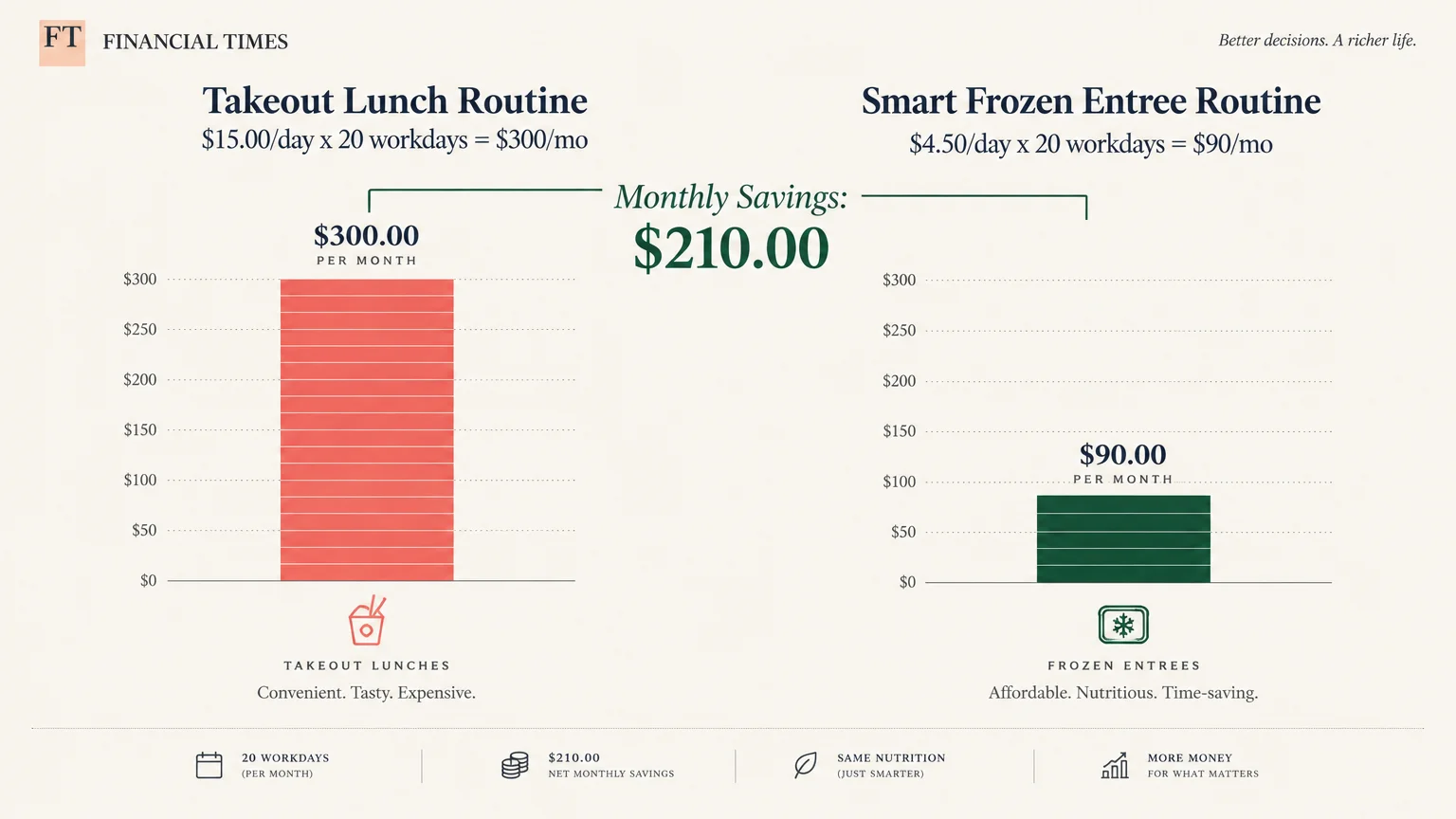
Tip #16: Use Frozen Entrees to Replace Pricey Takeout Lunches
The average fast-casual or takeout lunch in America now costs between $12 and $16. Grabbing a premium $6 frozen entree saves you at least $6 to $10 every single day.
Keep a stash of high-scoring meals in the office freezer to resist midday delivery temptation. Those small daily decisions keep substantial cash inside your checking account.
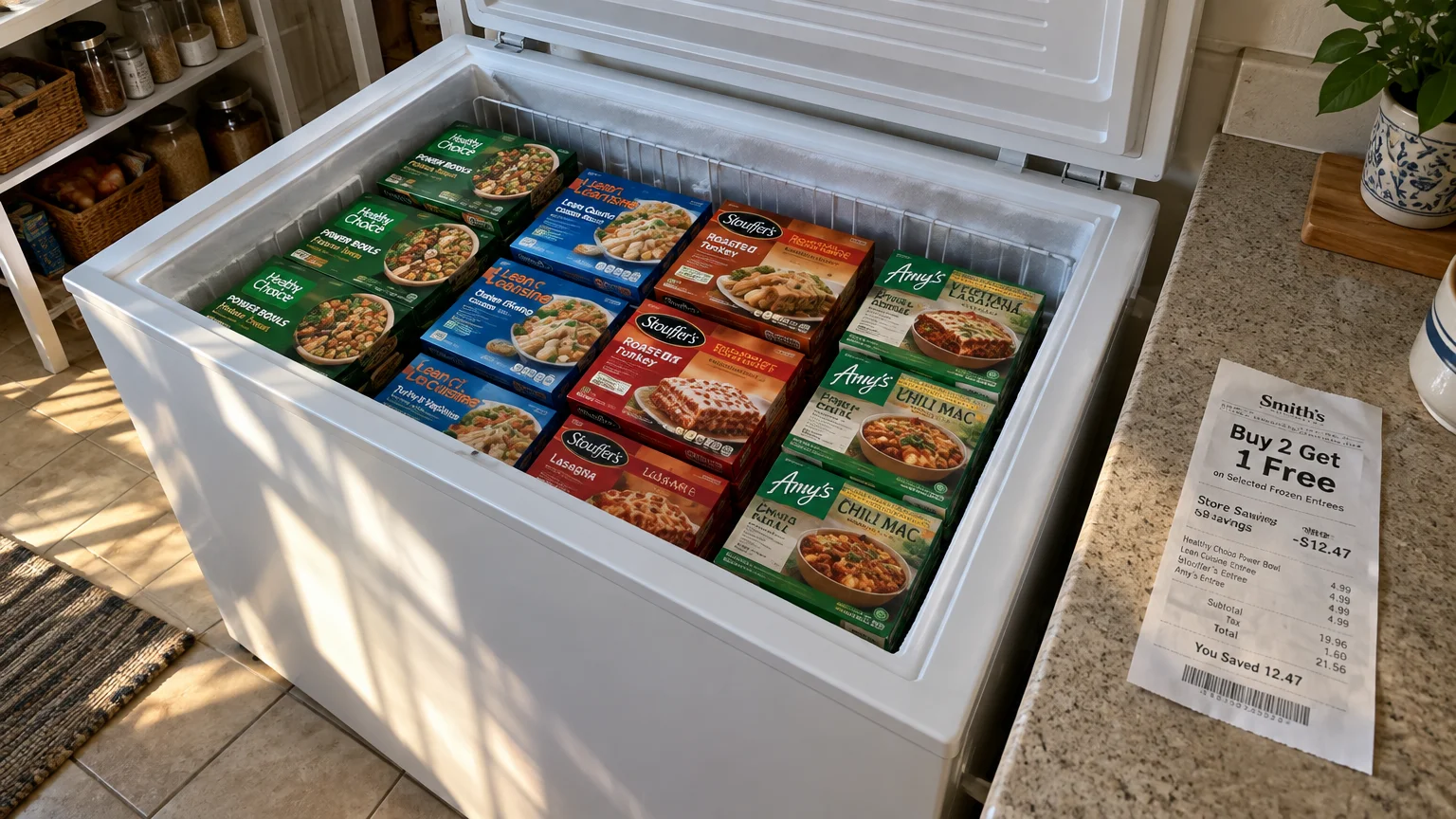
Tip #17: Stock Up When Top Brands Hit Promotional Sale Cycles
Grocery stores run cyclic promotions on premium frozen brands every four to six weeks. You can routinely find $6 bowls marked down to $3.99 during manufacturer sales.
Clear space in your freezer and purchase ten or twelve units when your favorite variety hits its lowest price. Strategic stockpiling slashes your annual grocery bill without sacrificing meal quality.
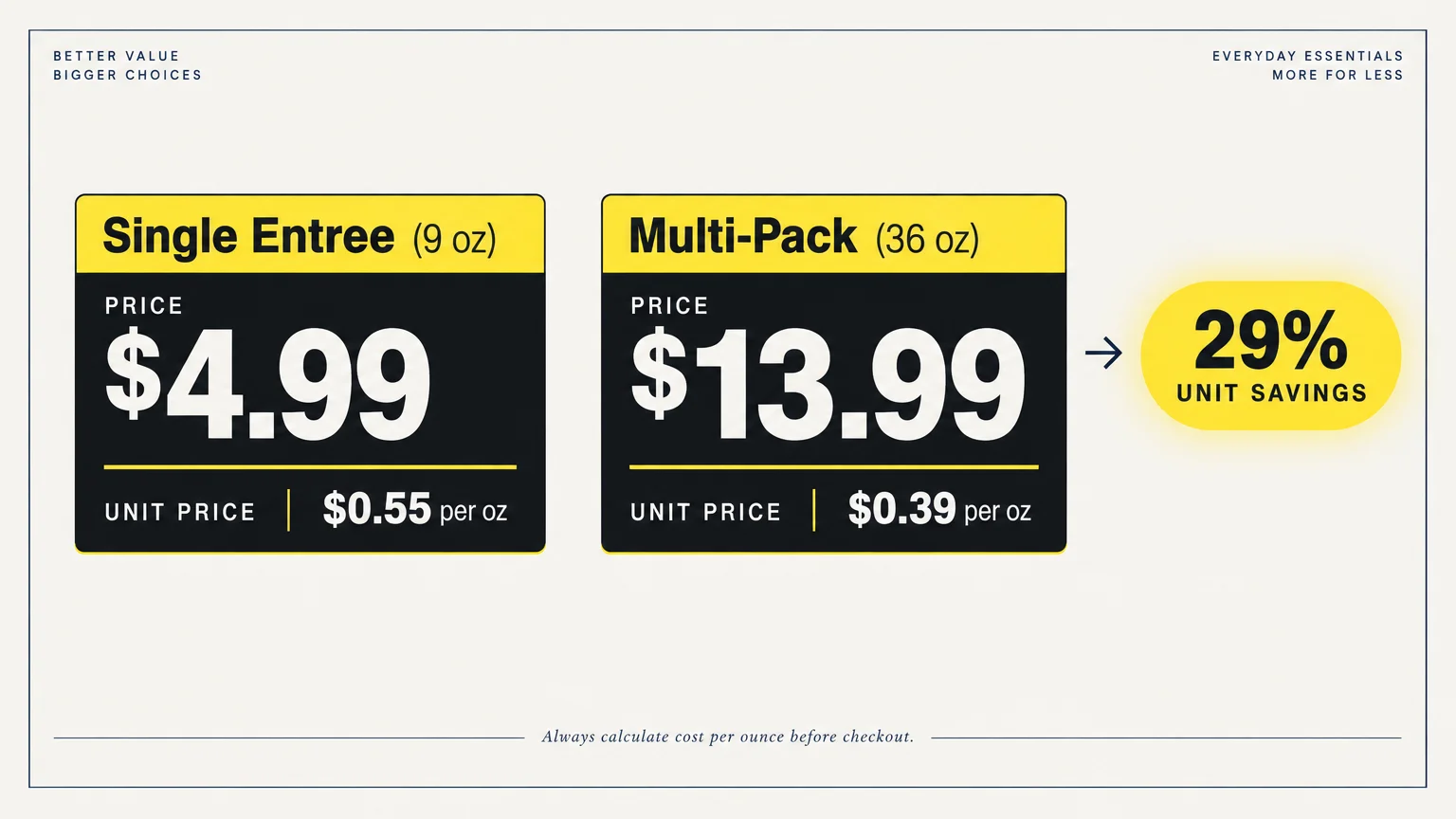
Tip #18: Compare Unit Prices Between Single Servings and Family Packs
Many grocery brands sell their popular skillet meals and bakes in multi-serving bags. Calculate the cost per ounce using the shelf tag before picking single-serve boxes.
Buying a 32-ounce family bag and portioning it into glass containers often trims 25 percent off your per-meal cost. You get identical recipes while trimming manufacturing packaging markups.
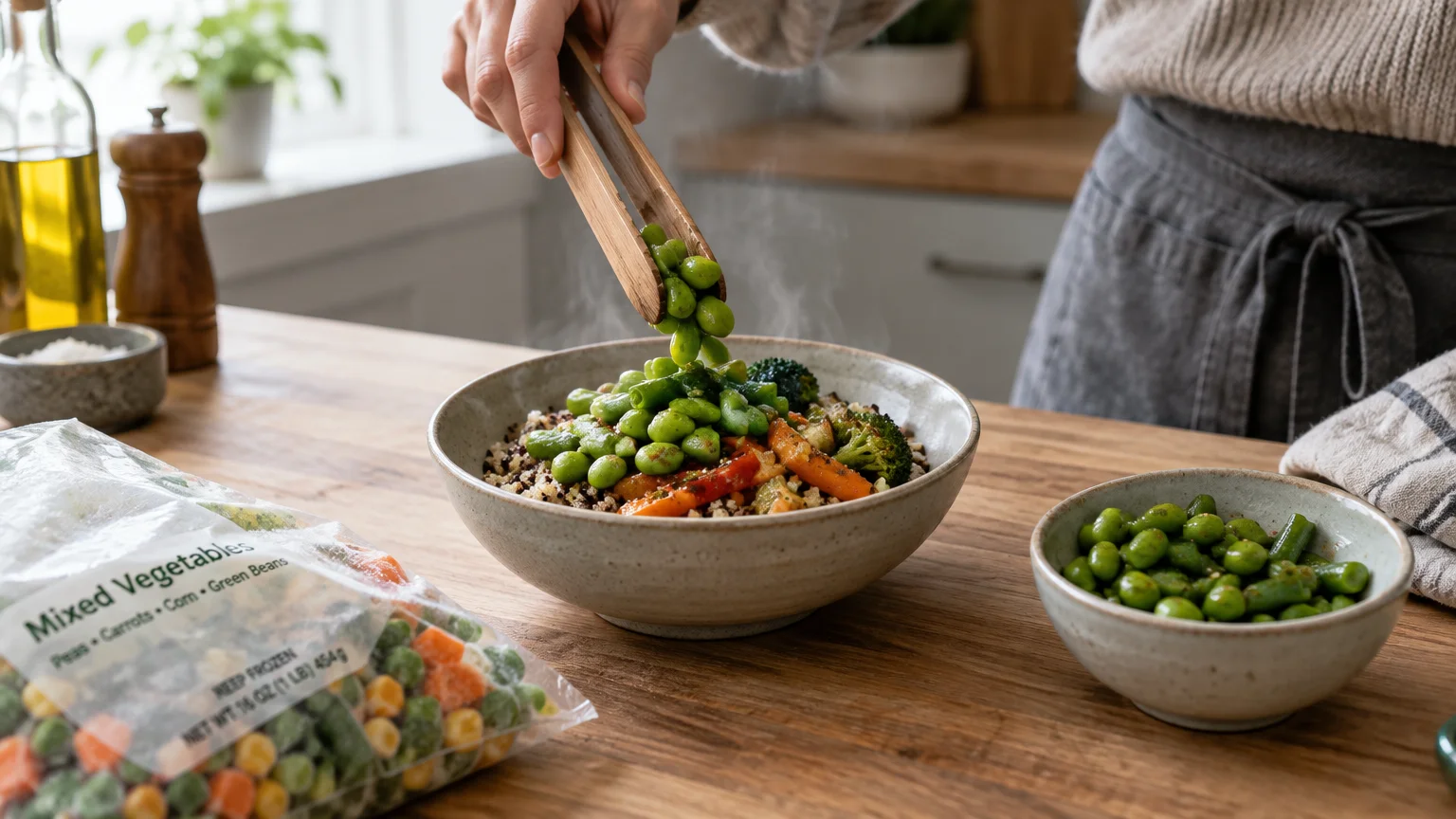
Tip #19: Supplement Cheap Bowls with Your Own Frozen Veggies
If you buy basic $3 steamer bowls, elevate them by stirring in half a cup of plain frozen broccoli or peas. A standard two-pound bag of frozen vegetables costs less than two dollars.
This simple trick doubles your vegetable intake and fiber for just pennies per portion. It transforms an ordinary frozen entree into a dense, nutrient-packed feast.

Tip #20: Check the Ingredient List for Real Herbs and Spices
High-scoring entrees get their punch from ginger, cumin, garlic, and cilantro rather than artificial flavoring agents. Read past the label promises and scrutinize the fine print.
When a brand uses real spices, the entree tastes freshly cooked instead of chemically engineered. Real ingredients also eliminate the flat, metallic aftertaste found in discount dinners.
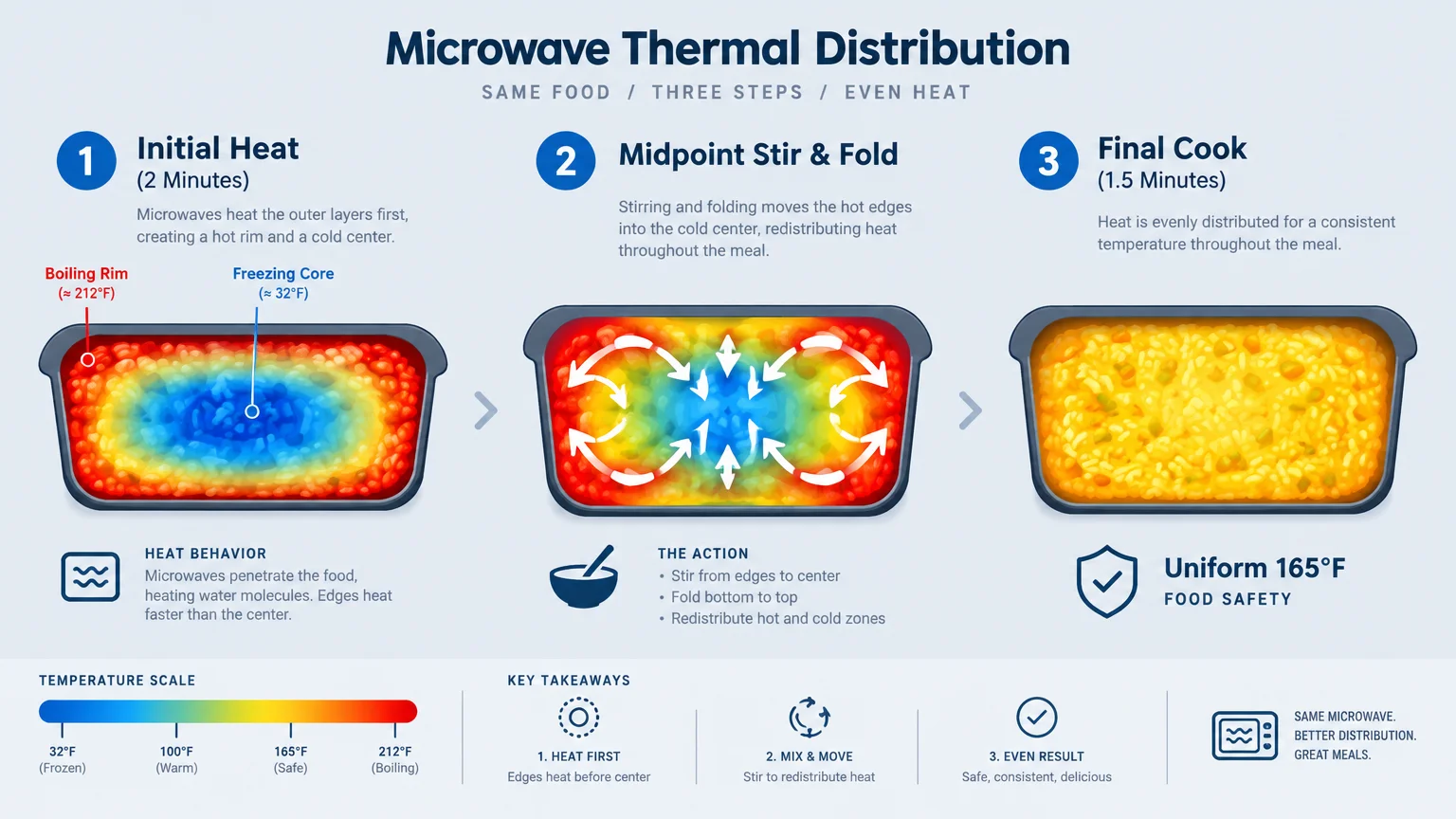
Tip #21: Stir Halfway Through Cooking to Eliminate Frozen Cold Spots
Microwave ovens heat unevenly, leaving center spots icy while the outer edges overcook. Pausing the microwave halfway through the cycle to stir ensures heat distributes evenly.
This basic culinary habit restores sauce consistency and guarantees safe internal temperatures. It takes only twenty seconds and prevents ruined, rubbery meals.

No longer want to receive