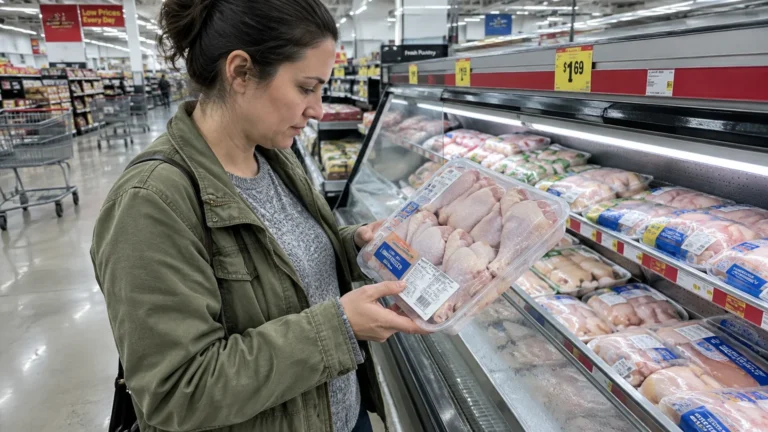
Living solo comes with freedom, quiet evenings, and a hidden grocery tax that quietly drains your paycheck. When you buy single-serving packages, supermarkets charge steep per-ounce markups that punish anyone cooking for one.
Warehouse clubs promise to rescue your budget with rock-bottom unit prices and wholesale bargains. Yet giant pallets of food often turn into expensive science experiments inside a half-empty refrigerator.
Here is what warehouse retailers do not want you to calculate before paying for an annual card. Run the real math on spoilage, storage, and fee tiers so you stop subsidizing someone else’s bargain.
Shopping Trap #1: Paying for Tiered Upgrades You Cannot Possibly Break Even On
Checkout cashiers love pitching VIP membership upgrades with promises that the cashback reward pays for itself. For a warehouse club single person budget, that sales pitch almost always collapses under basic arithmetic.
The Executive and Plus Tier Math
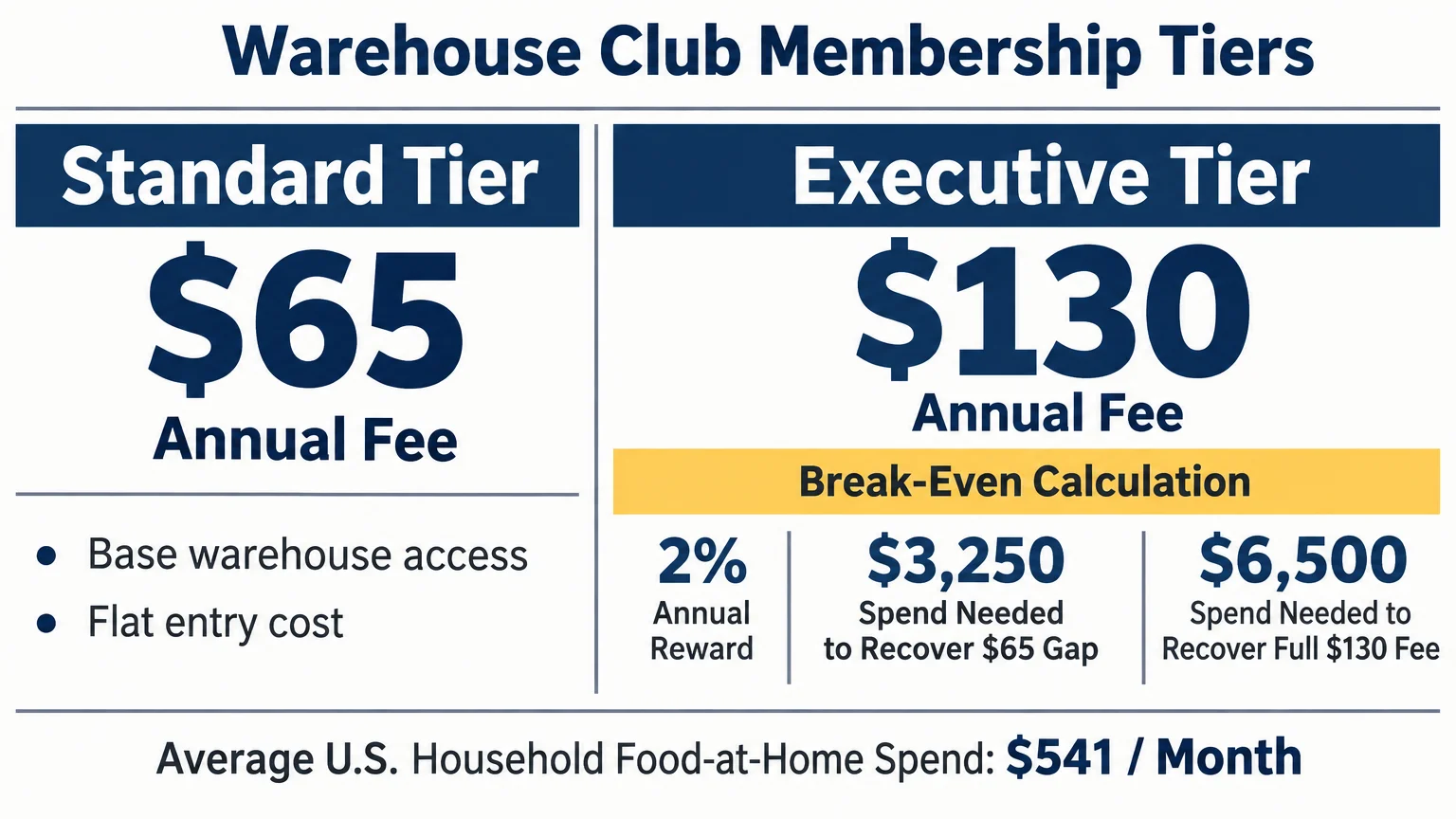
Costco charges $65 per year for its standard Gold Star membership and $130 per year for its Executive tier following its September 1, 2024 price increase. That $65 gap looks small until you calculate how much you must spend to recover it.
Executive members earn an annual 2% reward capped at $1,250 per year on eligible Costco, Costco.com, and Costco Travel purchases. Because you only earn two cents per dollar, you must spend $3,250 per year—roughly $271 every month—just to break even on the $65 upgrade.
Recovering the entire $130 annual fee requires $6,500 in qualifying annual spending, or about $542 every single month. Even worse, big-ticket spending categories like gasoline, tobacco, food court meals, and Costco Shop Cards are excluded from that 2% calculation.
Compare that hurdle to 2025 data from the U.S. Bureau of Labor Statistics Consumer Expenditure Survey. The average U.S. consumer unit—which averages 2.4 people—spent $6,491 per year, or $541 per month, on food at home.
Expecting one person to match a multi-person household’s entire annual grocery spend at a single store is unrealistic. Unless you buy furniture, appliances, or vacation packages through Costco, the Executive upgrade costs you money.
Costco also gives Executive members early morning shopping hours and a $10 monthly credit on eligible Instacart-powered SameDay.Costco.com orders of $150 or more. Spending $150 per delivery when you live alone simply pressures you into buying extra items you do not need.
Sam’s Club and BJ’s Upgrade Realities
Sam’s Club follows a similar playbook, pricing its standard Club membership at $60 per year and its Plus tier at $120 per year. Plus members earn up to 2% Sam’s Cash on qualifying purchases, capped at $500 per year.
That Plus upgrade also includes free shipping on eligible $50 orders, free curbside pickup, and select free generic prescriptions. In Arizona, California, and Minnesota, those select generics cost $2 for a 30-day supply instead of free.
BJ’s Wholesale Club raised its fees on January 1, 2025, setting its base Club card at $60 per year and Club+ at $120 per year.
Club+ earns 2% back capped at $500 per 12-month period, five cents off per gallon at BJ’s Gas, and two free same-day deliveries on $50 orders.
Notice the pattern across all three warehouse chains. Every upgraded tier doubles your upfront fee while locking rewards behind strict exclusions and annual spending thresholds designed for large families.
Stick to the $60 or $65 base membership unless your actual receipts from the past year prove you cleared the break-even mark. Never upgrade based on optimistic guesses about what you might buy later.
Shopping Trap #2: Falling for the Illusion of Low Unit Prices on Perishables
Retailers know solo shoppers feel squeezed at traditional supermarkets, and for good reason. According to U.S. Census Bureau 2026 Current Population Survey estimates, there are 40.5 million one-person households in America, representing 30% of all households—up from 21% in 1976.
Because single shoppers lose economies of scale, the U.S. Department of Agriculture explicitly advises adding 20% to per-person food costs for a one-person household compared to a four-person family.
Under the September 2026 USDA Thrifty Food Plan, baseline at-home food costs reach $304.68 per month for a solo woman and $382.80 per month for a solo man ages 20 to 50.
That cost penalty drives many solo eaters toward bulk buying alone without checking spoilage math. Stores display huge unit-price savings on shelf tags, yet those tags assume you eat every ounce inside the package.
The Real Price Tag of Spoiled Groceries
When a five-pound bag of salad or three-pound carton of strawberries goes slimy before you finish it, your cheap unit price turns into an illusion. Throwing away half a bargain means you actually paid double the advertised unit cost for the food you ate.
According to U.S. Environmental Protection Agency estimates, consumer food waste costs an average of $728 per person every year, or $2,913 annually for a family of four. Nonprofit ReFED puts the annual toll even higher at $780 to $800 per person.
Across the country, the USDA estimates that 30% to 40% of the U.S. food supply goes uneaten. For a single person trying to justify a $65 membership card, losing several hundred dollars to the garbage can completely erases your savings.
Certain warehouse aisles cause far worse financial damage than others. EPA data shows meat and poultry generate the highest dollar loss at $133 per person per year.
Fresh produce leads by weight, with fruits and vegetables accounting for 39% of all consumer food waste. Meanwhile, USDA Economic Research Service data reveals that seafood suffers the highest waste rate, with 31% of consumer purchases thrown away.
Look closely at your trash bin before putting bulk produce, fresh fish, or oversized dairy tubs into a flat-bed cart. Buying smaller quantities at a regular grocery store—even at a higher sticker price per ounce—often leaves more cash in your pocket.
Shopping Trap #3: Letting Date Labels Trick You Into Throwing Away Good Food
Even when solo shoppers stick to pantry staples, scary-looking dates stamped onto cartons trigger unnecessary waste. Warehouse packages take months for one person to finish, so conservative printed dates create constant anxiety in a single-person kitchen.
Quality Dates vs. Safety Deadlines
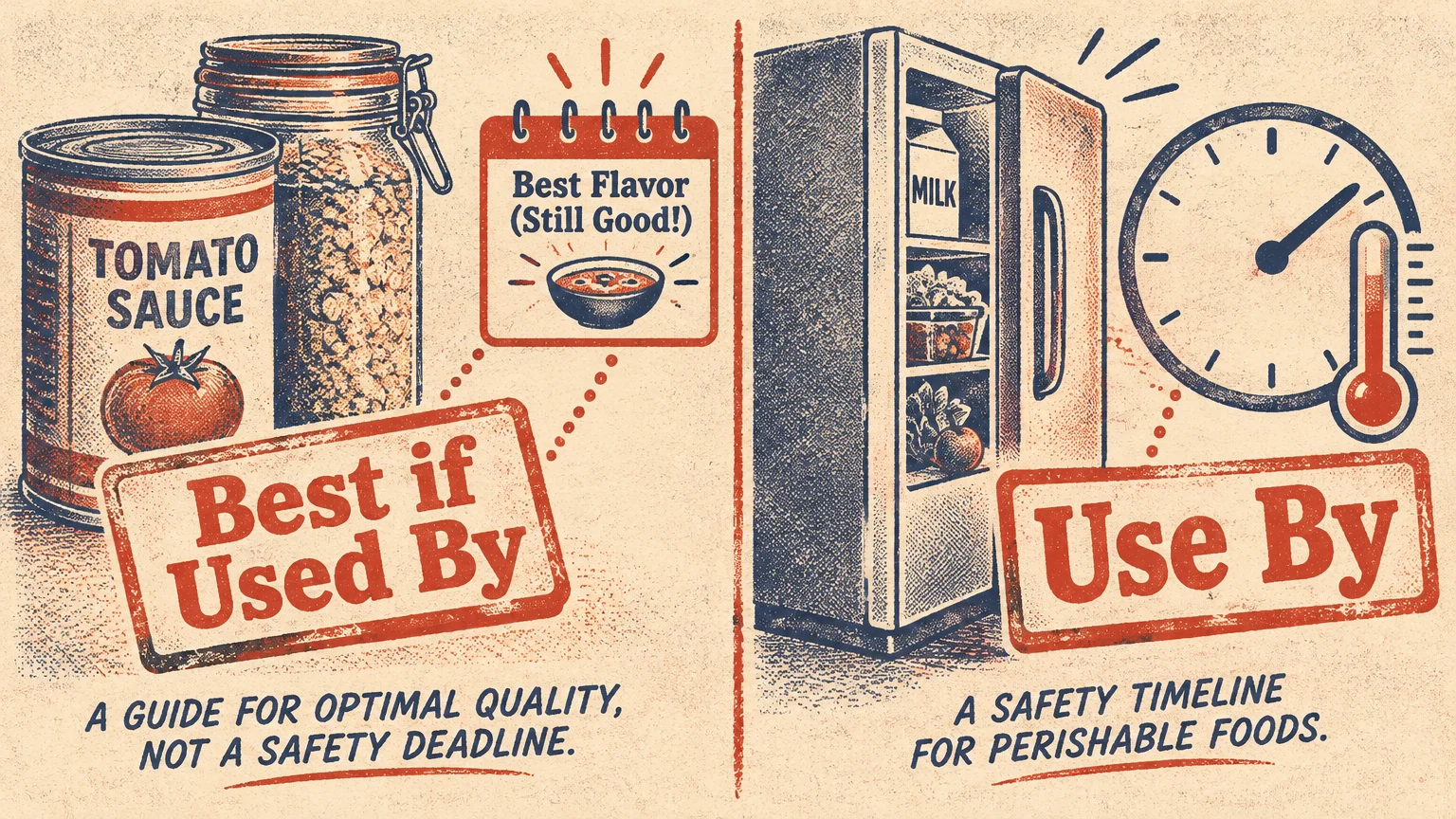
Retailers print dates on packaging to protect brand reputation and encourage faster turnover, not to signal sudden danger. The USDA Food Safety and Inspection Service clarifies that “Best if Used By” dates indicate peak flavor and texture rather than food safety.
Foods showing no signs of off-odors, mold, or spoilage remain completely safe to eat past those quality dates. Infant formula is the one strict exception, as it should never be bought or consumed after its “use by” date.
Once you separate quality preferences from real safety hazards, bulk dry goods become much friendlier for solo households. A giant box of oats, coffee beans, or pasta does not magically turn toxic the morning after its printed date passes.
Pantry Shelf Life You Can Actually Trust
Official federal guidance confirms that properly stored canned foods last far longer than most shoppers assume. When kept in a cool, dry pantry, high-acid canned foods such as tomatoes and pineapple maintain top quality for 12 to 18 months.
Low-acid canned staples—including canned meats, fish, beans, and most vegetables—last two to five years on your shelf. That multi-year runway gives one person plenty of time to finish a 12-pack of black beans or diced tomatoes.
Before tossing any shelf-stable warehouse buy, inspect the container for dents, bulges, rust, or leaks. If the seal is intact and the food looks and smells normal, keep it in your rotation and protect your grocery budget.
Shopping Trap #4: Freezing Bulk Meat Wrong and Ruining Your Savings
Ask anyone who swears by costco for one how they avoid waste, and they will point straight to their freezer. Freezing turns oversized family packs of beef, chicken, and pork into affordable single-portion meals—provided you follow strict food safety and packaging rules.
Temperature Rules and the Danger Zone
Start by checking your appliance dials with a cheap thermometer rather than guessing. FoodSafety.gov and FDA guidelines instruct keeping refrigerators at 40°F or below and freezers at 0°F or below.
Here is a critical distinction most shoppers miss: frozen food kept continuously at 0°F remains safe indefinitely. Federal freezer storage charts measure taste and texture quality, whereas refrigerator limits represent strict safety deadlines you should never stretch.
Beware of warm kitchen counters while dividing bulk meat packs into smaller portions. Perishable food left in the 40°F to 140°F danger zone for more than two hours—or one hour if room temperatures exceed 90°F—must be thrown away.
Exact Storage Timelines for Solo Shoppers
Every protein follows a different clock depending on whether it sits in your fridge or your freezer.
Ground meats and ground poultry—including beef, turkey, chicken, and pork—stay safe just one to two days refrigerated and keep top quality for three to four months frozen.
Fresh steaks, chops, and roasts of beef, veal, lamb, or pork last three to five days in the fridge and four to 12 months in the freezer.
Whole raw chickens and turkeys keep one to two days refrigerated and up to one year frozen, while poultry pieces last nine months frozen.
Cooked meat and poultry leftovers hold safely for three to four days in the refrigerator and keep quality for two to six months frozen. Bacon lasts one week refrigerated and only one month in the freezer before fat starts tasting stale.
Watch out for sandwich staples and ready-made warehouse trays that lure busy solo eaters.
Opened deli meat lasts three to five days refrigerated—two weeks unopened—and freezes for one to two months, while prepared deli salads last three to four days refrigerated and do not freeze well.
Eggs require special discipline when you buy oversized flats. Fresh eggs in the shell keep four to five weeks in the refrigerator, and you should never freeze them inside their shells.
The Two-Month Repackaging Rule
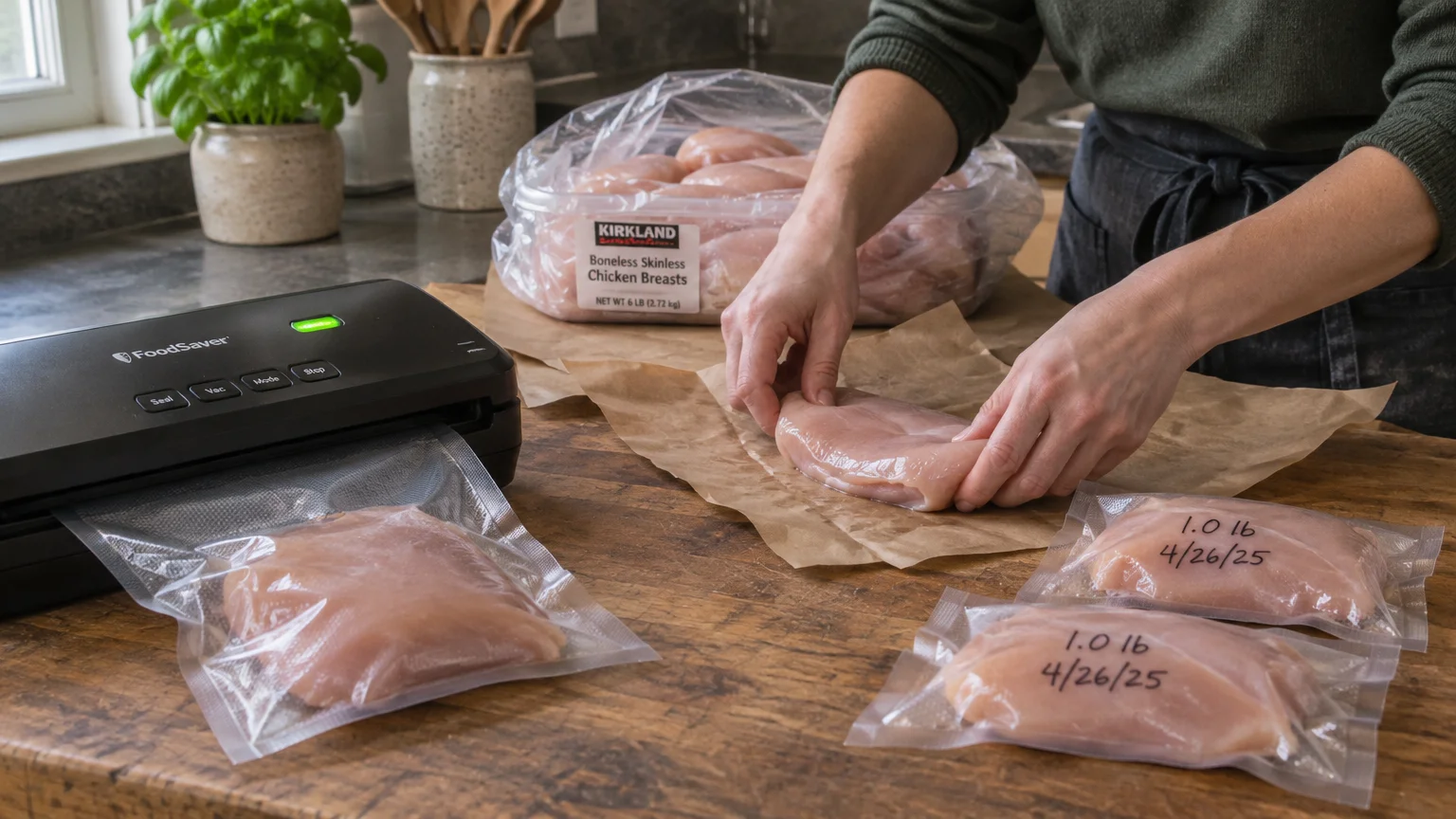
Tossing a giant foam tray of chicken thighs straight into the freezer is a classic beginner mistake that ruins expensive meat. Store-bought plastic wrap allows air to creep in, creating tough, dry freezer burn within weeks.
FDA guidance advises that any meat or poultry frozen in original store packaging for longer than two months needs extra protection. Overwrap packages tightly with airtight heavy-duty foil, plastic wrap, freezer paper, or slide them inside sealed freezer bags.
Take 15 minutes right after unloading your groceries to split bulk packs into single-person portions. You keep meat tasting fresh for months and stop thawing three pounds of beef just to cook one burger.
Shopping Trap #5: Ignoring the Two-Card Household Loophole and Non-Member Access
Warehouse clubs rely on shoppers assuming everyone needs their own paid account to walk past the register. Yet built-in card allowances and little-known legal exemptions let solo buyers slash fees or bypass memberships altogether.
Splitting the Card and Using the Satisfaction Guarantee
Costco, Sam’s Club, and BJ’s all include two membership cards with every single account—one primary card plus one household member. If you live with a roommate, partner, or relative, splitting a $60 or $65 card drops your annual cost to around $30.
Both Costco and Sam’s Club also back memberships with a 100% satisfaction guarantee. If you realize after six or nine months that the club is not saving you money, you can cancel and get a full refund of your current-year fee.
Keep in mind that Sam’s Club limits Plus membership cancellations to one per household per year. Even with that guardrail, the guarantee effectively turns your first year into a zero-risk trial run.
How to Shop Costco Without Paying a Membership Fee
Costco now enforces entrance door scanners requiring members to scan a valid card showing an unobstructed photo. That strict gatekeeping makes borrowing a friend’s card at the register impossible, yet legal workarounds remain open.
Non-members can fill prescriptions at Costco pharmacies nationwide without holding a membership card. You can also book eye exams with independent optometrists located inside Costco warehouses without paying an annual fee.
State liquor laws create another wide-open loophole across 14 states: Arizona, California, Colorado, Connecticut, Delaware, Hawaii, Indiana, Kentucky, Massachusetts, Michigan, Minnesota, New York, Texas, and Vermont.
In those states, retailers cannot require a membership to buy beer, wine, or spirits, so non-members can request a temporary pass at the door.
If a generous friend or relative buys you a Costco Shop Card, you can enter the warehouse and pay at checkout without owning a membership. You can also order most non-exclusive items on Costco.com as a non-member by paying a 5% surcharge.
Do the quick break-even calculation on that 5% online surcharge before buying a $65 card. Unless you spend more than $1,300 per year online at Costco, paying the occasional 5% fee actually costs less than holding a membership.
Shopping Trap #6: Getting Hypnotized by Loss Leaders Into Impulse Cart Bloat
Warehouse clubs design every square foot of concrete to separate disciplined shoppers from their budgets. Without an extra person beside your cart questioning impulse grabs, solo trips can get expensive fast.
The Economics Behind the $1.50 Hot Dog
Costco’s fiscal 2026 SEC filings reveal an average merchandise markup of roughly 12.5%, historically capped around 14% to 15%. Meanwhile, $5.9 billion in annual membership fees generate roughly half of the company’s entire operating income.
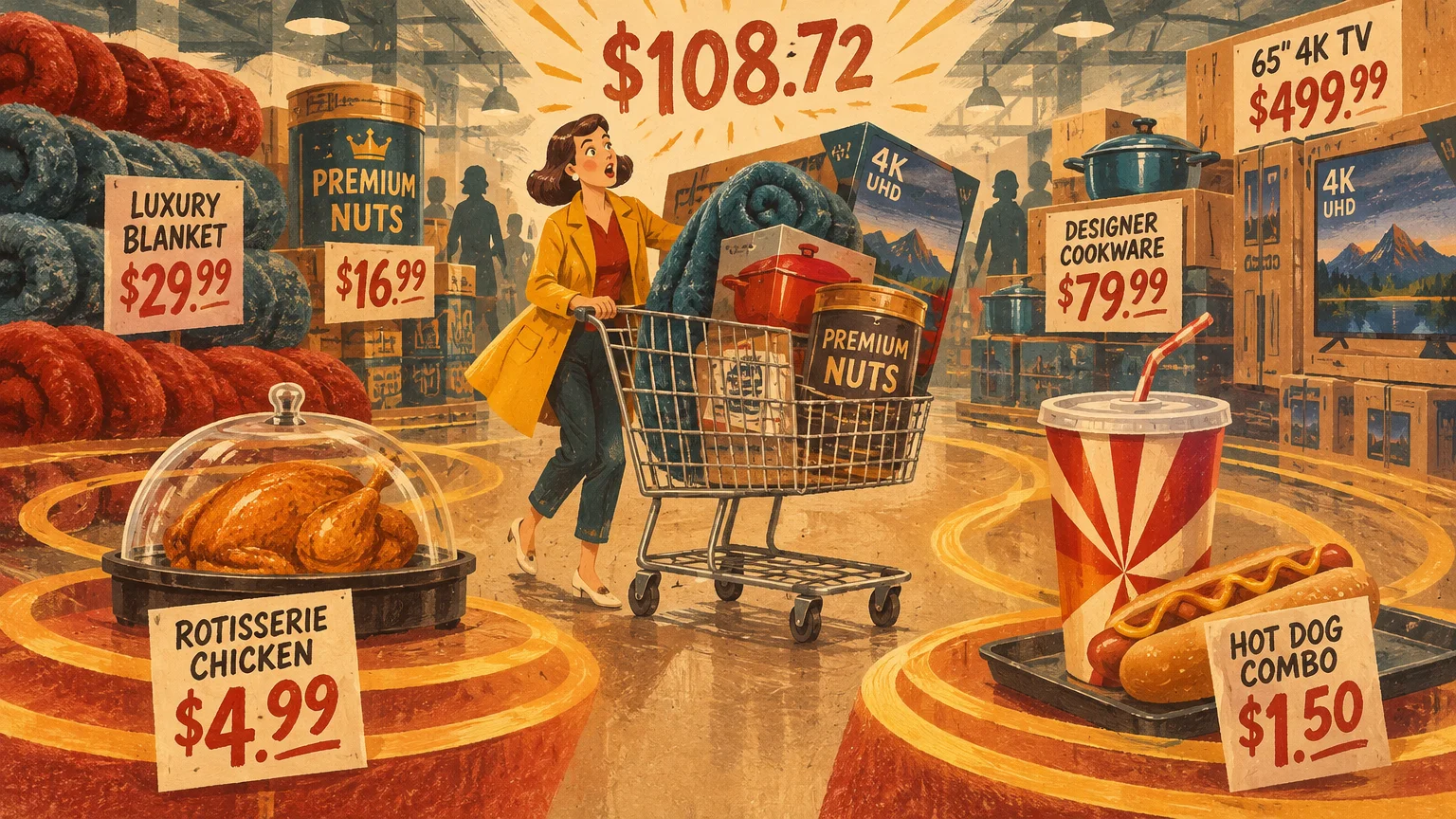
Because membership renewals drive profits, Costco uses ultra-cheap food to keep traffic flowing through the doors. Its legendary $1.50 hot dog and soda combo has stayed at the exact same price since 1985, selling 245.1 million combos in fiscal 2025 alone.
Walk toward the back wall and you hit another deliberate loss leader: the $4.99 rotisserie chicken averaging three pounds. Costco has held that price steady since 2009, moving 157.4 million birds in fiscal 2025.
How Treasure Hunts Wreck Solo Budgets
Getting a three-pound cooked chicken for $4.99 is genuinely one of the best deals in American retail, especially if you shred the leftovers for freezing. The trap springs during your walk from the back corner back to the checkout lanes.
Stores place high-margin seasonal clothing, kitchen gadgets, patio gear, and giant snack displays right along main walkways. Retailers call it a treasure hunt, yet marketers know rotating pallets trigger urgency and impulse spending.
Even a low 12.5% retail markup saves you zero dollars if you walk in for chicken and walk out with $140 of impulse buys. Protect your wallet by writing a tight list before entering, grabbing your staples, and skipping every center aisle.
Shopping Trap #7: Overlooking Fuel, Pharmacy, and Non-Food Membership Value
Many shoppers debate is costco worth it by looking solely at produce, meat, and dairy prices. That narrow view misses the easiest, fastest ways to lock in steady membership value when you live alone.
Pump Math That Pays Your Fee Automatically
Gasoline quietly consumes a massive slice of solo budgets, especially if you commute by car. According to AAA, the U.S. national average price for regular gas sat at $3.75 per gallon on November 18, 2026, after topping $4 per gallon earlier in the year.
In 2025, the average U.S. household spent $2,503 per year—or $209 per month—on gasoline and motor fuels per Bureau of Labor Statistics data. Warehouse fuel stations routinely undercut neighborhood corner stations by wide margins.
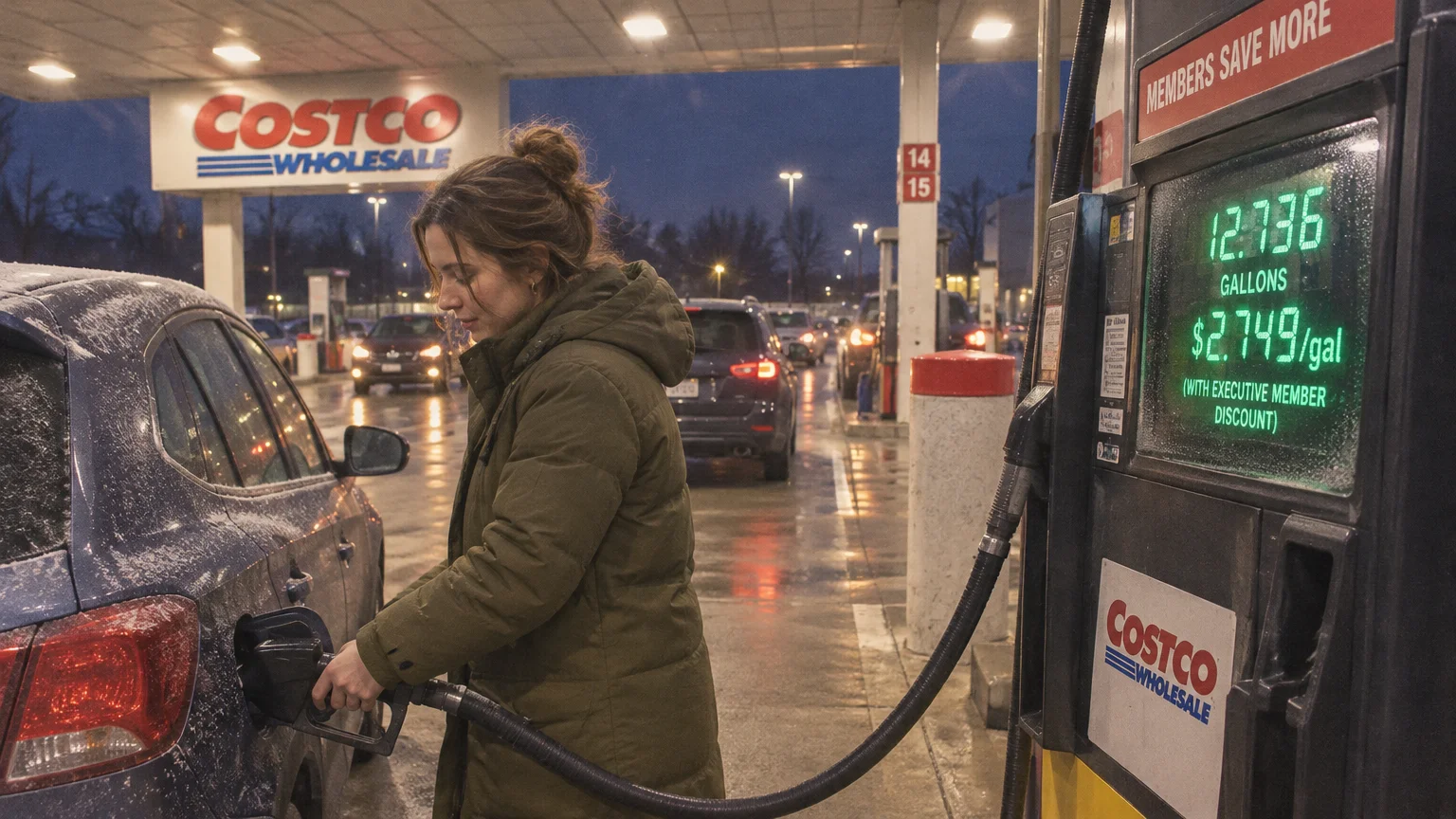
BJ’s Gas advertises average savings of 20 cents per gallon, plus an extra five cents off for Club+ members. Run the quick math on what a 20-cent discount means for a single driver filling up once a week.
If you pump just 10 gallons per week at a 20-cent discount, you save $2 every week, or $104 over 52 weeks. Your fuel savings alone wipe out a $60 or $65 base membership fee before you buy a single paper towel inside the store.
Inflation-Proof Non-Perishables
Recent inflation trends make locking in low prices on everyday staples even more valuable. Per the USDA Economic Research Service October 2026 Food Price Outlook, grocery prices in September 2026 were 1.8% higher year-over-year, while restaurant prices jumped 3.5%.
When dining out gets pricier, cooking at home and stockpiling non-food household supplies keeps monthly bills predictable. Paper towels, toilet paper, trash bags, dish pods, laundry detergent, and over-the-counter allergy pills never rot.
Even a small apartment closet can hold a six-month supply of detergent and paper goods if you skip bulky extra appliances. Focus your membership on items with infinite shelf lives, and spoilage stops threatening your return on investment.
Shopping Trap #8: Confusing the Three Major Clubs When One Clearly Fits Solo Shoppers Better
Too many single shoppers default to whichever warehouse sits closest to the highway without comparing how each chain operates. Differences in pack sizing, coupon rules, and pickup options decide whether a club fits your lifestyle or drains your budget.
BJ’s vs. Sam’s Club vs. Costco for One
BJ’s Wholesale Club ($60 base fee) often works best for single-person households because its pack sizes lean closer to standard grocery portions. Better yet, unlike Costco and Sam’s Club, BJ’s accepts all manufacturers’ coupons on top of warehouse prices.
Sam’s Club ($60 base fee) stands out for solo convenience and prescription perks if you upgrade selectively or rely on delivery. Its Plus tier includes free curbside pickup, free shipping on $50 orders, and select free generic prescriptions that can easily beat traditional pharmacy copays.
Costco ($65 base fee) shines on high-quality private-label goods, optical deals, fuel savings, and low-cost rotisserie chickens. Yet its massive multi-packs demand strict freezer organization and firm resistance against treasure-hunt impulse buys.
Verify Claims Before You Commit
Before locking into any club for automotive tires, optical exams, travel packages, or extended appliance warranties, verify policies independently. Reading fine print upfront stops expensive surprises if a club changes delivery minimums or return rules.
To check for scams and false advertising, visit the FTC. For unbiased product reviews, consult Consumer Reports.
Business ratings are also available at the Better Business Bureau whenever you compare big-ticket club services or travel vendors.
Your Action Plan: How to Be a Smarter Shopper
Living on one income leaves almost no margin for wasted retail spending. Per 2025 Bureau of Labor Statistics data, one-person households spent an average of $4,207 per month total—representing 90% of pretax income, the highest spending-to-income ratio of any household size.
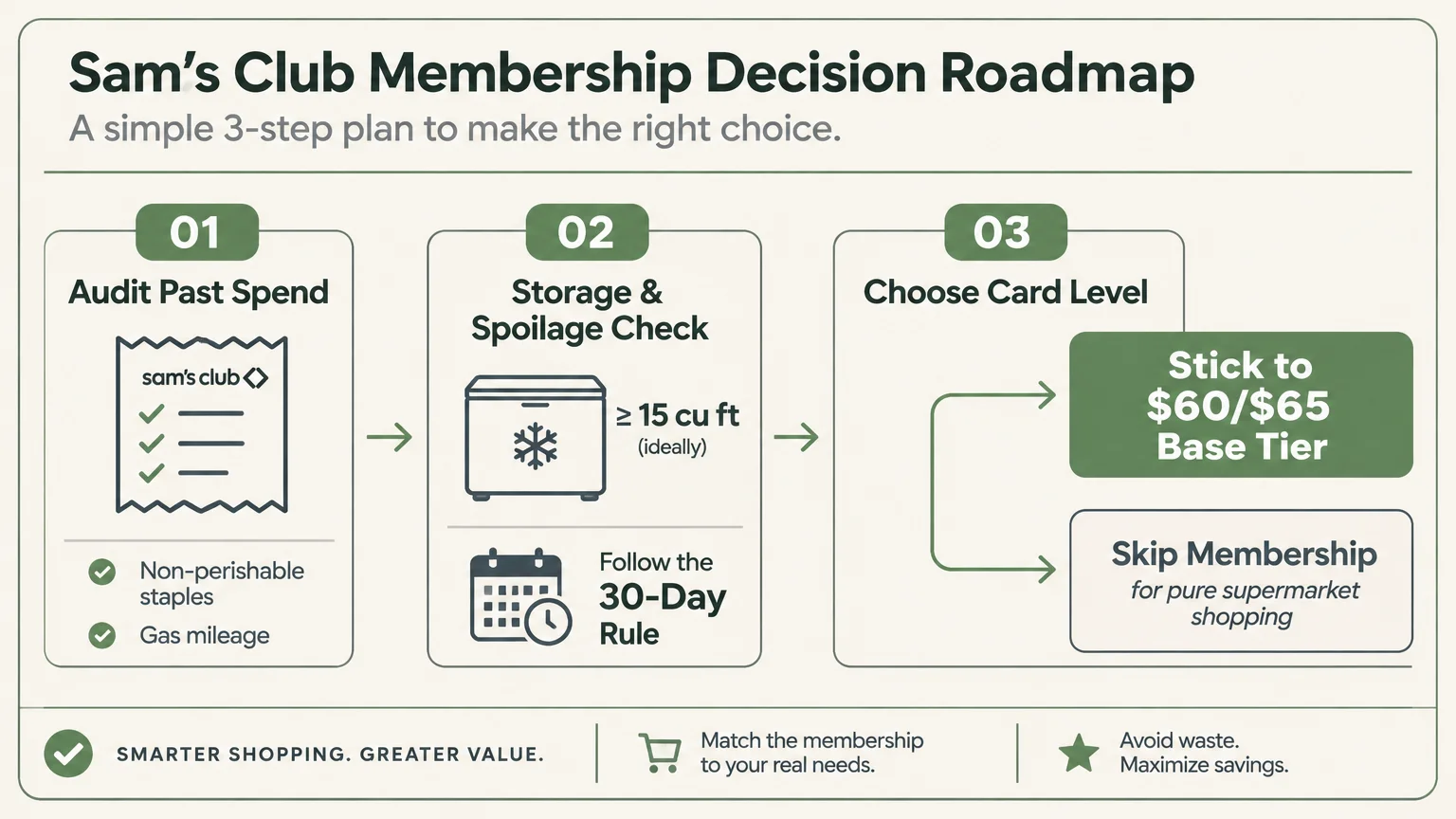
Use these four simple steps on your next shopping trip to ensure your warehouse club works for your bank account rather than against it.
1. Run the Gas and Non-Perishable Test First
Multiply your weekly fuel gallons by expected station savings, then add what you save yearly on toilet paper, detergent, coffee, and OTC medications. If that conservative total easily clears $65, the base card pays for itself before you buy fresh food.
2. Reject Tiered Upgrades Until Receipts Prove It
Start on the $60 or $65 entry membership and keep every receipt for 11 months. Never pay $120 or $130 upfront unless hard numbers show you spend over $3,250 per year on eligible club purchases.
3. Prep Your Freezer Before Visiting the Meat Aisle
Keep heavy-duty freezer bags, aluminum foil, and a permanent marker ready at home before buying bulk beef or chicken. Portion single meals immediately and overwrap any meat staying frozen past two months so zero dollars go toward freezer-burned trash.
4. Set an 11-Month Satisfaction Audit
Put a reminder on your phone 30 days before your renewal date to add up your actual savings minus spoiled food. If the math comes up short, walk to the customer service desk and use the satisfaction guarantee for a full fee refund.
Frequently Asked Questions
Can I shop at Costco without a membership if I live alone?
Yes, several legal workarounds bypass the $65 fee completely. Non-members can use Costco pharmacies and independent optometrists nationwide, buy alcohol with a temporary door pass in 14 states, pay with a member-bought Costco Shop Card, or shop Costco.com with a 5% surcharge.
Is Costco Executive or Sam’s Club Plus worth it for one person?
For most solo shoppers, no. Costco’s $130 Executive tier requires $3,250 in qualifying annual spending just to cover the $65 upgrade fee, while Sam’s $120 Plus tier mainly pays off if you consistently use included generic prescriptions, curbside pickup, and $50+ free shipping.
What are the best bulk items for a single person to buy?
Prioritize items that cannot spoil quickly and products you consume daily. Gasoline, toilet paper, trash bags, laundry detergent, olive oil, coffee beans, low-acid canned goods lasting two to five years, and $4.99 rotisserie chickens you portion and freeze deliver dependable returns.
Can I cancel my warehouse club membership if I am not saving money?
Yes, both Costco and Sam’s Club offer a 100% satisfaction guarantee that refunds your current-year membership fee in full if you are dissatisfied. Just remember that Sam’s Club limits Plus membership cancellations to one per household per year.
Disclaimer: The opinions in this article are for informational and entertainment purposes. Brands, products, and store policies can change.
Always verify information and prices before making a purchase.