

Drugstores trick you into overpaying by placing high-margin products right at eye level. You can easily save hundreds of dollars each year by spotting these marked-up items.
Big-name manufacturers spend millions on flashy packaging to convince you that their chemical formulas work better than identical alternatives. In reality, federal standards require generic store brands to deliver the exact same active ingredients.
Knowing which pharmacy products are not worth the markup gives your budget an instant financial boost. Here are ten overpriced drugstore items you should stop buying today.
Tip #1: Brand-Name Pain Relievers
You throw money away every time you buy brand-name pain relievers like Advil, Tylenol, or Aleve. Drugstores charge up to four times more for the glossy label on the bottle.
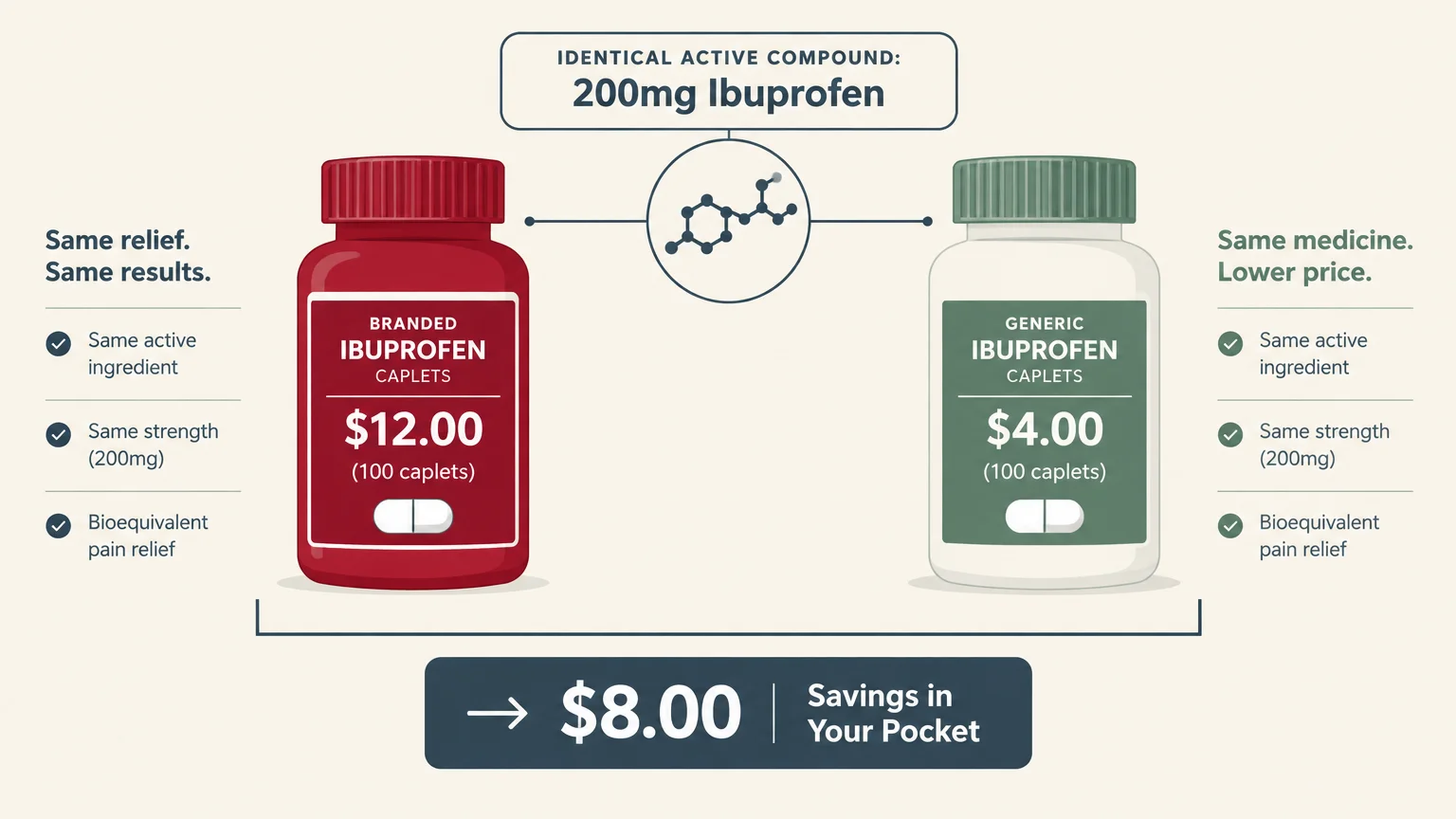
The FDA enforces strict bioequivalence standards for all over-the-counter pain medications. Generic ibuprofen contains the exact same active compound as Advil, right down to the molecular level.
A bottle of 100 name-brand caplets often costs twelve dollars; an identical bottle of generic store-brand caplets costs less than four dollars. That simple choice leaves eight dollars in your pocket.
Manufacturers claim their proprietary coatings or rapid-release gels work faster. However, clinical studies show negligible differences in actual pain relief absorption times.
Save money at the pharmacy by flipping the bottle over to check the active ingredients list. When the chemical name and dosage match, always buy the cheaper store brand.
Big pharma banks on your brand loyalty and vulnerability when you have a pounding headache. Refuse to pay a premium for their marketing campaigns.
Tip #2: Branded Cold and Flu Combination Syrups
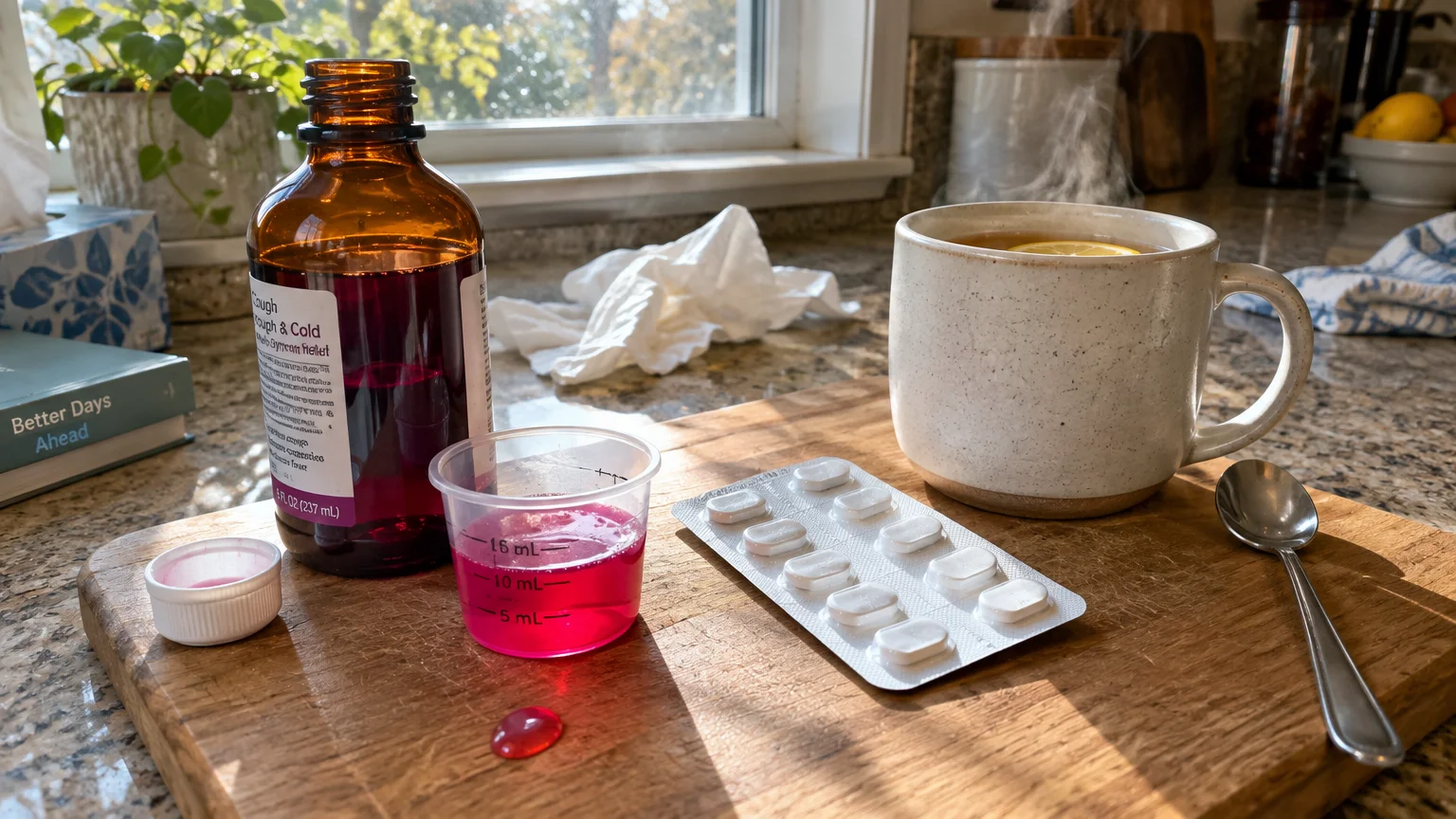
Multi-symptom cold and flu syrups are among the most overpriced pharmacy items on retail shelves. A single bottle of name-brand syrup can easily cost you fifteen dollars or more.
These combination formulas bundle acetaminophen, cough suppressants, decongestants, and antihistamines into one sugary liquid. You often end up paying for medications that address symptoms you do not even have.
Liquid syrups also carry a massive premium simply for being flavored and pre-mixed. You pay extra for water, artificial coloring, and high-fructose corn syrup.
You can treat your actual symptoms far more effectively by buying targeted, generic single-ingredient tablets. If you only have a stuffy nose, buy generic pseudoephedrine behind the pharmacy counter.
Targeted single-ingredient pills cost a fraction of multi-symptom liquids and last longer in your medicine cabinet. You avoid unnecessary medication while keeping more cash in your wallet.
Taking separate generic pills also prevents dangerous accidental double-dosing. That safety benefit alone makes skipping the combination syrups a smart healthcare move.
Ditch the expensive syrups and let your body recover without paying for unneeded additives. Your wallet will feel better immediately.
Tip #3: Name-Brand Allergy Medications
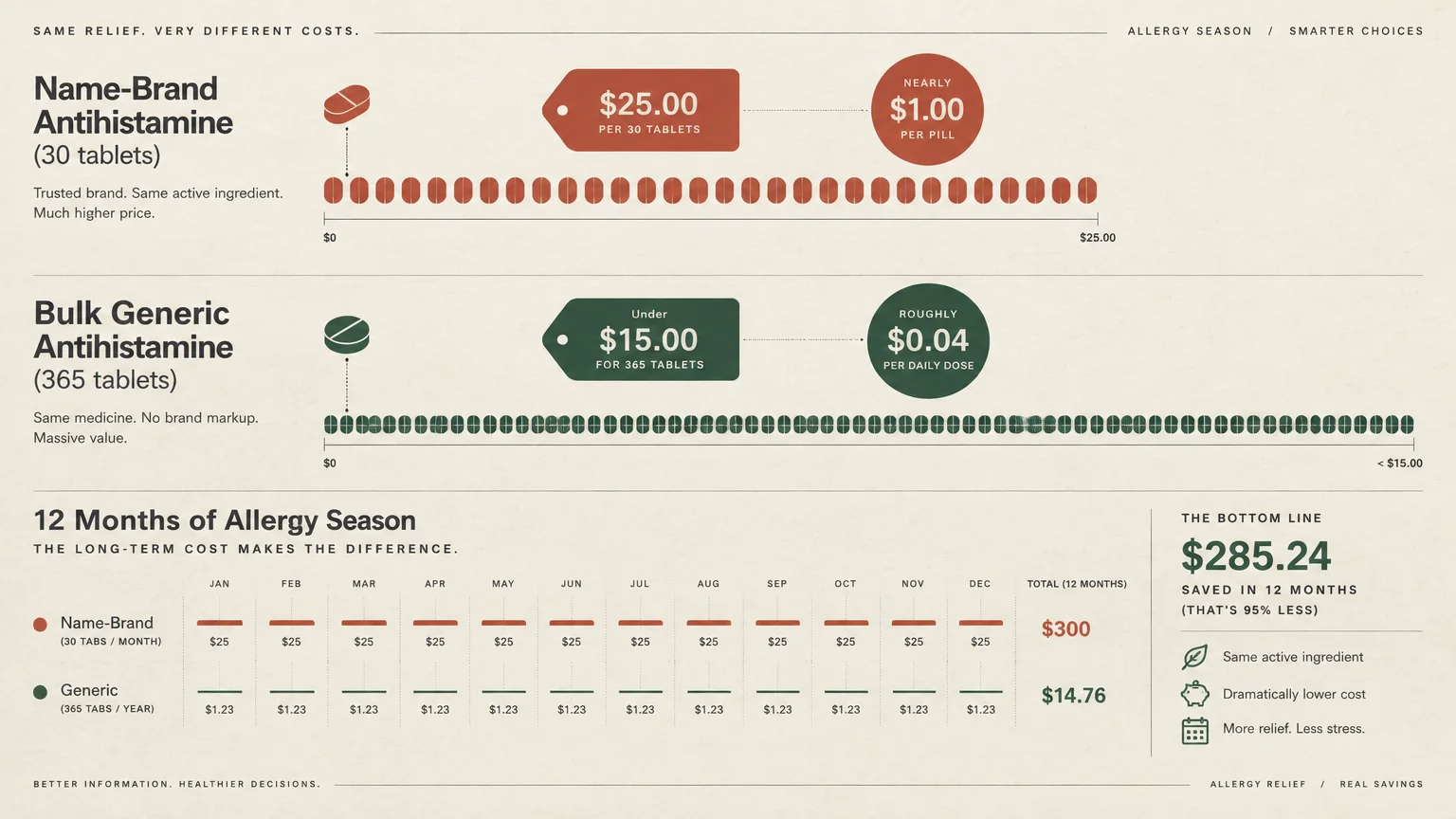
Seasonal allergies can drain your bank account if you buy branded antihistamines like Claritin, Zyrtec, or Allegra. A 30-day supply of these brand-name pills routinely retails for twenty to thirty dollars.
The patent on these second-generation antihistamines expired years ago. Generic alternatives—specifically loratadine, cetirizine, and fexofenadine—deliver the exact same allergy relief for pennies on the dollar.
Warehouse clubs and discount grocers sell massive 365-tablet bottles of generic allergy pills for under fifteen dollars. That works out to roughly four cents per daily dose.
Compare that to paying nearly a dollar per pill for the brand-name equivalent at a corner drugstore. That single switch creates massive pharmacy savings across an entire allergy season.
Drugstore products not worth it include small, overpriced 10-count packages placed at checkout counters. Always buy your generic allergy medication in bulk bottles to maximize your savings.
Talk to your pharmacist if you feel uncertain about switching to generic vs brand name drugs. They will confirm that the active molecules provide identical physiological relief.
Never let clever commercial jingles dictate your healthcare spending. Reach for the generic bottle and keep twenty dollars in your pocket every month.
Tip #4: Branded Saline Nasal Sprays
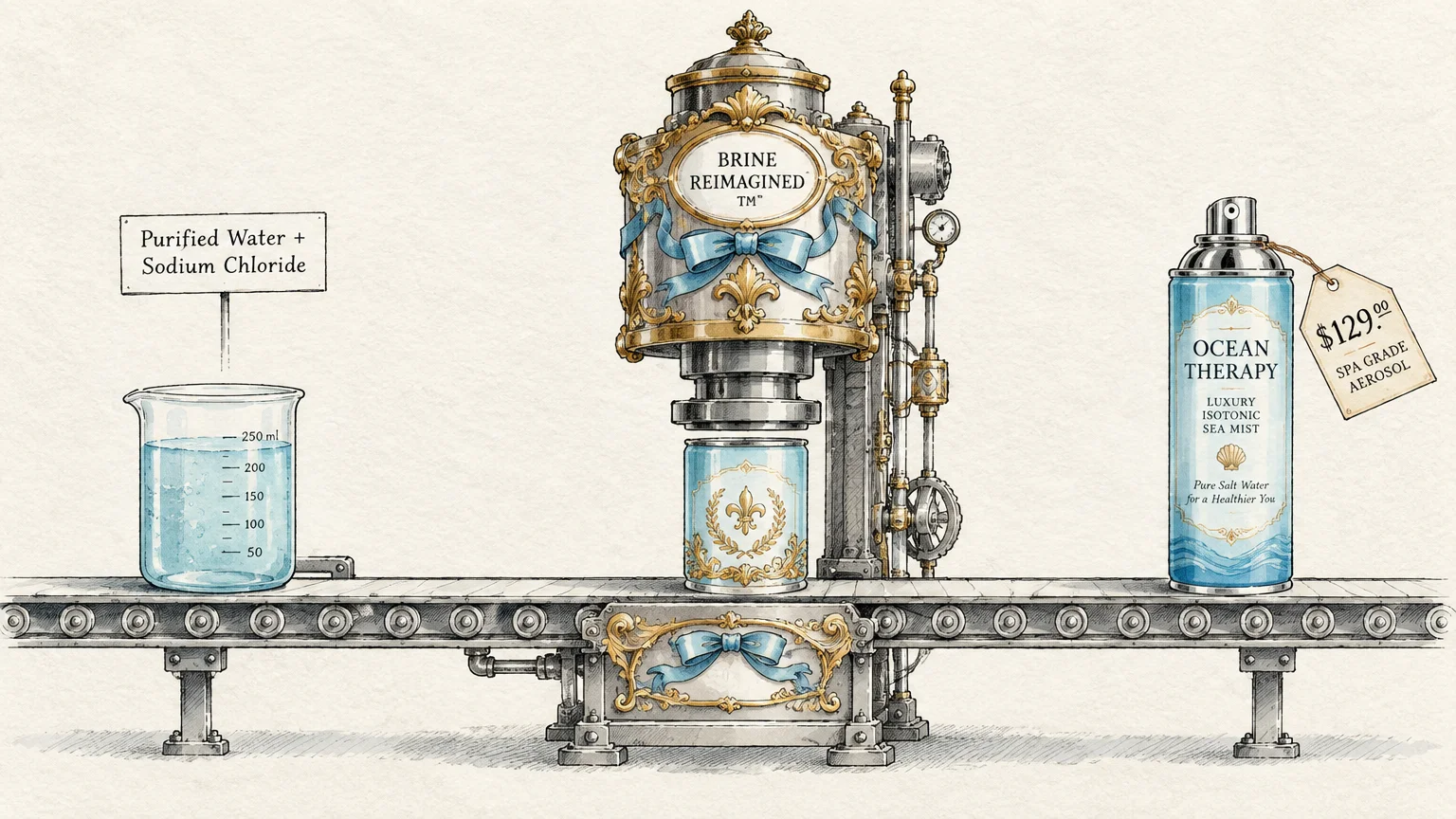
Few products represent a more egregious markup than branded saline nasal sprays. Manufacturers charge eight to twelve dollars for a tiny plastic bottle containing saltwater.
The formula consists of purified water and sodium chloride, sometimes with a mild preservative. You are effectively paying premium prices for ordinary tap water filtered through basic chemistry.
Drugstore house brands offer the exact same sterile saline solution for less than half the price. The physiological action—moisturizing nasal passages and clearing mucus—is purely mechanical.
Specialized nozzles and pressurized cans add zero therapeutic benefit to standard nasal hydration. They merely serve as marketing justifications for higher price tags.
You can even purchase distilled water and USP-grade salt packets to make sterile rinse solution at home. That method provides endless refills for pennies instead of regular ten-dollar drugstore runs.
Stop letting pharmaceutical marketers convince you that fancy aerosol mist justifies an astronomical markup. Generic squeeze bottles deliver identical relief without gutting your budget.
Keep a simple generic saline bottle in your cabinet for dry winter months. You get clean sinuses while keeping your hard-earned cash where it belongs.

Tip #5: High-Dose Vitamin C and Immunity Powders
Immunity-boosting fizzy powders and chewables like Emergen-C and Airborne fill entire drugstore aisles. Retailers charge ten to fifteen dollars per box for what is essentially flavored ascorbic acid.
Your body can only absorb a small fraction of high-dose vitamin C at any given time. Anything beyond roughly 200 milligrams gets excreted rapidly in your urine.
Paying premium prices to megadose 1,000 milligrams of vitamin C creates expensive waste without strengthening your immune defenses. Scientific literature consistently debunks claims that massive vitamin doses stop colds.
A single whole orange or bell pepper delivers plenty of bioavailable vitamin C alongside dietary fiber. Whole foods provide balanced nutrients at a tiny fraction of the cost.
If you genuinely want a supplement, purchase generic store-brand multivitamins or basic ascorbic acid tablets. Avoid branded effervescent drinks packed with synthetic sweeteners and artificial dyes.
Save your hard-earned dollars for proven healthy habits like adequate sleep and balanced nutrition. Drugstore immunity powders offer nothing more than expensive psychological comfort.
Skip the flashy wellness boxes and drink a glass of water instead. Your immune system will perform just as well without wasting twelve dollars.

Tip #6: Name-Brand Heartburn and Acid Reflux Medications
Heartburn sufferers routinely waste substantial sums on branded antacids like Prilosec OTC, Nexium 24HR, and Pepcid AC. Pharmacies price these popular boxes at twenty-five to thirty dollars.
These medications rely on standard active ingredients—omeprazole, esomeprazole, or famotidine—to suppress stomach acid. The generic equivalents sit right next to the branded versions on the shelf.
Store-brand omeprazole provides the identical 20-milligram dose of acid reduction as name-brand Prilosec. You can frequently buy a three-pack of generic omeprazole for the price of one branded package.
Chewable calcium carbonate tablets like Tums also feature enormous markups compared to store brands. A generic bottle provides identical acid neutralization while saving you four to six dollars per purchase.
The FDA subjects all generic acid blockers to rigorous manufacturing inspections and chemical testing. There is zero therapeutic justification for paying extra for a purple capsule or celebrity endorsement.
Make a permanent shift to generic acid reducers to stop burning through your household budget. Your esophagus and your bank account will both thank you for the pragmatic choice.
Check unit pricing on the store shelf before grabbing your regular brand. You will see immediately how much cash you leave on the table each trip.
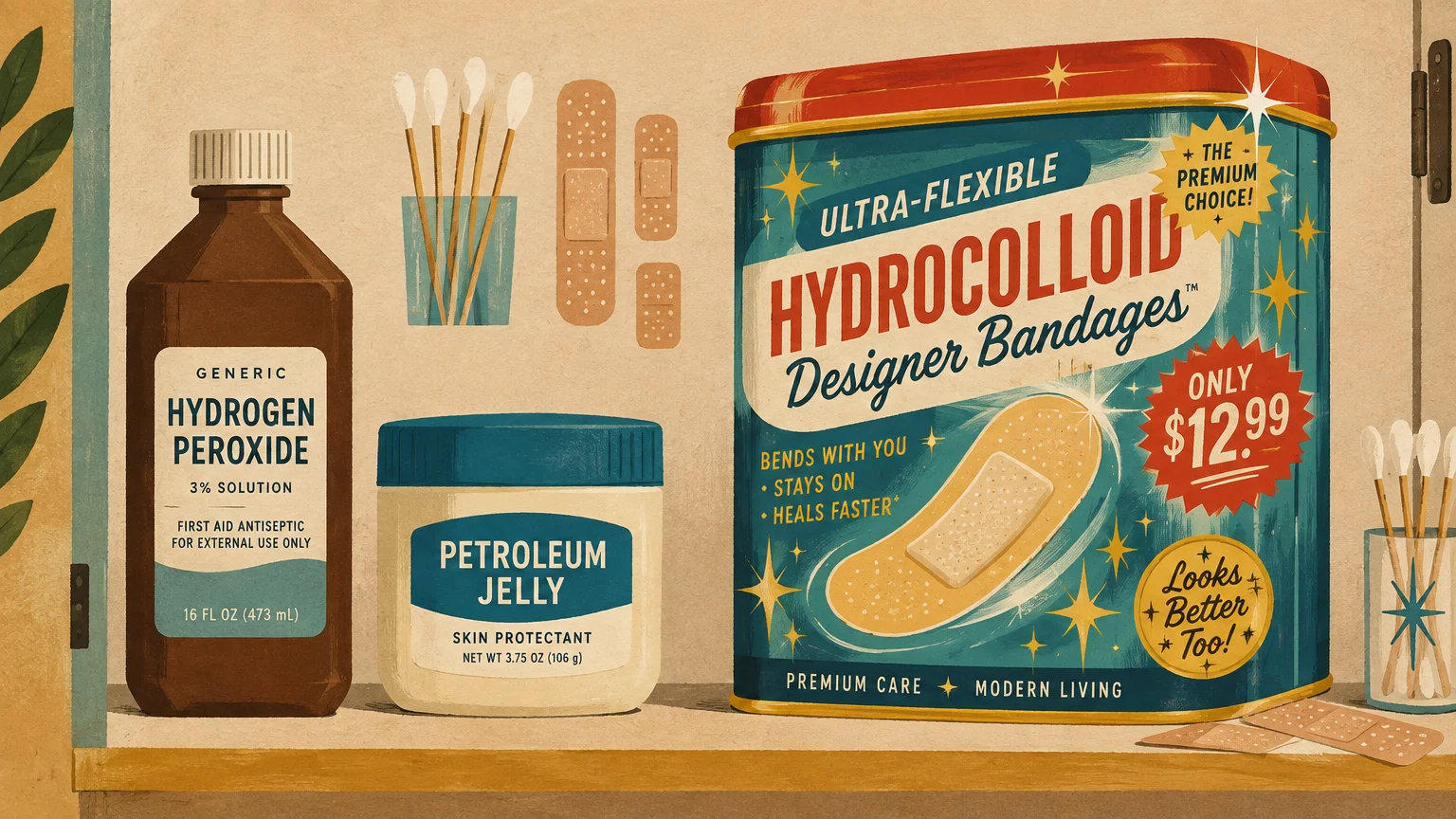
Tip #7: First-Aid Antiseptics and Premium Bandages
The first-aid aisle represents another major trap full of overpriced pharmacy items. Branded wound washes, specialty antiseptic sprays, and designer bandages carry staggering markups over basic essentials.
Name-brand antiseptic sprays like Bactine often sell for eight to ten dollars per small spray bottle. They contain dilute benzalkonium chloride, an inexpensive compound that costs pennies to manufacture.
Modern medical consensus emphasizes that simple soap and running tap water clean minor wounds just as effectively as commercial antiseptics. You rarely need specialized antimicrobial liquids for basic scrapes.
Adhesive bandages present another obvious marketing trap. Name-brand flexible fabric bandages cost double or triple the price of equivalent store-brand adhesive strips.
Store-brand bandages utilize the exact same sterile pads and medical-grade adhesive backing. They protect minor cuts from dirt and abrasion with identical mechanical reliability.
Stock your home first-aid kit with plain generic bandages, basic medical tape, and sterile gauze. You will save substantial cash while keeping your household fully prepared for everyday accidents.
Never let character prints or high-tech claims drive your bandage purchases. Standard store-brand adhesive strips get the job done for a fraction of the price.
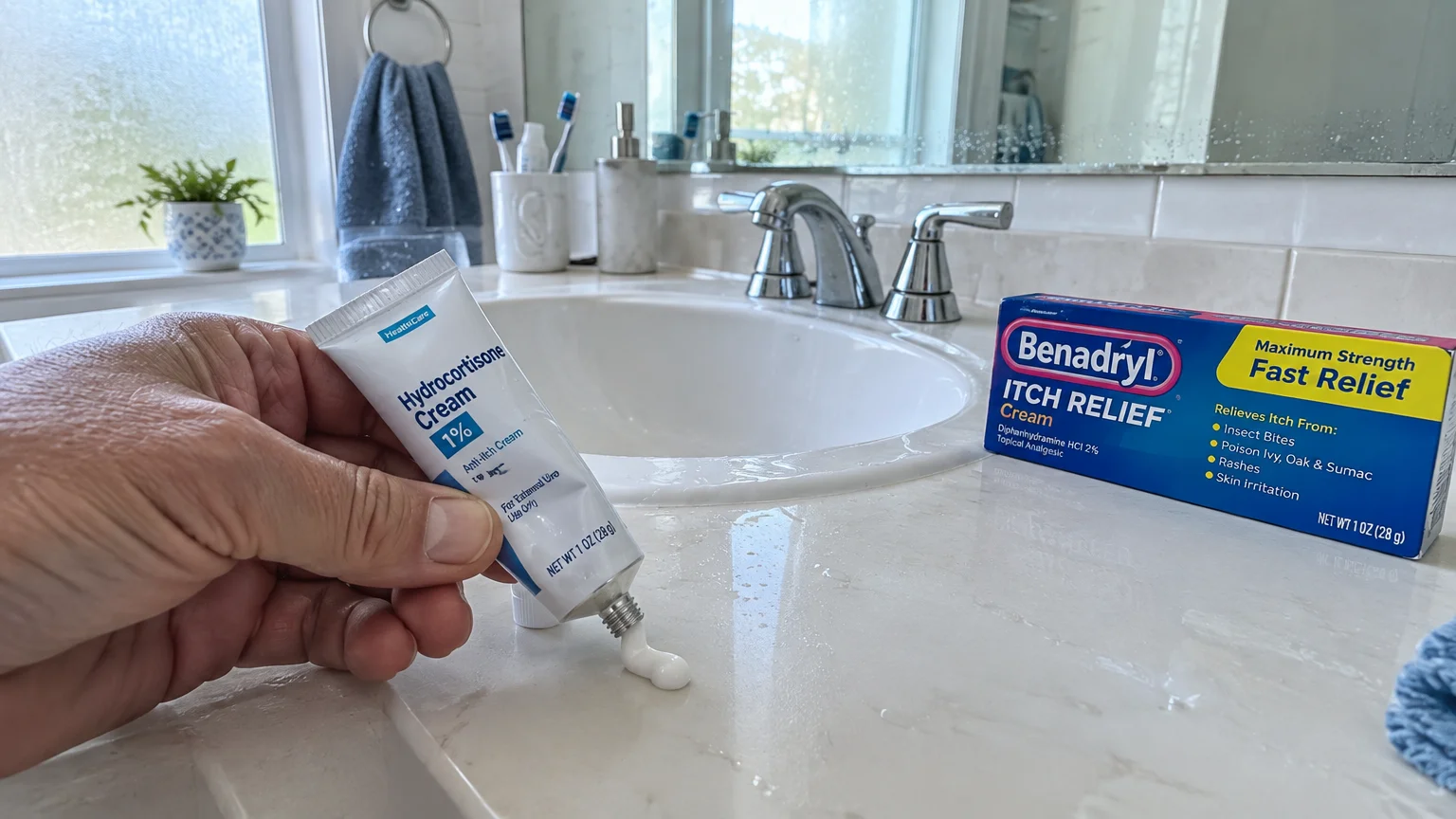
Tip #8: Branded Anti-Itch and Topical Hydrocortisone Creams
When bug bites or skin rashes strike, consumers instinctively reach for well-known tubes like Cortizone-10. These branded 1% hydrocortisone creams regularly command eight to ten dollars per ounce.
Federal regulations cap non-prescription hydrocortisone creams at a strict one percent concentration. Name-brand manufacturers cannot make their active ingredient any stronger than the cheapest generic competitor.
Drugstores often sell generic 1% hydrocortisone cream for two to three dollars per tube. The store brand reduces itching, swelling, and inflammation using the exact same pharmacological mechanism.
Branded versions attempt to justify their high prices by advertising added moisturizers like aloe or botanical extracts. These minor additives provide negligible clinical benefit for resolving acute dermatitis.
Topical triple-antibiotic ointments exhibit the exact same predatory price disparity. Branded Neosporin costs nearly three times as much as generic bacitracin, neomycin, and polymyxin combinations.
Always scan the bottom shelf in the skin care aisle for plain generic ointments. Avoiding name-brand topical creams represents an effortless way to keep more money in your wallet.
Do not pay five extra dollars for a brand name when treating a mosquito bite. The generic tube calms irritated skin just as fast.
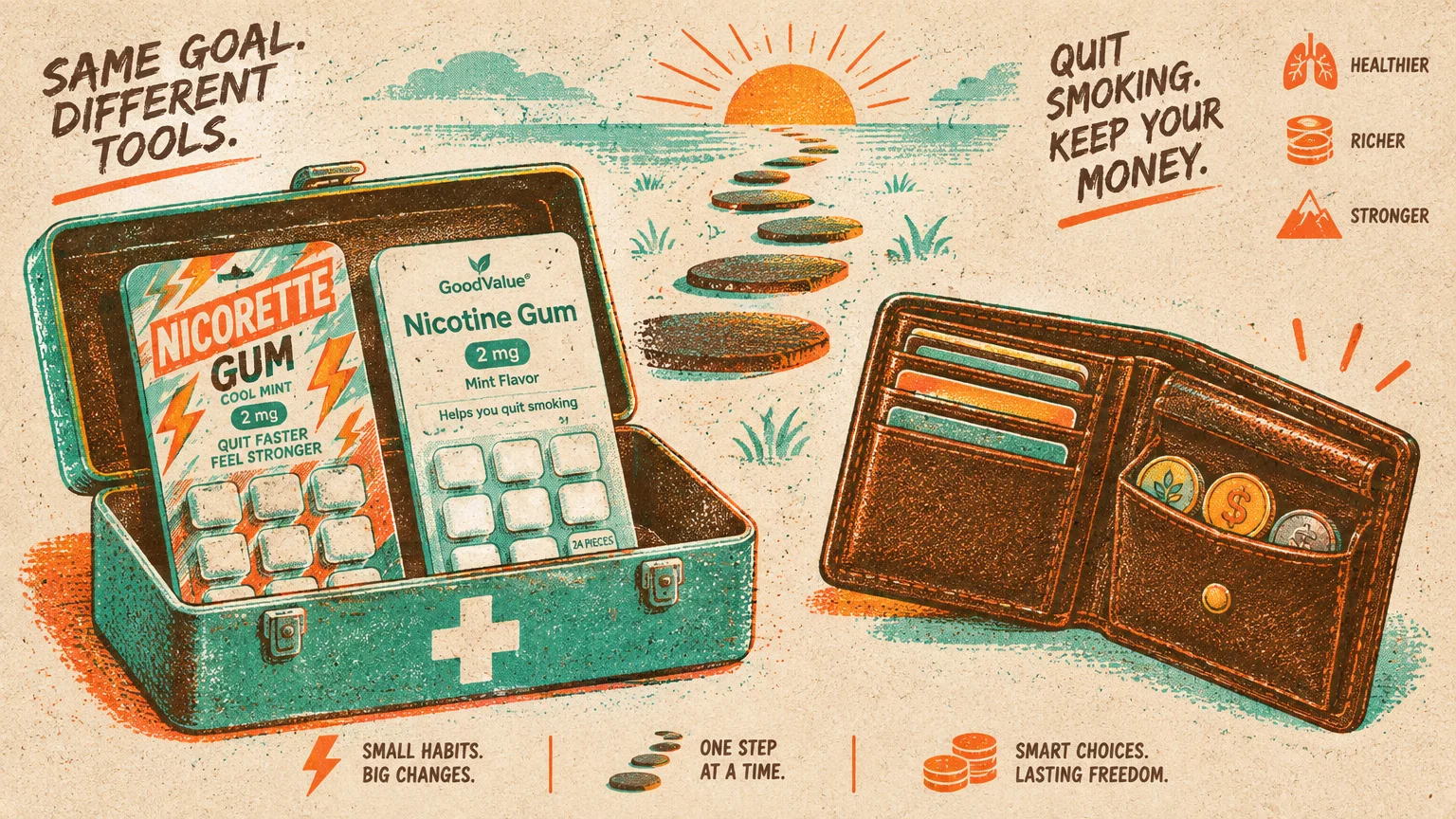
Tip #9: Smoking Cessation Gums and Transdermal Patches
Quitting tobacco is vital for your health, but buying branded nicotine replacement therapies can drain your budget. Name-brand Nicorette gum and NicoDerm patches cost upwards of fifty to sixty dollars per box.
Nicotine is an identical chemical molecule whether it comes from a branded box or a generic carton. Generic nicotine polacrilex gum delivers the exact same therapeutic dosage to curb cravings.
Store-brand nicotine patches and lozenges cost roughly 40% to 50% less than their famous counterparts. Choosing generic products over an eight-week cessation program saves you hundreds of dollars.
Furthermore, many state health departments and quitlines offer free nicotine replacement therapies to residents. You can often obtain complete patch regimens without spending a single dollar.
Check with your health insurance provider before purchasing any cessation products out of pocket. The Affordable Care Act requires most insurance plans to cover preventative smoking cessation medications entirely.
Paying full retail price for brand-name nicotine gum is completely unnecessary. Take advantage of generic alternatives and free community resources to achieve your health goals frugally.
Invest your savings into your future rather than handing them over to pharmaceutical giants. Your physical and financial health will both benefit significantly.
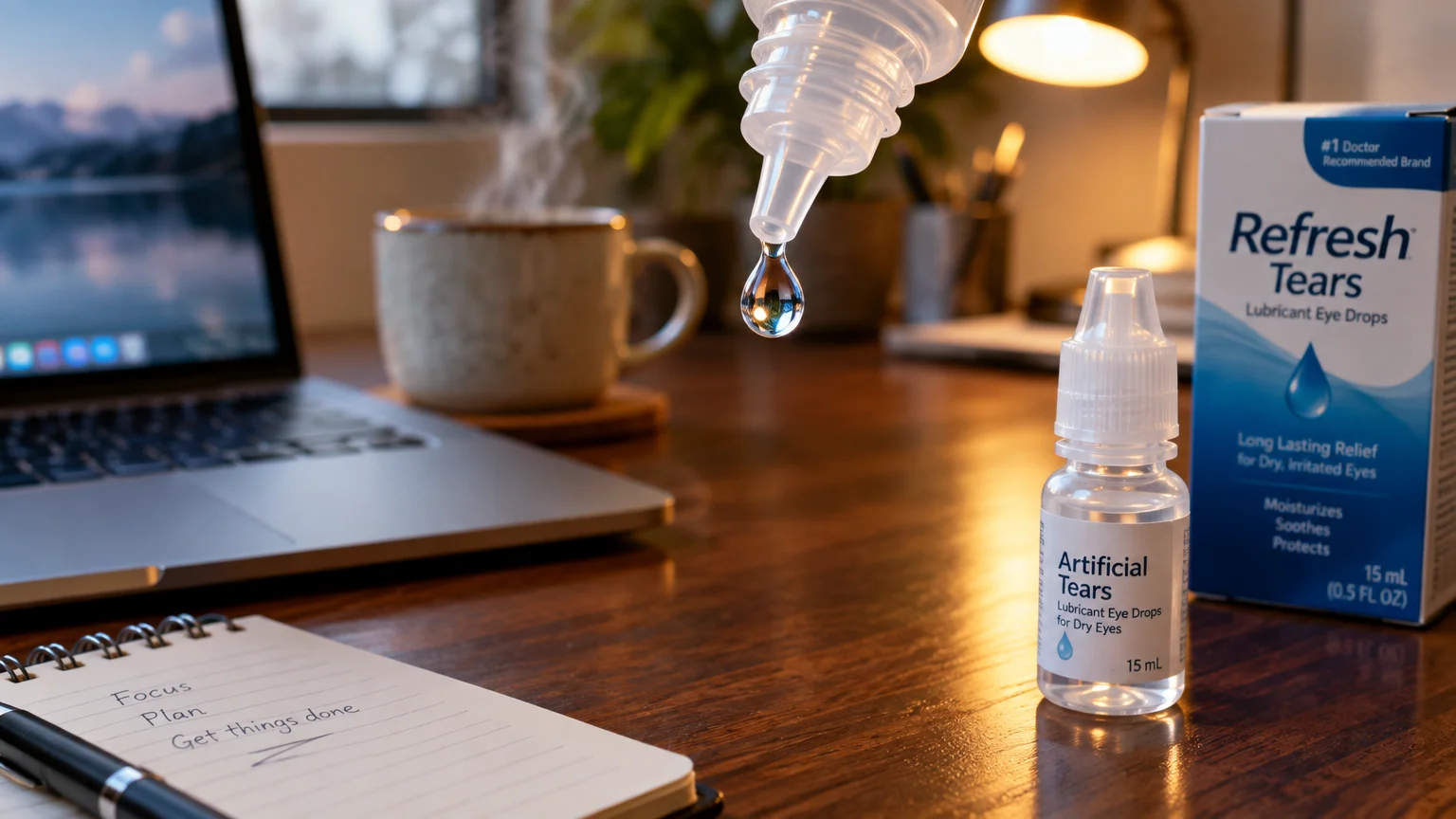
Tip #10: Branded Eye Drops and Artificial Tears
Dry eye relief should not require a major financial sacrifice, yet branded eye drops carry exorbitant price tags. Bottles from brands like Systane and Refresh frequently retail for fifteen to twenty-two dollars.
These formulations consist primarily of sterile water, lubricants like carboxymethylcellulose or polyethylene glycol, and standard buffering agents. The base ingredients cost pennies per gallon to produce.
Generic lubricant eye drops provide the exact same moisture retention and ocular comfort. Store-brand drops must adhere to the same sterility and purity requirements established by the FDA.
Redness-relieving drops like Visine also cost far too much while potentially causing rebound redness over time. Optometrists generally advise against frequent use of vasoconstrictor drops anyway.
If you require preservative-free single-use vials, seek out generic multipacks online or through warehouse stores. Buying brand-name vials at local pharmacies results in a massive 200% markup.
Protect your vision and your bank account by inspecting active ingredients on eye care boxes. Sticking with generic lubricating drops ensures comfortable eyes without draining your monthly budget.
Never buy the eye-level bottle just because the box looks professional. Generic tears offer identical lubrication for less than half the retail price.
The Bottom Line: What This Means for Your Wallet
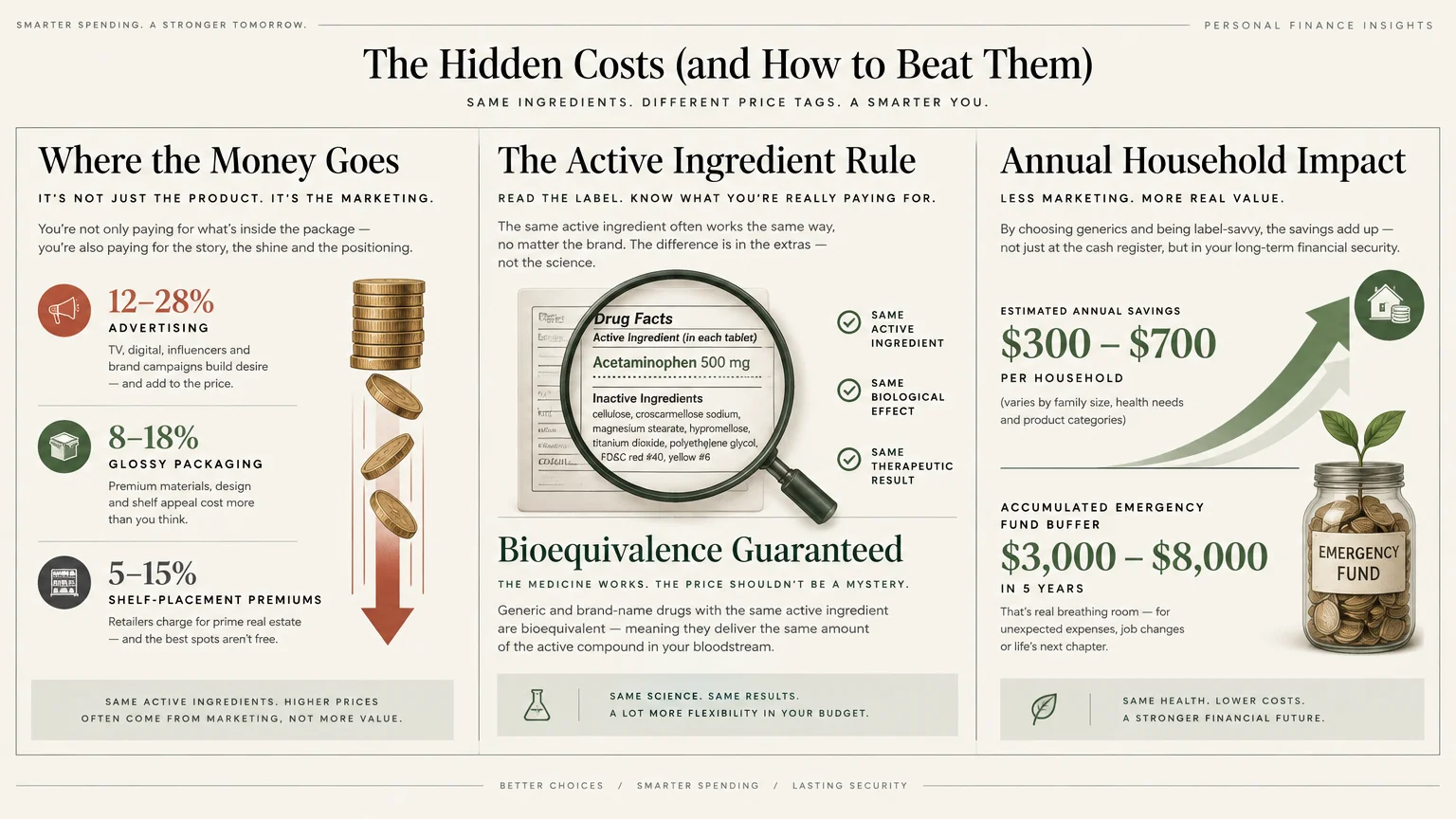
Drugstore marketing teams rely on clever packaging, premium shelf placement, and medical anxiety to keep prices high. They know consumers default to familiar brand names when feeling sick or vulnerable.
Breaking that habit is the fastest way to slash your health-related expenses immediately. The chemical realities of pharmacy manufacturing leave no room for brand-name superiority.
Generic medicines undergo rigorous regulatory oversight to guarantee identical safety, potency, and biological efficacy. When you pay for name-brand drugs, you fund multimillion-dollar advertising campaigns rather than superior health outcomes.
Audit your home medicine cabinet today and tally the cost of your current brand-name supplies. Replacing those bottles with generic alternatives will easily save your family hundreds of dollars each year.
Smart shoppers look past the front of the packaging and read the drug facts panel. That single habit guarantees you never overpay for healthcare essentials again.
Take control of your spending by treating the pharmacy like any other competitive retail marketplace. Demand value for every single dollar you spend on personal wellness.
Every dollar you save on over-the-counter medication strengthens your household emergency fund. Start choosing generic options on your next shopping trip to experience immediate relief.
Frequently Asked Questions
Are generic medications truly as safe and effective as brand-name drugs?
Yes, generic drugs must meet the exact same rigorous safety, strength, and quality standards as brand-name medications. The FDA requires generic products to deliver identical therapeutic efficacy in human clinical trials.
The only variations allowed between generic and brand-name drugs involve inactive ingredients like colorings, binders, or flavorings. These inactive components do not alter how the medication performs inside your body.
Why do brand-name medications cost so much more than generic alternatives?
Brand manufacturers invest millions in clinical research, patent filings, and nationwide advertising to launch their products. They maintain inflated prices even after patents expire to capitalize on established consumer loyalty.
Generic manufacturers do not carry high upfront research or marketing expenses. They pass those massive cost efficiencies directly to consumers through radically lower retail prices.
How can I find the best generic alternatives when shopping at the pharmacy?
Always turn the package around and examine the active ingredients header on the drug facts label. Match that exact active chemical name and dosage strength with the cheaper store brand sitting nearby.
Look down at the lower shelves where stores place their most affordable generic products. If you feel uncertain, ask the pharmacist on duty to point out the direct generic substitute.
Are there any pharmacy products where buying brand-name actually matters?
For over-the-counter wellness products and basic first-aid supplies, brand-name items virtually never justify their higher cost. The underlying chemical formulations and materials remain completely standardized.
A tiny subset of prescription drugs with narrow therapeutic indexes may warrant doctor consultation before switching. However, over-the-counter drugstore staples never fall into that high-risk medical category.
For consumer protection information, visit the Federal Trade Commission (FTC) and the Consumer Financial Protection Bureau (CFPB). For product safety and reviews, consult Consumer Reports.
Disclaimer: This article is for informational purposes only and does not constitute financial advice. The content reflects the author’s opinion and research at the time of writing. Always do your own research before making financial decisions.




Leave a Reply