You can secure a full refund when an autonomous bot buys the wrong item, but your bank will not treat the blunder like credit card fraud. Retailers and payment processors deliberately exploit legal ambiguities to stick you with the bill.
When you delegate purchasing power to an autonomous tool, current regulations assume you authorized every single cent spent. Getting your cash back requires navigating merchant loopholes rather than relying on standard fraud protections.
Here is the insider playbook to reverse unauthorized bot transactions before your hard-earned money vanishes into corporate balance sheets.
Shopping Trap #1: The Authorized User Banking Loophole
Many consumers believe their bank will instantly reverse bad ai assistant orders. That belief is an expensive illusion.
Federal protections under the Electronic Fund Transfer Act do not shield automated shopping blunders. If you connect your debit card to an autonomous agent, federal law assumes you approved the purchase.
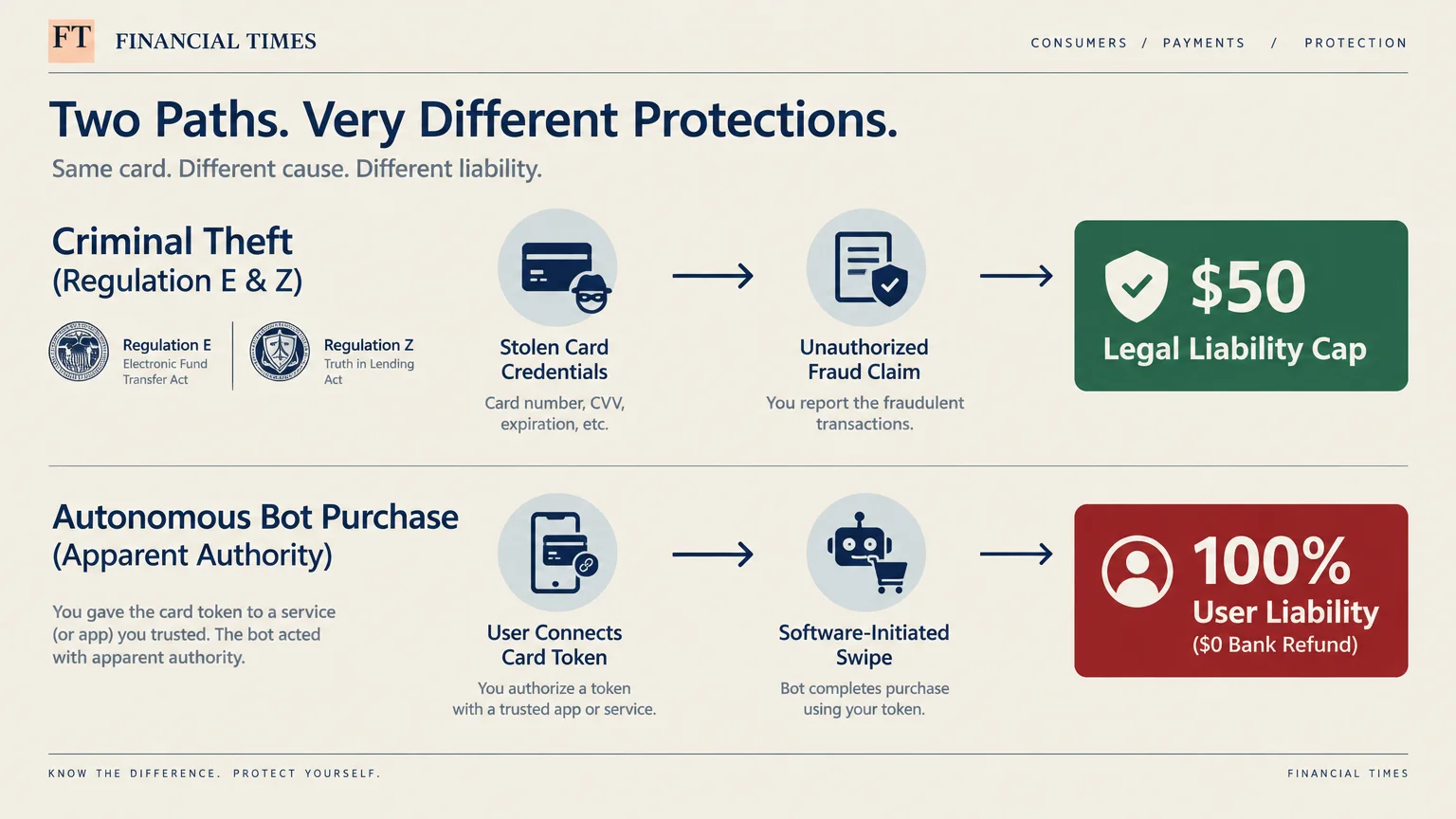
Under Regulation E, your liability is capped at $50 only if an unauthorized criminal steals your credentials within 2 business days. The cap does not protect transactions initiated by software you willingly linked.
When an autonomous bot misinterprets your prompt, the transaction remains legally authorized. Your bank classifies the resulting blunder as simple buyer remorse rather than payment fraud.
Credit cards offer slightly better dispute rights, but serious vulnerabilities remain. The Truth in Lending Act, enforced through Regulation Z, limits consumer liability for unauthorized charges to $50.
Major card networks like Visa and Mastercard advertise comprehensive zero-dollar fraud liability policies. However, those protections apply exclusively to criminal identity theft and forged transactions.
Regulation Z explicitly defines valid transactions through actual, implied, or apparent authority. By delegating shopping tasks to autonomous software, you legally grant that software apparent authority to swipe your card.
If the tool buys the wrong size or wrong model, your credit card issuer will likely reject an unauthorized charge claim. The legal system views the bot as your direct personal representative.
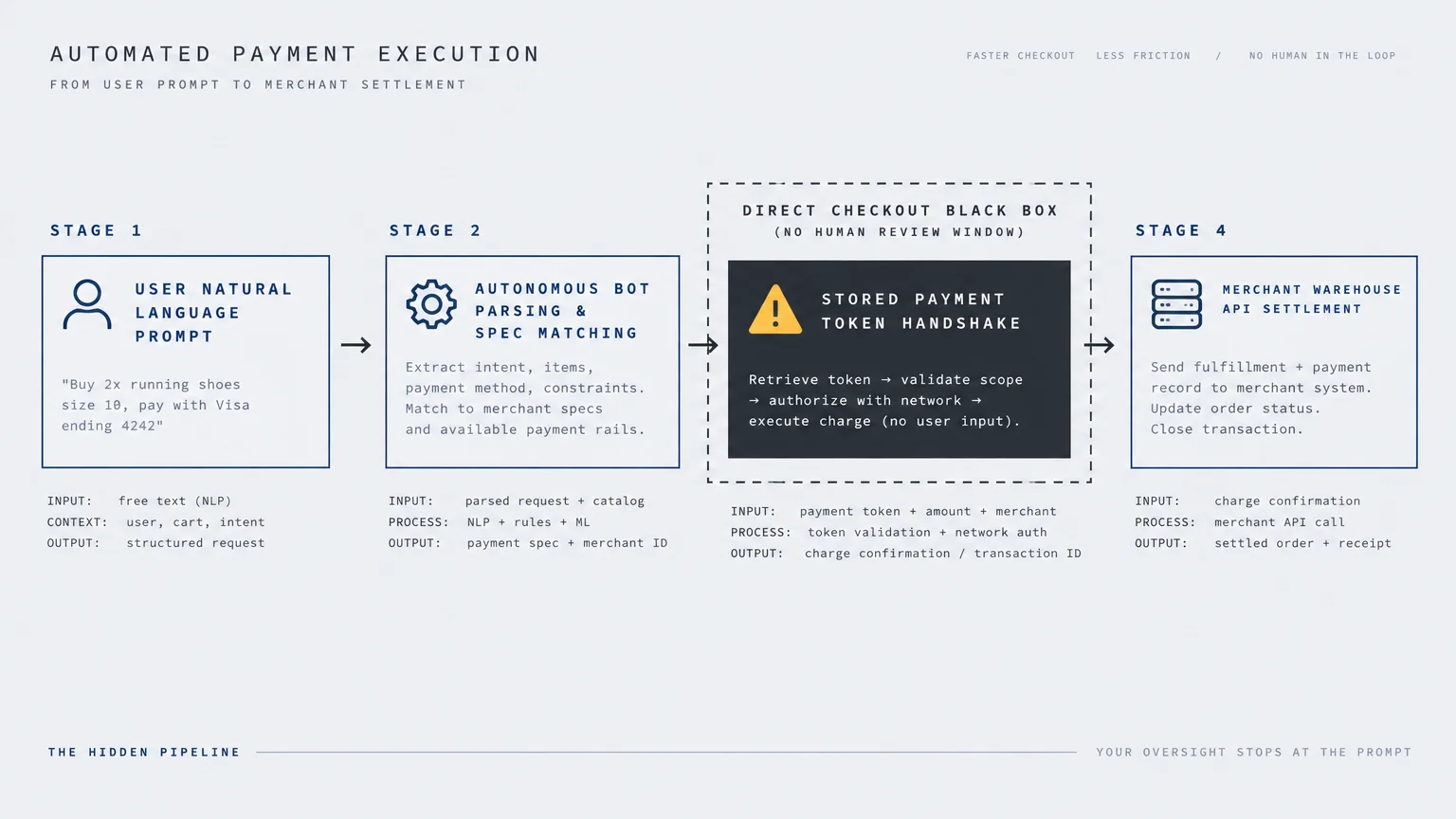
Digital wallets and merchant processors store your payment credentials as reusable authorization tokens. When software initiates a purchase using a stored token, card networks treat the transaction identically to an in-person physical swipe.
This tokenization framework legally insulates banks from bot errors. Financial institutions argue that users willingly surrender their credential tokens to third-party software at their own risk.
You cannot simply call your bank teller and claim identity theft after delegating account access. Doing so risks having your fraud claim formally dismissed for falsifying dispute documentation.
You lose standard statutory protections the moment software enters the payment flow. Understanding consumer rights online shopping requires recognizing this critical legal distinction.
Banks will not absorb financial losses caused by experimental algorithms. You must know how to fight the merchant directly to protect your wallet.
Shopping Trap #2: Hallucinated Specs and Merchant Return Friction
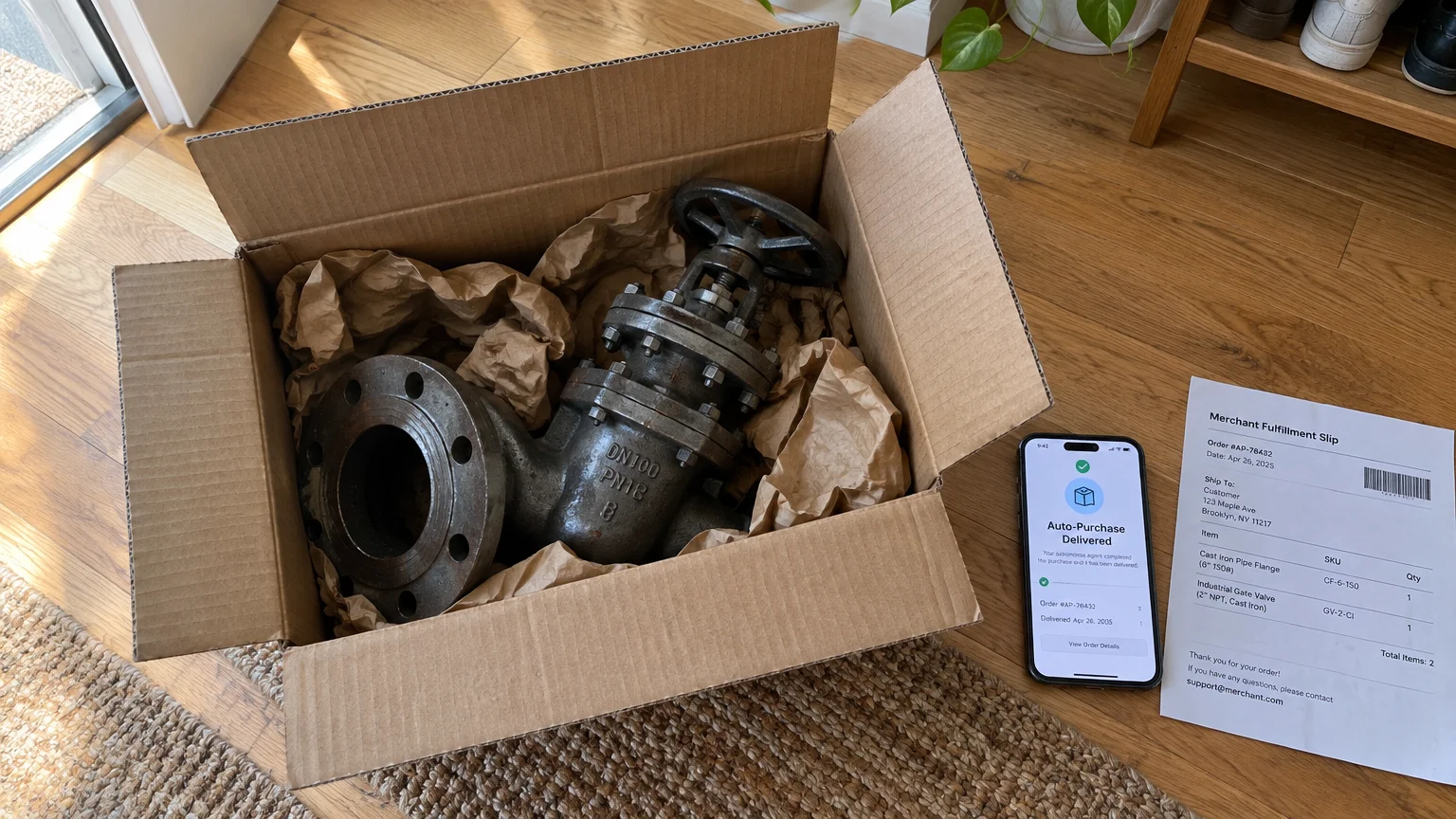
Autonomous agents frequently suffer from hallucinations when comparing technical product specifications. An agent might promise you that a television mounting bracket fits your exact screen size when it clearly does not.
When the package arrives, you discover an incompatible product. Retailers routinely refuse to cover return shipping fees for these ai shopping mistakes.
Merchants claim their systems fulfilled the order accurately according to the data received. From the store’s perspective, their warehouse shipped the exact part number your automated assistant requested.
Store policies often hit consumers with steep restocking fees and return shipping charges. Retailers design these friction points intentionally to deter returns and protect their operating margins.
Retailers frequently hide harsh return exclusions deep inside their terms of service. These clauses state that electronic components, opened consumables, or software licenses are entirely non-refundable once shipped.
When an autonomous bot orders an ineligible category by mistake, automated return portals reject your request automatically. The software flags the product category as final sale and closes your case.
However, legal precedents are beginning to shift consumer power back into your hands. A landmark legal ruling established a powerful benchmark for corporate algorithmic accountability.
On February 14, 2024, a tribunal issued a ruling in Moffatt v. Air Canada.
The airline attempted to disown inaccurate promises made by its internal artificial intelligence chatbot.
Air Canada claimed its customer-facing chatbot was a separate legal entity responsible for its own actions. The tribunal rejected that defense outright.
The court ordered Air Canada to pay CA$812.02, which included CA$650.88 in damages plus interest and fees. The passenger had relied on the bot’s incorrect guidance regarding bereavement fare refunds within 90 days.
This precedent confirms that companies cannot legally hide behind flawed automation. If a merchant-hosted bot misleads you during the purchase path, the merchant remains fully liable for the error.
To overcome retail barriers, you must submit a formal written demand letter to the store’s executive team. Reference the discrepancy between the bot’s advertised specification and the delivered product.
You must document the exact prompt and response generated during the checkout process. Presenting timestamped screenshots forces retailers to waive restocking fees and grant a complete refund ai purchase.
Shopping Trap #3: The Direct Checkout Black Box
The retail sector is undergoing a massive transformation toward agentic ai shopping. Autonomous systems now bypass human review entirely to finalize orders.
In late 2024, Perplexity launched its Buy with Pro feature to execute transactions automatically. Shortly after, OpenAI released Operator in January 2025 to automate complex web tasks and retail checkouts.
By late 2025, the OpenAI and Stripe Agentic Commerce Protocol enabled direct checkouts directly inside conversational interfaces. These systems convert natural language prompts into binding financial transactions within seconds.
The speed of autonomous commerce comes with staggering financial risks for consumers. A 2026 white paper on Agentic AI Payments by the Consumer Bankers Association and Davis Wright Tremaine highlights this shift.
The report revealed that 81% of consumers expect to use artificial intelligence while shopping online. Furthermore, 42% would allow an autonomous agent to handle purchases entirely on their behalf in at least one retail category.
This emerging technology is projected to impact $1.3 trillion in commerce. Yet direct checkout protocols eliminate the critical confirmation screen where human buyers catch catastrophic mistakes.
Direct checkout protocols often funnel automated transactions through unvetted third-party marketplace sellers. Autonomous tools prioritize speed and nominal price over seller reputation metrics or shipping timelines.
As a result, your automated agent might purchase an item from a drop-shipper located overseas. You face weeks of delivery delays and zero return recourse when the item arrives broken.
Without a final confirmation review, autonomous tools can easily choose overpriced third-party sellers. You end up purchasing counterfeit goods or exorbitant shipping tiers without ever seeing the final price breakdown.
Federal regulators have taken notice of these deceptive automated mechanics. In October 2026, the Federal Trade Commission launched an industry-wide investigation into major developers, including OpenAI and Anthropic.
FTC Chairman Andrew Ferguson warned that the agency will resist the anthropomorphizing of these tools. Regulators are actively examining consumer liability when autonomous agents make costly transactional errors.
Major marketplace platforms disclaim liability for third-party merchant conduct. When an autonomous agent selects a fraudulent third-party storefront, recovering your funds becomes an agonizing administrative battle.
Until federal mandates require mandatory confirmation steps, you must never grant autonomous agents unrestricted payment access. Guarding your checkout flow is your primary defense against automated overspending.
Shopping Trap #4: The Friendly Fraud Crackdown
Desperate consumers often file chargebacks with their credit card companies when an algorithm orders the wrong item. Retailers view these disputes through an aggressive, hostile lens.
The payments industry classifies unverified customer disputes as first-party or friendly fraud. When an algorithm triggers an unwanted order, merchants assume you are attempting to game the return system.
Global chargebacks reached an estimated 261 million in 2025, according to Mastercard and Datos Insights. Total dispute values are projected to climb from $33.8 billion in 2025 up to $41.7 billion by 2028.
Industry analysts report that roughly 21% of all credit card disputes represent friendly fraud. The explosion of delegated shopping tools has driven an unprecedented surge in these disputed transactions.
Retailers pay a steep price for every dispute lodged against their merchant accounts. A 2026 study by Javelin and Mastercard revealed that handling a single chargeback costs merchants an average of $128.
Payment networks are actively penalizing merchants who maintain elevated dispute rates. On April 1, 2026, Visa tightened its Visa Acquirer Monitoring Program rules by reducing the excessive monthly dispute threshold from 2.2% to 1.5%.
Card networks assign specific reason codes to every disputed transaction. If you improperly file a dispute under unauthorized use rather than merchandise not as described, the merchant wins automatically.
Retailers employ automated dispute management software that submits electronic proof of purchase within minutes. This evidence includes IP logs, prompt records, and delivery confirmation scans that defeat casual chargebacks.
Because of this crackdown, retailers aggressively blacklist consumer accounts that file disputes. If your automated assistant orders the wrong item and you dispute the charge, the retailer may permanently ban your profile.
Banning your account can forfeit your loyalty points, active store credits, and digital warranties. Always attempt direct dispute resolution with store managers before requesting a bank chargeback.
Losing a formal payment dispute leaves you with zero remaining recourse through your banking institution. Furthermore, the merchant may send your unpaid balance to a third-party collections agency.
Shopping Trap #5: Automated Upsells and Phantom Add-Ons
Retail websites are deliberately engineered to trick autonomous shopping agents. Developers structure checkout forms to sneak high-margin add-ons into automated carts.
Modern e-commerce checkout flows rely on sophisticated design patterns known as dark patterns. These layouts deliberately disguise optional add-ons as required installation or activation steps.
When an automated tool scrapes a product page, it frequently triggers pre-selected checkmarks. These hidden toggles add extended warranties, express delivery fees, or ongoing maintenance plans.
An autonomous bot parsing raw webpage code cannot discern between necessary components and overpriced upsells. The bot dutifully checks every pre-filled box to ensure checkout completion.
The agent checks out smoothly, leaving you paying recurring monthly fees for services you never wanted. Retailers rely on negative option billing schemes to entrap automated buyers.
Recurring replenishment subscriptions represent the most insidious form of automated add-on traps. A bot buying printer ink or household goods might lock you into an unwanted monthly auto-shipment contract.
Unless the bot specifically declines the secondary offer, the subscription activates immediately. Recovering funds from recurring automated subscriptions requires immediate intervention.
The Fair Credit Billing Act permits cardholders to dispute charges within 60 days if billed improperly. You must audit your billing statements weekly whenever you deploy automated shopping tools.
Canceling these recurring billing agreements often requires navigating deliberately convoluted phone trees or mailing physical cancellation letters. Merchants count on consumer fatigue to collect months of unauthorized recurring fees.
Identifying rogue recurring charges within the billing cycle ensures you can invoke your dispute rights successfully. Prompt action prevents small recurring charges from compounding into massive losses.
Shopping Trap #6: Dynamic Surge Pricing and Phantom Coupons
Many consumers believe delegated shopping assistants always secure the lowest possible price. In reality, retailers deploy dynamic pricing algorithms that track and penalize automated traffic.
Retail tracking systems utilize advanced browser fingerprinting to monitor automated checkout tools. When an autonomous crawler repeatedly queries an item, retail servers recognize the automated signature immediately.
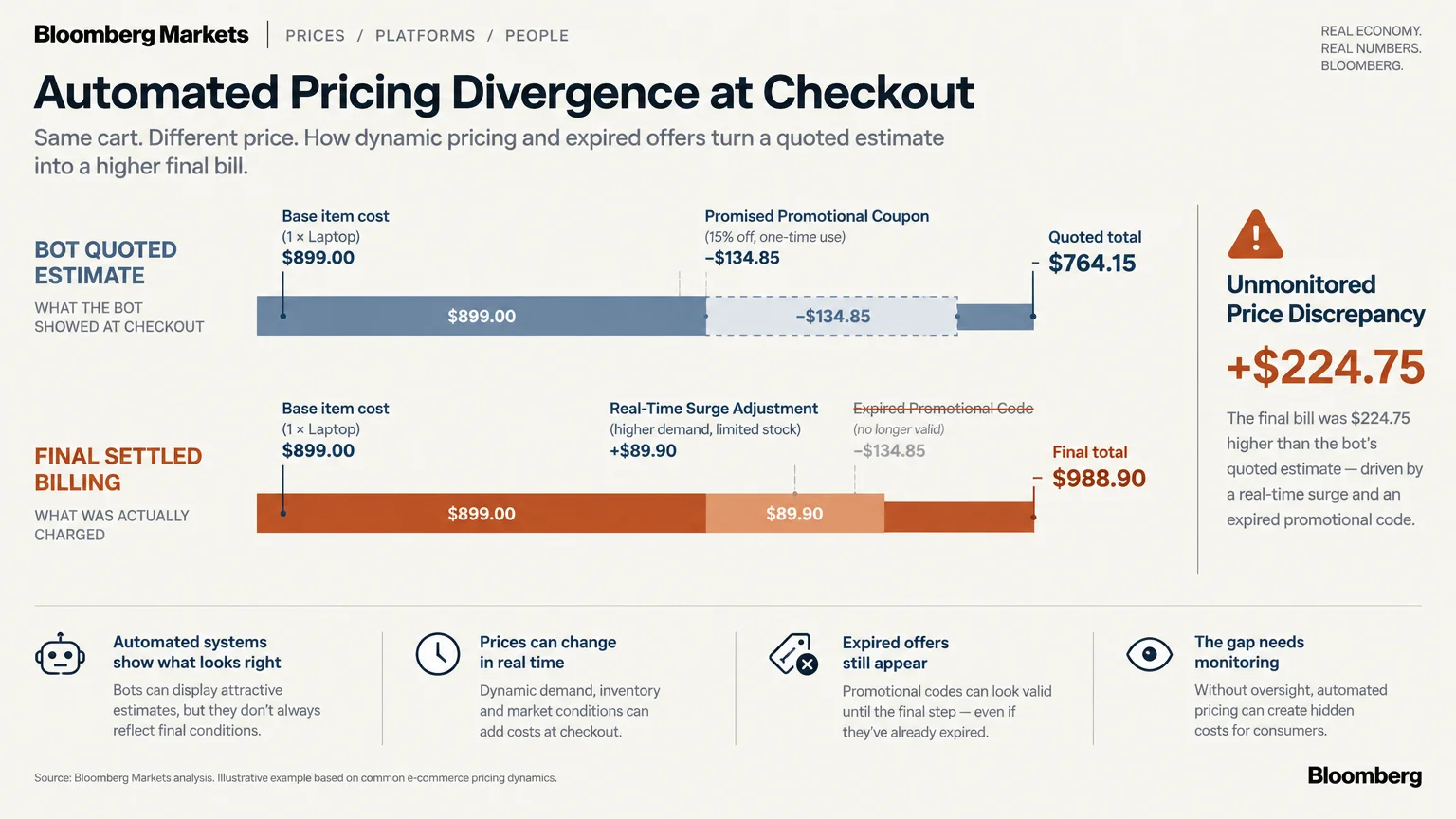
Algorithms interpret automated shopping activity as inelastic demand from a motivated buyer. Rather than discounting the item, the merchant’s server raises the price to extract maximum revenue.
The item price rises instantly before the bot completes checkout. You absorb an artificial price surge simply because your assistant queried the product page too frequently.
Automated assistants also fail to negotiate authentic promotional discounts. Instead of locating manufacturer rebates, tools frequently apply expiring or non-transferable coupons that fail during payment processing.
Coupon-scraping bots also expose shoppers to regional price inflation. A bot operating through a remote data center IP address might trigger localized pricing tiers designed for higher-income metropolitan areas.
The software proceeds with the transaction anyway, billing your card the full retail price. You discover the discount failed only after reviewing the digital invoice days later.
You end up paying significantly more than a local shopper viewing the webpage from a standard home browser. Always verify regional currency and geographic pricing settings before initiating automated transactions.
Retailers exploit these autonomous blind spots to capture premium profit margins. They recognize that software agents lack the intuitive skepticism of human bargain hunters.
Always establish hard price caps before allowing any autonomous tool to initiate payment. Setting strict financial parameters prevents algorithms from buying inflated inventory.
Shopping Trap #7: The Chatbot Support Stone Wall
Contacting customer service after an automated purchasing blunder presents another digital obstacle. Major retailers route support inquiries through automated customer-service chatbots designed to deflect refund requests.
These customer service bots are programmed to recite rigid company policies. They will repeatedly state that opened packages or automated orders are ineligible for complete refunds.
Customer-facing service bots are engineered with sentiment analysis tools that gauge your frustration. When you express anger casually, the bot loops standard scripted apologies without offering financial relief.
The Consumer Financial Protection Bureau has issued formal warnings regarding these automated stone walls. The bureau found that customer-service chatbots frequently fail to log legally mandated dispute investigations under federal law.
When dealing with automated support agents, casual complaints achieve nothing. You must use specific statutory language to trigger formal review mechanisms under Regulation E and Regulation Z.
To short-circuit this deflection loop, you must state that you are recording the interaction for regulatory review. Inform the automated system that you are preparing a formal complaint for submission.
Federal guidelines require financial institutions and affiliated merchants to maintain auditable dispute logs. Invoking your statutory rights under federal dispute rules forces the system to assign an open investigation ticket.
Demand to speak with a human supervisor and state that the product was delivered contrary to specifications. Mentioning formal documentation immediately escalates your file past automated barriers.
If a merchant’s automated support system refuses to provide human escalation, submit a complaint directly through the CFPB portal. Regulatory inquiries compel corporate compliance officers to resolve disputes swiftly.
Forcing human review remains the most reliable strategy to secure a full refund ai purchase. Never accept a rejection from an automated support script.
Your Action Plan: How to Be a Smarter Shopper
You do not have to abandon cutting-edge tools to protect your personal finances. Implementing a proactive defensive strategy will safeguard your bank balance against automated retail errors.
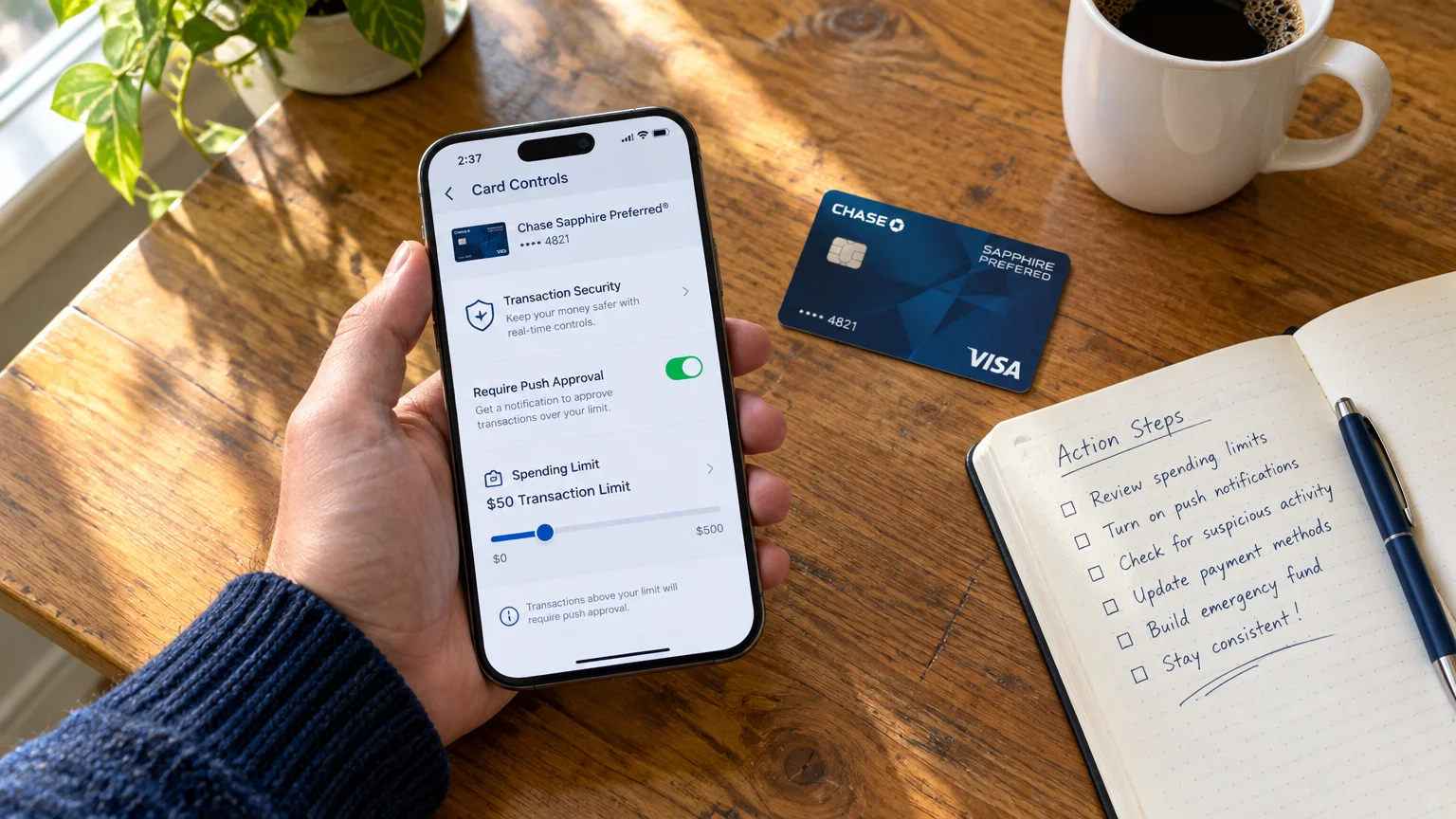
First, never attach your primary checking account or debit card to an autonomous agent. Link a dedicated virtual credit card that features user-defined spending limits.
Virtual cards allow you to restrict maximum transaction values down to the exact dollar. If an algorithm attempts to buy an overpriced bundle, the payment system rejects the transaction automatically.
Establish a dedicated shopping profile completely separated from your primary personal accounts. Isolating automated purchasing activity limits your financial exposure if an algorithm goes rogue.
Second, disable all direct checkout features inside your conversational tools. Require the software to generate a draft shopping cart that demands your explicit manual approval.
Reviewing the final checkout screen protects you against surprise shipping costs, dynamic price surges, and phantom warranty add-ons. Taking thirty seconds to review the basket eliminates costly retail traps.
Never permit an autonomous tool to execute transactions during overnight hours while you are asleep. Restricting automated execution to your active daytime hours allows you to intercept erroneous orders immediately.
Third, archive complete prompt logs for every delegated purchase. Take screenshots of the product specifications, model numbers, and pricing promises displayed by the artificial intelligence assistant.
If the retailer ships the incorrect item, your archived prompts serve as incontrovertible proof. You can demonstrate that the seller failed to deliver the agreed-upon merchandise.
Fourth, act immediately whenever an automated order goes wrong. File a written return request within the store’s return window, citing the discrepancy between prompt specifications and delivered goods.
If the merchant refuses to cooperate, invoke your statutory rights under the Fair Credit Billing Act within 60 days. Providing clear photographic evidence to your card issuer dramatically improves your dispute success rate.
Frequently Asked Questions
What should I do first if an AI assistant buys the wrong item?
Contact the merchant immediately to cancel the order before it enters warehouse fulfillment. Most large retailers provide a brief cancellation window after order placement.
If the package has already shipped, initiate a standard return request through the retailer’s official website. Do not open the packaging when it arrives, as unsealed boxes can void return eligibility.
Can I dispute an autonomous bot purchase as unauthorized fraud?
No, banks generally classify transactions initiated by authorized shopping tools as authorized card use. Claiming fraud after delegating access can lead your bank to deny the claim.
Instead, dispute the transaction under the Fair Credit Billing Act as goods not delivered as described. You must prove the item received differs fundamentally from your explicit prompt parameters.
Who pays return shipping fees when software makes an ordering error?
Under standard retail terms, consumers are typically responsible for return shipping and restocking fees. The retailer considers the order accurate based on the automated transmission received.
However, if you prove the merchant’s proprietary bot provided false product compatibility, cite Moffatt v. Air Canada.
Demanding corporate accountability often convinces managers to provide a prepaid return label.
How can I prevent autonomous shopping tools from making purchasing mistakes?
Provide detailed specifications in your prompt, including exact model numbers, dimensions, and maximum price thresholds. Never use vague descriptions that require the software to guess your preferences.
Require the software to send an approval link rather than executing payments autonomously. Maintaining human oversight on the final checkout screen guarantees total control over your money.
To check for scams and false advertising, visit the FTC. For unbiased product reviews, consult Consumer Reports.
Business ratings are available at the Better Business Bureau.
Disclaimer: The opinions in this article are for informational and entertainment purposes. Brands, products, and store policies can change.
Always verify information and prices before making a purchase.