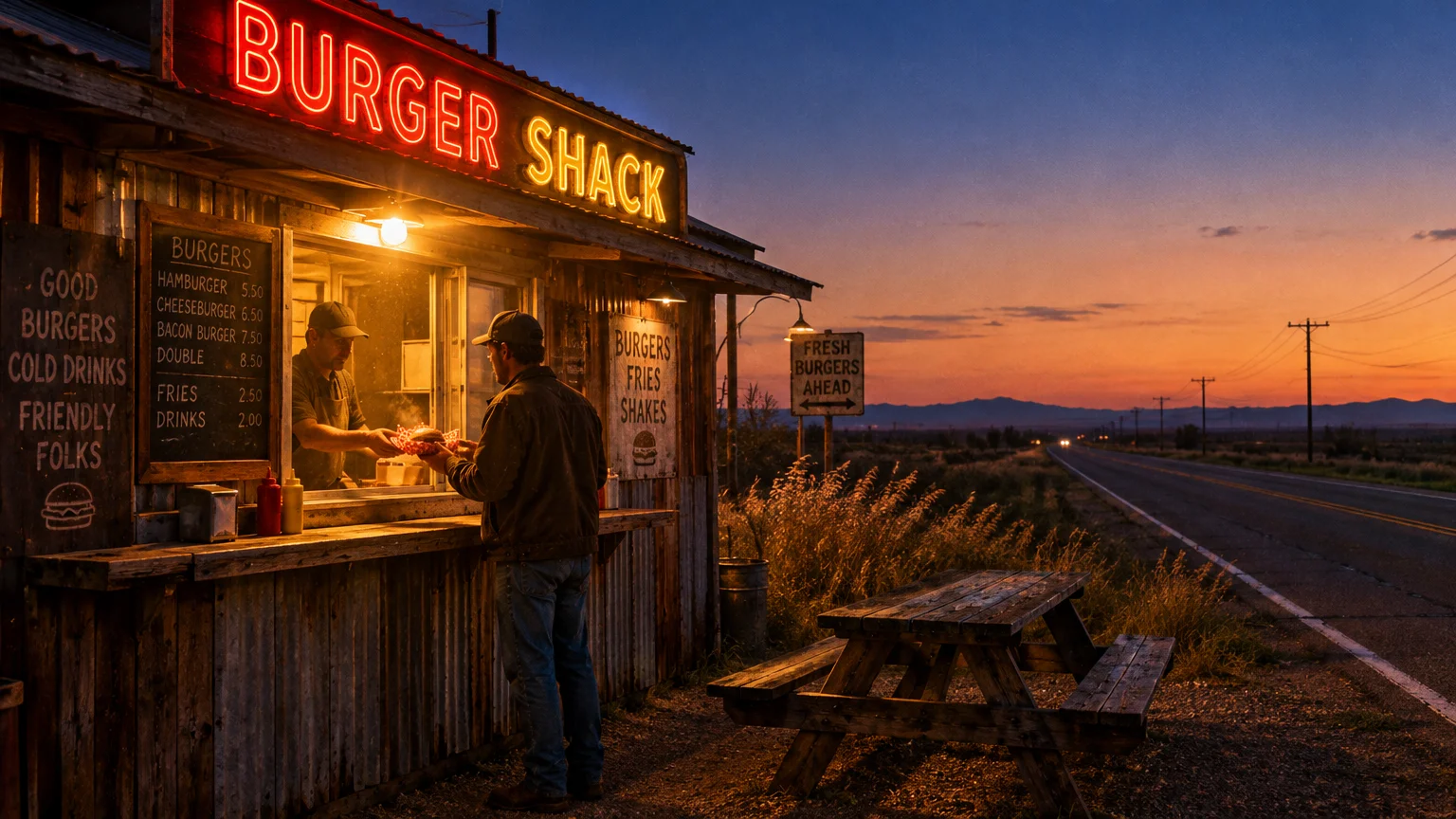
You do not need to spend a fortune to taste the best burgers USA culinary culture has to offer. Savvy eaters can easily skip overpriced tourist traps and locate genuine value across the nation.
Across thousands of burger restaurants, marketing executives deploy behavioral tricks to inflate your ticket total. Unmasking these dining traps allows you to safeguard your budget without sacrificing outstanding flavor.
Whether you embark on a burger road trip or visit your neighborhood diner, tactical ordering changes your experience. Here is how top burger joints operate and how you can track down the best burger in every state for less.
Shopping Trap #1: The Luxury Meat Blend Illusion in Big-City Joints
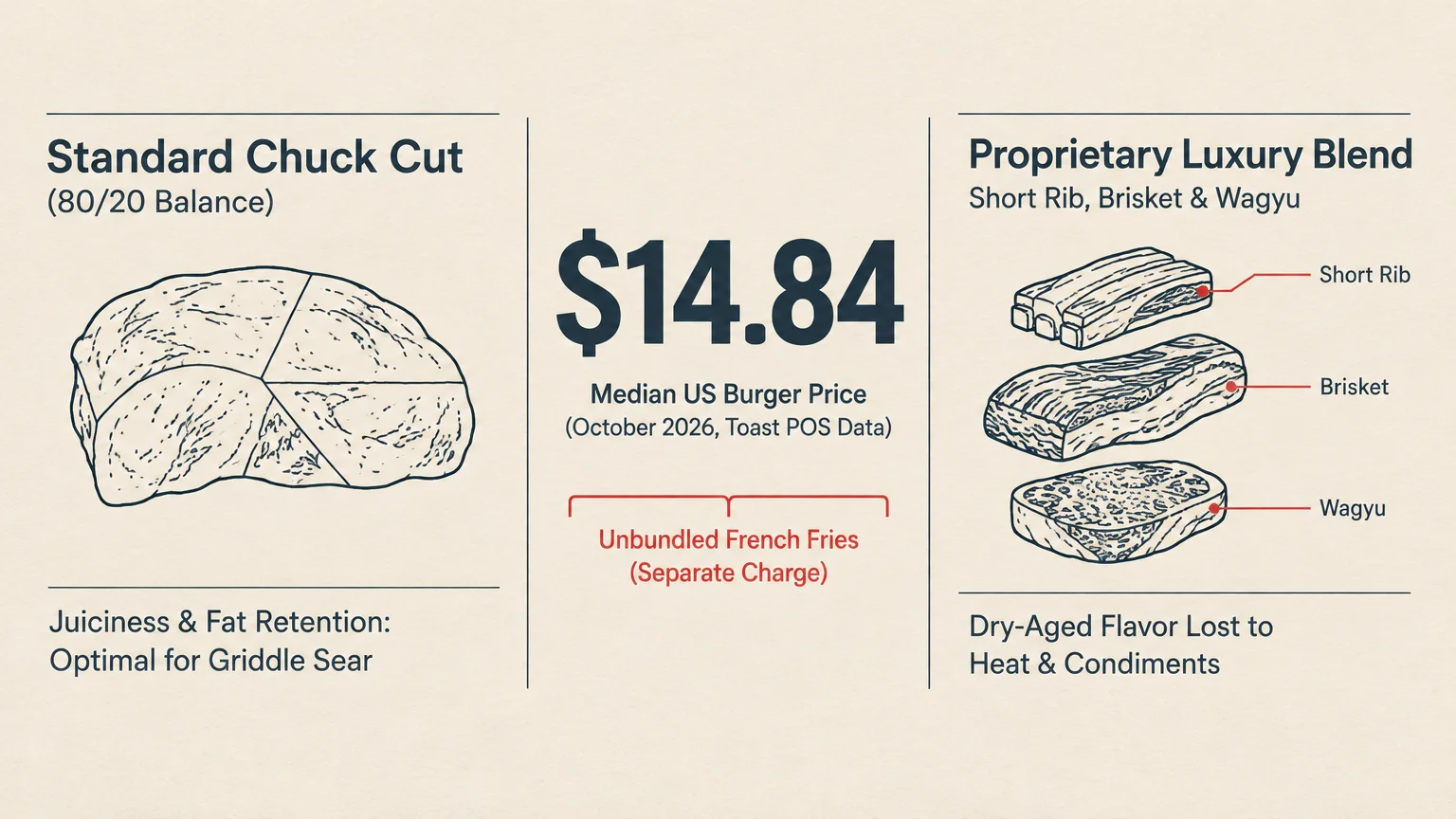
Upscale dining rooms in major metropolitan hubs love to market custom beef blends to justify shocking menu prices. They boast about proprietary grinds featuring short rib, brisket, and imported wagyu.
Menu prices reflect this marketing push. According to Toast POS restaurant pricing data, the median price of a burger on American menus hit $14.84 in October 2026.
That figure climbed from $14.80 in September 2026, which represented a 2.2% year-over-year increase. High-end establishments use elaborate storytelling to push those numbers even higher.
Culinary accolades feed this pricing frenzy. Global review platform Burgerdudes named Au Cheval, with locations in Chicago, IL and New York, NY, the best burger in the United States in 2026.
While Au Cheval delivers genuine craftsmanship, dozens of copycat establishments exploit the trend. They charge premium prices for mundane beef disguised by fancy buzzwords.
Food science exposes the flaw in this retail trick. Once beef is ground and seared on a hot flattop, subtle dry-aged nuances vanish behind molten cheese and condiments.
A properly balanced ground chuck grind delivers equal or superior juiciness at a fraction of the cost. Paying double for specialty breeds in a ground patty wastes your hard-earned cash.
Many high-end burger restaurants also unbundle sides entirely from the main entree. A side order of french fries adds a steep surcharge to an already expensive sandwich.
Do not hesitate to ask your server about the beef blend and fat content. Honest kitchens share their sourcing openly, while gimmicky spots hide behind generic luxury branding.
Skip the pretension when visiting urban food hubs. Look for neighborhood taverns where grill cooks focus on proper technique rather than pedigree cattle certificates.
Shopping Trap #2: The State-by-State Fast-Food Combo Markup
If you embark on an interstate burger road trip, you will quickly notice dramatic price discrepancies at major fast-food chains. Corporate operators adjust regional pricing based on local real estate and labor costs.
An August 2026 QSR analysis of medium burger meals across 10 states highlighted these stark geographic divides. The survey revealed a modest national average price increase of 1.5% between August 2025 and August 2026.
Regional variation proved far more extreme than that national average suggests. Diners faced the highest meal prices in California at $13.29 and New York at $12.31.
Meanwhile, budget-conscious travelers found much lower tabs elsewhere. Texas delivered the lowest surveyed meal price at $10.51, closely followed by Georgia at $10.87.
Price momentum also varied wildly by state during that period. Wisconsin suffered the steepest increase at +5.5%, jumping from $11.08 to $11.69.
On the other hand, Arizona saw average prices drop by -2.0%, declining from $12.32 to $12.07. Fast-food operators exploit these regional gaps by pushing all-inclusive meal deals.
Fast-food combos represent a classic anchoring trap designed to pad corporate margins. Chains bundle high-profit soda and french fries with a sandwich to make the bundle look like a bargain.
Some national chains offer localized app coupons that soften the blow in expensive states. Checking digital discount tabs before placing your order helps offset higher baseline state prices.
You will almost always save money by ordering single sandwiches and drinking water from your own supply. Do not let interstate highway pricing algorithms dictate your meal budget.
Shopping Trap #3: The Fast-Casual Inflation Squeeze
Fast-casual dining concepts have quietly outpaced traditional restaurants in price hikes over recent years. They convince consumers that order-at-the-counter service represents modern efficiency rather than reduced service.
Data from the 2026 Datassential Burger Price Index confirms this aggressive trend. Overall restaurant burger prices climbed 14% between 2023 and 2026.
However, limited-service and fast-casual chains raised prices by roughly 16% since 2023. In contrast, full-service dining establishments limited their increases to 12% over the same period.
Fast-casual brands ask you to order from a touch screen, fetch your food, and clean your table. Yet they charge the same prices as restaurants with dedicated waitstaffs.
Fast-casual operators also rely heavily on craft beverage markups to boost average ticket values. Specialty lemonades and craft sodas carry astronomical margins compared to their base ingredient costs.
Payment screens at counter-service joints also prompt you for substantial tips before receiving any service. Tipping heavily for self-service counter delivery artificially inflates your overall meal cost.
Fortunately, select national chains still resist this predatory model. In Yelp’s 2026 rankings of top national burger chains with over 100 locations, In-N-Out Burger earned the number one spot.
The Habit Burger Grill secured the number two position on Yelp’s national list. Both brands maintain disciplined menus that emphasize fresh preparation over excessive markup schemes.
When you encounter trendy fast-casual joints charging inflated rates for counter service, take your business elsewhere. You deserve genuine hospitality if you pay sit-down dining prices.
Shopping Trap #4: The Award-Winning Gimmick Burger Upcharge
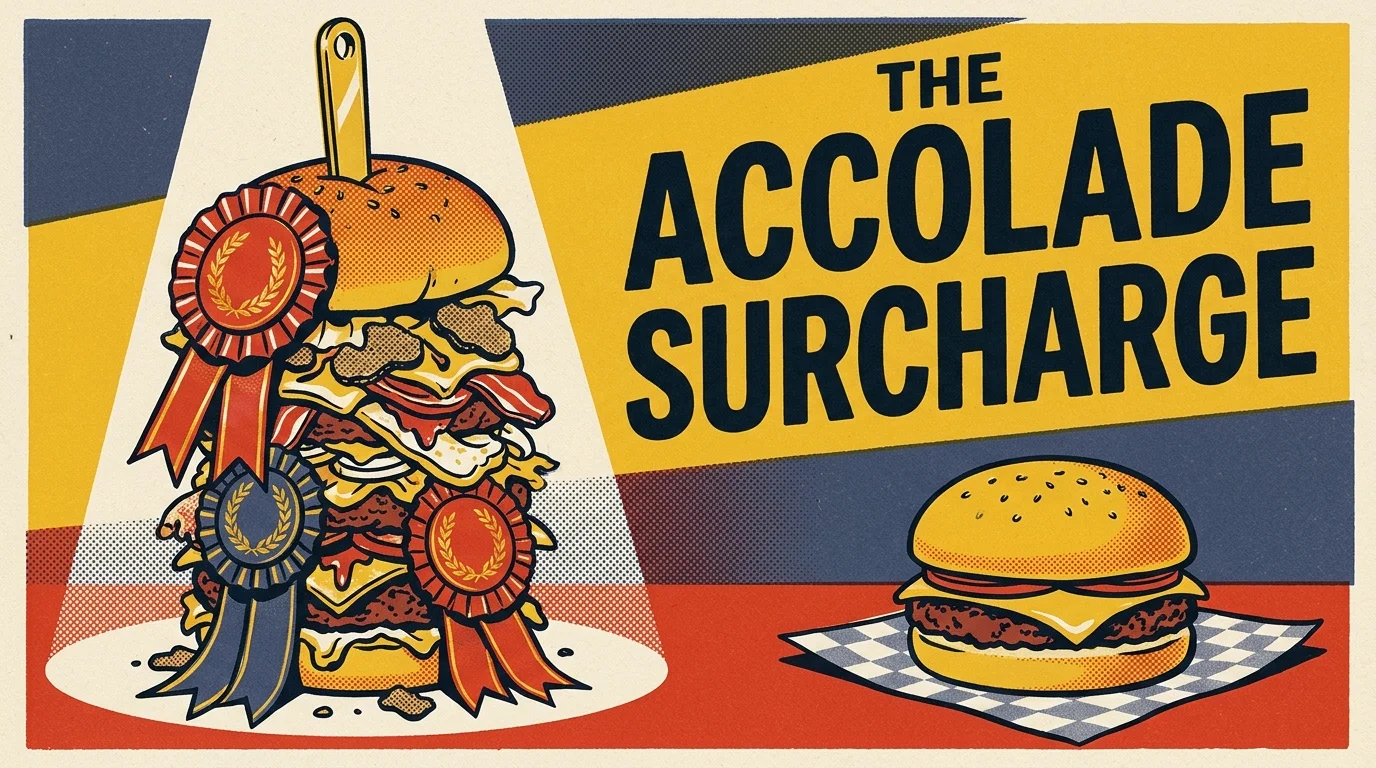
Media outlets and viral travel channels love publishing national rankings of destination burger joints. While some spots deserve the praise, others use awards to justify inflated pricing and shrinking portions.
Legitimate culinary masters do exist across the country. The Burger Dive in Billings, Montana won the title of America’s Best Burger in 2026 on the national bracket voting platform The64.
Their award-winning “I’m Your Huckleberry” burger blends sweet berry jam, goat cheese, and bacon with flawless execution. Yet inferior joints across America copy these exotic flavor profiles to mask bad cooking.
When restaurants slather sweet jams, truffle oils, and imported cheeses over beef, be skeptical. Many kitchens use overpowering toppings to disguise dry, low-grade meat patties.
These novelty toppings cost restaurants pennies per serving, but they tack significant surcharges onto your bill. You end up paying gourmet prices for an unbalanced mess.
Be cautious with seasonal promotional burgers featured on tabletop display cards. These limited-time offerings frequently carry higher prices than core menu items while delivering smaller meat portions.
Look at local community forums and regional dining boards rather than national glossy travel lists. Real residents will tell you whether a famous burger joint still delivers genuine value.
Always test a new burger joint by evaluating its standard, unadorned cheeseburger first. If the kitchen cannot balance basic beef, bread, and cheese, fancy toppings will not save your meal.
Shopping Trap #5: The Pre-Packaged “Gourmet” Grocery Patty Scam
Soaring grocery bills have pushed many burger enthusiasts away from dining rooms and toward supermarket meat aisles. Unfortunately, grocers have introduced their own deceptive packaging tricks to boost profits.
Raw beef costs have placed heavy pressure on consumer household budgets. A Bureau of Labor Statistics report released November 10, 2026 showed retail ground beef at $6.76 per pound in October 2026.
That average price reflected a 6.8% increase from $6.32 per pound recorded in October 2025. Rising production costs have pushed meat prices steadily upward across the retail sector.
In fact, the average price for all uncooked ground beef hit an all-time record high of $7.06 per pound in May 2026. That spike represented a 58% increase compared to 2020 prices.
Multi-decade lows in American cattle inventories and steep feed costs triggered these historic price spikes. Grocery managers responded by packaging pre-formed patties in fancy plastic trays at premium prices.
These pre-shaped burgers cost substantially more per pound than standard ground chuck from the butcher case. You pay a heavy penalty for thirty seconds of factory pressing.
Despite higher beef prices, cooking at home remains an incredible bargain. A Washington Post analysis found that making a standard cheeseburger at home costs an average of $2.29 in 2026.
While that cost rose from $2.00 in 2024, it pales in comparison to the $14.84 restaurant median. Buying bulk beef and shaping patties yourself saves massive amounts over time.
You can purchase larger family packs of ground chuck on sale and freeze individual portions at home. That simple habit locks in lower beef prices before seasonal market spikes occur.
Shopping Trap #6: The Smash Burger Shrinkflation Deception
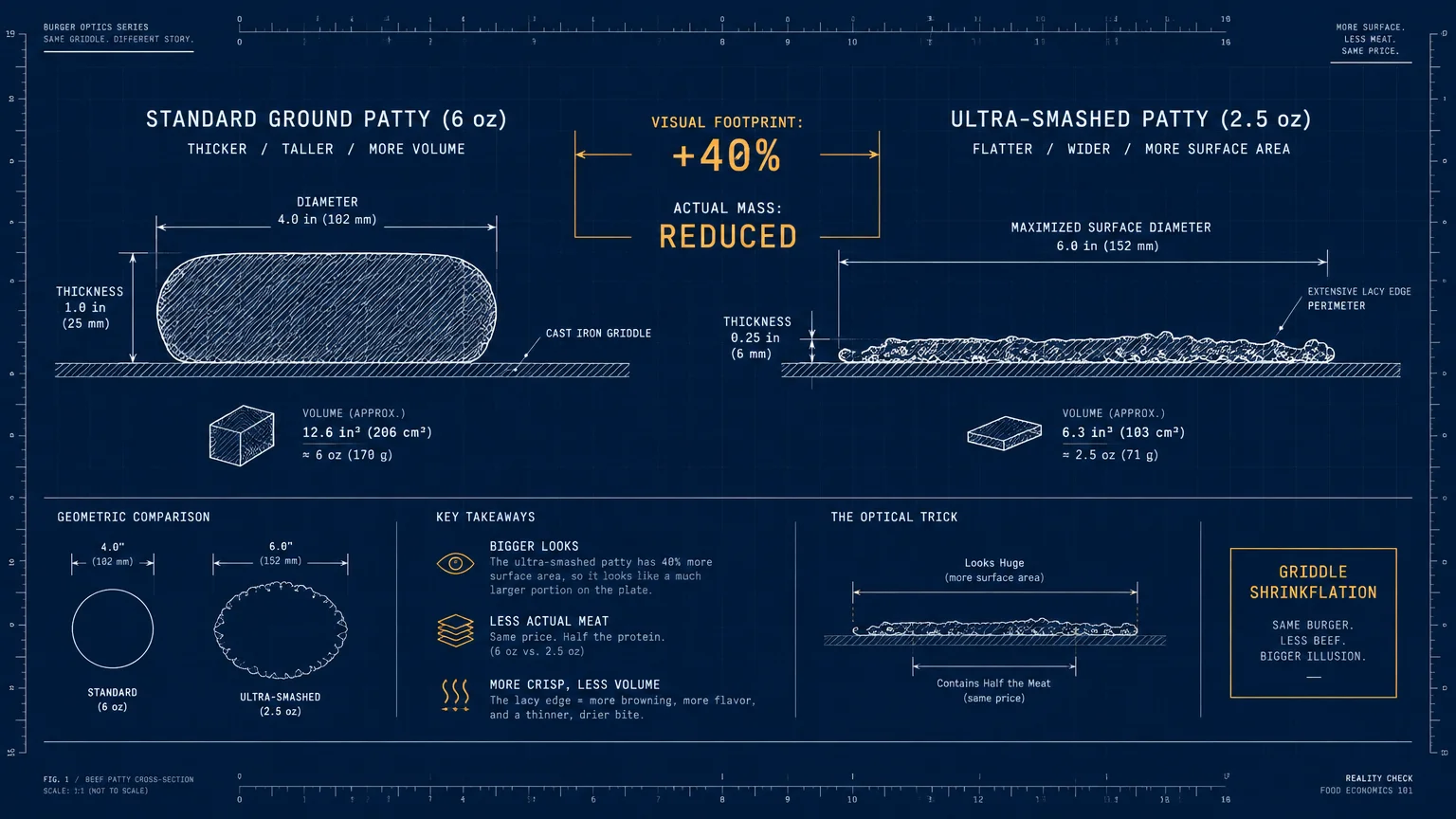
The smash burger movement has swept across American culinary capitals over the past decade. While crispy edges taste fantastic, the trend provides restaurant owners with a convenient cover for portion reduction.
Traditional pub burgers historically featured thick, generous meat patties. In contrast, modern smash joints regularly serve diminutive meat portions for the exact same price.
The economics favor the restaurant dramatically. Americans consume roughly 50 billion burgers annually, averaging about 36 burgers per person outside the home each year across 86,000 burger joints.
Shaving weight from each burger saves a busy kitchen thousands of dollars monthly. Operators disguise this volume loss by pressing the meat paper-thin across the griddle.
The resulting patty covers the diameter of the bun, giving the visual illusion of a massive portion. However, your stomach notices the lack of total protein density.
Restaurants then nudge you to buy a double or triple patty, compounding their profits. You end up paying extra just to receive the meat portion of a standard traditional burger.
Pay close attention to the bun-to-meat ratio when your sandwich arrives at the table. If you taste mostly bread and sauce on your first bite, the kitchen shortchanged your beef portion.
If you prefer the smash burger style, evaluate the specific upcharge for an additional patty. Only select a double patty when the incremental charge remains fair and transparent.
Demand honest value by checking menu weights before ordering your meal. If a restaurant refuses to disclose patty sizes, expect an undersized portion designed to pad company margins.
Shopping Trap #7: The Dine-Out Convenience Inflation Gap
Eating outside the house has grown increasingly painful for budget-minded consumers. The gap between restaurant pricing and grocery store inflation continues to widen with each passing quarter.
According to the October 2026 CPI report, both the overall food index and the food-away-from-home index rose 0.5% month-over-month. Restaurant inflation has outpaced grocery increases throughout 2026.
As of August 2026, food-away-from-home jumped 3.4% year-over-year, compared to just 2.2% for food-at-home. You pay an escalating premium whenever you trade home cooking for convenience.
Restaurant operators capitalize heavily on peak travel seasons and holiday weekends. During Fourth of July weekend alone, Americans eat an estimated 375 million burgers.
Chains drop promotional discounts and raise menu prices when consumer demand peaks during holiday road trips. They know hungry travelers will pay whatever the menu demands.
Marketing executives rely on your hunger and exhaustion to make price points seem secondary. Planning your meal stops ahead of time breaks this psychological grip.
Many burger joints run mid-week lunch specials or happy hour promotions with reduced prices. Timing your visit to these slower windows cuts your bill without compromising food quality.
Avoid dining during peak holiday rush hours and busy highway exits. Seeking out local diners a mile off the main highway regularly delivers superior food at lower prices.
Shopping Trap #8: The Digital Kiosk Upsell Architecture
Self-ordering touch screens and mobile smartphone apps are not designed for your convenience. They exist to extract additional dollars through subtle behavioral manipulation.
Software developers optimize these interfaces to trigger impulsive upgrade choices. Touch screens present mouthwatering, oversized images of double bacon burgers as the default recommendation.
You must actively navigate away from expensive add-ons like artisanal buns and specialty aioli spreads. Many software layouts feature pre-selected checkboxes that add unexpected charges to your running tab.
Ordering from a machine also removes social friction. Diners often feel self-conscious ordering massive meals from human cashiers, but screens encourage unchecked spending.
Furthermore, mobile apps gamify the dining experience through complex loyalty point programs. These points encourage frequent visits while distracting you from underlying menu price increases.
Watch out for expiration dates on digital reward points. Many restaurant apps quietly erase your accrued points if you do not make frequent purchases within a short timeframe.
App-exclusive deals often require minimum purchase thresholds that push your overall spending higher. What appears to be a reward is frequently an upsell in disguise.
Take control by approaching ordering screens with a strict purchase plan. Disable automated app notifications that tempt you with timed discounts when you are not genuinely hungry.
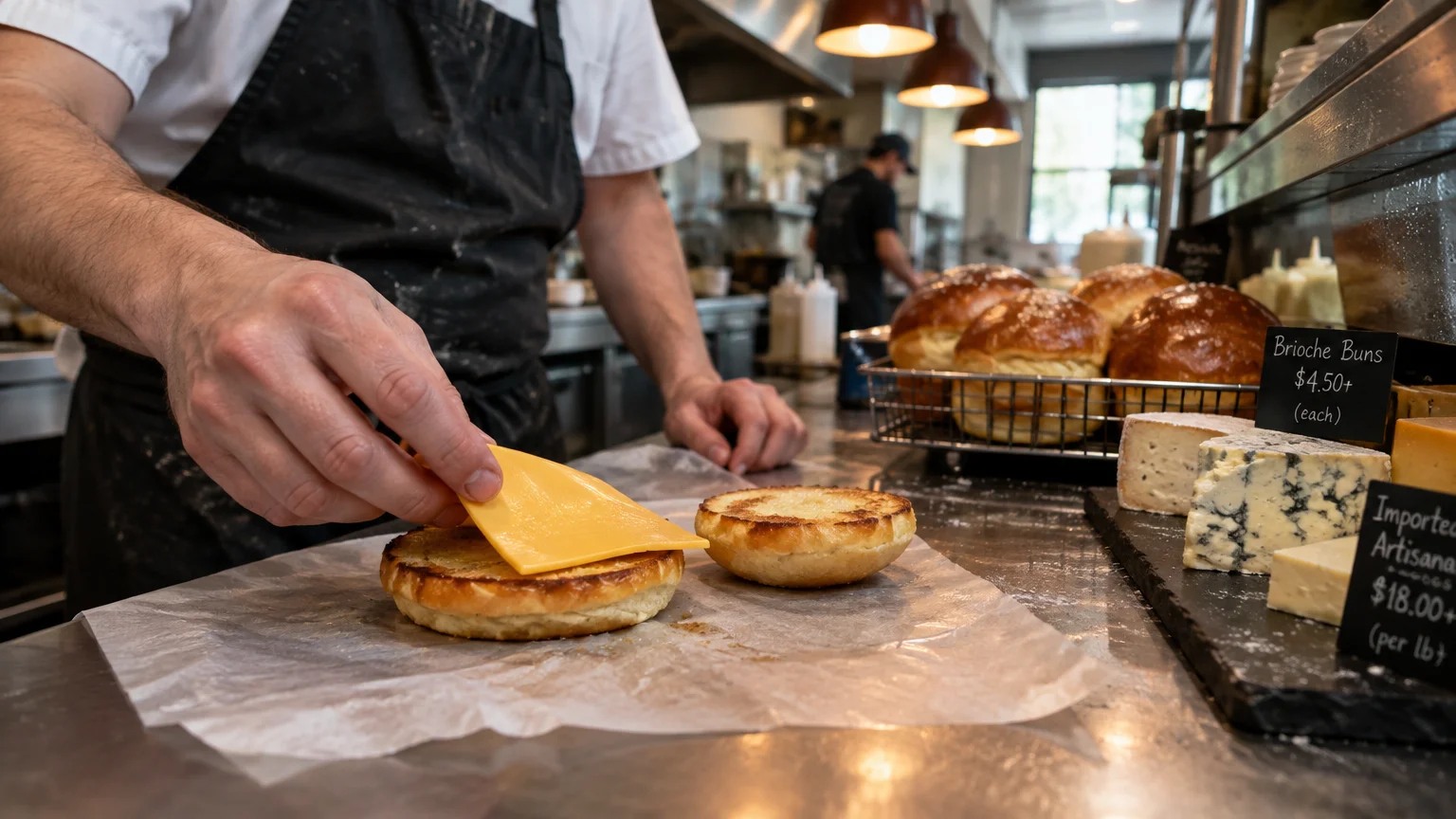
Shopping Trap #9: The Artisanal Bun and Cheese Markup
Burger restaurants frequently dress up basic sandwiches with bakery jargon to justify steep upcharges. Terms like artisanal brioche, pretzel rolls, and cave-aged cheddar sound luxurious to hungry patrons.
In reality, commercial bakeries produce these buns in massive industrial batches for pennies more than standard sesame buns. Restaurants then attach a substantial premium to your final bill.
Brioche buns often create a worse eating experience anyway. The high butter and sugar content causes sweet brioche to fall apart quickly under greasy burger juices.
A simple potato roll or toasted sesame bun holds up better while letting the beef shine. Paying an extra surcharge for bread that collapses ruins both your budget and your meal.
The same trick applies to specialty cheeses like smoked gouda or blue cheese crumbles. Kitchens use minimal portions while charging an exorbitant substitution fee.
Classic American cheese remains the gold standard for smash burgers due to its unbeatable meltability. Do not let restaurants convince you that expensive cheese makes a better burger.
Stick to crisp lettuce, ripe tomatoes, and standard pickles rather than paying for house-cured bacon jams. Fresh garden vegetables deliver satisfying texture and crunch without triggering menu surcharges.
Stick with standard bread and cheese options unless a restaurant bakes its buns entirely in-house. That simple choice keeps your check lean without compromising your dining pleasure.
Shopping Trap #10: The Hidden Service Fee and Auto-Gratuity Ambush
Check your receipt closely the next time you visit a fast-casual or full-service burger joint. More restaurants are quietly tacking mandatory fees onto guest checks before tipping even begins.
These surcharges appear under vague labels like kitchen wellness fees, supply chain adjustments, or packaging fees. They allow restaurants to raise prices while keeping menu board numbers artificially low.
Counter-service establishments have also weaponized payment terminal prompts. Payment screens regularly suggest generous tip percentages before cashiers have even poured your beverage.
This tactic exploits social awkwardness to pressure you into tipping for basic counter service. You end up paying full-service gratuity rates at self-service establishments.
State laws regarding fee disclosures vary considerably across the United States. While some jurisdictions require prominent menu notices, other regions let restaurants hide fees in small print.
Compare the final prices on your receipt against the prices printed on the physical menu board. Computer pricing systems sometimes update faster than physical boards, leading to unexpected overcharges.
Always review your itemized receipt before swiping or tapping your card. If you see an unexpected service fee, you have the right to ask management to remove it.
Reward great table service, but resist automated guilt-tipping at pickup counters. Protecting your wallet requires standing firm against sneaky checkout fees.
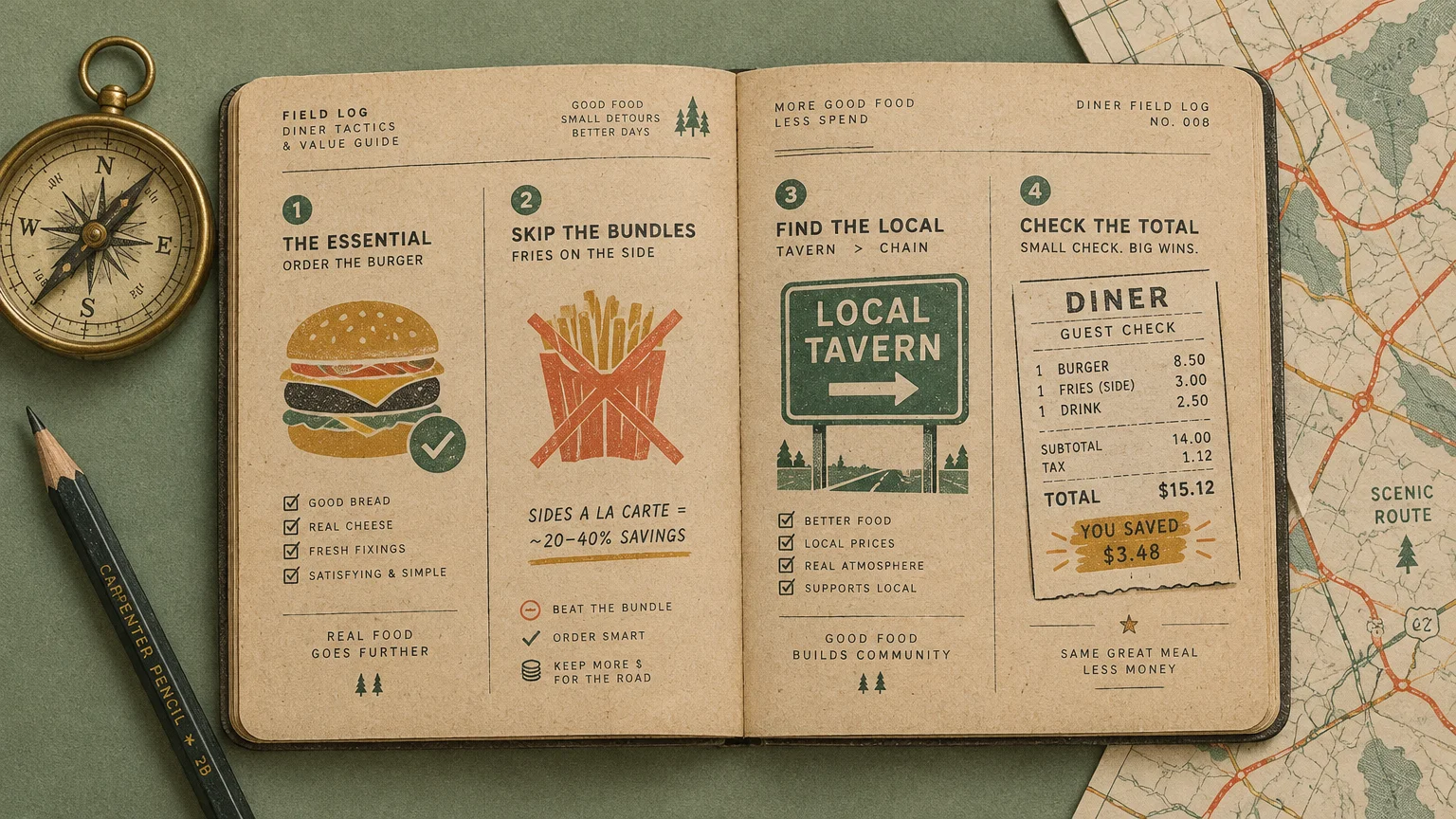
Your Action Plan: How to Be a Smarter Shopper
Protecting your dining budget does not mean giving up the joy of a phenomenal burger. You can eat exceptionally well across all fifty states by approaching every purchase strategically.
Begin by establishing a firm distinction between routine dining and destination experiences. Treat world-renowned spots as rare culinary excursions rather than weekly dinner habits.
Remember that crafting a cheeseburger at home costs roughly $2.29, while the median restaurant burger commands $14.84. Cooking at home provides immediate financial relief when beef prices climb.
When you dine out, break the habit of ordering combo meals automatically. Stick to single sandwiches, drink water, and skip high-margin sides that bloat your bill.
Buy whole beef chuck roasts or bulk ground beef instead of pre-formed supermarket patties. Grinding or shaping meat yourself avoids steep retail convenience fees entirely.
Track your monthly dining expenditures using a simple budgeting app or spreadsheet. Seeing how quickly casual burger stops add up motivates you to cook more meals at home.
Seek out independent taverns, drive-ins, and historic regional burger stands during road trips. These roadside treasures almost always deliver better flavor and value than national chains.
Approach ordering touch screens and smartphone apps with discipline. Uncheck automated add-on boxes, reject impulse upsells, and review your itemized receipt for hidden surcharges before paying.
By executing these practical steps, you can conquer burger inflation across the country. You will savor America’s greatest comfort food while keeping your financial goals firmly on track.
Frequently Asked Questions
Why do restaurant burger prices vary so widely across different states?
Regional labor regulations, commercial real estate leases, and localized supply chains create significant price differences between states. High-cost states like California and New York experience far higher operational overhead.
Consequently, restaurant chains adjust menu prices to protect profit margins in expensive regions while offering lower rates in states like Texas and Georgia.
Is buying expensive wagyu or dry-aged beef blends worth the higher cost?
For ground burger patties, luxury beef breeds rarely justify their premium price tags. The grinding process tenderizes beef mechanically, rendering the natural marbling advantages of wagyu largely irrelevant.
High griddle heat also obscures subtle dry-aged notes behind char and melted cheese. Fresh ground chuck provides superior moisture and authentic beef flavor at a much lower cost.
How do restaurants use shrinkflation on burger menus without customers noticing?
Many restaurants adopt the smash burger technique to disguise reduced meat portions. Flattening a thin patty across a searing griddle gives the sandwich wide visual surface area.
Kitchens also add oversized buns and generous shredded lettuce to hide lighter patty weights. Always ask for patty weight before ordering if value is your primary goal.
What is the most effective way to save money on a burger road trip?
Avoid fast-food chains situated directly at major highway exits where convenience markups remain high. Instead, venture a few miles off the interstate into local downtown districts.
You will find historic roadside diners that serve superior food at lower prices. Skip sugary fountain drinks, carry your own water, and decline expensive topping upcharges to maximize savings.
To check for scams and false advertising, visit the FTC. For unbiased product reviews, consult Consumer Reports.
Business ratings are available at the Better Business Bureau.
Disclaimer: The opinions in this article are for informational and entertainment purposes. Brands, products, and store policies can change.
Always verify information and prices before making a purchase.