Retailers engineer empty shelves to spark your fear of missing out. When you spot an empty shelf tag at Walmart, corporate algorithms are already tracking your urge to grab whatever remains.
High-demand goods vanish from the aisles within hours of delivery every week. Savvy shoppers hunt these bargains because they undercut luxury department stores by staggering margins.
Finding these viral treasures requires understanding store restocks, hidden price markups, and promotional timing. Here is what retail executives do not want you to know about their hottest inventory.
Shopping Trap #1: The Designer Dupe Dog Lamp
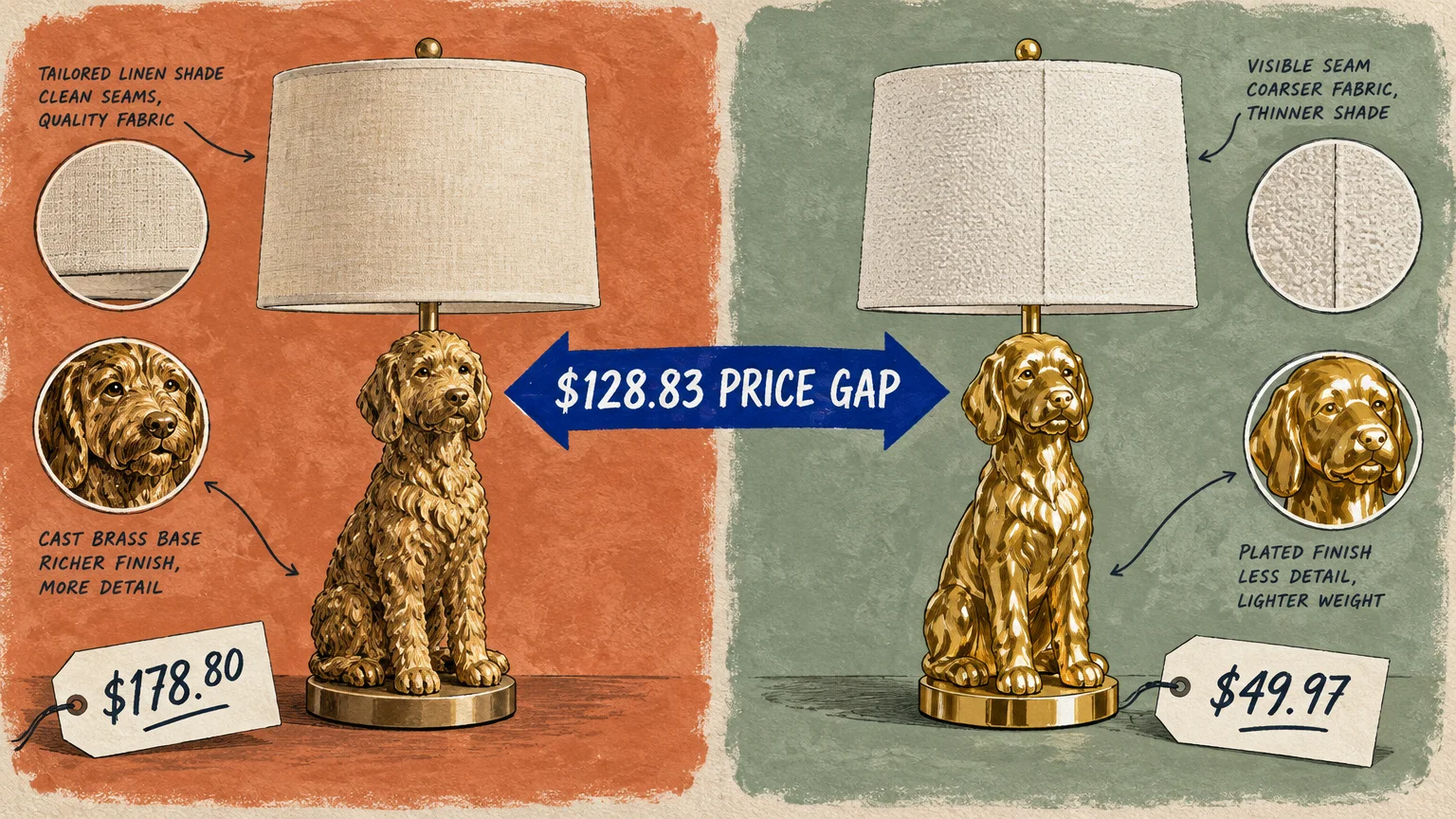
Retail buyers study luxury catalogs specifically to copy high-end designs at rock-bottom factory costs. The Home Decor Collection Catalina Lighting Golden Doodle Table Lamp is their crowning achievement.
Standing 18 inches tall with a gold-finished canine base and tailored linen shade, it looks like a boutique centerpiece. It sells at Walmart for just $49.97.
Anthropologie sells a near-identical Goldendoodle Icon Dog Table Lamp for $178.80 on sale. Buying the Walmart version puts $128.83 right back into your pocket.
When Walmart brought this lamp back to shelves in May 2026, local stockouts spread nationwide within days. Shoppers tore through home department displays to secure one before inventory evaporated.
Retailers love this dynamic because it creates viral organic marketing that costs them nothing. You believe you pulled off a secret heist against luxury home brands.
That psychological victory lowers your spending guard for the rest of your shopping trip. Once you secure the lamp, you are far more likely to buy overpriced throw pillows and side tables.
Do not let a viral score blind you to ancillary markups in the decor aisle. If you hunt this fixture, verify store inventory on your app before burning expensive gasoline.
Inspect the gold finish before you leave the register. Budget manufacturers often cut corners on lamp switch fittings and shade seams to hit that sub-$50 retail price.
Shoppers searching for famous walmart finds often discover that floor models are the only ones left. If you buy a display model, demand an associate inspect it for hidden cord damage.
Shopping Trap #2: The Celebrity Kitchenette Loss Leader
Celebrity partnerships allow big-box stores to sell lifestyle dreams at impulse price points. The Beautiful by Drew Barrymore 2-Quart Mini Slow Cooker perfectly demonstrates this strategy.
Priced at just $17.98, marked down from $19.98, this appliance undercuts almost every boutique cookware alternative on the market. It features low, high, and warm temperature settings paired with a dishwasher-safe ceramic pot.
Following its seasonal return in late October 2026, several popular colorways and patterns sold out online almost instantly. Walmart deliberately restricts production runs on specific pastel finishes to generate urgent collector buzz.
This artificial scarcity tricks you into buying an appliance you may not even need. Consumers treat kitchen gadgets like fashion accessories rather than functional culinary tools.
At 2 quarts, this mini cooker works well for party dips or single-portion stews. However, it cannot replace a standard family-sized slow cooker for batch cooking.
Retailers know that buying a stylish appliance triggers the urge to redecorate your entire countertop. Soon, you are eyeing matching toasters, air fryers, and knife blocks from the same collection.
Social media promoters quickly label these mini appliances as essential walmart must haves. That viral label creates artificial social proof that clouds your practical financial judgment.
Before purchasing, ask yourself if you actually have kitchen cabinet space for a specialized single-purpose cooker. If your existing full-size slow cooker has a warm setting, keep your cash.
Never purchase backordered colorways from third-party resellers charging inflated markups. Walmart frequently restocks these signature celebrity lines right before major shopping holidays.
Shopping Trap #3: The High-End Holiday Illusion
Seasonal endcaps are engineered to trigger your immediate fear of missing holiday magic. The Holiday Time Small Metal Deer Christmas Decoration is a prime example of high-velocity seasonal bait.
This 10-inch black metal tabletop reindeer retails for just $10.88 in the seasonal aisle. It delivers the exact same minimalist aesthetic as luxury home furnishings.
Pottery Barn sells a comparable 8-inch Bronze Sculpted Reindeer for $19.50. Choosing the Walmart alternative saves you $8.62 per deer while offering an extra two inches of height.
Because holiday goods carry tight manufacturing deadlines, stores rarely reorder inventory once initial containers empty. That reality triggers immediate panic buying from shoppers browsing the aisles.
Walmart’s 2026 Holiday Trend Report revealed that 43.8% of consumers cite affording the holidays as their top financial stressor. Furthermore, 7 in 10 shoppers state lower prices are the number one factor making shopping easier.
Retailers exploit that financial anxiety by positioning accessible luxury decor right at the store entrance. You feel relieved finding elegant tabletop accents for roughly ten dollars.
That emotional relief opens your wallet to high-margin seasonal clutter like gift bags, wrapping paper, and novelty lighting. Those accessory markups quickly wipe out your savings on the metal reindeer.
These festive pieces become fast-selling popular walmart items because customers buy multiple units for mantle displays. If you wait until December, secondary marketplace scalpers will be your only option.
Buy your focal holiday pieces early, but bypass the impulse trinkets placed beside the checkout lines. Inspect the deer’s metal weld points in person, as budget holiday metallurgy can wobble on flat tables.
Shopping Trap #4: The Tactile Scarcity Snare
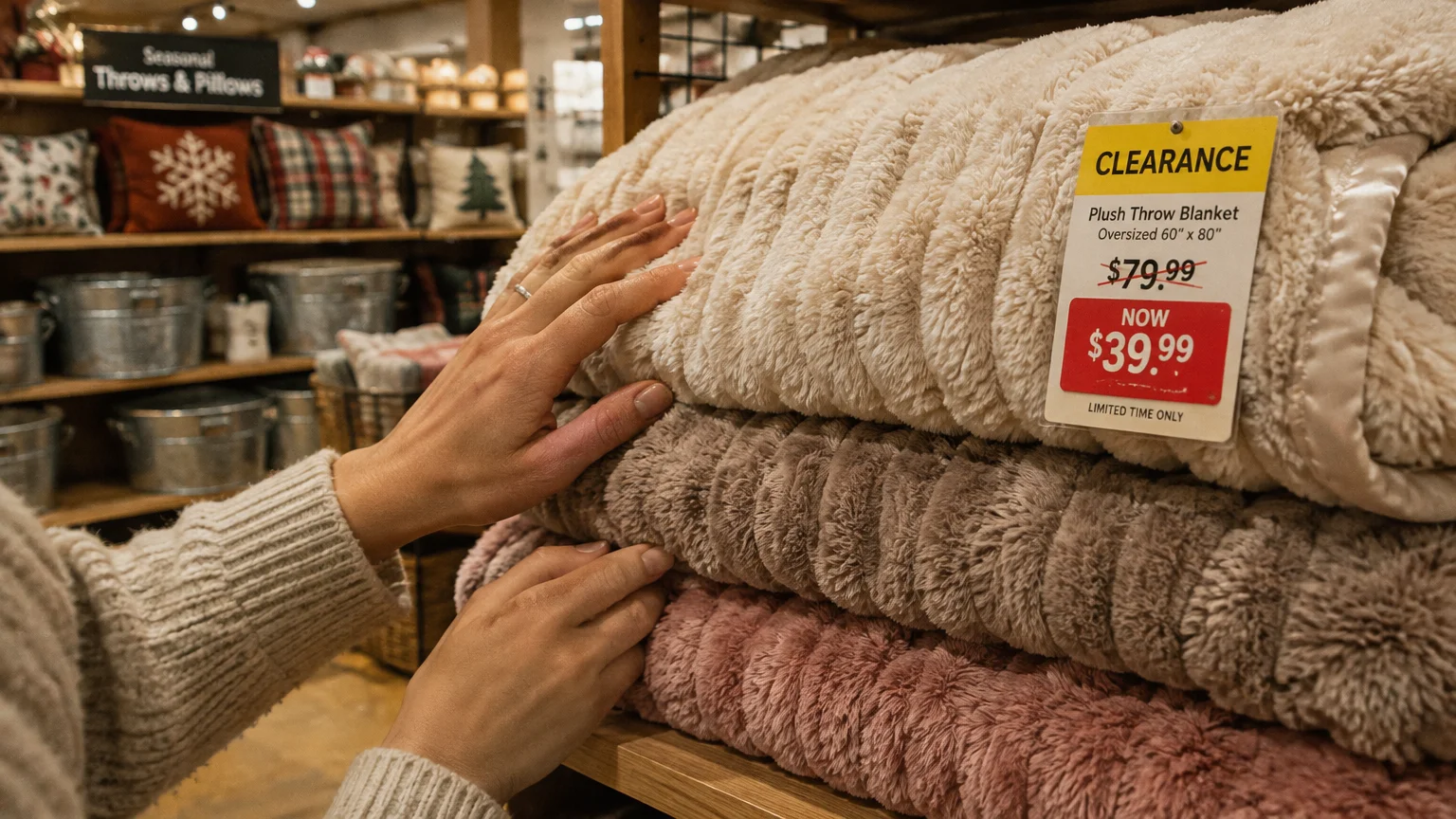
Stores exploit your sense of touch to bypass rational pricing comparisons. The Better Homes & Gardens “Vanilla Dream” Faux Fur Oversized Throw is a masterclass in sensory retail persuasion.
Measuring an expansive 50 by 72 inches, this blanket sells for just $24.96. Multiple popular color options in this viral faux fur line routinely sell out online within hours.
Pottery Barn offers a smaller 50-by-60-inch Luxe Faux Fur Throw that commands a staggering $179. The Walmart version gives you more surface area while leaving over $154 in your wallet.
Floor managers strategically position these plush throws in high-traffic center aisles at arm’s reach. Behavioral science proves that touching an item creates an instant feeling of psychological ownership.
Once you run your fingers across that dense faux fur, your brain begins justifying the twenty-five-dollar expense. You picture it draped across your living room sofa before checking your budget.
These throws sell out rapidly because home staging creators highlight them as luxury dupes across video platforms. Social media demand strips physical store shelves faster than distribution centers can replenish them.
Watch out for the retail trap that follows your purchase. High-end bedding items lure you into purchasing coordinated accent pillows and scented candles that carry massive profit margins.
Check the washing instructions carefully before buying faux fur textiles. Low-cost synthetic fibers often mat in hot water, requiring delicate laundering to maintain their plush loft over multiple seasons.
Track restock notifications inside the store app rather than paying inflated reseller markups. Retailers often drop fresh inventory waves in the middle of the week without announcement.
Shopping Trap #5: The Premium Private-Label Sweet Spot
Supermarkets use store brands to squeeze national manufacturers and capture luxury spenders. The bettergoods Pistachio Salted Caramel Premium Ice Cream proves how aggressive Walmart has become.
Priced at just $3.44 for a 16-ounce pint, this treat features genuine nut swirls and rich dairy cream. It challenges specialty brands that charge gourmet prices for identical recipes.
A 16-ounce pint of Talenti Pacific Coast Pistachio Gelato costs $6.69 at Target. Opting for the Walmart private-label pint saves you $3.25 every single time you satisfy your sweet tooth.
Walmart launched bettergoods in April 2024 as its largest culinary private-label debut in two decades. The line features roughly 400 items ranging between $2 and $15, with 70% priced under $5.
The brand generated over $500 million in sales during its first year, maintaining a stellar 40% to 46% repeat purchase rate. Customers try the ice cream once and abandon legacy premium brands entirely.
These pints quickly joined the ranks of certified walmart best sellers across frozen aisles nationwide. High turnover means freezers frequently stand stripped bare by Sunday evening.
The trap lies in how private-label gourmet food changes your grocery shopping habits. Once you believe Walmart offers boutique grocery quality, you stop price-checking standard staples across other supermarkets.
Walmart uses bettergoods to compete directly with Trader Joe’s and Whole Foods for affluent suburban shoppers. They capture your entire weekly grocery run by offering artisan dessert at a discount.
Enjoy the pistachio caramel ice cream for its genuine culinary value, but audit your grocery cart before paying. Keep comparing unit prices on meat, dairy, and produce against regional discount grocers.
Shopping Trap #6: The Specialty Diet Price-Gouge Antidote
Shoppers with dietary restrictions frequently face predatory price markups at traditional supermarkets. The bettergoods Plant-Based Chocolate Oat Milk Non-Dairy Frozen Dessert shatters that corporate pricing model.
This 16-ounce dairy-free pint sells for a modest $3.44 in the freezer aisle. It delivers decadent cocoa richness without dairy, gluten, or artificial flavorings.
A comparable pint of Oatly Chocolate Frozen Dessert costs $7.49 at retailers like CVS. The bettergoods option puts $4.05 back in your pocket on a single dessert purchase.
Specialty vegan and allergen-friendly pints sell out quickly because consumers are tired of paying a lifestyle tax. When dairy-sensitive shoppers discover an affordable option, they clear out whole display shelves.
Walmart deliberately undercuts name-brand plant-based frozen desserts to establish dominance in the specialty grocery space. They absorb tighter margins on oat milk treats to win lifelong customer loyalty.
The psychological trick is subtle yet remarkably profitable for the retailer. When you find cheap dairy alternatives, you assume the entire health-food section offers equally generous bargains.
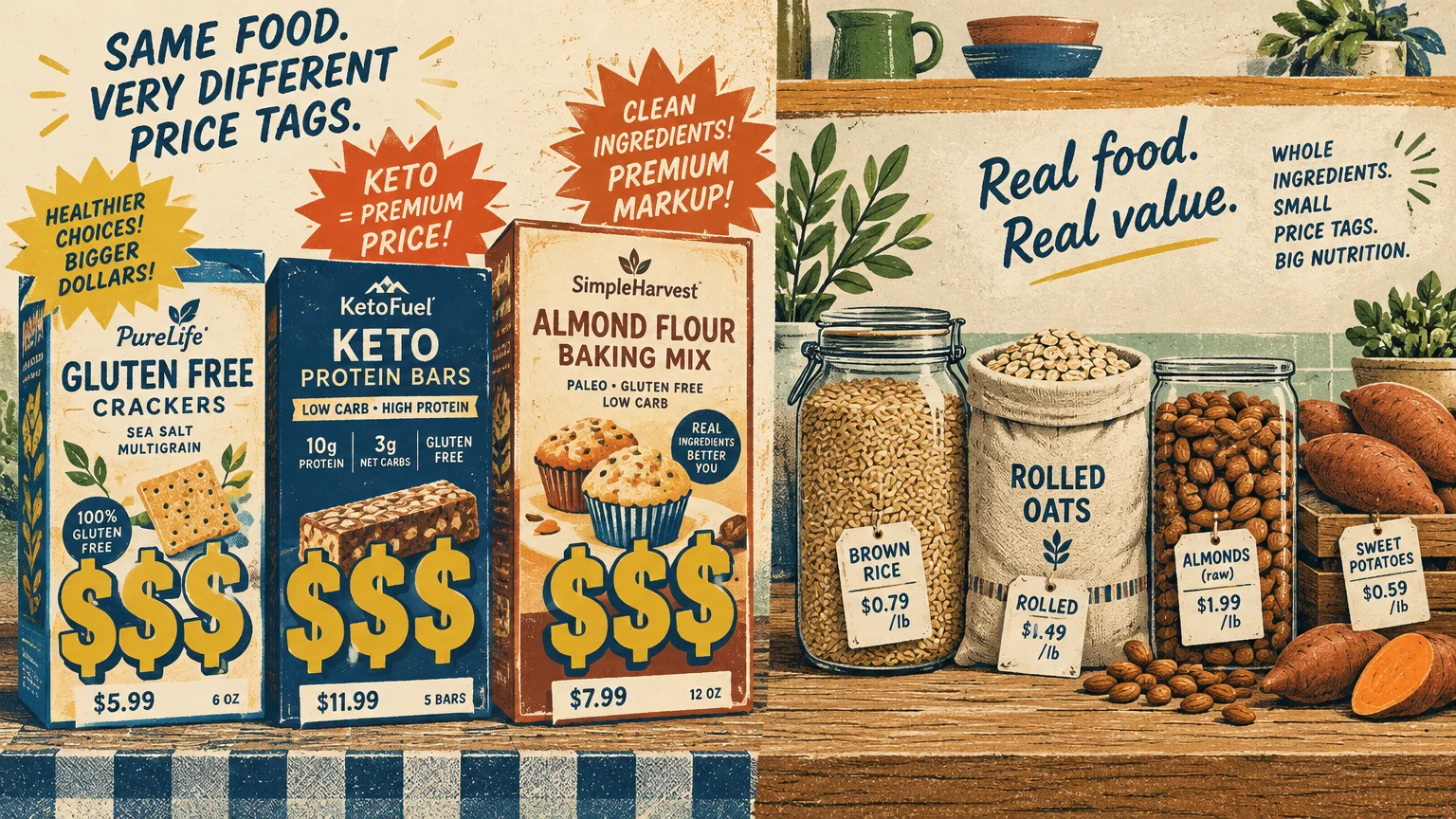
In reality, many gluten-free and plant-based pantry snacks at Walmart carry standard corporate profit margins. You must evaluate every nutrition label and price tag independently.
Freezer stock levels fluctuate wildly because these pints are prominent walmart sold out items during warm weekends. Savvy shoppers check shelf tags on Tuesday mornings following corporate overnight restocking.
Buy this chocolate oat dessert when you find it in stock, but store it deep in your home freezer. Non-dairy frozen desserts melt faster than traditional dairy ice cream during warm car rides home.
Shopping Trap #7: The Seasonal Panic Buy
Few marketing tactics generate frenzied shopping runs faster than limited seasonal flavors. Great Value Pumpkin Spice Ground Coffee is the undeniable champion of autumn retail hysteria.
This 12-ounce bag of medium-roast spiced coffee costs just $6.28, which works out to approximately $0.52 per ounce. It packs aromatic cinnamon, nutmeg, and clove notes without bitter artificial aftertastes.
An 11-ounce bag of Dunkin’ Pumpkin Spice Ground Coffee retails for $14.49 at Kroger. Choosing Walmart’s store brand cuts your morning brewing costs by more than half.
This seasonal blend routinely sells out within days of hitting store shelves each autumn. Retailers intentionally order tight inventory allotments to cultivate an aura of extreme exclusivity.
Walmart’s 2026 Holiday Trend Report indicates that 60.9% of shoppers say product prices dictate their overall shopping mood. Finding your favorite morning indulgence for six dollars sparks immediate consumer delight.
However, the manufactured panic surrounding seasonal stockouts encourages hoarding behavior. Shoppers regularly purchase four or five bags at once, fearing they will miss out before winter arrives.
Hoarded ground coffee loses its volatile aromatic oils within three to four months of storage. Buying more ground beans than you can consume before peak freshness turns great value into stale waste.
Retailers count on you pairing this coffee with overpriced seasonal creamers, syrups, and branded mugs displayed on the same aisle endcap. Those auxiliary items carry massive retail markups that offset your coffee savings.
Calculate your household coffee consumption before loading up your cart during seasonal restocks. Store your extra bags in airtight containers away from heat and light to preserve essential flavor profiles.
Shopping Trap #8: The Viral Beauty Basket-Stuffer
Drugstore beauty departments have become the battleground for viral product runs driven by online creators. The eos Vanilla Cashmere Shea Better Body Lotion sits at the epicenter of this trend.
Priced at $9.97 for a generous 16-ounce pump bottle, this formula features rich shea butter and nourishing shea oil. It provides clinically proven 24-hour hydration paired with a gourmand vanilla profile.
Target charges $11.19 for the exact same 16-ounce bottle and scent. Shopping at Walmart secures immediate cash savings on one of the most sought-after skincare products in the nation.
Because social media algorithms spark sudden regional buying surges, store shelves frequently sit completely stripped. Resellers grab multiple bottles at retail price to flip on secondary marketplaces at steep premiums.
Walmart leverages this viral sensation to pull younger shoppers directly into their high-margin personal care aisles. Once you hunt down your lotion, you walk past dozens of aggressively marketed cosmetics and haircare displays.
Retailers know that personal care items carry some of the highest markup percentages in modern retail. One impulse lipstick or dry shampoo purchase wipes out the money you saved on lotion.
Beat this marketing strategy by ordering your lotion through the Walmart app for free curbside pickup. You secure the low price point without subjecting your budget to the sensory temptations of cosmetic aisles.
Always inspect pump seals if you purchase your bottle in a physical store aisle. Enthusiastic shoppers often test pumps directly on display shelves, leaving partially used bottles behind.
Check the bottom date stamps to ensure freshness before checking out. Skincare emulsions stored under warm fluorescent store lighting can degrade if stock sits in warehouses for extended periods.
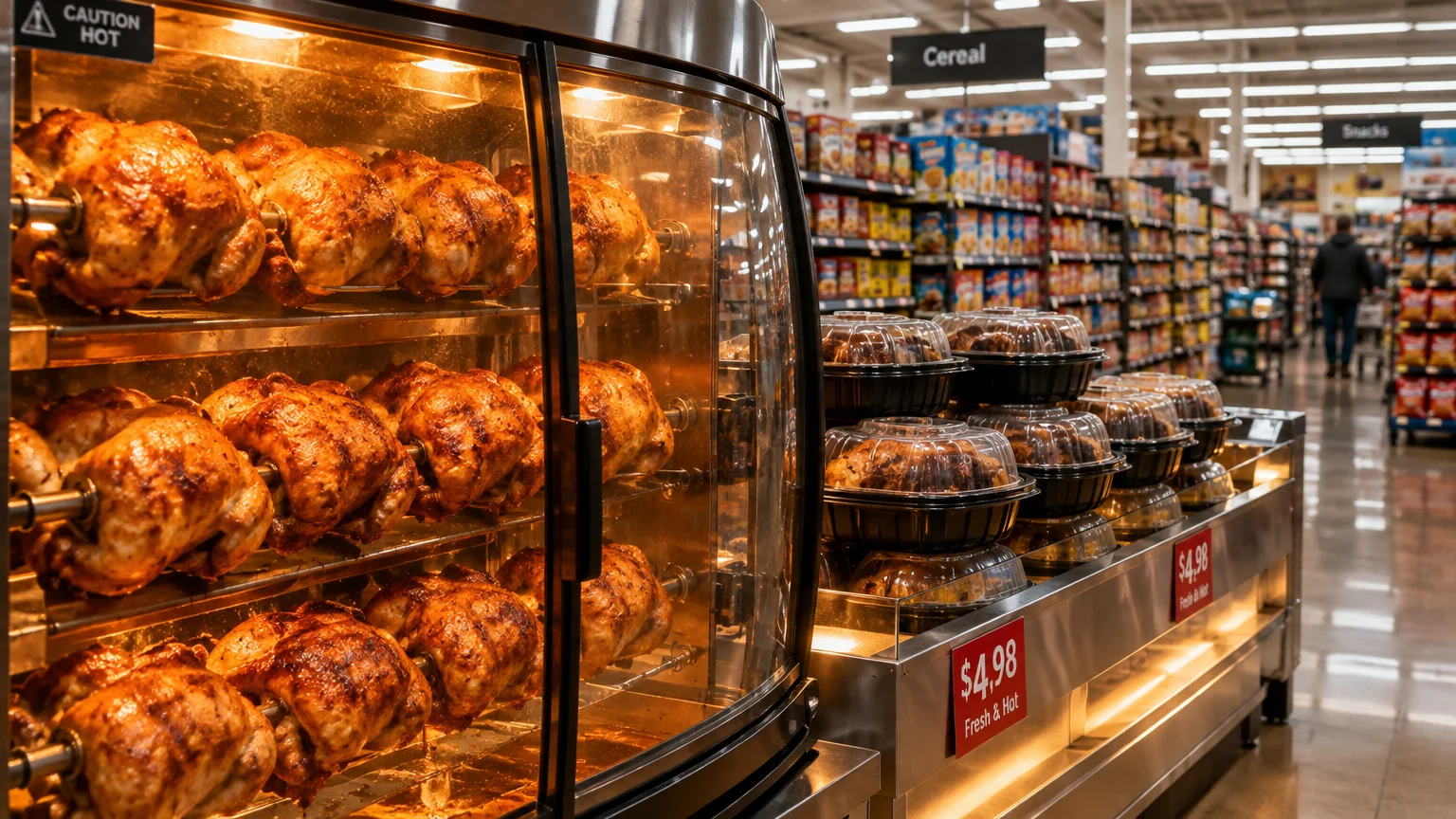
Shopping Trap #9: The Rotisserie Aroma Anchor
Supermarkets have used hot prepared foods as sensory traps for decades with devastating efficiency. The Freshness Guaranteed Lemon Pepper Rotisserie Whole Chicken is Walmart’s ultimate foot-traffic weapon.
Weighing in at 2.25 pounds, this seasoned, ready-to-eat bird retails for just $5.97. That price works out to an incredible $2.65 per pound for hot protein.
A smaller 2-pound Simple Truth hot rotisserie chicken costs $9.99 at Kroger, which averages nearly $5.00 per pound. Walmart cuts the price per pound almost in half.
Deli staff roast these birds in rotating batches throughout the day, and warming cases empty almost immediately during evening commutes. Shoppers hover near the deli counter waiting for fresh timers to chime.
Placing the hot deli case at the back corner of the store is a deliberate psychological layout choice. Retailers force you to walk past thousands of grocery displays while roasting chicken aromas stimulate your hunger.
Shopping while hungry dramatically increases impulse food purchases and weakens your price resistance. You toss bagged salads, refrigerated garlic bread, and soda packs into your cart to build an effortless dinner.
Those convenience side items carry heavy profit margins that more than subsidize Walmart’s low bird price. What started as a six-dollar dinner quickly spirals into a thirty-dollar grocery receipt.
Hot rotisserie chickens sit among the highest-turnover prepared food items in American grocery retailing. When cases run empty at five in the evening, shoppers pace aisles waiting for the next oven unload.
Protect your wallet by making a strict meal plan before leaving home. If you want the six-dollar rotisserie chicken, pair it with economical frozen vegetables and pantry rice you already own.
Shopping Trap #10: The Protein Inflation Hedge
Meat counters across the country are straining consumer budgets as agricultural supply chains tighten. The 80/20 Ground Beef Chuck 1-Pound Roll represents one of the fastest-moving meat items at Walmart.
Priced at $6.43 per pound, this ground beef chub offers an accessible entry point for everyday home dinners. It provides an optimal lean-to-fat balance for burgers, casseroles, and pasta sauces.
Target’s Good & Gather 1-pound roll of 80/20 ground beef costs $8.39. Buying your beef chuck at Walmart saves you $1.96 on every single pound you cook.
U.S. cattle herds have fallen to historic lows, pushing wholesale beef prices to sustained record highs nationwide. Because ground chuck is an essential staple, shoppers clear out these affordable meat rolls early in the morning.
Walmart uses rolled chubs because tubular plastic packaging drastically lowers processing, freight, and shelf-stocking costs compared to Styrofoam trays. They pass some of those packaging savings directly to you.
However, running low on ground beef roll inventory triggers a classic supermarket bait-and-switch. When the $6.43 roll is sold out, frustrated shoppers often upgrade to premium $9-per-pound organic beef trays.
Store managers know that once you commit to making beef tacos tonight, you will rarely leave the store empty-handed. You pay the higher price out of sheer dinner-prep convenience.
Do not let an empty beef shelf force you into buying high-margin pre-formed patties or overpriced specialty cuts. If the budget chubs are gone, pivot to frozen turkey or plant-based proteins instead.
Ask your local meat department manager what time their fresh meat delivery pallets hit the sales floor. Buy multiple rolls when fresh shipments arrive, portion them at home, and store them securely in your freezer.
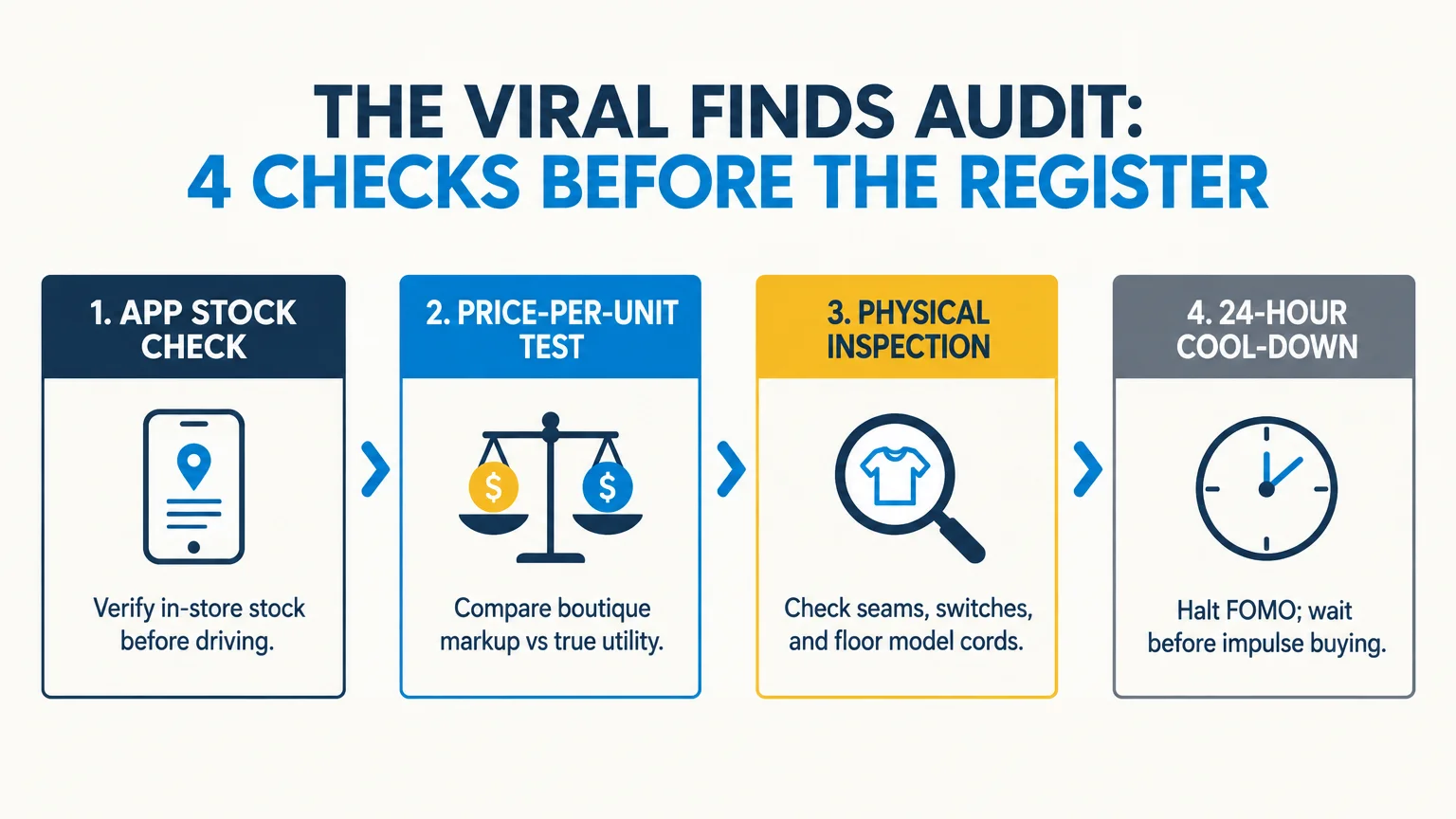
Your Action Plan: How to Be a Smarter Shopper
Beating big-box retail games requires disciplined planning and an understanding of store logistics. You can secure genuine bargains without falling into carefully engineered impulse traps.
Download the official store mobile app before setting foot inside your local supercenter. Use the built-in barcode scanner to check live store inventory, aisle locations, and hidden clearance rollbacks.
Walmart+ memberships cost $12.95 per month or $98 annually. This service provides valuable early access windows for major sales events, including Black Friday Deals starting November 12 and November 23, 2026.
Members receive early shopping windows lasting between 5 to 12 hours ahead of the general public during these promotions. High-demand items frequently sell out during these exclusive Hot Deal Drops before non-members can browse.
Calculate whether your annual grocery delivery and fuel savings justify that ninety-eight-dollar subscription cost. If you only shop occasionally, skip the membership and shop during standard morning restock cycles instead.
Never purchase out-of-stock viral items from third-party marketplace sellers hosted on Walmart’s website. These predatory third-party merchants routinely mark up viral items by 100% to 300% to exploit desperate buyers.
Always filter your online search results using the “Sold and shipped by Walmart” toggle switch. This simple setting filters out price-gouging resellers and ensures you pay authentic everyday low prices.
Set a strict cash budget or digital grocery list before you walk past the automatic sliding doors. Sticking exclusively to planned purchases neutralizes sensory retail tricks and keeps your hard-earned money in your account.
Check regional ad circulars on Wednesday mornings when new pricing cycles take effect. Aligning your shopping trips with mid-week delivery trucks gives you first pick of freshly unloaded stock.
Frequently Asked Questions
Why do popular Walmart items sell out so quickly online and in stores?
Viral social media trends create sudden demand spikes that break standard supermarket inventory algorithms. When TikTok or Instagram creators showcase a budget dupe, thousands of shoppers order simultaneously.
Third-party automated software also monitors trending goods to purchase scarce inventory in bulk for resale. Retailers keep physical inventory lean to minimize warehousing costs, meaning local shelves empty fast.
Supply chain managers prioritize high-volume distribution centers, leaving smaller regional stores with limited replenishment shipments. If a product goes viral, regional stores run dry within a single afternoon.
Is a Walmart+ membership necessary to snag sold-out items?
A Walmart+ membership is not mandatory for regular grocery shopping or everyday household supplies. You can find most grocery staples by timing your visits around local morning deliveries.
However, during major promotional drops and holiday sales, members receive 5 to 12 hours of early online access. If you want limited holiday decor or high-demand electronics, that early window prevents sellouts.
Subscribing for a single month at $12.95 during peak holiday shopping can pay for itself if you target high-ticket items. Cancel the renewal immediately after securing your desired deals to avoid recurring charges.
How can you tell if a third-party seller is overcharging for a sold-out item?
Look directly below the product price on the Walmart app or website to locate seller fulfillment details. If the text says “Sold and shipped by” an independent merchant, you are viewing a third-party marketplace listing.
Cross-reference the listed price with official manufacturer retail prices before submitting payment. Third-party resellers frequently inflate prices on sold-out beauty, seasonal, and toy items to exploit unwary consumers.
Check customer feedback ratings on the third-party merchant profile before completing any transaction. Rogue sellers often operate with low feedback ratings while charging triple the retail MSRP.
Does Walmart match prices if an item is out of stock in stores?
Walmart stores do not match prices from online third-party sellers, regional competitors, or other physical Walmart locations. Store managers only match prices shown on the official Walmart app for identical, in-stock items.
If an item sells out in your local store, ask a department associate if backroom stock remains unworked. You can also order the item directly through the app for delivery once regional distribution centers restock.
Never rely on verbal promises from floor associates regarding price adjustments on out-of-stock inventory. Corporate checkout terminals strictly enforce digital price verification before overriding any shelf price.
To check for scams and false advertising, visit the FTC. For unbiased product reviews, consult Consumer Reports.
Business ratings are available at the Better Business Bureau.
Disclaimer: The opinions in this article are for informational and entertainment purposes. Brands, products, and store policies can change.
Always verify information and prices before making a purchase.