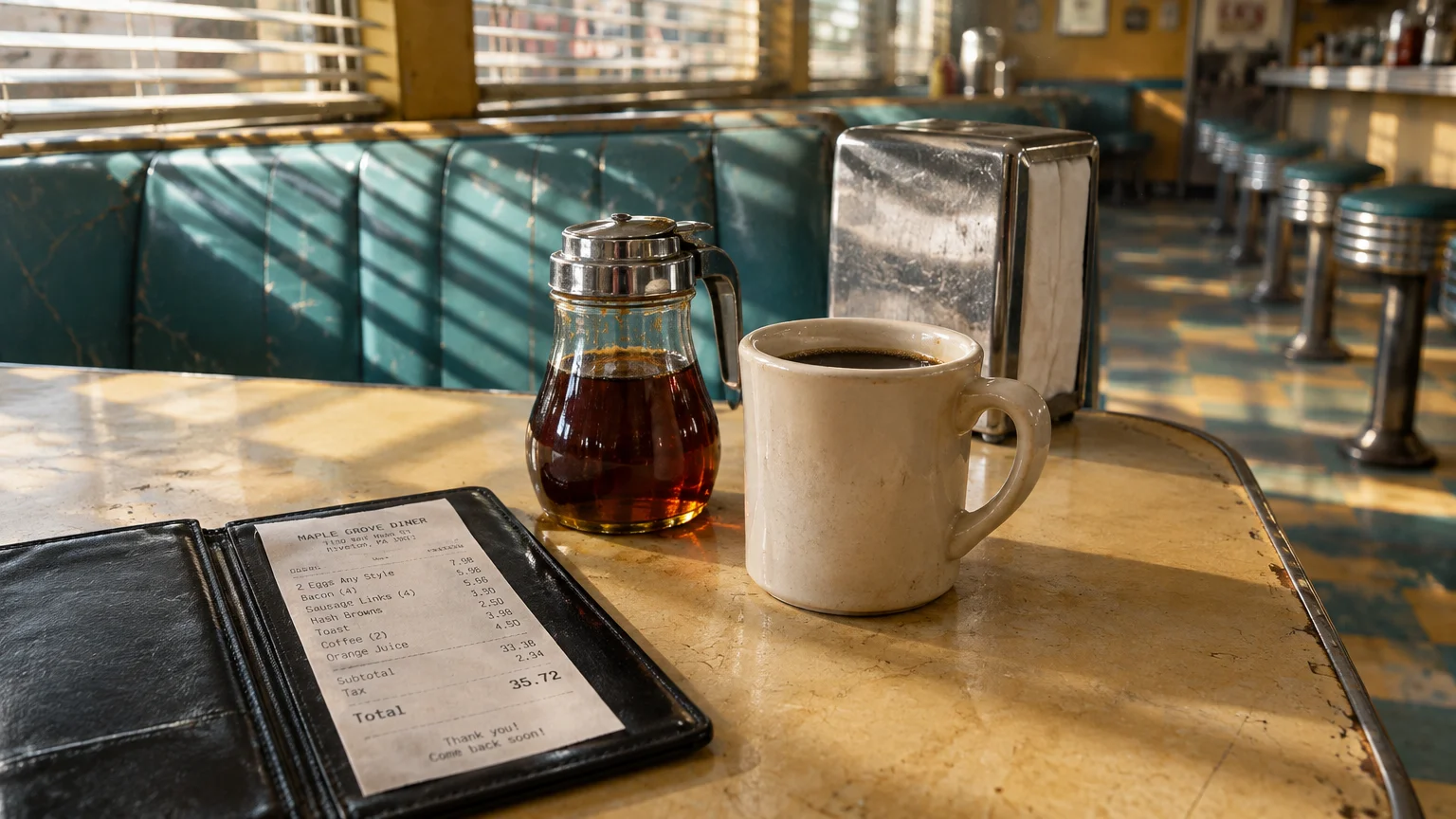
A weekend trip to IHOP once represented reliable comfort food at budget-friendly diner prices. Today, aggressive menu price hikes and shrinking portions transform what should be an affordable family breakfast into an expensive outing.
Corporate earnings reports show that menu prices have climbed dramatically while customer satisfaction scores have tumbled to near-record lows. You deserve honest diner value rather than corporate revenue tactics and inflated morning checks.
Before you slide into a vinyl booth this weekend, consider these eye-opening chain practices. We analyzed recent financial filings, customer reviews, and nutritional disclosures to reveal why your money works harder elsewhere.
Shopping Trap #1: The Runaway Menu Price Increases
IHOP established its legacy on affordable, accessible diner fare for everyday families. Unfortunately, that welcoming price point has vanished from the modern menu.
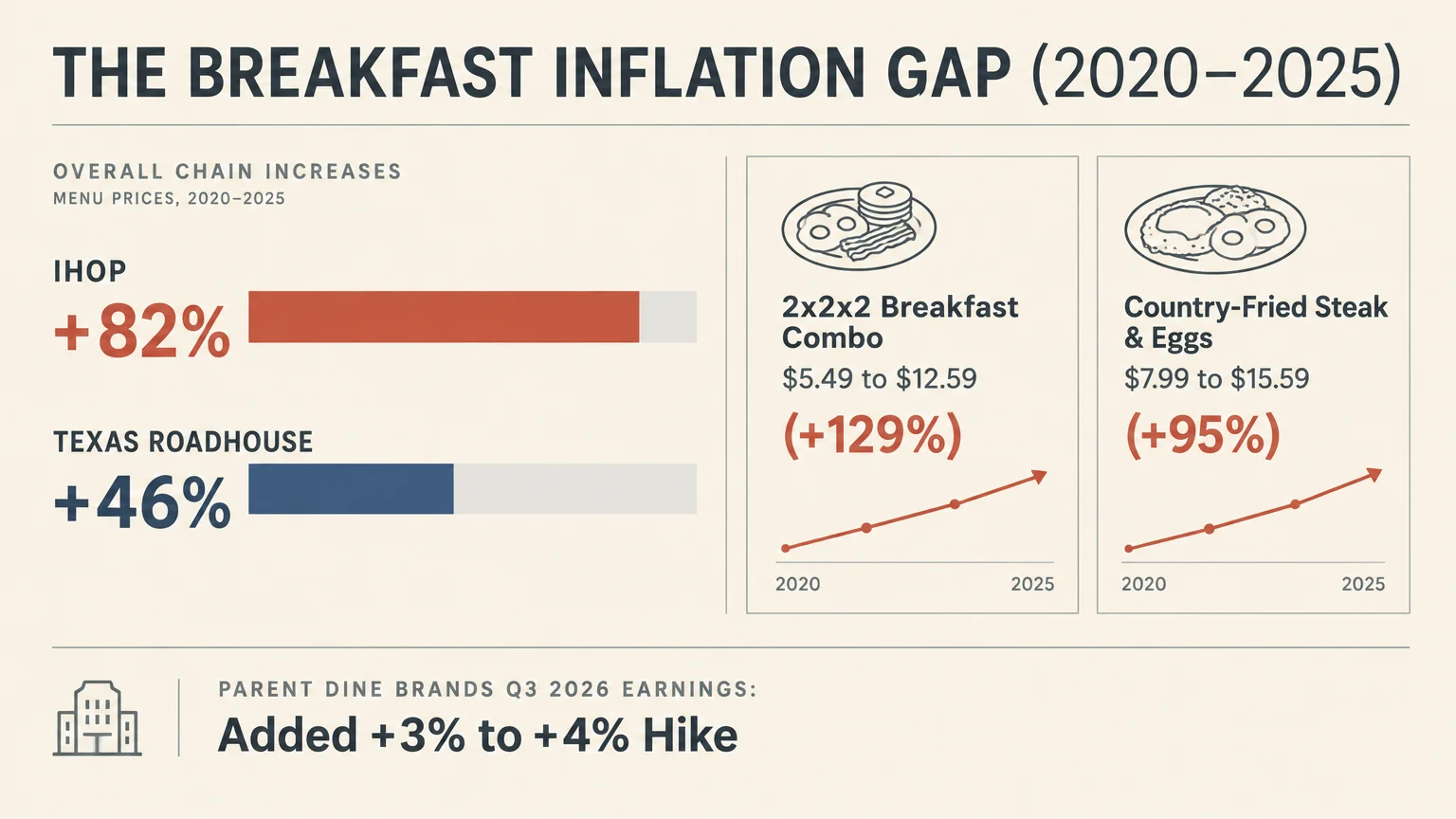
A 2025 FinanceBuzz study revealed that IHOP increased its menu prices by an average of 82% between 2020 and 2025. That massive spike outpaced the national inflation rate nearly four times over.
To put that increase in perspective, the runner-up chain in the study, Texas Roadhouse, raised prices by 46%. IHOP nearly doubled the rate of its closest corporate peer.
Consider the everyday impact on traditional morning staples. The iconic 2x2x2 breakfast combo jumped 129%, climbing steeply from $5.49 to $12.59.
If you prefer meat-heavy plates, the damage to your dining budget feels even sharper. The country-fried steak and eggs meal surged 95%, soaring from $7.99 to $15.59.
These rapid increases reflect deliberate corporate margin expansion rather than modest grocery price adjustments. You are paying double the money for the exact same plate of food.
Corporate executives continued this aggressive pricing strategy despite warning signs from diners. Even as tables sat empty, price tags continued their steady march upward.
Parent company Dine Brands Global confirmed this relentless push in its Q3 2026 earnings report, released on November 4, 2026. The company disclosed that IHOP raised menu prices by another 3% to 4% during that quarter.
Management pushed those fresh increases through while explicitly acknowledging negative customer foot traffic. Instead of luring back lost guests with better value, the chain squeezed remaining diners to hit quarterly projections.
This pricing behavior demonstrates that corporate leadership prioritizes short-term margin goals over customer loyalty. When a restaurant chain penalizes its loyal base, dining out loses its appeal.
Savvy shoppers understand that diner food consists primarily of inexpensive wholesale commodities. Flour, water, sugar, and factory-farmed eggs cost pennies per serving.
You can easily prepare a towering stack of golden pancakes and fried eggs at home for negligible grocery costs. Paying fifteen dollars for basic diner food drains your weekly entertainment budget without delivering real luxury.
When restaurants hike prices faster than luxury establishments, walking away becomes your best financial defense. Vote with your wallet by seeking out breakfast alternatives that respect your pocketbook.
Shopping Trap #2: Deceptive Fillers and Disappearing Allergen Options
When you order a morning omelette, you naturally expect fresh whipped eggs stuffed with meats and vegetables. At IHOP, however, kitchen prep relies on an undisclosed filler.
IHOP explicitly reveals in its menu fine print that its omelettes contain a splash of buttermilk and wheat pancake batter. The culinary shortcut makes the eggs appear noticeably fluffier on your plate.
Adding pancake batter artificially expands egg volume while reducing the actual egg content per serving. This practice saves the kitchen money by using cheap flour to bulk up breakfast plates.
This technique creates serious health risks for patrons who manage dietary restrictions. Many diners mistakenly assume that standard egg dishes are inherently gluten-free.
If you live with celiac disease or severe wheat sensitivities, that undisclosed splash of batter can trigger debilitating symptoms. Hidden allergens turn a casual weekend brunch into a medical headache.
To make matters worse, safe options for health-conscious diners have evaporated from the menu. The corporate response to dietary needs has moved backward rather than forward.
In Q3 2026, Dine Brands confirmed that it removed gluten-friendly offerings from IHOP menus nationwide. That abrupt rollback stripped away reliable options for millions of diners seeking safe alternatives.
This menu cut highlights a concerning shift in ihop food quality and culinary priorities. Instead of training staff to maintain safe prep stations, corporate leadership abandoned sensitive customers entirely.
The elimination of specialized options forces families with mixed dietary needs to dine elsewhere. Nobody wants to watch family members navigate an allergen minefield during a Sunday meal.
Cross-contamination remains a constant risk inside high-volume corporate kitchens. Shared spatulas and crowded griddles expose supposedly plain eggs to residual wheat flour and batter drips.
Transparent restaurants take pride in clean ingredients and clearly marked allergen menus. By contrast, masking eggs with batter demonstrates a preference for optical volume over culinary integrity.
You deserve complete honesty about what enters your body when dining out. When a breakfast franchise cuts allergen safeguards while using flour fillers, eating elsewhere becomes a health priority.
Shopping Trap #3: The Hidden Sodium and Calorie Landmines
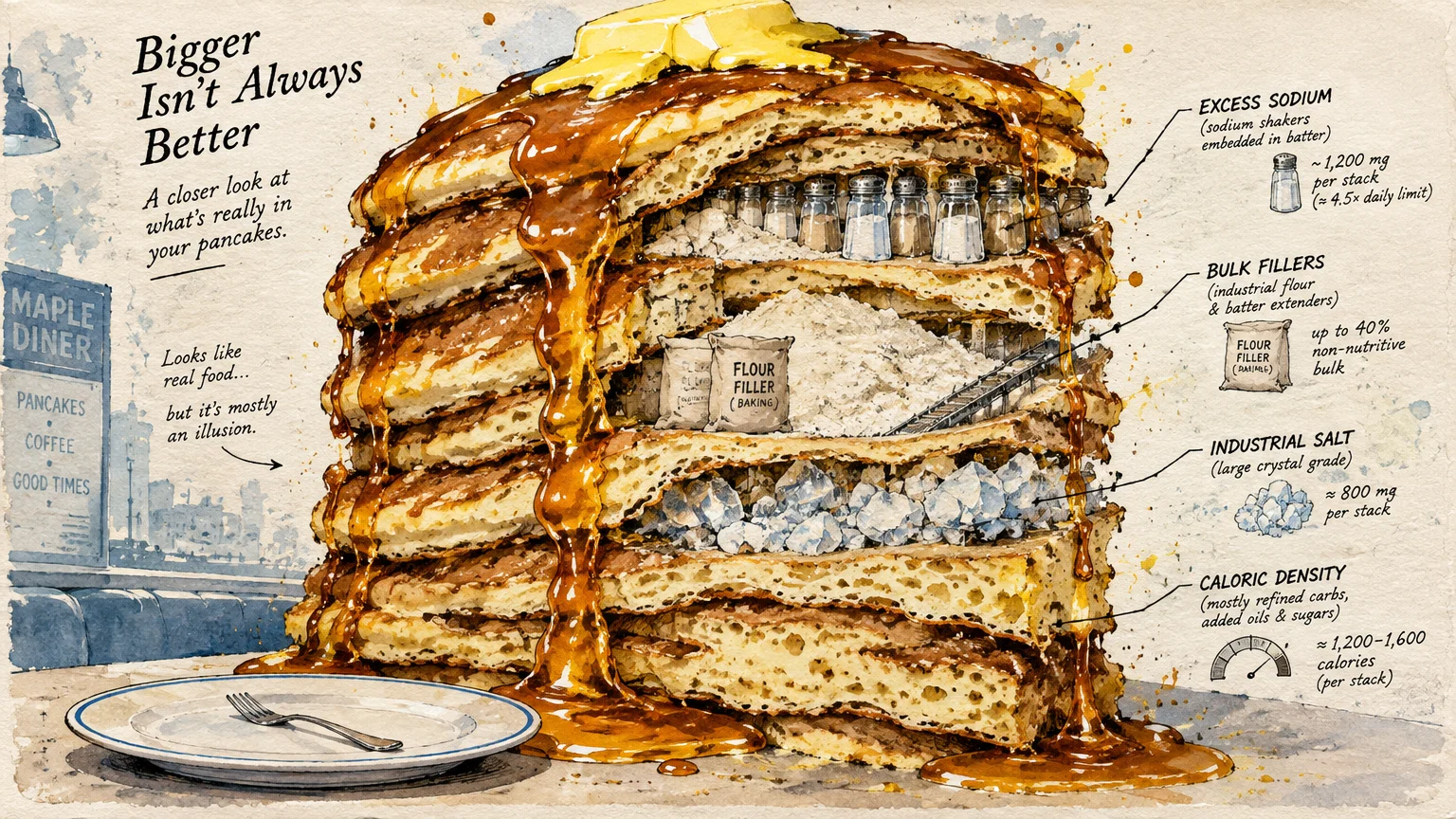
Morning diners often focus on avoiding excess maple syrup and refined sugars. Yet the biggest nutritional threat lurking on this menu is astronomical sodium content.
Commercial breakfast chains rely heavily on salt to intensify flavors and mask lower-tier ingredient sourcing. IHOP pushes these sodium levels to shocking extremes across its core menu.
Just two Original Buttermilk Pancakes with whipped butter deliver 1,040 mg of sodium. That modest, two-pancake side order wipes out 43% of the FDA’s 2,300 mg daily limit.
That sodium count does not even factor in breakfast meats, seasoned hash browns, or syrup. Once you assemble a complete morning combo, the salt numbers escalate dramatically.
Research from the Center for Science in the Public Interest (CSPI) revealed that a typical IHOP combo breakfast averages 2,680 mg of sodium. A single meal shatters your recommended sodium intake for an entire twenty-four-hour cycle.
Specialty items push these nutritional boundaries even further into dangerous territory. Certain menu favorites deliver enough salt to strain any cardiovascular system.
The Cheeseburger Omelette served with three buttermilk pancakes contains an eye-popping 4,560 mg of sodium. That single plate delivers nearly two full days of your recommended salt allowance.
Consuming that much sodium causes acute fluid retention, severe thirst, and morning lethargy. It leaves diners feeling bloated and exhausted for the remainder of their weekend.
High-sodium formulations also stimulate compulsive overeating by triggering brain reward pathways. You finish the plate feeling weighed down yet strangely unsatisfied shortly thereafter.
When you cook breakfast in your own kitchen, you control the salt cellar completely. A pinch of sea salt on fresh eggs provides rich flavor without overwhelming your arteries.
Paying premium prices for hyper-processed, sodium-saturated dishes makes little sense for health-conscious consumers. Real diner hospitality should nourish your body rather than overload your cardiovascular system.
Choosing fresh whole foods from the grocery store protects both your health and your bank account. Skipping these sodium bombs ensures you leave the breakfast table feeling energized rather than sluggish.
Shopping Trap #4: Deteriorating Service and Falling Satisfaction
High menu prices might feel acceptable if you received attentive hospitality and flawless kitchen execution. Unfortunately, diner sentiment shows a dramatic slide in customer satisfaction.
In the 2026 American Customer Satisfaction Index (ACSI) Restaurant Study, IHOP’s customer satisfaction score dropped 3% to 76 out of 100. That dismal performance ranks the brand second-to-last across the entire full-service dining sector.
The full-service restaurant industry average maintains a score of 82. IHOP trails direct family dining rivals substantially, sitting behind Cracker Barrel at 79 and Denny’s at 77.
Public feedback platforms reflect this systemic drop in service quality. Online review boards paint an unfiltered portrait of diner frustration across regional franchises.
As of late 2026, IHOP maintains a mediocre 3.2-star rating on Trustpilot. Even more alarming, 48% of reviewers gave the restaurant chain a rock-bottom 1-star review.
A close look at verified ihop complaints reveals recurring patterns across diverse store locations. Diners routinely report long waits for drink orders, understaffed dining rooms, and lukewarm food.
Other frequent ihop reviews highlight confusion when the final check arrives at the table. Customers frequently report unexpected surcharges or discrepancies between table signage and register totals.
Broad restaurant chain reviews suggest that corporate labor optimization has pushed store-level staff to a breaking point. When management pares back staffing to protect margins, the guest experience deteriorates rapidly.
Servers juggling too many tables cannot provide the warm, attentive care that defines classic diner hospitality. Plates sit under warming lamps while coffee pots go cold on the counter.
When you pay full-service prices, you deserve attentive care and hot, freshly prepared meals. Accepting sub-par service while subsidizing falling satisfaction scores is bad consumer math.
Neighborhood diners and independent cafes often excel precisely where massive chains falter. Local owners work the floor, manage their kitchens closely, and treat regulars with genuine warmth.
Spending your money where it earns attentive service guarantees a vastly superior weekend morning experience. Do not settle for indifferent chain dining when better local alternatives await you.
Shopping Trap #5: The Illusory Bargains of the Value Menu
To counter growing consumer backlash over menu inflation, corporate leadership launched a coordinated promotional campaign. In September 2025, IHOP rebranded its weekday promotions into an everyday IHOP Value Menu.
Marketed heavily on television and social media, the value lineup features four basic breakfast combos for $6, or $7 in higher-cost markets. At first glance, a hot breakfast meal for under seven dollars sounds like an unbeatable deal.
However, retail deal-hunters recognize this promotion as a classic loss-leader trap. The entire menu strategy aims to pull you inside before steering you toward higher-margin items.
The four discount combos provide minimal food portions that rarely satisfy a hearty morning appetite. Diners frequently feel compelled to order extra sides just to round out the meal.
Furthermore, the value pricing excludes morning beverages entirely. Adding a glass of orange juice or a regular hot coffee instantly drives up the total ticket cost.
Beverage prices at corporate diners now routinely cost four dollars or more per beverage. That single drink addition erases your promotional savings in one stroke.
Requesting basic substitutions, such as sausage links instead of bacon or specialty pancake toppings, triggers steep upcharges. Your supposed bargain breakfast rapidly balloons into a standard twelve-dollar tab.
Meanwhile, regular combos outside those four promotional items routinely cost between $13 and $20 or more. The price disparity between loss-leaders and standard entrees is deliberately jarring.
This pricing psychology represents one of the primary reasons to avoid ihop when trying to control household expenses. Chains rely on these optical discounts to disguise an otherwise expensive menu environment.
If you bring a family to breakfast, only ordering promotional items without drinks or sides feels restrictive. The resulting bill inevitably exceeds what you budgeted for a casual diner outing.
Authentic value means transparent pricing without fine-print restrictions or deceptive upsells. Local breakfast spots often provide hearty complete plates with coffee included for far fairer prices.
True bargain hunters evaluate the total bottom-line cost rather than the promotional banner at the front door. Look past corporate value marketing and protect your wallet from clever menu engineering.
Shopping Trap #6: Dual-Branded Downsizing and Disappearing Diners
The familiar blue-roofed footprint of the pancake chain is undergoing drastic corporate changes. Franchise closures and experimental remodeling projects are reshaping the traditional diner landscape.
Parent company Dine Brands closed 208 restaurant locations across 2025 and 2026. That aggressive store contraction included 28 permanent closures during the third quarter of 2026 alone.
Accelerating closures indicate deep financial stress for individual franchise operators. When restaurant units struggle to break even, management frequently cuts back on staffing, maintenance, and kitchen prep routines.
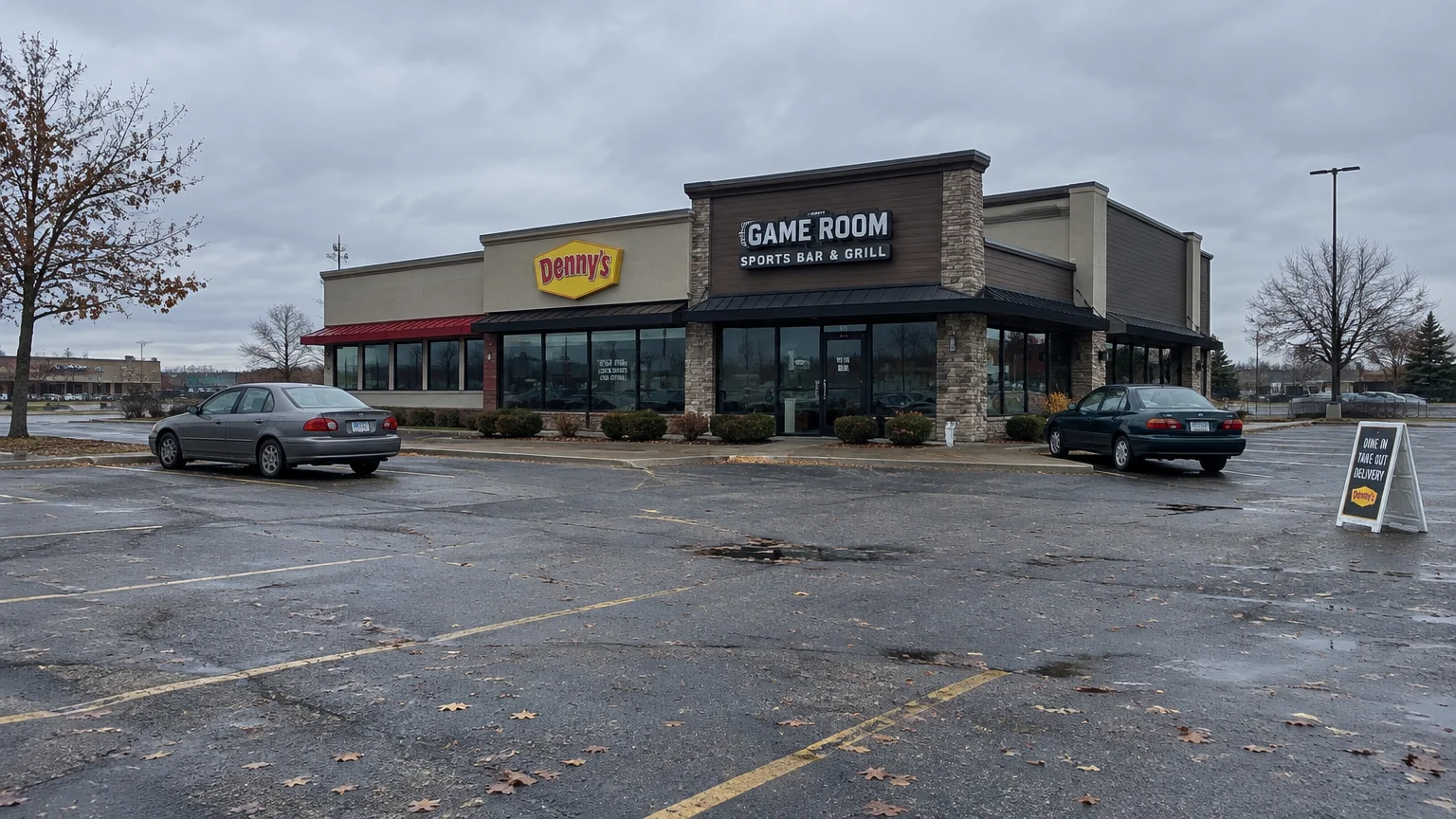
In an effort to stabilize declining foot traffic, corporate executives launched an unusual operational hybrid. The company began combining morning pancake houses with evening bar-and-grill spaces.
Dine Brands is actively converting dozens of standalone pancake locations into dual-branded IHOP and Applebee’s hybrid stores. Corporate leadership announced plans to reach 80 of these combined locations across the United States by the end of 2026.
These hybrid locations force a single kitchen line to prepare morning breakfast plates alongside evening bar burgers and riblets. Splitting kitchen focus across two distinct culinary menus often leads to operational chaos and inconsistent cooking.
The cozy, nostalgic atmosphere of an authentic neighborhood diner disappears entirely inside a dual-branded corporate concept. The dining room feels more like an identity crisis than a comfortable breakfast destination.
Combining two struggling casual dining concepts into one building rarely solves underlying product quality problems. It merely consolidates corporate overhead while diluting the diner brand identity.
When a restaurant chain downsizes its network and consolidates its kitchen routines, the diner inevitably pays the price. You end up with rushed food prep, lukewarm hash browns, and compromised consistency.
Instead of patronizing struggling corporate hybrids, support independent restaurants that specialize in breakfast. A dedicated kitchen staff focusing solely on morning cuisine consistently outcooks a split-concept assembly line.
Real diner charm requires passion, focused execution, and deep community roots. You will not find those qualities in an engineered corporate hybrid designed to satisfy stock analysts.
Shopping Trap #7: Delivery App Markups and Low-Value Loyalty Points
Convenience dining has surged in popularity, but ordering breakfast through mobile delivery apps creates an enormous drain on your finances. The convenience premium turns inexpensive breakfast foods into luxury-priced splurges.
In Q3 2026, off-premise orders—including takeout and third-party delivery—accounted for 21% of IHOP’s total sales volume. A substantial portion of customers now consumes their pancakes at home.
Yet many consumers fail to realize that third-party platforms apply hidden surcharges to individual menu items. Industry data reveals that menu prices on third-party delivery apps are marked up by 15% to 30% above in-store rates.
Those inflated item prices hit your cart before delivery fees, platform service charges, and driver tips are even tallied. A breakfast combo that costs $15 in the restaurant easily approaches $25 on an app screen.
Furthermore, pancakes and scrambled eggs suffer catastrophic quality losses during vehicle transit. Trapped steam inside styrofoam containers turns crispy waffles soggy and fluffy pancakes rubbery within minutes.
Paying twenty-five dollars for lukewarm, condensed diner food is a terrible financial transaction. The convenience of delivery simply cannot justify the massive price inflation.
Meanwhile, the chain’s gamified loyalty program offers minimal financial relief to offset these steep costs. The return on your dining investment remains shockingly stingy.
The “International Bank of Pancakes” loyalty program awards members just 1 PanCoin for every $5 spent in the restaurant or app. Accumulating meaningful digital tokens requires substantial out-of-pocket spending.
You must spend at least $15—earning 3 PanCoins—just to redeem a basic short stack of three pancakes. That minimal reward yields an underwhelming discount relative to your total outlay.
The program encourages diners to chase gamified loyalty tiers while spending hundreds of dollars on overpriced meals. The math works heavily in corporate favor, not yours.
Savvy shoppers avoid third-party delivery fees and low-yield loyalty traps altogether. Keep your hard-earned money in your bank account rather than converting it into low-value corporate tokens.
Cooking breakfast at home or picking up orders directly from local cafes preserves both your budget and food quality. Refuse to subsidize delivery markups and stingy digital rewards schemes.
Your Action Plan: How to Be a Smarter Shopper
Navigating today’s dining market requires conscious planning and proactive spending defenses. You can enjoy delicious weekend breakfasts without surrendering your budget to corporate pricing tricks.
First, make independent diners and local breakfast spots your default weekend destination. Local mom-and-pop cafes typically serve fresher ingredients, offer larger portions, and price their meals honestly.
When you spend money at an independent establishment, your dollars support local business owners and kitchen staff. You avoid subsidizing corporate marketing campaigns and executive stock buybacks.
Second, steer clear of profitable beverage markups whenever you dine out. Ordering water instead of four-dollar coffees or juices instantly trims twenty dollars from a family meal.
Third, delete third-party delivery apps when ordering morning breakfast foods. The 15% to 30% menu price markups, combined with delivery fees and tips, double the cost of basic food items.
If you crave restaurant food, call the restaurant directly and pick up your order in person. You eliminate inflated app fees while ensuring your food reaches home hotter and fresher.
Fourth, scrutinize your final receipt carefully before signing the credit card slip. Check for unexpected service charges, automatic gratuities, or promotional pricing errors before leaving the register.
If you notice a billing discrepancy between the advertised menu price and the computerized total, politely request a correction. Holding management accountable discourages deceptive billing practices.
Fifth, inquire about cooking ingredients if you manage allergies or follow specific dietary plans. Always ask servers whether kitchen staff adds pancake batter or wheat flour to scrambled eggs and omelettes.
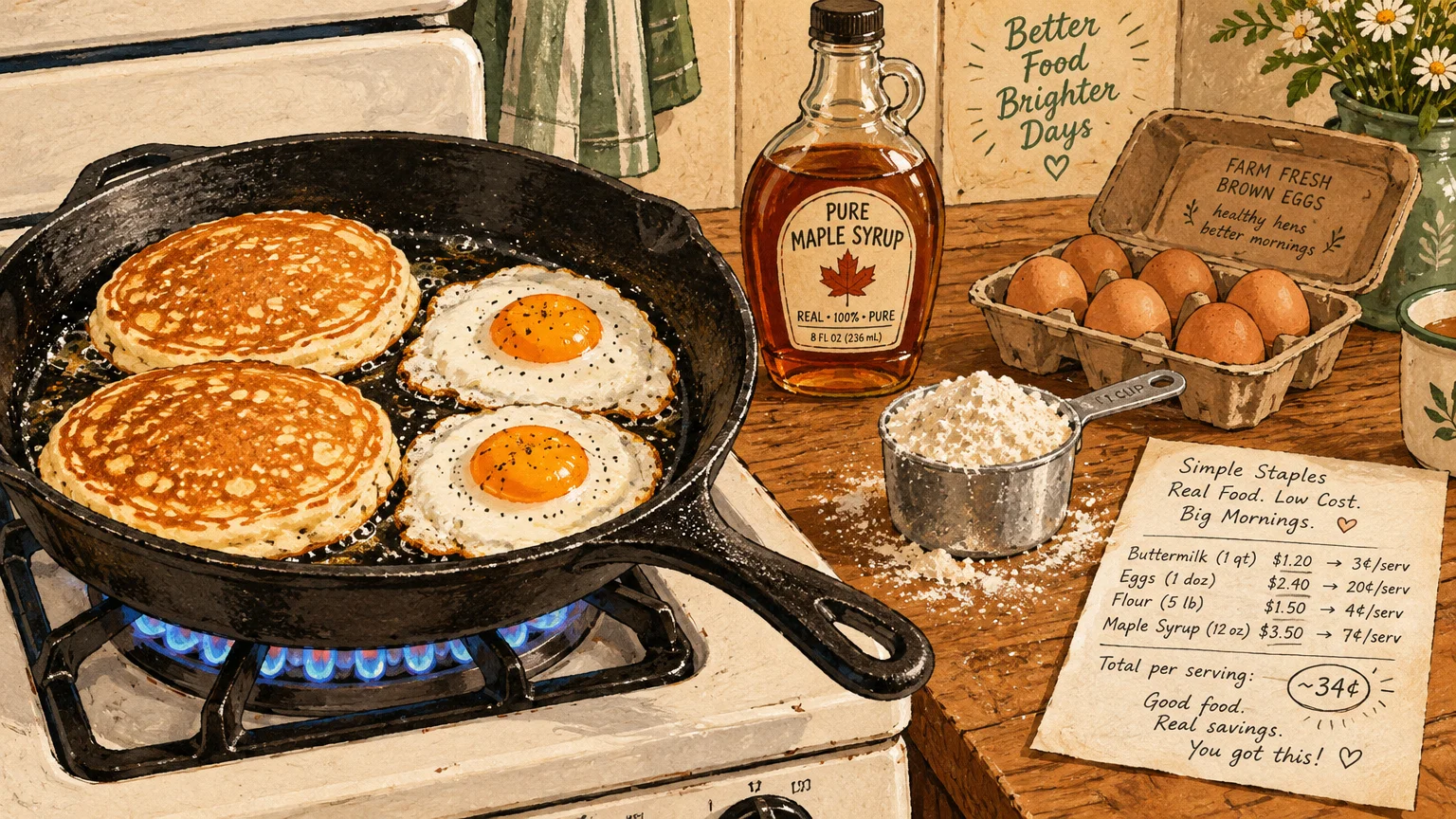
Finally, invest in quality breakfast essentials for your home kitchen. A cast-iron skillet, a bag of unbleached flour, real maple syrup, and fresh farm eggs cost very little at the grocery store.
Whipping up a restaurant-quality pancake breakfast at home takes less than twenty minutes and costs under two dollars per person. You save hundreds of dollars each month while eating healthier, fresher morning meals.
Armed with these practical habits, you can outsmart aggressive restaurant marketing and protect your household finances. Smart dining out is about maximizing pleasure while minimizing needless corporate markups.
Frequently Asked Questions
Why does IHOP put pancake batter in its omelettes?
IHOP adds a splash of buttermilk and wheat pancake batter to its omelette mixture before cooking on the flat-top griddle.
The starch in the batter causes the eggs to puff up and hold their structure, creating a visually fuller plate.
While this stretches ingredients to save the kitchen money, it introduces hidden wheat allergens into dishes diners expect to be gluten-free.
How much did IHOP menu prices increase recently?
A 2025 FinanceBuzz study revealed that IHOP raised its menu prices by an average of 82% between 2020 and 2025.
That increase outpaced the national inflation rate nearly four times over and led all sixteen major restaurant chains analyzed.
Parent company Dine Brands raised prices by an additional 3% to 4% in Q3 2026, despite negative customer foot traffic.
Are IHOP delivery app prices higher than in-store dining?
Yes, restaurant menu prices on third-party delivery apps like DoorDash or Uber Eats are typically marked up by 15% to 30%.
This markup is applied to individual food items before platform service fees, delivery charges, and driver tips are calculated.
Ordering delivery often doubles the final cost of your meal compared to dining inside the restaurant.
Does IHOP still offer gluten-friendly menu items?
In Q3 2026, Dine Brands confirmed that it removed gluten-friendly offerings from IHOP menus nationwide.
Diners with celiac disease or severe wheat allergies should avoid eating at the chain due to significant cross-contamination risks and wheat-laced omelettes.
To check for scams and false advertising, visit the FTC; for unbiased product reviews, consult Consumer Reports. Business ratings are available at the Better Business Bureau.
Disclaimer: The opinions in this article are for informational and entertainment purposes; brands, products, and store policies can change. Always verify information and prices before making a purchase.