Tip #2: Local Domestic Violence Shelters and Community Havens
Direct Community Impact for Linens, Casual Apparel, and Everyday Essentials
Local domestic violence shelters and homeless assistance facilities put your items directly into the hands of people in crisis. Unlike retail thrift chains that resell your goods for cash, these community organizations give items away immediately to residents.
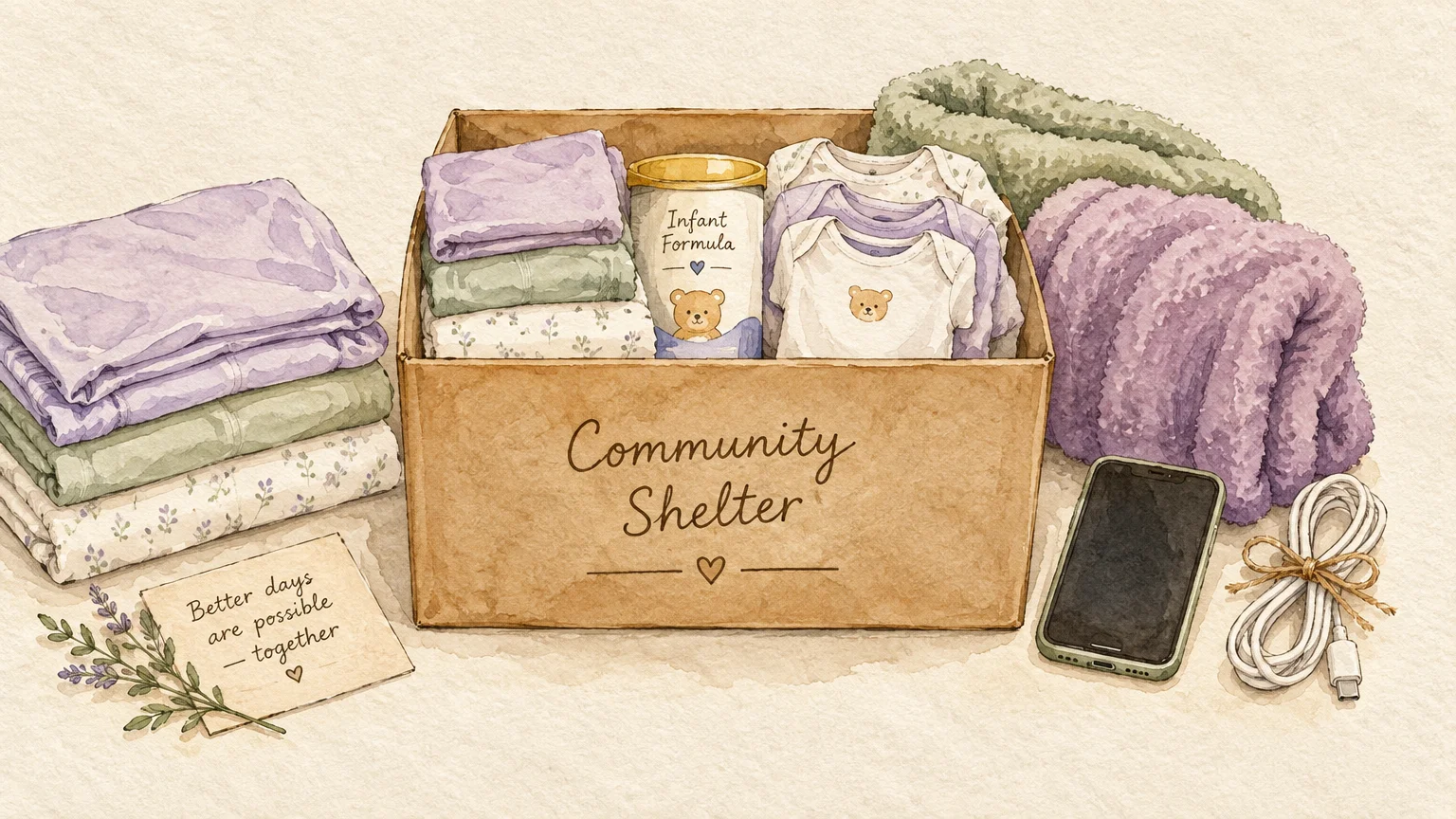
Shelters maintain ongoing shortages of clean bedsheets, new underwear, infant supplies, warm blankets, and everyday casual clothing. They also accept gently used smartphones and tablets, which social workers recondition to help survivors secure jobs and emergency communication.
Because resident safety remains paramount, most domestic violence shelters maintain confidential physical addresses. You will coordinate deliveries through off-site administrative offices, designated community partners, or secure drop boxes.
Always inspect every garment before packing your boxes. Shelters lack industrial dry-cleaning equipment and repair budgets, meaning soiled or damaged items divert crucial labor away from client services.
Focus your donations on practical, durable clothing rather than dry-clean-only evening wear or delicate fabrics. Comfortable jeans, winter coats, athletic sneakers, and basic work uniforms offer the greatest everyday utility for shelter residents.
For non-cash contributions valued between $250 and $500, federal law mandates that you secure a contemporaneous written acknowledgment. This document must state clearly whether the receiving charity provided you with any goods or services in exchange.
Call the shelter coordinator ahead of time to request their current wish list. Delivering specific items they urgently require saves warehouse space and prevents volunteers from managing surplus goods they cannot immediately use.
Connecting with these localized centers transforms surplus household clutter into immediate lifelines for families starting over from scratch. The emotional return on your donation far exceeds the minor convenience of dumping bags in random parking lot bins.