Tip #5: Dress for Success and Career Closets
High-End Business Wear and Professional Attire
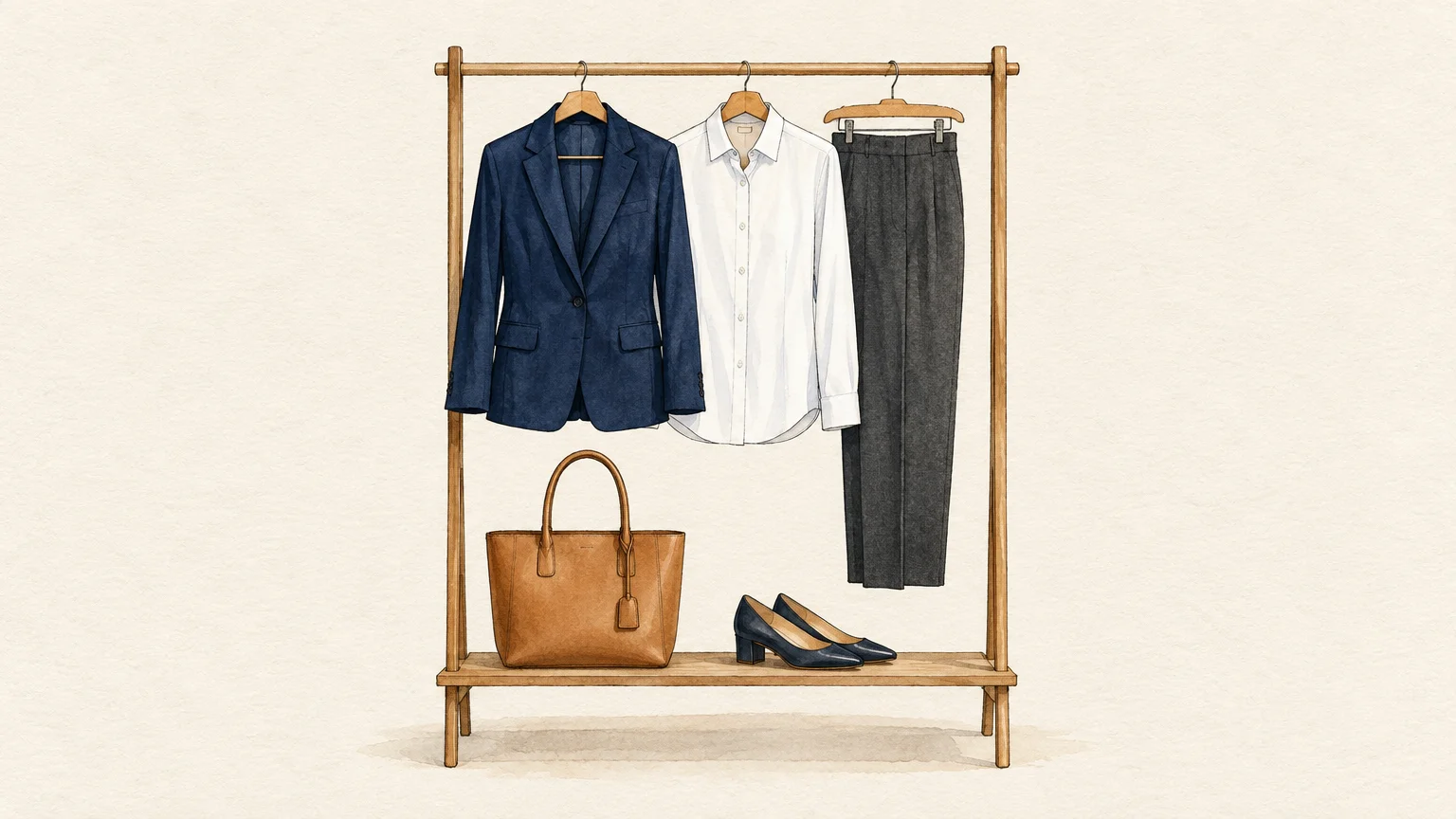
High-end corporate suits, silk blouses, tailored slacks, and professional footwear rarely belong in standard thrift store sorting bins. Specialized organizations like Dress for Success equip low-income job seekers with professional wardrobes, resume development, and interview training.
Career development charities maintain strict standards regarding current style and pristine condition. To qualify, garments must be clean, wrinkle-free, ready to wear immediately, and manufactured within the past several years.
Outdated business suits with exaggerated shoulder pads or stained lapels will be quickly rejected. These organizations seek polished, contemporary garments that instill confidence during crucial corporate employment interviews.
Because professional workwear carries a high initial purchase price, your non-cash donation totals can climb quickly. Keep original purchase receipts or credit card statements whenever possible to establish your historical cost basis for expensive designer items.
If your combined charitable deduction for a group of similar luxury clothing items exceeds $5,000, the IRS enforces strict scrutiny. You must obtain a formal qualified appraisal from an independent appraiser and complete Section B of Form 8283.
Many regional career closets also welcome professional accessories that complete an interview ensemble. Consider donating leather portfolios, professional briefcases, neutral handbags, unworn dress socks, and conservative jewelry pieces.
Donating your professional wardrobe directly accelerates upward economic mobility in your community. You help candidates land career-track jobs that permanently improve their household earnings and long-term financial stability.
Always dry-clean your garments and deliver them neatly arranged on sturdy hangers. Providing ready-to-wear clothing saves nonprofit volunteers precious prep time and ensures immediate distribution to awaiting clients.